
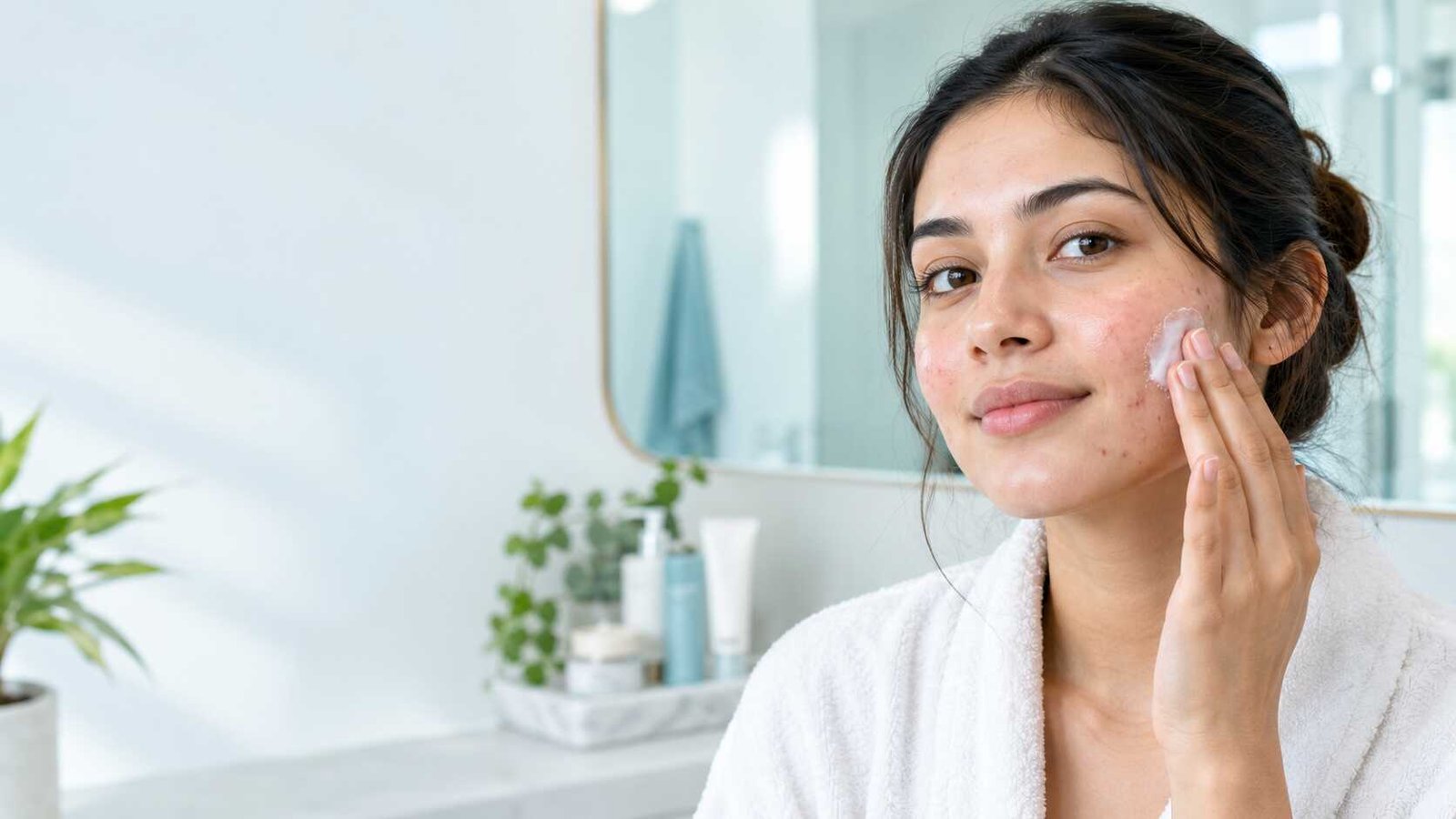

You wash your face, try a new gel, switch cleansers, and still wake up to fresh breakouts. If that cycle sounds familiar, you are in good company. Acne is one of the most common skin conditions, it affects teenagers and adults alike, and it can wear down your confidence even when the pimples themselves are small.
The good news is that managing acne at home does not require an expensive routine with a dozen products. For many people with mild to moderate breakouts, a few evidence-based choices, used correctly and consistently, can make a real difference. Effective home care usually comes down to gentle skincare, an appropriate over-the-counter active ingredient, and avoiding habits that irritate the skin. It is also worth knowing that acne is not caused simply by dirty skin, and washing too often or scrubbing hard can make irritation worse.
This guide walks through seven practical tips supported by dermatology guidance, a simple morning and evening routine, common mistakes, and signs that it is time to get professional help. No routine works overnight, and results take weeks rather than days. Deep, painful, or scarring acne may need prescription treatment, and the American Academy of Dermatology (AAD) encourages people not to wait for acne to clear on its own, because earlier treatment can help reduce the risk of scars.
What Causes Acne?
Acne develops in the hair follicles, the tiny openings in the skin that each contain a hair and an oil gland. According to Mayo Clinic, four main factors are involved: excess oil (sebum) production, follicles clogged by oil and dead skin cells, bacteria, and inflammation. If you want a deeper look at triggers, CollectedMed’s guide to what causes acne covers them in more detail.
Different lesions reflect different stages of that process. Whiteheads are closed, clogged pores, while blackheads are open pores. The dark color of a blackhead is not dirt; Mayo Clinic explains that the congested material turns brown when exposed to air. Papules are small, red, tender bumps, pustules are pimples with pus at the tip, and nodules are large, painful lumps deep under the skin.
Several things can influence breakouts. Hormonal changes (during puberty, the menstrual cycle, pregnancy, or midlife), genetics, certain medications, and friction from items such as helmets or tight collars can all play a role. Stress does not cause acne, but Mayo Clinic notes it may make existing acne worse. Acne is multifactorial, so no single habit or food explains every case.
Understanding these basics makes product choices easier. The goal is to unclog pores and calm inflammation, not to strip the skin with harsh cleansing or unproven remedies.
7 Dermatologist-Recommended Tips to Manage Acne at Home
The AAD’s own advice on managing acne at home centers on gentle skin care, consistent treatment, and avoiding irritation. The seven tips below build on that guidance.
Tip 1: Cleanse Gently and Consistently
Cleansing removes excess oil, sweat, sunscreen, and makeup, but more is not better. The AAD recommends washing your face up to twice a day and after sweating, using a gentle, non-abrasive cleanser applied with your fingertips.
Skip washcloths, sponges, and rough brushes, because scrubbing can irritate the skin and make acne look worse. Use lukewarm water rather than hot, and pat your face dry instead of rubbing. If your skin feels tight or stings after washing, your cleanser may be too harsh, or you may be washing too often.
The AAD also advises choosing gentle, alcohol-free products and avoiding astringents, toners, and exfoliants that can dry the skin. Cleaner skin does not necessarily mean clearer skin. Washing does not treat the underlying causes of acne; it simply supports the products that do.
Tip 2: Choose the Right Over-the-Counter Acne Treatment
Over-the-counter (OTC) acne products work in different ways, so it helps to match the ingredient to the type of breakout. The AAD describes several options, and many dermatologists suggest combining ingredients with different actions over time. You can compare them in more depth in CollectedMed’s guide to acne treatment options.
- Benzoyl peroxide reduces acne-causing bacteria and is useful for inflamed pimples. The NHS advises starting with the lowest strength to see how your skin tolerates it, and notes that it usually starts working within about four weeks. It can bleach hair, towels, and clothing.
- Salicylic acid opens clogged pores and exfoliates the skin, and the AAD notes it is effective for whiteheads and pimples. It comes in cleansers, pads, and leave-on products.
- Adapalene is a topical retinoid available without a prescription. Retinoids help clear pores and can also help lighten dark spots left behind after acne clears, according to the AAD.
- Azelaic acid helps open clogged pores, targets acne-causing bacteria, and reduces inflammation. It can also treat the dark spots that appear when acne clears. It is available by prescription, and some skin care products contain it at lower strengths, so ask a pharmacist what suits you.
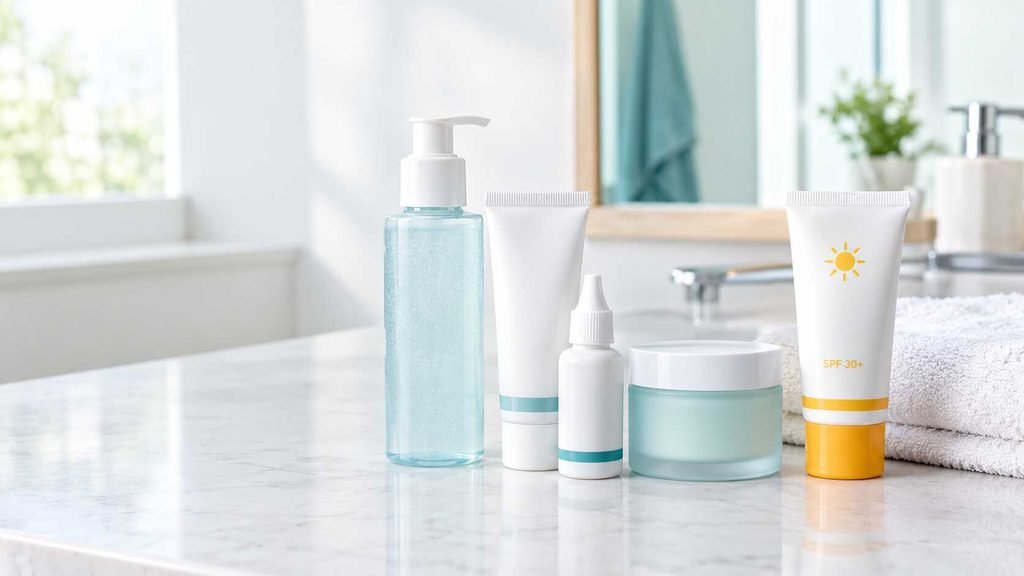
Start with one active ingredient at a time and follow the label. Using more than directed does not clear acne faster and can increase dryness, peeling, and burning. Stronger concentrations are not automatically better.
Safety note: Some acne treatments are not suitable during pregnancy. The AAD says most experts recommend stopping adapalene and tretinoin during pregnancy, and it notes that benzoyl peroxide and salicylic acid are generally considered safe in limited amounts but should be discussed with an obstetrician or dermatologist first. Anyone who is pregnant, planning pregnancy, or breastfeeding should check with a healthcare professional before starting any acne product. The AAD’s pregnancy guidance explains the options in more detail.
Tip 3: Moisturize Even If Your Skin Is Oily
It may feel backward to add moisturizer to oily, breakout-prone skin, but dryness is a common side effect of acne treatment. The AAD notes that benzoyl peroxide, salicylic acid, and retinoids tend to dry and irritate the skin, and that a daily moisturizer can help your skin tolerate them.
There is another reason to moisturize. The AAD explains that when skin becomes dry, the body can make more oil, and the extra oil may clog pores. A suitable moisturizer can help prevent that cycle.
Look for products labeled oil-free, non-comedogenic, or “won’t clog pores.” Apply moisturizer after washing, while your skin is still slightly damp, and use it after your acne treatment if your skin feels dry. If a product repeatedly stings or causes new breakouts, switch to a simpler formula.
Our guide to dry skin and skin barrier care explains how to protect the skin barrier while using active ingredients. The goal is to manage acne without stripping or irritating your skin.
Tip 4: Wear Sunscreen Every Day
Sun protection matters for everyone, and it matters even more if you use acne products. Some acne medications, including retinoids, can make skin more sensitive to ultraviolet (UV) light. The AAD recommends avoiding tanning beds and tanning, seeking shade, and wearing a broad-spectrum, water-resistant sunscreen with an SPF of 30 or higher on skin not covered by clothing.
Choose a formula labeled non-comedogenic, which means it is designed not to clog pores. Reapply as directed on the label, especially after swimming or heavy sweating. The AAD’s page on shade, clothing, and sunscreen offers practical guidance on choosing and using sunscreen.
Sunscreen may also help protect the dark marks left by healed pimples from becoming more noticeable, although more research is needed on how much it helps. It is important to be clear about what sunscreen does not do: it supports skin health, but it does not treat the underlying causes of acne.
Tip 5: Keep Your Hands Off Pimples
Picking, squeezing, and popping are tempting, but they usually backfire. According to the AAD, squeezing can push material deeper into the skin, increase inflammation, make acne more noticeable and painful, and raise the risk of infection and permanent scars. Touching your face throughout the day can also trigger flare-ups.
Here is what to do instead:
- Keep using your acne treatment consistently, since that is what clears breakouts.
- For a painful, deep pimple, the AAD notes that ice can help reduce inflammation and discomfort.
- Consider a hydrocolloid pimple patch on a small, surface-level pimple. These patches may help keep your fingers away and protect the area, but they do not treat every type of acne and will not help deep lesions.
- Leave deep nodules and cyst-like lesions to a dermatologist. The AAD says a dermatologist can use safe techniques such as extraction or a corticosteroid injection when appropriate.
A pimple that looks ready to pop is often more inflamed than it appears, and squeezing it can make it last longer.
Tip 6: Support Skin Health With a Balanced Diet
Food and acne is a topic with a lot of myths. Mayo Clinic notes that chocolate and greasy foods have little to no effect on acne, though it says studies indicate that carbohydrate-rich foods such as bread, bagels, and chips may worsen it in some people.
The research is mixed. The AAD reports that small studies suggest a low-glycemic diet, which limits foods that raise blood sugar quickly, may reduce acne, while other studies have not found a connection. Some studies have also linked cow’s milk to more breakouts, but the AAD says no studies have found that yogurt or cheese leads to more acne, and more research is needed overall. You can read the AAD’s summary of diet and acne for the full picture.
These findings do not justify blanket food bans. A more practical approach is to eat a varied, balanced pattern with plenty of vegetables, fruits, beans, whole grains, and other nutrient-dense foods. Our guide to what a healthy diet looks like is a good starting point, and nuts can be part of that pattern, as explained in our article on almonds and their health benefits.

If you suspect a food triggers your breakouts, the AAD suggests paying attention to patterns and noticing what happens when you cut that food for a while, rather than restricting many foods at once. No food or supplement cures acne. Diet can support overall health, but it should complement appropriate acne treatment, not replace it.
Tip 7: Manage Stress, Sleep Well, and Clean Up After Exercise
Daily habits will not cure acne on their own, but some can help your treatment work better or remove common triggers.
Sleep and stress. Mayo Clinic notes that stress does not cause acne but may worsen existing breakouts. Regular sleep supports overall health and helps you cope with stress, although evidence linking sleep directly to acne is limited. Our tips to improve sleep can help you build a more consistent routine.
Exercise. Working out does not require you to give up clear skin. The AAD explains that sweat, oil, and bacteria building up on the skin can contribute to acne, and recommends a few habits. Wear clean workout clothes, pat sweat away with a clean towel instead of rubbing, wipe down shared equipment, and avoid sharing helmets and pads when you can. Consider showering after your workout using a mild, oil-free cleanser. If you cannot shower, change out of sweaty clothes, and the AAD notes that wiping acne-prone areas with a salicylic acid pad can help prevent clogged pores. There are many benefits of regular exercise, so the aim is to keep moving while keeping skin clean.
Hair. The AAD notes that oil from your hair can cause breakouts on the forehead. If your hair is oily, shampoo more often and keep it off your face.
These habits fit into a broader set of healthy lifestyle habits. Still, persistent acne may need medication even when your habits are excellent.
How to Build a Simple Daily Acne Skincare Routine
A good acne routine is short and easy to repeat. Here is a simple template you can adjust for your skin type and the active ingredient you choose.
Morning
- Wash with a gentle cleanser.
- Apply your acne treatment, if the product directions or your clinician recommend morning use.
- Apply a lightweight, non-comedogenic moisturizer.
- Finish with broad-spectrum SPF 30 or higher sunscreen.
Evening
- Wash with a gentle cleanser to remove sunscreen, makeup, and sweat.
- Apply your acne treatment according to the product directions.
- Apply moisturizer to support the skin barrier.
Retinoids are usually applied in the evening, according to AAD dermatologists, while benzoyl peroxide can be used once or twice a day, as the NHS notes. Always follow your product’s label.
Do not start every product at once. Introduce one new active ingredient at a time, and wait a few weeks before adding another. Combining several potentially irritating products without guidance can lead to redness, peeling, and a damaged skin barrier. If your skin burns, swells, or peels heavily, stop the suspected product and ask a pharmacist or clinician for advice.
Common Acne Treatment Mistakes to Avoid
Even a well-chosen routine can be undone by a few common missteps.
- Washing or scrubbing too aggressively. Mayo Clinic notes that scrubbing the skin too hard or using harsh soaps irritates it and can make acne worse.
- Changing products every few days. The AAD warns that trying new treatments too often can irritate your skin and cause breakouts. Give each treatment time to work.
- Applying too much medication. More product does not mean faster results, and it increases the risk of dryness and irritation.
- Using DIY remedies. Toothpaste, lemon juice, and baking soda can irritate or burn the skin and are not recommended for acne. Natural does not automatically mean safer or more effective.
- Picking or squeezing pimples. It raises the risk of scars and dark marks.
- Using prescription medicines or antibiotics without supervision. Prescription treatments need monitoring, and taking antibiotics without guidance can contribute to antibiotic resistance.
Consistency and tolerability matter more than having a crowded bathroom shelf.
When Should You See a Dermatologist?
Home care is often appropriate for mild acne, but it is not always enough. Consider seeing a dermatologist or another healthcare professional if you have:
- Deep, painful nodules or cyst-like lesions.
- Acne that is leaving scars or lasting dark marks.
- Breakouts that persist despite consistent treatment. The AAD says that if you do not see results from over-the-counter treatment in about four to six weeks, a dermatologist can help.
- Widespread acne, or acne that causes significant distress, anxiety, or low confidence.
- Breakouts that began after starting a new medication, or that come with unusual symptoms.
Mayo Clinic adds that a sudden onset of severe acne in older adults may signal an underlying condition that needs medical attention. Early assessment can help reduce the risk of permanent scarring, so there is no need to wait until acne becomes severe. If you want to know what a clinician might offer, our guide to acne treatment options explains prescription and professional care.
Frequently Asked Questions About Acne
How long does it take to see results from acne treatment?
Most people need several weeks of consistent use. The AAD says it takes at least six to eight weeks before you start to see fewer breakouts, and some treatments take longer. Reassess your progress after a consistent trial rather than changing products every few days.
Can acne go away naturally?
Some mild acne improves over time, but persistent, painful, or scarring acne should not simply be left to run its course. The AAD notes that you do not have to wait for acne to clear on its own, and earlier treatment can reduce the risk of lasting marks.
Is it okay to moisturize acne-prone skin?
Yes. A non-comedogenic, oil-free moisturizer can reduce dryness and help your skin tolerate acne treatments, according to the AAD. Look for labels such as “won’t clog pores.”
Does oily skin mean you will always have acne?
No. Oily skin can contribute to clogged pores, but acne also involves blocked follicles, bacteria, inflammation, hormones, and genetics, as Mayo Clinic explains. Many people with oily skin do not have significant acne.
Can I use home remedies instead of acne medication?
Gentle cleansing, moisturizing, and other supportive habits can help, but they may not control acne on their own. Avoid irritating household substances such as toothpaste, lemon juice, and baking soda. If breakouts persist, ask a pharmacist or dermatologist about evidence-based treatments, such as those in the AAD’s acne treatment overview.
Conclusion
Managing acne at home works best when it is simple: a gentle cleanser, one well-chosen treatment, a suitable moisturizer, daily sunscreen, and patience. Introduce products gradually, give them enough time to work, and resist the urge to pick. Diet, sleep, stress management, and clean-up after exercise can support healthy skin, but they are not guaranteed cures.
If your breakouts are painful, persistent, or leaving scars, speaking with a dermatologist is a sensible next step. You can also explore CollectedMed’s guide to acne treatment options to learn what professional care can offer.
Sources
- American Academy of Dermatology. Acne: Tips for managing
- American Academy of Dermatology. Acne: Diagnosis and treatment
- American Academy of Dermatology. Moisturizer: Why you may need it if you have acne
- American Academy of Dermatology. Pimple popping: Why only a dermatologist should do it
- American Academy of Dermatology. Can the right diet get rid of acne?
- American Academy of Dermatology. Is your workout causing your acne?
- American Academy of Dermatology. Is any acne treatment safe to use during pregnancy?
- American Academy of Dermatology. Shade, clothing, and sunscreen
- NHS. Benzoyl peroxide: a medicine to treat acne
- Mayo Clinic. Acne: Symptoms and causes
Medical Disclaimer: This article is for general educational purposes and does not replace professional medical advice, diagnosis, or treatment. Acne treatments can cause side effects, and some are not safe during pregnancy or breastfeeding. Talk with a doctor, dermatologist, or pharmacist before starting, changing, or stopping any acne treatment, especially if you have severe or scarring acne, sensitive skin, or other health conditions.
1 thought on “How to Manage Acne at Home: 7 Dermatologist-Approved Tips That Work”
Comments are closed.