
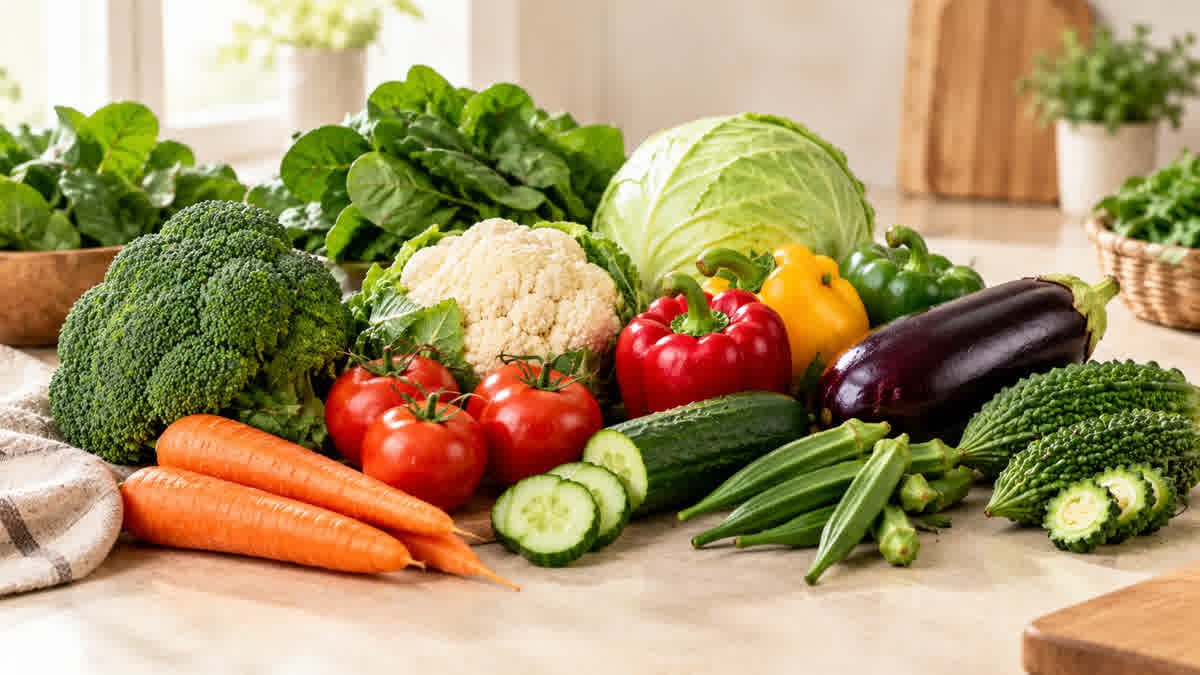

Choosing the right vegetables can make everyday meals more nutritious and easier to balance when you have diabetes. Non-starchy vegetables such as spinach, broccoli, cauliflower, cabbage, and peppers are especially useful because they provide fiber, vitamins, and minerals without adding as many carbohydrates as starchy vegetables. The American Diabetes Association (ADA) describes non-starchy vegetables as a food group where most people can satisfy their appetite.
Carbohydrate content and portion size still matter. According to the CDC’s carb choices lists, a serving of non-starchy vegetables contains about 5 grams of carbohydrate, while a typical serving of a starchy vegetable such as corn or peas contains about 15 grams. Both groups can have a place in a healthy eating pattern. The goal is to know the difference and plan accordingly.
This guide covers 15 vegetables worth including, along with practical serving ideas and cooking tips. It also explains how starchy vegetables fit into a meal plan and offers a sample day of meals. No single vegetable treats or controls diabetes, and individual blood sugar responses vary, so use this article as general education and work with your care team on a plan that suits you.
What Makes Vegetables Good for People With Diabetes?
Vegetables support diabetes management mainly through the role they play in an overall eating pattern. Here is what they offer.
Fiber. Fiber supports digestive health and can help moderate how quickly carbohydrate-containing meals affect blood glucose. Our guide to high-fiber foods for digestive health explains more.
Vitamins and minerals. Vegetables contribute nutrients such as folate, vitamin C, potassium, and vitamin K that support general health.
Lower carbohydrate density. Many non-starchy vegetables contain relatively few carbohydrates per serving, which makes them easy to add to meals in generous amounts.
Meal volume and variety. Vegetables can make meals satisfying without relying heavily on refined or highly processed foods. They also add color, texture, and flavor.
Heart health. A varied, plant-rich eating pattern supports broader cardiovascular goals, which matter because diabetes can raise heart disease risk. See our overview of heart-healthy foods.
Individual blood glucose responses differ, and no single vegetable independently treats or controls diabetes. The CDC and NIDDK both emphasize balanced meal planning, not any one “superfood.” For more on overall eating patterns, read our diabetes diet guide.
15 Best Vegetables for People With Diabetes
The ADA lists many of the vegetables below among its common non-starchy vegetables. A standard serving is generally half a cup cooked or one cup raw. Nutrient details come from general nutrition references, and you can check specific values in USDA FoodData Central.
1. Spinach
Spinach is a non-starchy leafy green that provides folate, vitamin K, and other micronutrients. The CDC notes that salad greens such as spinach contain so little carbohydrate that they are considered free foods. Eat it raw in salads or lightly cooked in soups, omelets, and vegetable curries. Light cooking reduces its volume, so you can eat more of it.
2. Broccoli
Broccoli offers fiber, vitamin C, and other nutrients with a modest carbohydrate load. It is a practical low-carbohydrate vegetable for everyday meals. Steam it, roast it, or add it to stir-fries, and skip heavy cream or cheese sauces that add saturated fat and sodium.
3. Cauliflower
Cauliflower works in soups, roasted dishes, curries, and as cauliflower rice. It can replace some higher-carbohydrate ingredients in certain recipes. It does not need to replace every grain or starchy food, since whole grains and legumes can also fit a balanced meal plan.
4. Cabbage
Cabbage provides fiber and vitamin C, and it is affordable and widely available. Use it raw in slaws and salads, lightly cooked in stir-fries, or simmered in vegetable soups. Red, green, and napa varieties all work well.
5. Bell Peppers
Bell peppers supply vitamin C and colorful plant compounds. Add slices to salads, egg dishes, grilled meals, or mixed vegetable preparations. They also make a crunchy snack with a protein-rich dip such as plain yogurt or hummus.
6. Okra
Okra is a familiar, practical choice in South Asian and many other cuisines. It contains fiber and cooks well in light stir-fries, soups, and curries. Choose methods that use a modest amount of oil, and avoid frying it in batter. Okra is a nutritious vegetable, but it should not be treated as a replacement for prescribed medicine.
7. Bitter Melon (Bitter Gourd)
Bitter melon, also called bitter gourd or karela, is a non-starchy vegetable used widely in traditional cooking. Research on its blood sugar effects is limited and inconsistent. A Cochrane review concluded there was insufficient evidence to recommend it for type 2 diabetes, and a meta-analysis found no significant effect on A1c or fasting glucose. Enjoy it as food, and talk with your clinician before using juice or extracts, which may add to the effect of diabetes medicines.
8. Green Beans
Green beans are a fiber-containing, non-starchy side dish with a satisfying texture. Steam them, sauté them with a modest amount of oil and garlic, or add them to mixed vegetable dishes. Fresh, frozen, and no-salt-added canned versions all work.
9. Eggplant (Aubergine)
Eggplant adds variety to a vegetable-rich diet and absorbs flavors well. Roast it, grill it, or cook it with moderate amounts of oil. Deep-frying and rich, heavy sauces can add substantial calories and saturated fat, so use them sparingly.
10. Tomatoes
Tomatoes provide vitamin C and lycopene, and they work in salads, soups, sauces, and curries. Plain tomatoes differ from sweetened or heavily salted processed products. Check labels on canned tomatoes, sauces, and ketchup for added sugar and sodium.
11. Cucumbers
Cucumbers are water-rich and generally low in carbohydrates. Use them in salads, as fresh sides, or in unsweetened cucumber-infused water. Cucumber water is a refreshing drink choice, but it is not a treatment for diabetes.
12. Carrots
Carrots contain beta-carotene and fiber, and the ADA includes them among its non-starchy vegetables. Many people believe those with diabetes must avoid carrots because they taste sweet. In reasonable portions, carrots can fit into a diabetes-friendly meal, raw or cooked.
13. Mushrooms
Mushrooms are a low-carbohydrate option that adds savory flavor and texture. Add them to soups, stir-fries, omelets, and vegetable dishes. Our article on the health benefits of mushrooms explains their nutrient profile.
14. Zucchini
Zucchini is versatile and relatively low in carbohydrates. Grill it, roast it, or add it to soups and vegetable stir-fries. Spiralized zucchini can also add volume to dishes that usually use more pasta.
15. Amaranth Leaves and Other Leafy Greens
Amaranth leaves (known in Bengali as lal shak or data shak) appear on the ADA’s list as “amaranth or Chinese spinach.” Locally available greens like these add variety and micronutrients to meals. Steam them or lightly sauté them with garlic and a small amount of oil.
See our guide to the health benefits of leafy green vegetables for more ideas.
Can People With Diabetes Eat Starchy Vegetables?
Yes, starchy vegetables are not automatically off-limits. They contain more carbohydrate per serving than most non-starchy vegetables, so portions matter. They also provide fiber, vitamins, and minerals. Johns Hopkins diabetes educators note that starchy vegetables do not need to be avoided and can fit into a meal plan.
Examples of Starchy Vegetables
Common starchy vegetables include:
- Potatoes and sweet potatoes
- Corn
- Green peas
- Winter squash (such as acorn or butternut)
According to the CDC’s carb choices lists, a half cup of corn or green peas counts as one carbohydrate choice (about 15 grams).
How to Include Them in Meals
Consider the serving size and total carbohydrates in the meal. Pair starchy vegetables with non-starchy vegetables and a source of protein. Boiling, steaming, or roasting with a modest amount of oil are practical preparation methods.
Avoid assuming that sweet potatoes are unlimited, or that white potatoes must always be avoided. Both count toward your carbohydrate intake. The CDC and ADA offer more guidance on meal planning, and a registered dietitian can help you set personal portion targets.
How to Prepare Vegetables for Better Diabetes Meal Planning
Small, realistic habits make it easier to eat more vegetables consistently.
Choose Fresh, Frozen, or Canned Vegetables
All three forms can be nutritious. The ADA’s Diabetes Food Hub explains that frozen and canned produce can be as nutritious as fresh, and often costs less and lasts longer.
Look for frozen or canned vegetables without added sauces, excess sodium, or added sugar. Drain and rinse regular canned vegetables to reduce sodium. Plain frozen vegetables are convenient for quick stir-fries and soups.
Use Healthier Cooking Methods
Steaming, boiling, roasting, grilling, and stir-frying with a modest amount of oil all work well. Flavor vegetables with garlic, ginger, lemon, herbs, and spices instead of heavy sauces. Limit deep-frying and rich sauces when they add substantial calories, saturated fat, or sodium. Our guide to olive oil benefits covers one common cooking fat.
Follow the Diabetes Plate Method
The plate method is a simple visual tool. Using a 9-inch plate, fill half with non-starchy vegetables, one-quarter with lean protein, and one-quarter with carbohydrate-containing foods. The CDC’s meal planning page describes this approach. The right balance may vary with your needs and medical advice.
Vegetables to Limit or Watch Portion Sizes For
The aim is not to eliminate vegetables. It is to understand how they differ nutritionally and plan around them.
- Large portions of potatoes: They can contribute substantial carbohydrate.
- Corn and peas: These nutritious foods count toward your carbohydrate intake.
- Deep-fried vegetables: Breading and frying oil change the overall nutritional profile.
- Vegetables in sugary sauces: Check labels for added sugar.
- Pickled or canned vegetables: Watch the sodium, especially if you also have high blood pressure. Our guide to high blood pressure explains why sodium matters.
Starchy vegetables can still be part of a balanced diabetes meal plan when portions are considered.
A Simple One-Day Diabetes-Friendly Vegetable Meal Plan
This is an example, not a prescribed diet. Adjust portions to your needs, preferences, medication, and glucose targets.
- Breakfast: Eggs or tofu scrambled with spinach and tomatoes, plus a suitable whole-grain option if desired.
- Lunch: Fish, chicken, tofu, or lentils with a salad of cabbage, cucumber, and leafy greens, plus a measured portion of rice or another carbohydrate food.
- Snack: Cucumber and carrot sticks, if they suit your preferences and meal plan.
- Dinner: A mixed vegetable curry with cauliflower, eggplant, or okra, served with protein and a portion of rice or whole grains.
Rice, lentils, and other carbohydrate-containing foods still contribute to total carbohydrate intake. If you use insulin or medicines that can cause low blood sugar, you may need individualized guidance on carbohydrate amounts and meal timing from your care team.
For broader background, see our guides to what makes a balanced diet and blood sugar.
Frequently Asked Questions
What are the best vegetables for people with diabetes?
Non-starchy vegetables such as leafy greens, broccoli, cauliflower, cabbage, peppers, and green beans are generally the best everyday choices. They provide fiber and nutrients with few carbohydrates per serving. Starchy vegetables can fit too when portions are planned. See the ADA’s list.
Which vegetables are lowest in carbohydrates?
Leafy greens like spinach, lettuce, and arugula are among the lowest. The CDC considers salad greens free foods, and other non-starchy vegetables average about 5 grams of carbohydrate per serving. Cucumbers, mushrooms, and zucchini are also relatively low.
Can people with diabetes eat carrots?
Yes, in reasonable portions. The ADA classifies carrots as a non-starchy vegetable. Their natural sweetness does not make them off-limits, though portion size still counts.
Are potatoes bad for people with diabetes?
No, but they are higher in carbohydrate than non-starchy vegetables. Johns Hopkins diabetes educators note that about half a cup of cooked potato is roughly 15 grams of carbohydrate. Control portions and pair potatoes with protein and non-starchy vegetables.
Is bitter gourd good for diabetes?
Bitter gourd is a nutritious vegetable, but research on its blood sugar effects is inconsistent. A Cochrane review found insufficient evidence to support it as a treatment. Do not use it in place of prescribed medicine, and ask your clinician about juice or supplements.
Can people with diabetes eat tomatoes every day?
Many people can include tomatoes daily as part of a varied diet, since they are low in carbohydrate and contain vitamin C and lycopene. Choose plain tomatoes or low-sodium, no-sugar-added products. Individual needs, including kidney health, may vary.
Are frozen vegetables good for people with diabetes?
Yes. The ADA’s Diabetes Food Hub says frozen produce can be just as nutritious as fresh. Choose plain varieties without sauces, added sugar, or excess sodium.
How many servings of vegetables should a person with diabetes eat daily?
There is no single target for everyone. Appetite, kidney health, medication, and overall diet all influence the right amount. A serving is generally half a cup cooked or one cup raw, and a dietitian can help set a goal for you.
Conclusion
The best vegetables for people with diabetes are mostly non-starchy options such as leafy greens, broccoli, cauliflower, cabbage, peppers, okra, and green beans. Starchy vegetables like potatoes, corn, and peas can also fit when portions and total carbohydrate intake are considered.
Practical preparation matters as much as the choice of vegetable. Steam, roast, or stir-fry with modest oil, and use the Diabetes Plate Method to keep meals balanced. Aim for a sustainable eating pattern, not reliance on a single “superfood,” and work with your healthcare team on the details.
Sources
- American Diabetes Association: Non-Starchy Vegetables
- CDC: Diabetes Meal Planning (Plate Method)
- CDC: Carb Choices, Starchy Foods and Non-Starchy Vegetables
- NIDDK: Diet, Eating, and Physical Activity for Diabetes
- ADA Diabetes Food Hub: Fresh Versus Frozen Fruits and Vegetables
- Johns Hopkins Diabetes Info: The Truth About Starchy Vegetables
- Cochrane: Momordica charantia for Type 2 Diabetes Mellitus
- Nutrition & Diabetes: The Effect of Bitter Melon in Patients With Diabetes (Systematic Review and Meta-Analysis)
- Memorial Sloan Kettering: Bitter Melon
- USDA FoodData Central
Medical Disclaimer: This article is for general educational purposes only and does not replace professional medical advice, diagnosis, or treatment. Nutrition needs and blood sugar responses differ from person to person. Always talk with your doctor, registered dietitian, or diabetes care team before changing your diet, medications, or monitoring routine. If you think you may have a medical emergency, call your local emergency number right away.