
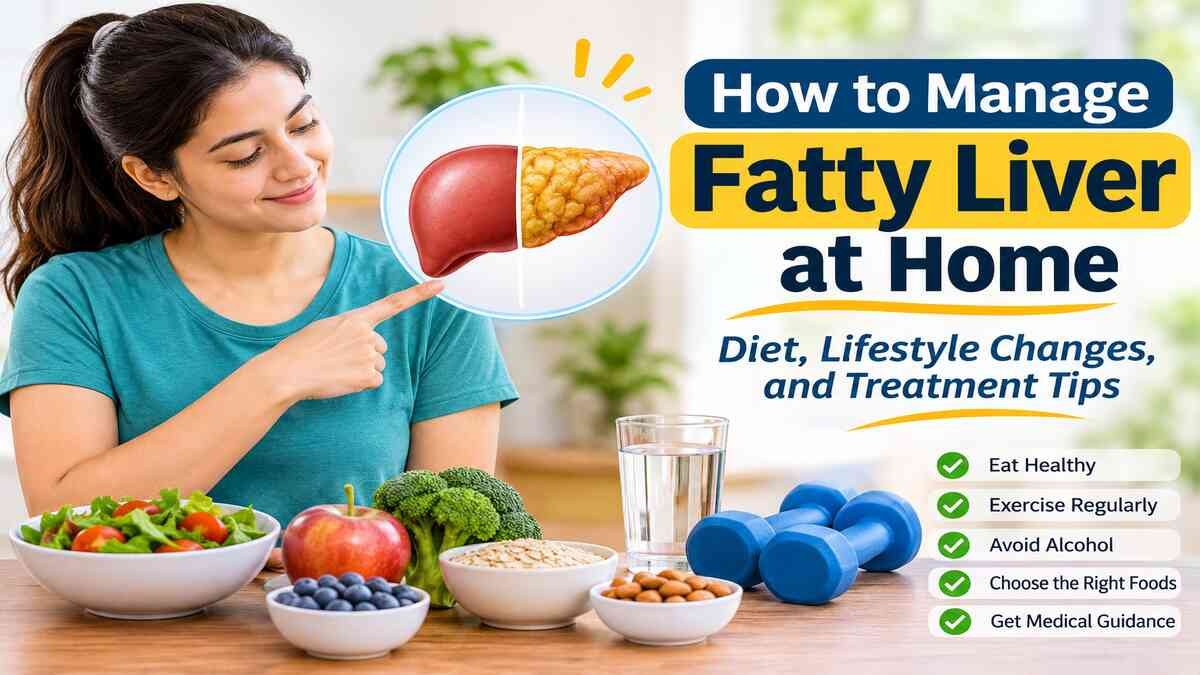

Fatty liver is a common condition in which excess fat builds up in liver cells. It often causes no symptoms, so many people first hear about it after a routine blood test or an imaging scan. A diagnosis can feel worrying, but it is also an opportunity to make changes that support long-term health.
For many people, everyday habits play a central role in managing the condition. A balanced diet, regular physical activity, limited alcohol, and good control of related conditions such as diabetes and high cholesterol can all help. These habits work best alongside regular medical follow-up, not in place of it.
This practical guide explains how to manage fatty liver at home, which foods to favor and limit, how exercise fits in, and when to see a doctor. The information is general and educational, so your own plan should come from your healthcare professional.
What Is Fatty Liver Disease?
Fatty liver disease occurs when too much fat accumulates in the liver. The liver normally contains a small amount of fat, but excess fat can build up when the body takes in or makes more than the liver can handle. The National Institute of Diabetes and Digestive and Kidney Diseases (NIDDK) notes that it usually causes few or no symptoms.
There are two main groups. Metabolic dysfunction-associated steatotic liver disease (MASLD), formerly called nonalcoholic fatty liver disease (NAFLD), is linked to metabolic factors such as excess weight and insulin resistance. Alcohol-associated liver disease is caused by alcohol use, and some people have features of both.
Fatty liver can range from simple fat buildup to a more serious form called metabolic dysfunction-associated steatohepatitis (MASH), formerly NASH. MASH involves inflammation and liver cell injury, and it can lead to scarring (fibrosis) over time. Because the condition is often silent, early recognition and medical evaluation matter.
For a broader look at the condition, see our guide to how common fatty liver is.
What Causes Fatty Liver?
Common Causes and Risk Factors
Fatty liver usually develops from a combination of factors rather than one cause. Common contributors include:
- Insulin resistance and type 2 diabetes
- High cholesterol and elevated triglycerides
- Metabolic syndrome and abdominal fat
- Excessive alcohol consumption
- Certain medications and medical conditions
- Family history and genetic factors
- Diets with frequent sugary drinks and highly processed foods
Fatty liver can also affect people who do not have obesity. Genetics, abdominal fat, and metabolic health all play a part, which is why weight alone cannot tell whether someone has it. You can read more in our article on fatty liver risk factors.
Can You Manage Fatty Liver at Home?
Yes, in part. Lifestyle changes are an important part of managing fatty liver, and many of them can be done at home. A balanced diet and regular physical activity are the foundation, according to NIDDK and the EASL, EASD, and EASO clinical practice guidelines.
Home management supports medical care and does not replace it. The right approach depends on the cause and severity of your condition. Someone with simple fat buildup needs a different plan than someone with significant scarring.
Early-stage fatty liver may improve with lifestyle changes, but this is not guaranteed, and no home remedy cures it. Advanced liver disease requires professional supervision. Some adults with MASH and moderate to advanced fibrosis may also qualify for prescription medication, which we cover in our guide to fatty liver treatment options.
10 Ways to Manage Fatty Liver at Home
The tips below are general strategies. Adapt them to your health, preferences, and your clinician’s advice.
1. Follow a Balanced, Liver-Friendly Diet
Balanced nutrition supports metabolic health, which in turn supports the liver. Aim for a varied pattern that includes vegetables, fruits, whole grains, legumes, nuts, and suitable protein sources. NIDDK recommends replacing saturated and trans fats with unsaturated fats, as explained on its diet and nutrition page.
A Mediterranean-style eating pattern is often suggested because it has evidence of benefit for liver fat. Consistency matters more than strict dieting, so choose changes you can keep up for years.
2. Reduce Sugary Drinks and Added Sugar
Frequent intake of sugar-sweetened drinks is linked to weight gain and metabolic problems, which can add to liver fat. This includes soft drinks, sweetened juices, energy drinks, and sweetened coffee or tea drinks.
Water and unsweetened beverages make easy everyday swaps. Check food labels for added sugars, which often appear in sauces, cereals, and yogurts.
3. Choose Healthy Sources of Protein
Protein helps maintain muscle and supports normal body functions. Good options include fish, eggs, beans, lentils, and poultry. Our guide to high-protein foods has more ideas.
Your needs depend on your health, activity level, and any kidney or other conditions, so ask your healthcare professional if you are unsure.
4. Include More Fiber-Rich Foods
Fiber supports digestion and helps with blood sugar and weight control. Good sources include vegetables, whole grains, legumes, and whole fruits. See our list of high-fiber foods for more.
Choose whole fruit over juice, and favor variety. No single “liver-cleansing” food does the job on its own.
5. Stay Physically Active
Regular activity can reduce liver fat, and benefits may occur even without large changes in body weight. Walking, cycling, swimming, and recreational sports all count. Choose activities that suit your fitness level.
Most adults can aim for at least 150 minutes of moderate-intensity activity per week, when medically appropriate, as the Mayo Clinic and other groups suggest. Our guide to walking for health is a gentle place to begin.
6. Avoid Alcohol or Discuss It With Your Doctor
Alcohol can injure the liver and add to fat buildup. Avoiding it is especially important for people with alcohol-associated liver disease or advanced liver disease.
If you have any type of fatty liver, talk with your healthcare professional about whether and how much alcohol is appropriate for you. No amount is universally safe.
7. Limit Highly Processed and Fried Foods
Foods high in saturated fat, trans fat, added sugar, and calories can make weight and metabolic health harder to manage. Examples include frequent fast food, packaged snacks, and deep-fried dishes.
Practical swaps help more than strict bans. Try baking instead of frying, choosing fruit instead of pastries, or cooking with healthy fats such as olive oil.
8. Maintain Healthy Sleep Habits
Sleep affects metabolic health and overall well-being. Try to keep a regular sleep schedule and limit habits that interfere with rest, such as late caffeine or heavy evening meals. Our guide on how to improve sleep has practical ideas.
Obstructive sleep apnea is associated with fatty liver, so talk with a healthcare professional if you snore heavily, wake unrefreshed, or have persistent sleep problems.
9. Avoid Unverified Liver Detox Products
Liver detox drinks, herbal mixtures, and unregulated supplements are not proven treatments for fatty liver. Some herbal products and supplements can cause liver injury. Always check with your doctor before using any supplement, and read our article on safe ways to support a fatty liver.
10. Follow Your Medical Monitoring Plan
Regular visits help your care team track your progress. They may recommend liver blood tests, imaging, and noninvasive checks for scarring, such as FIB-4 or elastography. Normal liver enzymes do not rule out scarring, so follow-up testing matters.
Also keep up with related conditions. Managing type 2 diabetes and high cholesterol, and taking prescribed medicines as directed, supports both liver and heart health.
Best Foods to Eat for Fatty Liver
No single food cures fatty liver. The overall eating pattern matters more than any one ingredient. The foods below can fit into a balanced plan.
| Food group | Examples | Why include them? |
|---|---|---|
| Vegetables | Spinach, broccoli, carrots | Provide fiber and nutrients |
| Whole fruits | Apples, berries, oranges | Provide fiber and vitamins |
| Whole grains | Oats, brown rice, whole-wheat bread | Support a fiber-rich diet |
| Legumes | Lentils, chickpeas, beans | Provide plant protein and fiber |
| Healthy fats | Nuts, seeds, olive oil | Provide unsaturated fats |
| Protein sources | Fish, eggs, poultry | Support normal muscle function |
For more detail, see our guides to leafy greens and fatty fish. Portion sizes still count, because extra calories from even healthy foods can add up.
Foods and Drinks to Limit With Fatty Liver
The goal is to reduce how often you have these items, not to create fear around food. Occasional treats can fit into a healthy life.
Sugary Beverages
Soft drinks, sweetened fruit drinks, and energy drinks add sugar and calories without making you feel full.
Highly Processed Foods
Packaged snacks, fast food, and processed meats are often high in salt, sugar, and unhealthy fats.
Foods High in Unhealthy Fats
Deep-fried foods, foods high in saturated fat, and products with trans fats can worsen cholesterol and metabolic health.
Excessive Added Sugar
Desserts, sweetened breakfast products, and sugar-heavy packaged foods can raise calorie intake and blood sugar.
Does Exercise Help Reduce Fatty Liver?
Yes, exercise can help. Physical activity improves insulin sensitivity and can lower liver fat, even when weight loss is modest. Aerobic activities such as brisk walking, cycling, and swimming are well studied, and strength training may add benefits for metabolic health. You can learn more about the benefits of exercise on our site.
Consistency matters more than extreme routines. Beginners can start with short daily walks, take the stairs, or add a few minutes of movement after meals, then build up gradually.
The general adult guideline is at least 150 minutes of moderate-intensity activity per week. Treat it as a helpful reference, not a requirement for everyone. If you have heart disease, joint problems, or other medical limits, ask your healthcare professional for exercise advice first.
How Long Does It Take to Improve Fatty Liver?
There is no set timeline. Improvement depends on how severe the condition is, what is causing it, and how consistently you follow your plan. Some people see better liver test results after months of steady changes, while others take longer or need additional treatment.
How you feel is not a reliable guide, because fatty liver often has no symptoms to improve. Only follow-up tests and a medical evaluation can show whether your liver is getting better. Do not expect any guaranteed recovery date.
When Should You See a Doctor for Fatty Liver?
See a healthcare professional if you have any of the following:
- Persistent fatigue or unexplained abdominal discomfort
- Abnormal liver blood test results
- A fatty liver diagnosis that has not had follow-up
- Diabetes, high cholesterol, or other related conditions
Some signs may point to advanced liver disease and need prompt medical assessment. These include yellowing of the skin or eyes (jaundice), swelling in the abdomen or legs, and unusual confusion. Severe or sudden symptoms, such as vomiting blood, black stools, or severe abdominal pain, require urgent care.
Frequently Asked Questions About Fatty Liver
1. Can fatty liver be reversed naturally?
Early-stage fatty liver may improve with lifestyle changes such as a healthier diet, regular activity, and gradual weight loss when appropriate. Outcomes depend on the cause and severity, and monitoring is still important, as NIDDK explains.
2. What is the best drink for fatty liver?
Water and other unsweetened drinks are practical everyday choices because they avoid added sugar. No drink has been proven to cure fatty liver.
3. Is walking good for fatty liver?
Yes. Regular walking counts as moderate physical activity and supports metabolic health, which can help reduce liver fat. Build up gradually and choose a pace that suits you.
4. Can I eat eggs if I have fatty liver?
Eggs can fit into a balanced diet for many people. If you have high cholesterol, diabetes, or other conditions, check with your healthcare professional, and see our guides on eating eggs every day and eggs and high cholesterol.
5. Does fatty liver cause symptoms?
Often not, especially in the early stages. Many people learn they have it from blood tests or imaging done for another reason, according to NIDDK.
6. Can fatty liver become serious?
In some people, yes. Fatty liver can progress to inflammation (MASH), fibrosis, cirrhosis, and other complications, although many people do not progress. Regular monitoring helps catch changes early.
Final Thoughts on Managing Fatty Liver at Home
Managing fatty liver comes down to steady, realistic habits. A balanced diet, regular physical activity, and limiting alcohol can support liver health. Liver detox products and unproven home remedies should not replace medical care.
Regular monitoring lets your healthcare team see how you are doing and adjust your plan. Talk with a qualified healthcare professional about an approach that fits you. Small, sustainable changes add up over time and can support your long-term health.
Sources
- NIDDK: Treatment for NAFLD and NASH
- NIDDK: Eating, Diet, and Nutrition for NAFLD and NASH
- NIDDK: Symptoms and Causes of NAFLD and NASH
- EASL, EASD, EASO: Clinical Practice Guidelines on the Management of MASLD (Journal of Hepatology, 2024)
- Mayo Clinic: Fatty Liver Disease (MASLD), Symptoms and Causes
Medical Disclaimer: This article is for general education only and does not replace advice from a doctor or other qualified healthcare professional. Fatty liver affects people differently, so your plan should be based on your own diagnosis, test results, and medical history. Talk with your healthcare provider before changing your diet, exercise, medications, or supplements. Seek medical care promptly if you notice yellowing of the skin or eyes, swelling in the belly or legs, confusion, or severe abdominal pain.
2 thoughts on “How to Manage Fatty Liver at Home: Diet, Lifestyle Changes, and Treatment Tips”
Comments are closed.