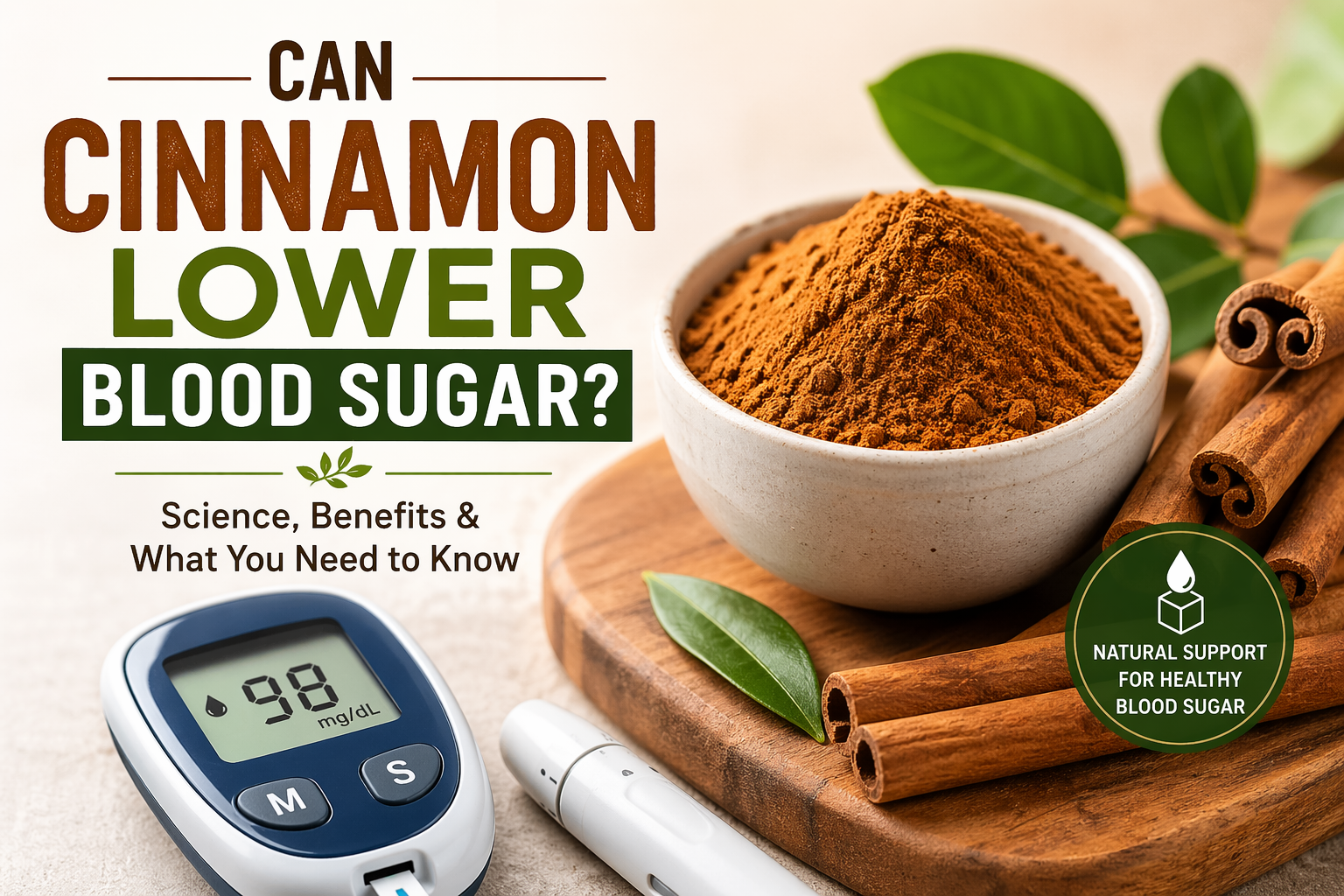
For centuries, cinnamon has been a prized spice in kitchens and apothecary cabinets alike. Beyond its warm, comforting aroma, it has long been whispered about as a natural remedy for metabolic health. But in a world of “superfood” hype, it is essential to ask: can cinnamon lower blood sugar, or is this just another sweet-smelling myth?
Managing glucose is a daily balancing act. When your body struggles to process sugar, every meal can feel like a potential risk. The idea that a common household spice could offer support is incredibly appealing, especially for the millions of people looking for cinnamon benefits for diabetics. However, using cinnamon effectively requires more than just sprinkling it on your morning oatmeal.
In this guide, we will examine the scientific evidence cinnamon blood sugar connection. We will explore how this spice interacts with your cells, the critical differences between the types of cinnamon available, and the practicalities of how to use cinnamon for blood sugar control. Whether you are living with prediabetes or Type 2 diabetes, you will discover how to incorporate this spice into your routine safely and effectively.
Can cinnamon lower blood sugar?
Research suggests that cinnamon may help lower fasting blood sugar and improve cinnamon insulin sensitivity. It works by mimicking the effects of insulin and increasing glucose transport into cells. While cinnamon for diabetes is a helpful supplement, it should support—not replace—standard medical treatment and lifestyle changes.
The Biology: How Cinnamon Mimics Insulin
To answer the question, “does cinnamon reduce blood sugar levels?” we need to look at its molecular components. Cinnamon contains bioactive compounds, specifically polyphenols, that appear to act on the insulin receptors on your cell surfaces.
When you have insulin resistance, your cells “ignore” the signal to let sugar in. Cinnamon helps by increasing the activity of these receptors. In some cases, it can even mimic insulin itself, allowing glucose to enter cells even when your body’s natural insulin is struggling. This dual action makes it a fascinating tool for cinnamon insulin sensitivity improvement.
Furthermore, cinnamon has been shown to slow down the rate at which the stomach empties after a meal. By keeping food in the stomach longer, it prevents the rapid absorption of carbohydrates, leading to a much flatter glucose curve.
The Great Cinnamon Debate: Ceylon vs. Cassia
Not all cinnamon is created equal, and choosing the best type of cinnamon for diabetes is the most important safety decision you will make.
Cassia Cinnamon (The Common Kind)
This is the dark, strong-smelling spice found in most grocery stores. While most studies on blood sugar have used Cassia, it contains a compound called coumarin. In high doses, coumarin can be toxic to the liver.
Ceylon Cinnamon (The “True” Cinnamon)
Ceylon is lighter, sweeter, and significantly more expensive. Most importantly, it contains trace amounts of coumarin, making it much safer for long-term, daily use.
| Feature | Cassia Cinnamon | Ceylon Cinnamon |
| Origin | China/Indonesia | Sri Lanka |
| Coumarin Content | High (Potentially toxic) | Trace (Very safe) |
| Primary Use | Baking / Commercial | Therapeutic / Supplements |
| GI Support | Well-researched | Emerging research |
Real-World Insight: The Power of the Supplement
“I started adding Ceylon cinnamon to my morning protein shake after my doctor mentioned my fasting numbers were creeping up. While I also cleaned up my diet, the cinnamon seemed to help my levels stay much steadier throughout the morning. It’s a small, tasty ritual that makes me feel proactive.” — Metabolic Health Patient
How Much Cinnamon Should I Take for Blood Sugar?
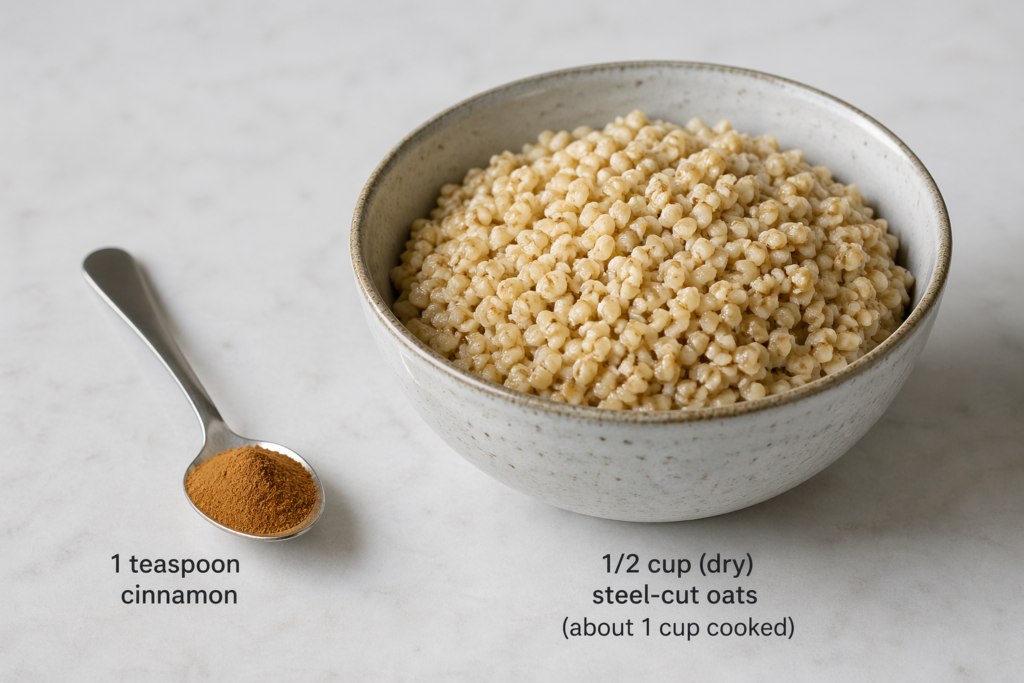
Determining the correct how much cinnamon should I take for blood sugar depends on the form you choose. Most clinical trials have focused on doses ranging from 1 to 6 grams per day (about 0.5 to 2 teaspoons).
However, more is not always better. For most individuals, taking 1 gram (about half a teaspoon) of Ceylon cinnamon daily is enough to see metabolic benefits without risking digestive upset. If you are using Cassia, you should strictly limit your intake to no more than half a teaspoon per day to avoid coumarin toxicity.
Is Cinnamon Safe for Diabetics Daily?
While the answer to “is cinnamon safe for diabetics daily” is generally yes, there are specific caveats.
- Liver Health: If you have existing liver issues, you must avoid Cassia cinnamon and opt only for Ceylon.
- Blood Thinners: Cinnamon can have a mild blood-thinning effect. If you are on medications like Warfarin, talk to your doctor first.
- Hypoglycemia Risk: Because cinnamon works effectively, it can enhance the effects of your diabetes medication. This might cause your blood sugar to drop too low if you aren’t monitoring it closely.
Final Verdict:
The evidence regarding can cinnamon lower blood sugar is promising but requires a nuanced approach. Scientific studies consistently show that cinnamon can reduce fasting blood glucose levels by 10% to 24% and improve cinnamon insulin sensitivity by enhancing the way cells respond to the insulin “key.”
It also slows gastric emptying, which buffers post-meal spikes. However, it is vital to distinguish between types: Ceylon cinnamon is the “true” version and is safer for daily use because it lacks the liver-toxic coumarin found in the more common Cassia variety. While cinnamon is a valuable “bio-hack” for metabolic health, it cannot replace a balanced diet, exercise, or prescribed medication.
For those managing diabetes, cinnamon should be viewed as a safe, supportive addition to a broader health strategy. Always consult your healthcare provider before starting high-dose supplementation, as it may necessitate adjustments to your existing medication to prevent hypoglycemia.
Frequently Asked Questions (FAQ)
How to use cinnamon for blood sugar control?
The easiest way is to stir half a teaspoon into coffee, yogurt, or oatmeal. You can also take it in capsule form, but ensure the supplement specifically lists “Ceylon cinnamon” to avoid potential liver toxicity from coumarin.
What is the best time to take cinnamon for diabetes?
Taking cinnamon with a carbohydrate-heavy meal is often most effective, as it helps slow down the digestion of starches. Some people also find benefit in taking it with breakfast to set a steady tone for the day.
Can cinnamon replace my metformin or insulin?
Absolutely not. Cinnamon is a dietary supplement, not a medical replacement. While it can support cinnamon benefits for diabetics, stopping your medication without professional guidance is extremely dangerous and can lead to severe health complications.
Does cinnamon work for everyone?
Results vary. Factors like genetics, the type of cinnamon used, and your overall diet play a role. Some studies show significant drops in glucose, while others show minimal change. Consistency over 8–12 weeks is key.
Are there side effects to taking cinnamon daily?
When using Ceylon cinnamon in moderate amounts, side effects are rare. However, excessive amounts of Cassia cinnamon can cause liver damage, mouth sores, or low blood sugar (hypoglycemia) if taken with other glucose-lowering drugs.
Is cinnamon better than apple cider vinegar for sugar?
They work through different mechanisms. ACV primarily blocks starch-breaking enzymes, while cinnamon focuses more on mimicking insulin. Many people use both as part of a comprehensive, diabetes-friendly diet strategy for maximum stability.
Spice Up Your Routine
Are you ready to see how can cinnamon lower blood sugar for you? Start small. Replace the sugar in your morning coffee or tea with a dusting of Ceylon cinnamon. Not only does it provide a natural sweetness, but it also begins the process of supporting your insulin receptors.
For more deep dives into natural glucose management, check out our guides on how to use apple cider vinegar for diabetes and our low glycemic foods list.
Sources & References
- Costello, R. B., et al. (2016). “Do Cinnamon Supplements Have a Role in Glycemic Control in Type 2 Diabetes?” Journal of the Academy of Nutrition and Dietetics.
- Khan, A., et al. (2013). “Cinnamon Improves Glucose and Lipids of People With Type 2 Diabetes.” Diabetes Care.
- National Center for Complementary and Integrative Health (2024). “Cinnamon: What You Need to Know.” [nccih.nih.gov]
- Anderson, R. A. (2015). “Chromium and polyphenols from cinnamon improve insulin sensitivity.” Proceedings of the Nutrition Society.
Editorial Review
Reviewed By: Our Health & Nutrition Editorial Team
This article has been peer-reviewed to ensure all scientific claims regarding cinnamon for diabetes are accurate and reflect current 2026 medical standards.
Disclaimer
The information provided is for educational purposes only and is not a substitute for professional medical advice. Always consult your physician before adding new supplements to your routine, especially if you take blood-sugar-lowering medication.