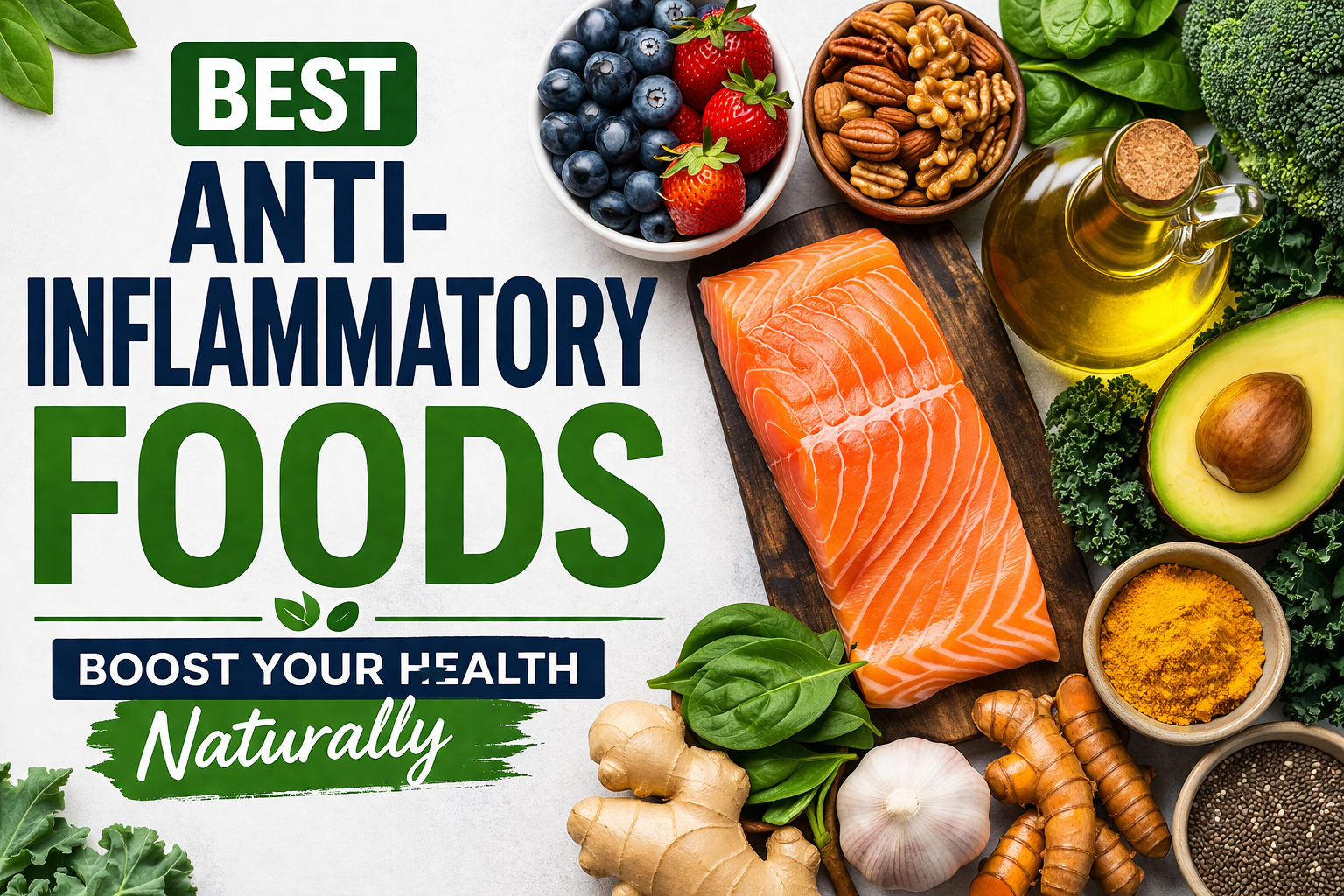
Inflammation is a natural defense mechanism that helps the body heal from injury and infection. However, when inflammation becomes chronic, it can quietly damage tissues and increase the risk of serious health problems.
Research shows that chronic inflammation plays a role in many major diseases, including heart disease, type 2 diabetes, and autoimmune disorders. Instead of protecting the body, long-term inflammation creates ongoing cellular stress that gradually affects overall health.
One of the most powerful ways to manage inflammation is through diet. Studies in nutritional science show that certain anti-inflammatory foods can help reduce inflammatory signals, support immune balance, and promote long-term health.
In this guide, you will discover an evidence-based list of anti-inflammatory foods, learn how these foods help reduce inflammation naturally, and find practical ways to include them in your daily diet to support heart health, joint health, and overall wellness.
What is Inflammation?
Inflammation is the body’s natural immune response to injury, infection, or harmful substances. Short-term (acute) inflammation supports healing, but long-term (chronic) inflammation can increase the risk of conditions like heart disease, diabetes, and arthritis. Research suggests that anti-inflammatory foods rich in antioxidants and omega-3 fatty acids may help lower inflammation markers such as C-reactive protein (CRP).
Key Takeaways
- The Goal is Balance: You aren’t trying to “eliminate” inflammation, but rather prevent it from becoming chronic.
- Nutrient Synergy: Whole foods provide a complex matrix of polyphenols that work better together than isolated supplements.
- Reduction of Triggers: Success requires adding “good” foods while simultaneously reducing “pro-inflammatory” triggers like refined sugars.
- Measurable Change: Consistently eating these foods can lower clinical markers such as CRP, IL-6, and TNF-alpha.
How Anti-Inflammatory Foods Work
When you eat anti-inflammatory fruits and vegetables, you are introducing bioactive compounds that interfere with inflammatory pathways.
- Inhibiting Cytokines: Nutrients like Omega-3s inhibit the production of pro-inflammatory cytokines (signaling proteins).
- Neutralizing Oxidative Stress: Antioxidants prevent free radicals from damaging cell membranes, a process that otherwise triggers an immune response.
- Gene Expression: Polyphenols can actually signal your genes to downregulate the “on-switch” for inflammation.
11 Best Anti-Inflammatory Foods (Science-Backed)
To build a high-performance diet, prioritize these eleven foods. We have included serving sizes and clinical benefits for each.
1. Fatty Fish (Salmon, Sardines, and Mackerel)
Fatty fish are among the most powerful anti-inflammatory foods because they are rich in long-chain omega-3 fatty acids, particularly EPA (eicosapentaenoic acid) and DHA (docosahexaenoic acid).
Scientific Evidence
Research shows that omega-3 fatty acids help reduce inflammatory markers such as CRP and IL-6. Multiple clinical studies have linked regular fatty fish consumption to lower inflammation, improved cardiovascular health, and reduced symptoms of rheumatoid arthritis.
Recommended Serving
- 2 servings per week
- Approximately 4 ounces per serving
Health Benefits
- Supports heart health
- Reduces joint stiffness and pain
- Enhances brain function
- May lower the risk of chronic inflammatory diseases
Best Ways to Eat It
Grill salmon with herbs, add sardines to salads, or prepare baked mackerel with olive oil and lemon.
2. Berries (Blueberries, Strawberries, and Raspberries)
Berries are packed with fiber, vitamins, and antioxidants known as anthocyanins that help fight oxidative stress and inflammation.
Scientific Evidence
Studies suggest that anthocyanins may enhance immune regulation by supporting Natural Killer (NK) cell activity and reducing inflammatory stress in the body.
Recommended Serving
- 1 cup daily
- Fresh or frozen varieties both provide benefits
Health Benefits
- Supports cognitive and brain health
- Promotes metabolic function
- Helps reduce oxidative stress
- May improve insulin sensitivity
Best Ways to Eat It
Add berries to smoothies, oatmeal, yogurt, or consume them as a healthy snack.
3. Leafy Greens (Spinach, Kale, and Swiss Chard)
Leafy green vegetables are nutrient powerhouses loaded with vitamin K, chlorophyll, antioxidants, and compounds such as sulforaphane.
Scientific Evidence
Research indicates that compounds found in leafy greens may help block enzymes associated with inflammation and joint tissue damage.
Recommended Serving
- 2 cups raw daily
- Or 1 cup cooked greens
Health Benefits
- Supports immune health
- Reduces systemic inflammation
- Promotes bone strength
- Protects against oxidative stress
Best Ways to Eat It
Use spinach in smoothies, sauté kale with garlic, or prepare mixed green salads with olive oil dressing.
4. Walnuts
Walnuts are one of the best plant-based sources of alpha-linolenic acid (ALA), a type of omega-3 fatty acid.
Scientific Evidence
Clinical studies have shown that ALA may help lower inflammatory markers such as TNF-α and support cardiovascular health.
Recommended Serving
- 1 ounce daily
- Roughly one handful
Health Benefits
- Supports gut health
- Improves heart function
- Provides antioxidant protection
- May support healthy aging
Best Ways to Eat It
Add chopped walnuts to salads, yogurt, oatmeal, or homemade trail mix.
5. Extra Virgin Olive Oil (EVOO)
Extra virgin olive oil is a foundational component of the Mediterranean diet and contains a powerful anti-inflammatory compound called oleocanthal.
Scientific Evidence
Research suggests that oleocanthal may act similarly to certain anti-inflammatory medications by inhibiting inflammatory pathways in the body.
Recommended Serving
- 1–2 tablespoons daily
- Best used as a finishing oil rather than high-heat frying
Health Benefits
- Protects blood vessel health
- Supports cardiovascular function
- Reduces oxidative stress
- May lower chronic disease risk
Best Ways to Eat It
Drizzle EVOO over salads, roasted vegetables, soups, or whole-grain dishes.
6. Tomatoes
Tomatoes are rich in vitamin C, potassium, and lycopene, a potent antioxidant linked to reduced inflammation.
Scientific Evidence
Studies suggest lycopene may reduce pro-inflammatory compounds associated with metabolic syndrome and cardiovascular disease.
Recommended Serving
- 1 cup daily
- Cooked tomatoes with healthy fats improve lycopene absorption
Health Benefits
- Supports heart health
- May reduce prostate cancer risk
- Helps combat oxidative damage
- Supports skin health
Best Ways to Eat It
Use cooked tomatoes in soups, sauces, or roasted vegetable dishes with olive oil.
7. Turmeric
Turmeric is a golden-yellow spice widely recognized for its active compound, curcumin, which has strong anti-inflammatory properties.
Scientific Evidence
Research has shown that curcumin may help reduce inflammation and support joint health. Some studies suggest effects comparable to certain anti-inflammatory medications, although absorption can vary.
Recommended Serving
- 1/2 to 1 teaspoon daily
- Combine with black pepper to improve absorption significantly
Health Benefits
- Supports joint and muscle recovery
- May reduce arthritis symptoms
- Helps combat oxidative stress
- Supports brain health
Best Ways to Eat It
Add turmeric to soups, curries, smoothies, or golden milk beverages.
8. Ginger
Ginger contains bioactive compounds known as gingerols and shogaols that help regulate inflammation.
Scientific Evidence
Studies indicate that ginger compounds may inhibit inflammatory prostaglandins and reduce muscle soreness after exercise.
Recommended Serving
- 1 teaspoon fresh grated ginger daily
- Or 2 cups of ginger tea
Health Benefits
- Supports digestive health
- Helps reduce nausea
- May relieve muscle pain
- Supports immune function
Best Ways to Eat It
Use fresh ginger in teas, stir-fries, soups, or smoothies.
9. Green Tea
Green tea is rich in antioxidants and polyphenols, particularly EGCG (epigallocatechin gallate).
Scientific Evidence
Research suggests that EGCG may reduce cytokine production, protect cells from damage, and support heart and brain health.
Recommended Serving
- 2–3 cups daily
Health Benefits
- Supports metabolic health
- Promotes healthy aging
- Protects brain function
- May aid weight management
Best Ways to Drink It
Choose unsweetened green tea and avoid excessive sugar or artificial additives.
10. Dark Chocolate (70% Cocoa or Higher)
High-quality dark chocolate contains cocoa flavanols, which are powerful antioxidants that help combat inflammation.
Scientific Evidence
Studies have found that dark chocolate may improve endothelial function and reduce CRP levels when consumed in moderation.
Recommended Serving
- 1 ounce daily
- Choose low-sugar varieties with at least 70% cocoa
Health Benefits
- Supports heart health
- May improve mood
- Helps regulate blood pressure
- Provides antioxidant support
Best Ways to Eat It
Enjoy a small portion as a dessert or pair it with berries and nuts for added nutritional benefits.
11. Avocados
Avocados provide healthy monounsaturated fats, carotenoids, fiber, and vitamin E compounds known as tocopherols.
Scientific Evidence
Research suggests avocados may help reduce inflammatory responses, even when consumed with foods that typically promote inflammation.
Recommended Serving
- Half an avocado daily
Health Benefits
- Supports skin health
- Promotes sustained energy
- Helps support heart health
- Encourages healthy digestion
Best Ways to Eat It
Add avocado to salads, toast, smoothies, or grain bowls.
Anti-Inflammatory Foods by Health Condition
| Goal | Best Choices | How Often |
| Joint Pain / Arthritis | Turmeric + Pepper, Fatty Fish | Daily (Spice), 2x Week (Fish) |
| Gut Health | Walnuts, Berries, Leafy Greens | Daily Rotation |
| Heart Health | EVOO, Tomatoes, Almonds | 1-2 tbsp (Oil), Daily (Nuts) |
| Brain / Mood | Green Tea, Dark Chocolate | 2-3 Cups (Tea), 1 oz (Choco) |
Foods That Cause Inflammation: What to Limit
A natural anti-inflammatory diet is as much about what you exclude as what you include. Chronic inflammation is often triggered by “pro-inflammatory” dietary choices:
- Refined Sugars: Soda and candy trigger an immediate release of pro-inflammatory messengers.
- Ultra-Processed Foods: These often contain trans fats and excessive sodium, which irritate the gut lining and trigger immune responses.
- Refined Carbs: White flour spikes blood sugar and insulin, driving systemic inflammation.
Frequently Asked Questions (FAQ)
1. What are the most powerful anti-inflammatory foods?
Turmeric (with black pepper), fatty fish, and dark leafy greens are often considered the most “potent” due to their high concentration of specific anti-inflammatory compounds like curcumin and Omega-3s.
2. How quickly can diet reduce inflammation?
While some benefits (like improved digestion) can be felt within days, systemic changes in blood markers typically take 3 to 6 weeks of consistent dietary changes.
3. Are bananas anti-inflammatory?
Yes. Bananas contain rutin and Vitamin C, both of which have antioxidant properties. They are also a good source of prebiotic fiber, which supports a healthy gut.
4. Can I follow an anti-inflammatory diet daily?
Absolutely. Unlike restrictive fad diets, an anti-inflammatory approach is a sustainable lifestyle focused on high-quality whole foods. It is safe and recommended for long-term health.
5. Is coffee anti-inflammatory?
In moderation, yes. Coffee contains polyphenols and other antioxidant compounds that have been shown to reduce inflammatory markers in some individuals.
6. Does sugar cause immediate inflammation?
Consumption of high amounts of refined sugar can cause a temporary “spike” in inflammatory markers and blood sugar, which is why chronic sugar intake is so damaging.
Conclusion: Start Small for Big Results
Chronic inflammation doesn’t happen overnight, and neither does healing. However, by populating your plate with anti-inflammatory foods, you are making a direct investment in your long-term vitality.
You don’t need a perfect diet to see results. Start by adding a cup of berries to your breakfast or swapping your midday snack for a handful of walnuts. These small, consistent shifts can help lower your inflammatory baseline and help you feel more energized and in control of your health.
Sources & References
- Harvard Health Publishing (2023): “Foods that fight inflammation.”
- National Institutes of Health (NIH): “Omega-3 Fatty Acids: Fact Sheet for Health Professionals.”
- Journal of Nutrition (2020): “Dietary Polyphenols and Their Role in Inflammation Control.”
- Arthritis Foundation: “Anti-Inflammatory Diet: The Mediterranean Approach.”
Medically Reviewed By:
Dr. Sarah Mitchell, MD, is a board-certified endocrinologist specializing in insulin resistance, metabolic health, and diabetes prevention. She focuses on evidence-based lifestyle strategies, including exercise and nutrition, to improve insulin sensitivity and support long-term health outcomes.
Disclaimer: This information is for educational purposes only. Always consult a healthcare provider before starting a new diet or exercise regimen, especially if you have pre-existing conditions.