
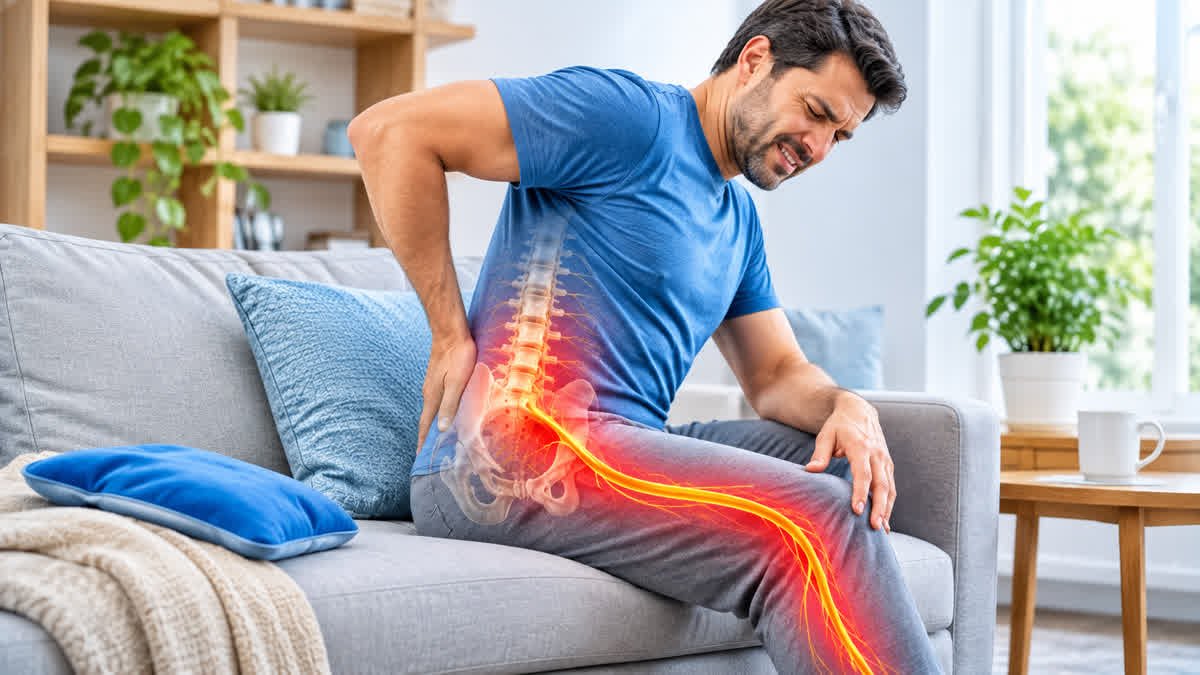

Sciatica is pain that travels from the lower back or buttock down the leg, following the path of the sciatic nerve. It can feel sharp, burning, or electric, and it is often joined by tingling, numbness, or sometimes weakness. If you are dealing with it right now, you are probably looking for practical ways to feel more comfortable.
The encouraging news is that many cases improve over several weeks to a few months, and self-care is often the first step. Sciatica home treatment usually focuses on staying gently active, pacing your day, using heat or cold for temporary comfort, and finding positions that ease your symptoms. These strategies help manage symptoms and support recovery, but they do not work identically for everyone, and they do not fix every underlying cause.
This guide explains how to manage sciatica at home, what to try, what to avoid, and when home care is not enough. It is general information, not individualized medical advice. Persistent, severe, or unusual symptoms deserve a professional assessment.
Emergency warning signs: do not manage these at home. Seek emergency care (call 911 in the U.S.) if you have new difficulty controlling or emptying your bladder, loss of bowel control, numbness around the groin, genitals, or anus, or severe or rapidly worsening weakness in both legs. These may be signs of cauda equina syndrome, a rare but serious condition. The NHS and Mayo Clinic both advise immediate medical help for these symptoms.
Understanding Sciatica Before Managing It
Knowing what is happening in the nerve can help you make sense of why certain self-care steps may help, and why others may not.
What Happens When You Have Sciatica?
The sciatic nerve forms from nerve roots in the lower spine, passes through the buttock, and runs down the back of the leg. When one of those roots is irritated or compressed, the signals along the nerve can change. That is why a problem near the spine can cause symptoms in the thigh, calf, or foot.
Common underlying causes include a herniated disc and spinal stenosis. Mayo Clinic notes that sciatica most often results from a herniated disc or bone overgrowth pressing on a nerve root. Our guide on what causes sciatica explains these in more depth.
Common Symptoms of Sciatica
Symptoms vary from person to person, but often include:
- Pain that travels from the lower back or buttock into the leg
- Burning, shooting, or electric-like sensations
- Tingling or pins and needles
- Numbness in part of the leg or foot
- Muscle weakness in some cases
Symptoms usually affect one side. You can read more in our article on the early signs of sciatica.
Can Sciatica Be Managed at Home?
For many people, yes, at least at first. The NHS says sciatica usually gets better in a few weeks to a few months, though it can last longer and can come back. A patient information page from Cambridge University Hospitals says that about 90 percent of people with sciatica are better within three months.
Home management aims to ease symptoms and support recovery, not to correct every spinal problem. How long you take to improve depends on the underlying cause and how severe your symptoms are. If self-care is not helping after a few weeks, or if symptoms are getting worse, a healthcare professional can look for the cause and discuss other options, as described in our guide to sciatica treatment options.
Stay Active and Avoid Prolonged Bed Rest
It may feel natural to lie down when your leg hurts, but long periods of rest usually do not help.
Why Gentle Movement Matters
The NHS advises carrying on with normal activities as much as possible and not sitting or lying down for long periods, even though moving can hurt. Staying active within comfortable limits can help keep your back and leg mobile and reduce stiffness. Mayo Clinic says that resting for a day or so may provide relief, but staying inactive can make symptoms worse.
NICE guideline NG59 also recommends encouraging people to continue their normal activities. Fear of movement is common, but avoiding all activity can make it harder to return to your routine.
Start With Manageable Daily Activities
Walking is a practical starting point for many people. You can break it into shorter walks, such as a few minutes at a time, instead of one long outing. Increase the amount gradually, based on how your symptoms respond and what feels manageable.
Our guides on walking for health and how to build a step count habit offer general tips. Walking is one possible way to stay active during recovery, not a cure.
Balance Activity With Rest
Short rests are reasonable during an especially uncomfortable episode. Try changing position regularly, instead of staying put. Extended bed rest is generally discouraged unless a healthcare professional specifically advises it.
Gentle Exercises and Movement for Sciatica
Exercise is a useful part of self-care, but it needs to fit your symptoms. There is no single routine that suits everyone, and you should never force movements through radiating pain.
Gentle Walking
Short, comfortable walks may help maintain mobility. Adjust the duration to your tolerance. If walking noticeably worsens your leg pain, or if you develop new numbness or weakness, stop and talk with a healthcare professional.
Gentle Back Mobility
Some people benefit from carefully chosen mobility exercises, such as gentle movements that keep the hips and lower back moving. The right movements depend on the underlying cause. If you are unsure which ones are suitable, ask a clinician or physical therapist before starting.
The NHS offers a set of exercises for sciatica as general examples. Mayo Clinic notes that low back stretches may provide some relief for some people, with each stretch held for at least 30 seconds and without jerking, bouncing, or twisting. Stretching is not helpful for everyone, so stop if it increases sharp or shooting leg pain.
Comfortable Position Changes
Alternating between sitting, standing, and walking can help you avoid staying in one position for too long. Make changes slowly. Sudden or forceful movements can aggravate an irritated nerve. For background on what tends to flare symptoms, see our article on what makes sciatica worse.
The Importance of Physiotherapy
A physical therapist (called a physiotherapist in many countries) can assess how you move and design a program around your symptoms. A suitable plan may include mobility work, strengthening, and general conditioning. NICE recommends exercise-based management for low back pain with or without sciatica, and advises choosing the type of exercise based on a person’s needs, preferences, and abilities.
Exercises that help one person may aggravate another person’s symptoms. That is why individualized guidance matters, and why a routine found online may not be right for you. Our article on exercises for lower back pain provides general background.
Use Heat and Cold Therapy for Temporary Relief
Heat and cold packs are low-cost comfort measures. They may ease discomfort for a while, but neither one removes the cause of nerve irritation.
Cold Therapy
A cold pack may temporarily ease pain. Mayo Clinic suggests applying a cold pack for up to 20 minutes several times a day, using an ice pack or a bag of frozen vegetables wrapped in a clean towel. Always keep a towel or cloth between the pack and your skin. Never apply a cold pack directly to bare skin.
Heat Therapy
Gentle warmth may help with muscle stiffness. Mayo Clinic suggests using heat after the first few days, such as a heating pad on the lowest setting, a hot pack, or a heat lamp. The NHS also lists heat packs among self-care options. Follow the manufacturer’s instructions, avoid excessive heat, and do not fall asleep on a heating device.
Should You Use Heat or Ice?
Responses vary, so use whichever feels more comfortable. Some people alternate between the two. Take extra care if you have reduced sensation in your leg or back, since you may not notice a burn or frostbite developing.
Find Comfortable Sitting, Standing, and Sleeping Positions
There is no single perfect posture. The goal is to find positions that ease your symptoms and to change them often.
How to Sit More Comfortably
Prolonged sitting can aggravate symptoms in some people. Mayo Clinic suggests a seat with good lower back support, armrests, and a swivel base. A small pillow or rolled towel in the curve of the lower back may help, and keeping the knees and hips level can be more comfortable.
Stand up and move regularly, even for a minute or two. For more ideas, see our guide to good desk posture.
Comfortable Standing Habits
Standing in one spot for a long time can also bother some people. Shift your weight, take short walks, or rest one foot on a low stool from time to time, as Mayo Clinic suggests. Spreading activity across the day may feel better than doing everything in one block. Avoid positions that reliably make your symptoms worse.
Sleeping Positions That May Feel More Comfortable
Sleep position is a matter of comfort. Some people find lying on their side with a small, firm pillow between the knees comfortable. Others prefer lying on their back with pillows under the knees. NHS Wales suggests both arrangements.
These are comfort options, not proven treatments. If one position increases your leg pain, try another.
Improve Your Sleep Environment
A supportive mattress and comfortable bedding can make a difference, and adequate rest supports overall recovery. If pain wakes you up, adjust your position and try again. Our article on how to improve sleep offers general tips.
Everyday Habits That Support Sciatica Recovery
Small changes to how you go about your day can add up.
Pace Your Daily Activities
Cambridge University Hospitals advises pacing your activities and changing position regularly. Practical ways to do this include:
- Breaking demanding tasks into smaller chunks
- Alternating between sitting, standing, and walking
- Avoiding sudden increases in activity after a period of rest
Improve Your Workstation
Choose a chair with good support, set your chair height so your feet rest comfortably, and keep frequently used items within easy reach. Take regular movement breaks. Even small changes, like standing during phone calls, can reduce the time you spend in one position.
Be Careful With Lifting and Bending
While symptoms are flared, avoid unnecessary heavy lifting. Sudden twisting and awkward movements can aggravate the nerve. When you do lift, keep the load close to your body and use your legs. If your job involves heavy physical work, ask a healthcare professional for advice on returning to it safely.
Support General Health
Regular physical activity, enough sleep, and not smoking may support back health in general. The NHS notes that smoking can increase the risk of sciatica and suggests staying active and maintaining good posture to reduce the chance of it returning. These habits do not guarantee recovery or prevention. You can read more in our article on sciatica risk factors and our guide to healthy habits.
What Should You Avoid When Managing Sciatica at Home?
Prolonged Bed Rest
Extended inactivity is generally discouraged because it can add to stiffness and make it harder to return to normal activity. Gentle movement, as tolerated, is usually more helpful.
Forceful Stretching and Unsuitable Exercises
Do not force painful movements or push through radiating pain. Online routines may not suit your particular cause, and some stretches can pull on an irritated nerve. NICE also advises against traction for low back pain with or without sciatica.
Heavy Lifting and Sudden Twisting
Avoid movements that consistently worsen your symptoms. Return to demanding tasks gradually instead of all at once.
Unsupervised Medication Use
Medicines are not suitable for everyone, and some carry real risks. The NHS notes that acetaminophen (paracetamol in the U.K.) is unlikely to help sciatica and that it is not clear how much NSAIDs such as ibuprofen help. Mayo Clinic says NSAIDs are sometimes helpful when used as directed.
NICE also advises against several prescription options for sciatica, including gabapentinoids, oral corticosteroids, benzodiazepines, and opioids, because the overall benefit is lacking and harms are possible. Talk with a pharmacist or clinician before using any pain medicine, especially if you have kidney, liver, heart, or stomach conditions or take other medicines. Do not start, stop, or change a prescription based on an article.
Ignoring Worsening Symptoms
New weakness, increasing numbness, or persistent and worsening pain deserve medical assessment. Waiting it out is not always the right choice.
When Is Home Management Not Enough?
Arrange a Medical Assessment If:
- Your pain is getting worse instead of improving
- Symptoms interfere with normal daily activities
- Pain persists despite appropriate self-care for a few weeks
- Numbness or tingling continues or becomes more noticeable
- You develop leg weakness
The NHS recommends seeing a clinician if home treatments have not helped after a few weeks, if the pain is getting worse, or if it is stopping you from doing normal activities. Mayo Clinic suggests calling a healthcare professional if pain lasts longer than a week, is severe, or gets worse.
Recognize Emergency Warning Signs
Seek emergency care immediately for new difficulty controlling or emptying your bladder, loss of bowel control, numbness around the groin, genitals, or saddle area, or severe or rapidly worsening weakness, especially in both legs. These may indicate cauda equina syndrome, a serious condition involving the nerves at the bottom of the spinal canal. It should never be managed at home alone. Call 911 or ask someone to take you to the emergency department, as the NHS advises.
Frequently Asked Questions About Managing Sciatica at Home
What Is the Best Way to Manage Sciatica at Home?
There is no single best approach. A combination of gentle movement, activity pacing, comfortable positioning, and heat or cold therapy may help, as described by the NHS. Self-care works differently for different people, so adjust based on how your body responds.
Is Walking Good for Sciatica?
Gentle walking can help some people stay mobile and avoid stiffness. The right amount depends on your symptoms. If walking clearly worsens leg pain, numbness, or weakness, shorten the distance and check in with a clinician.
Should I Rest in Bed if I Have Sciatica?
A short rest may help during a severe flare, but prolonged bed rest is generally discouraged. Mayo Clinic notes that resting for a day or so may provide relief, while staying inactive can make symptoms worse.
Is Heat or Ice Better for Sciatic Nerve Pain?
Both may offer temporary relief, and individual responses differ. Mayo Clinic suggests starting with cold, then switching to heat after a few days or alternating the two. Use whichever feels better, and protect your skin.
What Sleeping Position Is Best for Sciatica?
No position is best for everyone. Side-lying with a pillow between the knees, or lying on your back with pillows under the knees, feels comfortable for some people, as NHS Wales describes. Treat these as comfort options, not cures.
How Long Does Sciatica Take to Improve?
Recovery varies with the cause and severity. The NHS says it usually improves in a few weeks to a few months, but it can last longer. If symptoms persist or worsen, have them assessed.
When Should I Stop Home Treatment and See a Doctor?
See a doctor if pain is worsening, symptoms persist after a few weeks, or you notice new weakness or growing numbness. Go to the emergency department right away for new bladder or bowel problems, saddle-area numbness, or severe weakness in both legs.
Conclusion
Managing sciatica at home usually comes down to a few core habits: stay gently active, pace your day, use heat or cold for temporary comfort, and find positions that ease your symptoms. These steps may help you feel better while your body recovers, but they are not a cure.
Sciatica has different causes, and self-care does not work the same way for everyone. If your symptoms persist or worsen, or if they interfere with daily life, a healthcare professional can help find the cause and discuss other options.
Emergency warning signs, such as new bladder or bowel problems, numbness around the groin or anus, or severe weakness in both legs, need immediate medical attention. For more on what to expect from care, see our guide to sciatica treatment options.
Sources
- NHS. Sciatica overview.
- NHS. Sciatica treatment.
- NHS. Exercises for sciatica.
- NHS Wales 111. Sciatica.
- National Institute for Health and Care Excellence (NICE). Low back pain and sciatica in over 16s: assessment and management (NG59).
- Mayo Clinic. Sciatica: symptoms and causes.
- Mayo Clinic. Sciatica: diagnosis and treatment.
- Mayo Clinic. Sciatica: self-care, injections, and surgery.
- Cambridge University Hospitals. Sciatica: patient information.
Medical Disclaimer: This article is for general educational purposes only and is not medical advice. It does not diagnose any condition or replace a visit with a qualified healthcare professional who knows your health history. Do not ignore professional advice or delay seeking care because of something you read here. If you think you may have a medical emergency, such as new weakness in both legs, numbness around the groin, or loss of bladder or bowel control, call 911 or your local emergency number right away.