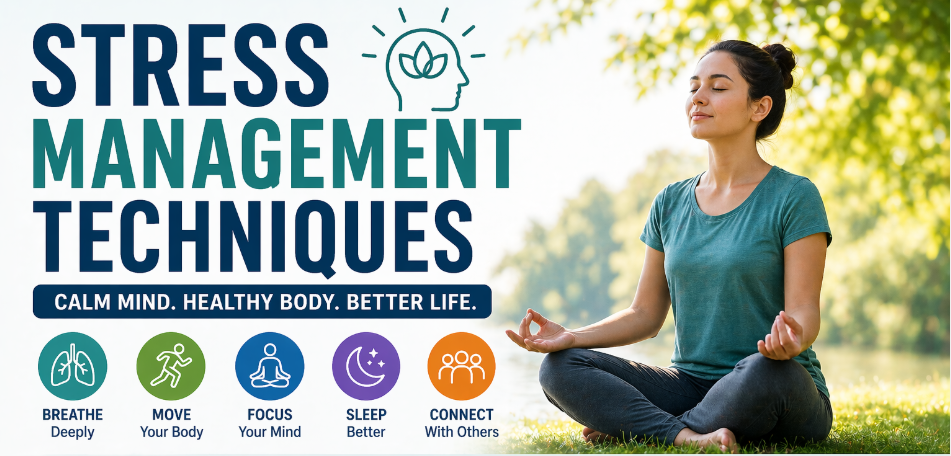
Does your heart ever start racing when you look at your morning to-do list? In today’s hyper-connected, fast-paced world, feeling constantly “on” has become the default state for millions of people. Between demanding jobs, family responsibilities, and the endless ping of digital notifications, our brains are processing more information—and more pressure—than ever before.
While a little bit of pressure can help you meet a deadline, chronic stress is a totally different beast. When left unchecked, it stops being a mere emotional burden and transforms into a physical threat. Prolonged exposure to stress hormones can lead to burnout, elevate your blood pressure, disrupt your sleep, and severely weaken your immune system.
The good news is that your biological response to stress is highly malleable. In this comprehensive guide, we will explore the most effective stress management techniques available today. You will learn the underlying biology of why you feel so overwhelmed, how to spot the physical warning signs, and exactly what actionable steps you can take to reclaim your calm and build long-term resilience.
What are stress management techniques?
Stress management techniques are practical strategies and habits designed to help you cope with physical and emotional tension. These include deep breathing, physical exercise, mindfulness meditation, and time management. Practicing these techniques daily lowers cortisol levels, reduces anxiety, and improves overall mental and physical well-being.
The Biology of Stress: What Happens in Your Body?
To effectively manage stress, you first need to understand how your body processes it. When your brain perceives a threat—whether it’s a physical danger or a stressful email from your boss—it activates your sympathetic nervous system.
This triggers the famous “fight-or-flight” response. Your adrenal glands instantly pump out a cocktail of hormones, primarily adrenaline and cortisol. Adrenaline increases your heart rate and elevates your blood pressure, preparing your muscles for action. Cortisol, the primary stress hormone, dumps glucose into your bloodstream to give your brain an immediate burst of energy.
In a true emergency, this biological response is life-saving. However, the human body is not designed to stay in fight-or-flight mode all day. When cortisol levels remain chronically high, it begins to damage healthy tissues, disrupt digestion, and interfere with your body’s natural healing processes.
Acute vs. Chronic Stress
Not all stress is created equal. Understanding the difference between acute and chronic stress can help you choose the right stress relief tips for your situation.
| Feature | Acute Stress | Chronic Stress |
| Duration | Short-term (minutes to hours). | Long-term (weeks, months, or years). |
| Triggers | Traffic jams, giving a speech, near-miss accidents. | Toxic workplaces, financial struggles, unhealthy relationships. |
| Physical Effect | Temporary heart rate increase, sweating. | High blood pressure, insomnia, weakened immunity. |
| Resolution | Fades quickly once the threat passes. | Lingers constantly, causing systemic exhaustion. |
Physical and Emotional Signs of Chronic Stress
Stress is an excellent hider. Many people don’t realize they are suffering from chronic stress until their body forces them to pay attention. Look out for these common warning signs:
- Physical Symptoms: Frequent tension headaches, jaw clenching (bruxism), digestive issues, a racing heart, and unexplained muscle aches.
- Emotional Symptoms: Irritability, a constant sense of dread or overwhelm, lack of motivation, and feeling easily frustrated by minor inconveniences.
- Behavioral Symptoms: Changes in appetite (overeating or skipping meals), relying on alcohol to wind down, and withdrawing from social interactions.
Top Stress Management Techniques for Immediate Relief
When you are in the middle of a stressful moment, you need strategies that work fast. These how to manage stress naturally techniques are designed to intercept the fight-or-flight response and activate your parasympathetic nervous system (the “rest and digest” mode).
1. Deep Breathing and the 4-7-8 Method
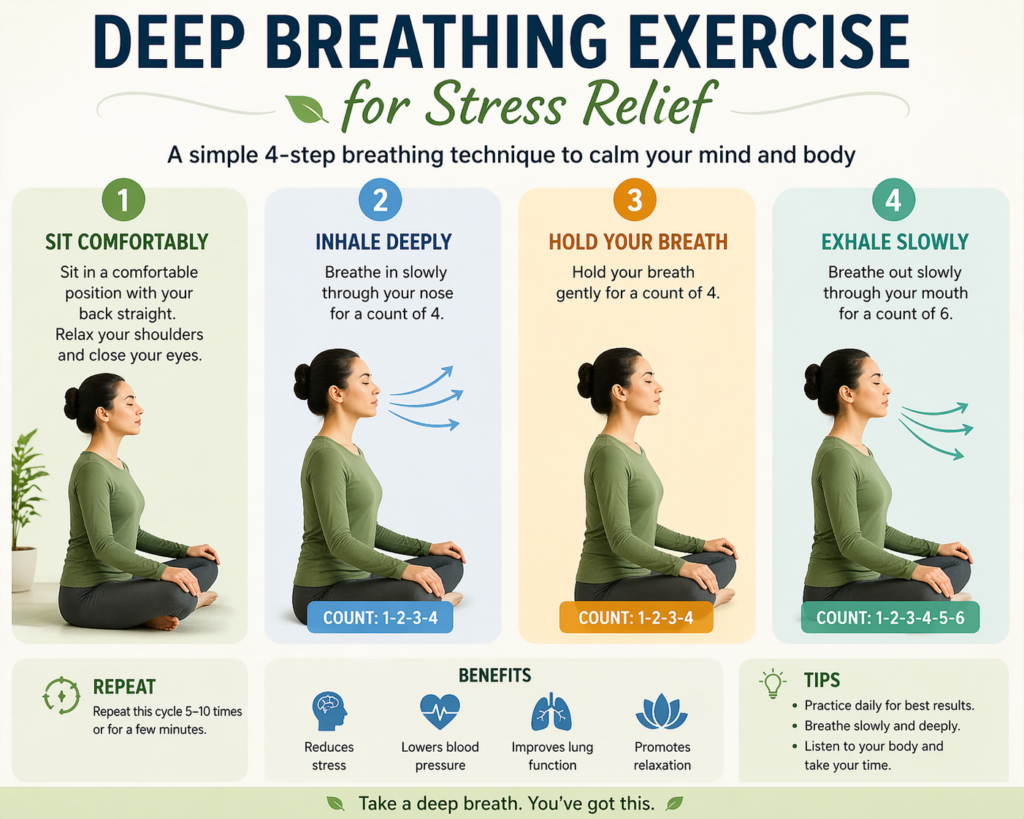
When you are stressed, your breathing becomes shallow and rapid, which signals to your brain that you are in danger. Deep, diaphragmatic breathing reverses this signal. The 4-7-8 method is highly effective:
- Inhale quietly through your nose for 4 seconds.
- Hold your breath for 7 seconds.
- Exhale completely through your mouth for 8 seconds.
This specific rhythm stimulates the vagus nerve, which acts like a brake pedal for your heart rate and cortisol production.
2. Progressive Muscle Relaxation (PMR)
Stress causes your muscles to contract involuntarily. PMR involves consciously tensing and then releasing each muscle group in your body. Start at your toes: squeeze them tightly for five seconds, then let go. Move up to your calves, your thighs, your abdomen, and all the way to your face. This physical release directly signals your brain to relax.
3. Grounding Techniques (The 5-4-3-2-1 Method)
Anxiety often pulls our minds into the future, worrying about what might happen. Grounding pulls you back to the present. Name:
- 5 things you can see around you.
- 4 things you can physically feel (like the chair beneath you).
- 3 things you can hear.
- 2 things you can smell.
- 1 thing you can taste.
This simple cognitive exercise disrupts spiraling anxious thoughts immediately.
Long-Term Strategies to Manage Stress
While breathing exercises are great for the moment, building a lifestyle that buffers against stress is the ultimate goal. Here are the most effective daily habits for long-term resilience.
1. Regular Physical Activity
Exercise is widely considered the most effective way to clear cortisol from your bloodstream. Physical activity produces endorphins—chemicals in the brain that act as natural painkillers and mood elevators. You don’t have to run a marathon; a brisk 20-minute walk, a yoga session, or even gardening can significantly lower your baseline stress levels.
2. Prioritizing Sleep Hygiene
Sleep and stress have a bidirectional relationship: high stress makes it hard to sleep, and poor sleep makes you more vulnerable to stress. Create a calming bedtime routine. Turn off all screens an hour before bed, keep your bedroom cool, and try reading a physical book to signal to your brain that it is time to power down.
3. Dietary Adjustments for Mental Health
What you eat directly impacts how you feel. Diets high in refined sugars cause rapid blood sugar spikes and crashes, which mimic the physical sensations of a panic attack. Focus on low glycemic foods like whole grains, healthy fats, and lean proteins to keep your blood sugar—and your mood—stable throughout the day.
Real-World Insight: Escaping the Burnout Trap
Consider Sarah, a 34-year-old project manager. She was drinking four cups of coffee a day to stay alert, skipping lunch to answer emails, and lying awake at night worrying about deadlines. She was experiencing classic burnout.
Instead of quitting her job, Sarah started implementing micro-habits. She replaced her afternoon coffee with herbal tea, blocked out 15 minutes on her calendar for a daily walk around the block, and started using the 4-7-8 breathing method before opening her inbox.
Within a month, her sleep improved, her tension headaches disappeared, and her productivity actually increased because she was operating from a place of calm, rather than panic.
Expert Insight
“We cannot always control the stressors in our lives, but we can absolutely control our response to them. Stress management is not about eliminating pressure; it is about widening your window of tolerance. By practicing daily mindfulness and physical grounding, you teach your nervous system that it is safe, even in a chaotic world.”
— Dr. Emily Chen, Clinical Psychologist and Stress Researcher.
Data & Statistics (2024–2026)
The modern stress epidemic is well-documented by leading health organizations:
- According to the American Psychological Association (APA), over 75% of adults report experiencing physical symptoms of stress, such as headaches or sleep disruption, in the past month.
- The World Health Organization (WHO) has officially recognized occupational burnout—a direct result of unmanaged chronic workplace stress—as an occupational phenomenon.
- A 2025 study from the Journal of Occupational Health found that employees who engaged in just 10 minutes of daily mindfulness meditation reported a 32% decrease in self-reported anxiety over a six-month period.
Final Verdict
Stress is an unavoidable part of the human experience. Deadlines will always exist, traffic will always be frustrating, and life will occasionally throw curveballs. However, allowing that stress to dictate your physical health and emotional well-being is entirely optional.
Mastering stress management techniques is about building a personalized toolkit. Some days, you might need a rigorous workout to burn off excess cortisol; other days, a quiet five-minute breathing exercise is all you can manage. The key to success is consistency over perfection.
By integrating these practices into your daily routine, you transition from merely surviving your stress to actively managing it. You regain control of your nervous system, allowing you to face life’s challenges with clarity, resilience, and calm.
Frequently Asked Questions (FAQ)
Q1: What is the fastest way to relieve stress in the moment?
The fastest way to lower stress acutely is through deep, diaphragmatic breathing. The 4-7-8 breathing method stimulates the vagus nerve, which immediately signals your nervous system to lower your heart rate and stop producing cortisol.
Q2: How does exercise help with stress management?
Physical activity mimics the “flight” response, giving your body a productive way to process the adrenaline and cortisol pumping through your veins. Afterward, your brain releases endorphins, which naturally elevate your mood and relax your muscles.
Q3: What are the physical signs of chronic stress?
Common physical signs include frequent tension headaches, jaw clenching, digestive issues (like nausea or IBS), a constantly racing heart, chronic fatigue, and a weakened immune system that leads to frequent colds.
Q4: Does caffeine make stress worse?
Yes. Caffeine stimulates the central nervous system and triggers the release of adrenaline. If you are already stressed, high doses of caffeine can amplify feelings of anxiety, cause heart palpitations, and severely disrupt your sleep.
Q5: How does sleep affect stress levels?
Lack of sleep elevates baseline cortisol levels, making you highly reactive to minor stressors the next day. Quality sleep allows your brain to process emotional information and repairs the physical wear and tear caused by daily stress.
Q6: Can meditation actually rewire the brain for stress?
Yes. Consistent mindfulness meditation has been shown in MRI studies to shrink the amygdala (the brain’s fear center) and thicken the prefrontal cortex, which governs rational thought and emotional regulation.
Q7: What foods help reduce stress?
Foods rich in Omega-3 fatty acids (like salmon and walnuts), magnesium (like spinach and pumpkin seeds), and antioxidants (like dark chocolate and berries) help reduce cellular inflammation and stabilize the nervous system.
Don’t wait for burnout to force you to rest. Take control of your mental health today by choosing just one technique from this list. Try the 4-7-8 breathing method right now, or schedule a 10-minute walk into your calendar for this afternoon.
Sources & References
- American Psychological Association (APA) (2024). Stress in America: A National Mental Health Crisis. 2. World Health Organization (WHO) (2025). Mental Health in the Workplace: Guidelines on Managing Burnout.
- Harvard Health Publishing (2023). Understanding the Stress Response: Chronic activation of this survival mechanism impairs health. Harvard Medical School.
- Journal of Occupational Health (2025). The efficacy of brief daily mindfulness interventions on employee anxiety and burnout.
Reviewed By: Our Editorial Team
This article has been reviewed by subject-matter experts, including licensed clinical psychologists, to ensure the information is accurate, reliable, and aligned with current knowledge and best practices in mental health and psychology.
Disclaimer
The information provided in this article is for educational and informational purposes only and should not be considered professional medical or psychological advice. Always consult a qualified physician or mental health professional if you are experiencing severe anxiety, depression, or unmanageable stress.