Managing your health often feels like trying to solve a puzzle where the pieces keep moving. More than 1 in 10 adults worldwide now live with diabetes, making glucose regulation a critical health priority for millions. If you have ever felt the “afternoon slump”—that sudden crash in energy after a heavy lunch—you have experienced the direct impact of fluctuating blood sugar levels.
The good news is that your kitchen is one of the most powerful tools for metabolic stability. While exercise and medication play vital roles, the best foods for blood sugar control act as a foundation for a steady internal environment. By choosing foods that digest slowly and provide sustained energy, you can step off the “sugar roller coaster” and reclaim your daily vitality.
In this guide, we will explore the science-backed ingredients that keep your levels steady. You will learn the difference between simple and complex carbohydrates, discover the power of fiber, and get practical tips for building a diabetes-friendly diet. Whether you are looking to manage a condition or simply want more consistent energy, this roadmap will show you how to eat for stability.
Who This Guide Is For
To ensure safety and clarity, this guide is designed for:
- Individuals with Prediabetes: Those aiming to prevent a diagnosis through proactive nutrition.
- Type 2 Diabetes Management: People looking to support their medical plan with better food choices.
- Metabolic Health Seekers: Anyone interested in avoiding energy crashes and improving insulin sensitivity.
Safety Note: If you are insulin-dependent or have Type 1 diabetes, please consult your endocrinologist before making significant dietary changes, as these can affect your medication requirements.
What are the best foods for blood sugar control?
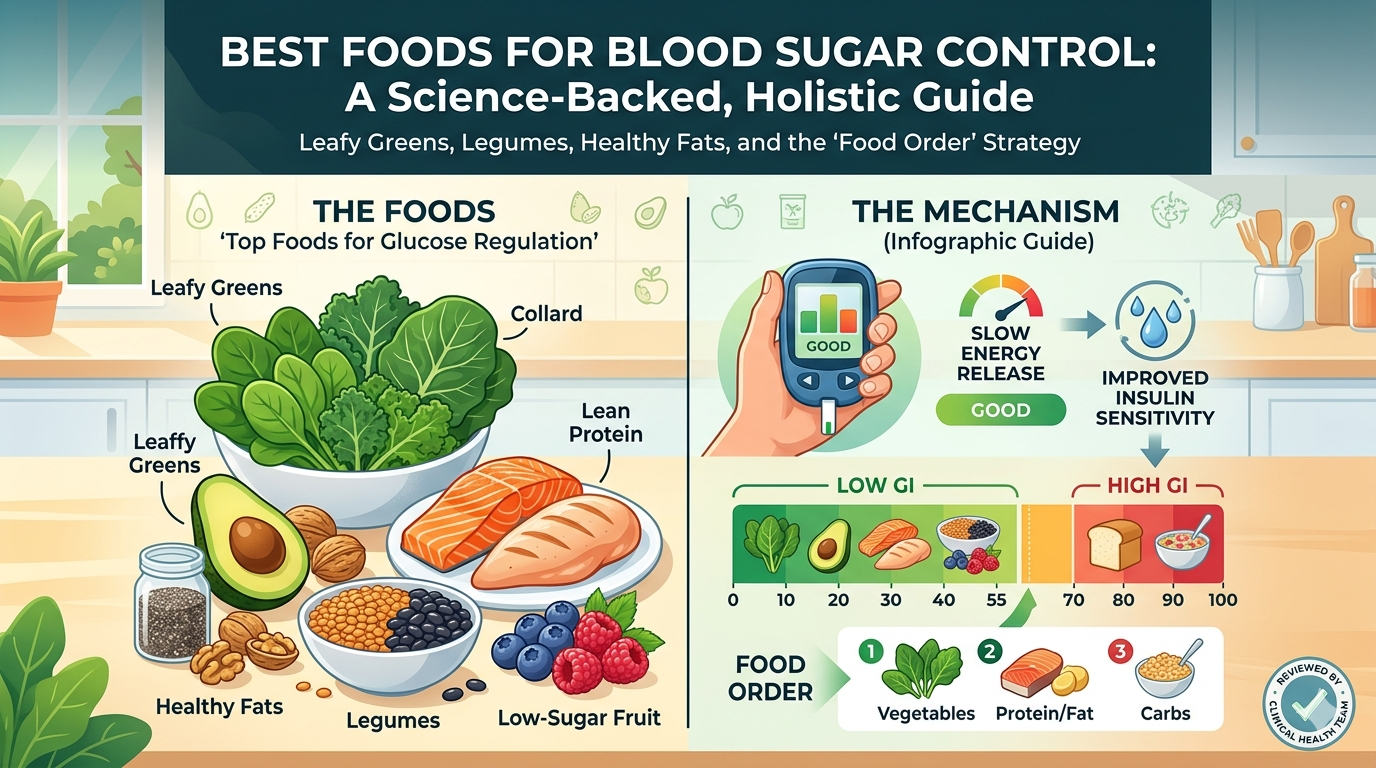
The best foods for blood sugar control include leafy greens, legumes, nuts, seeds, and fatty fish. These low-glycemic foods help stabilize glucose levels, improve insulin sensitivity, and support long-term metabolic health.
Quick Summary: Top Foods for Glucose Regulation
- Leafy Greens: Spinach, kale, and Swiss chard
- Legumes: Lentils, chickpeas, and black beans.
- Healthy Fats: Avocados, walnuts, and chia seeds.
- Lean Protein: Salmon, chicken breast, and Greek yogurt.
- Low-Sugar Fruits: Blueberries, strawberries, and raspberries.
The Biology: Glycemic Index and Metabolic Impact
To choose the right foods, we must understand how they affect the blood. This is where the Glycemic Index (GI) and Glycemic Load (GL) come into play. The GI ranks foods on a scale of 0 to 100 based on how quickly they raise blood sugar.
Low glycemic index foods (55 or less) are digested slowly, causing a lower and slower rise in blood glucose. However, the Glycemic Load is often a more accurate measure because it considers portion size. When you eat complex carbohydrates, your body works harder to break down the long chains of sugar molecules. This “work” ensures that glucose enters your bloodstream at a steady trickle rather than a sudden flood.
Read more>>Best Fruits for Diabetes
The Green Powerhouse: Why Leafy Greens Reign Supreme
Leafy greens like spinach and kale are essential for any metabolic stability plan. They are remarkably low in calories and carbohydrates, meaning they have almost no impact on your blood sugar levels. This allows you to eat large portions, which physically fills the stomach and triggers “fullness” signals to the brain.
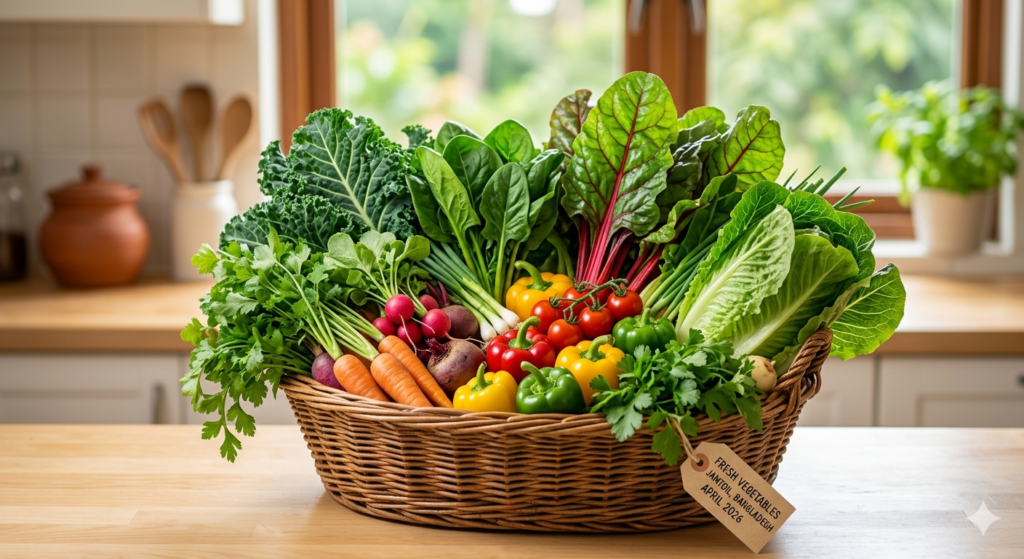
Beyond their low calorie count, greens are rich in magnesium. Magnesium is a critical mineral for glucose metabolism, and improving your intake can help your body utilize insulin more effectively.
Real-World Insight: The Volume Strategy
“In clinical practice, I often recommend starting a meal with a large salad. By filling up on fiber-rich greens first, you reduce the likelihood of overeating higher-carb foods later in the meal. This is a simple but effective way to maintain a diabetes-friendly diet without feeling deprived.” — Registered Dietitian (Clinical Practice)
High-Fiber Foods: The Metabolic “Gel” Effect
Fiber is arguably the most important nutrient for blood sugar management. Specifically, soluble fiber creates a gel-like substance in your gut when it mixes with water.
This gel acts as a physical barrier, slowing down the absorption of glucose. Some studies suggest that increasing daily fiber intake may help reduce fasting blood sugar levels over time.
- Chia Seeds: These can absorb up to 12 times their weight in water, promoting satiety.
- Beans and Lentils: These provide a unique balance of plant-based protein and slow-digesting “complex carbs.”
- Steel-Cut Oats: These contain beta-glucan, which has been shown to support healthy glucose levels.
Read more>>High-Fiber Foods
Healthy Fats and Proteins: Your Satiety Anchors
Healthy fats and proteins do not cause significant spikes in blood sugar. When eaten alongside carbohydrates, they slow down the digestion of the entire meal.
Fatty Fish and Lean Protein
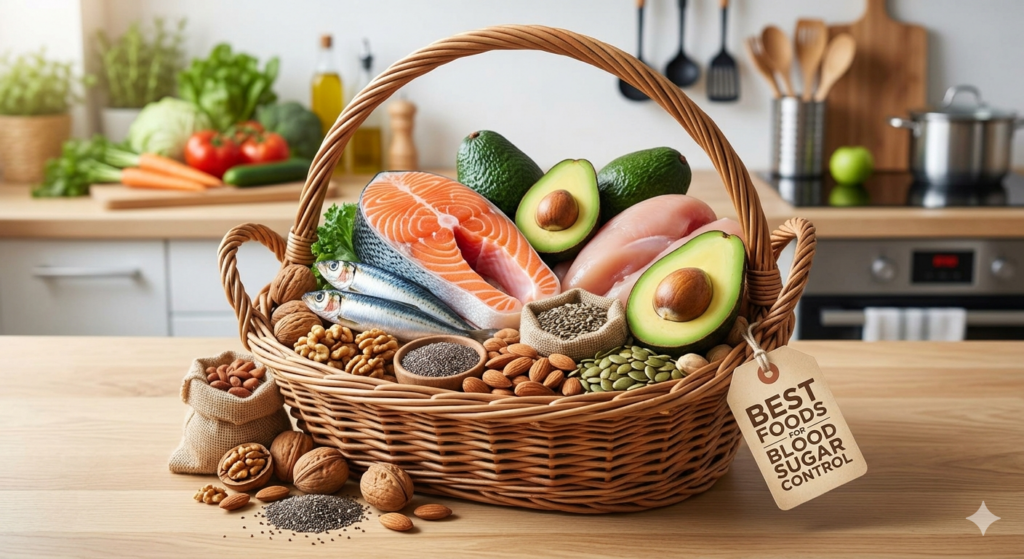
Salmon and mackerel are rich in Omega-3 fatty acids. While they don’t directly lower sugar, they reduce the chronic inflammation that often drives insulin resistance. Lean proteins, like Greek yogurt or chicken, trigger the release of hormones that signal fullness to your brain.
Nuts, Seeds, and Avocados
Nuts are excellent snacks that don’t spike blood sugar. Avocados are unique because they offer high fiber and monounsaturated fats with almost zero sugar. This makes them a perfect “anchor” for any meal.
Fruit and Spices: Natural Regulators
You do not have to avoid fruit entirely, but portion control and selection are key.
- Berries: Blueberries and raspberries are high in fiber and antioxidants, making them the best choice for a sweet treat.
- Portion-Sensitive Fruits: Be mindful of portion sizes with higher-sugar fruits like grapes or very ripe bananas. A small serving eaten with protein (like nuts) is usually better tolerated.
- Apple Cider Vinegar: Some evidence suggests that apple cider vinegar may improve insulin sensitivity in some individuals when consumed before a carbohydrate-heavy meal.
- Cinnamon: This spice may help support glucose transport into cells, acting as a secondary aid to your diet.
The “Food Order” Strategy for Better Results
Science shows that how you eat your food can be just as important as what you eat. This is a no-cost strategy to improve your numbers immediately.
The Ideal Eating Sequence:
- Fiber First: Start with your vegetables or salad.
- Protein and Fats Second: Move to your meat, fish, or fats.
- Carbohydrates Last: Save the starches or fruit for the end.
By following this order, you create a “buffer” in your stomach. This may significantly reduce post-meal blood sugar spikes compared to eating the carbohydrates first or on an empty stomach.
Frequently Asked Questions (FAQ)
What are the best snacks that don’t spike blood sugar?
Focus on combinations of protein and fat. Good options include a hard-boiled egg, a handful of almonds, or celery sticks with peanut butter. These provide energy without the rapid glucose rise seen in crackers or chips.
Are complex carbohydrates always safe for everyone?
While complex carbohydrates are superior to simple sugars, “safe” is relative to the portion. Even whole grains can raise blood sugar if the portion is too large. Always monitor your individual response with a glucose meter.
Can apple cider vinegar replace my diabetes medication?
No. While it may support improved insulin sensitivity for some, it is a dietary aid, not a replacement for medical treatment. Always consult your doctor before changing how you manage your condition.
Why is the food order strategy effective?
Eating fiber and protein first slows down the “gastric emptying” process. This means the carbohydrates you eat at the end of the meal are absorbed much more slowly, resulting in a flatter glucose curve.
Is fruit juice okay if it’s 100% natural?
Generally, no. Fruit juice removes the beneficial fiber, leaving you with concentrated sugar that spikes glucose levels rapidly. It is always better to eat the whole fruit instead.
How does magnesium in leafy greens help?
Magnesium plays a role in over 300 biochemical reactions, including how insulin attaches to cells. Ensuring adequate magnesium through greens can help your body’s natural “key” work more efficiently.
Test It at Your Next Meal
Improving your metabolic health starts with small, deliberate choices. You don’t need to be perfect; you just need to be consistent.
Test this at your next meal: Change the order of how you eat. Start with your vegetables, then your protein, and save your starch for last. Monitor your energy levels and glucose response two hours later—small changes create measurable results. For further reading, explore our guides on managing blood sugar naturally and exercise for insulin resistance.
Editorial Review
Reviewed By: Our Editorial Team
This article has been reviewed by clinical nutritionists to ensure the information is accurate, reliable, and aligned with current evidence-based practices for metabolic health.
Disclaimer
The information provided in this article is for educational purposes only and should not be considered professional medical advice. Always consult a qualified healthcare professional before making significant changes to your diet or treatment plan.
Sources & References:
- American Diabetes Association (2025). “Standards of Care in Diabetes.” Diabetes Care.
- Reynolds, A. et al. (2019). “Dietary fibre and whole grains in diabetes management.” The Lancet.
- Harvard T.H. Chan School of Public Health (2024). “Carbohydrates and Blood Sugar.” [hsph.harvard.edu]
- Vuksan, V. et al. (2017). “Effect of flaxseed on glucose control.” Nutrition, Metabolism and Cardiovascular Diseases.