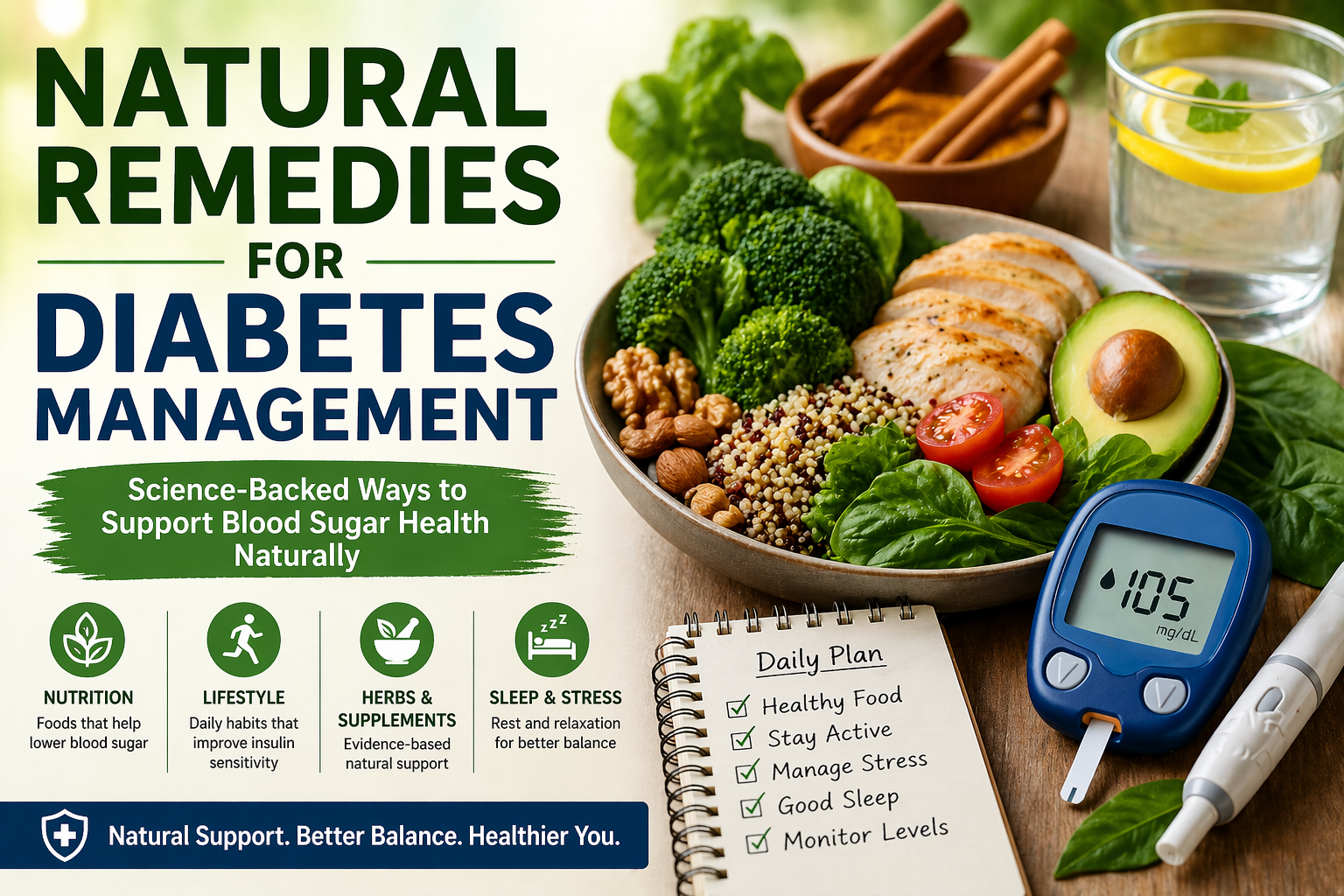
Managing your blood sugar can often feel like a full-time job. Between finger pricks and counting carbohydrates, the daily routine of living with diabetes or prediabetes is demanding. While modern medicine provides essential tools, many people are looking for natural remedies for diabetes management to support their treatment plans and improve their quality of life.
Using natural ways to manage diabetes is not about replacing your doctor’s advice. Instead, it is about building a foundation of wellness that makes your medical treatments more effective. Small, sustainable changes—like choosing the right foods and staying active—can lead to significant improvements in your A1C levels and daily energy.
In this guide, we will dive into the science of blood sugar and explore evidence-based home remedies for diabetes. You will learn which herbs for blood sugar control have clinical support, how to structure a diabetes-friendly diet, and why certain lifestyle changes are non-negotiable. Our goal is to provide a roadmap for managing blood sugar naturally while keeping safety and medical guidance at the forefront.
Who This Guide Is For
Before diving in, it is important to clarify who can benefit most from these strategies. This information is designed for:
- Individuals with Prediabetes: Those looking to prevent the progression to Type 2 diabetes.
- Managed Type 2 Diabetes: People looking to support their current treatment plan through lifestyle.
- Health-Conscious Adults: Anyone aiming to improve insulin sensitivity and metabolic health.
Note: If you have Type 1 diabetes or are insulin-dependent, you should never make changes to your regimen without direct supervision from your endocrinologist.
What are the best natural remedies for diabetes management?
The most effective natural remedies for diabetes management include a high-fiber diet, consistent physical activity, and adequate sleep. These lifestyle changes for diabetes improve insulin sensitivity and help regulate glucose. While certain herbs for blood sugar control like cinnamon can provide support, they should be used as secondary aids to medical treatment and professional guidance.
The Biology: How Your Body Processes Sugar
To understand natural treatment for type 2 diabetes support, we must look at how the body handles energy. When you eat, your body breaks down carbohydrates into glucose. This glucose enters your bloodstream, signaling your pancreas to release a hormone called insulin.
Think of insulin as a “key.” Its job is to unlock your cells so glucose can enter and be used for energy. In Type 2 diabetes, the “locks” on your cells often become less responsive—a condition known as insulin resistance. By using natural ways to manage diabetes, such as specific exercises and dietary shifts, you can help “oil the locks,” making it easier for your body to move sugar out of the blood and into the cells where it belongs.
Comparison: Insulin Sensitivity vs. Insulin Resistance
Understanding the difference between these two states is vital for anyone exploring natural treatment for type 2 diabetes.
| Feature | Insulin Sensitivity | Insulin Resistance |
| Cell Response | Cells respond quickly to small amounts of insulin. | Cells “ignore” insulin, requiring much higher levels. |
| Blood Sugar | Remains stable and enters cells efficiently. | Stays high in the blood, damaging vessels over time. |
| Energy Levels | Generally high and stable. | Often low; characterized by “crashes” after meals. |
| Management Goal | Maintain through diet and activity. | Improve by reducing inflammation and fat. |
Natural Ways to Manage Diabetes: Nutrition and Diet
The most powerful tool in your kit is your fork. Choosing foods that help lower blood sugar is the fastest way to see results in your daily readings.
Focus on Soluble Fiber
Soluble fiber, found in oats, beans, and certain vegetables, dissolves in water to form a gel-like substance. This gel slows down the absorption of sugar, preventing the sharp “spikes” that can occur after a meal. Studies suggest that consistent fiber intake can improve insulin sensitivity by up to 20–30% in those with metabolic challenges.
Diabetes-Friendly Diet Tips
- The Plate Method: Fill half your plate with non-starchy vegetables (spinach, broccoli), one-quarter with lean protein, and one-quarter with complex carbs.
- Stay Hydrated: Water helps your kidneys flush out excess sugar through urine.
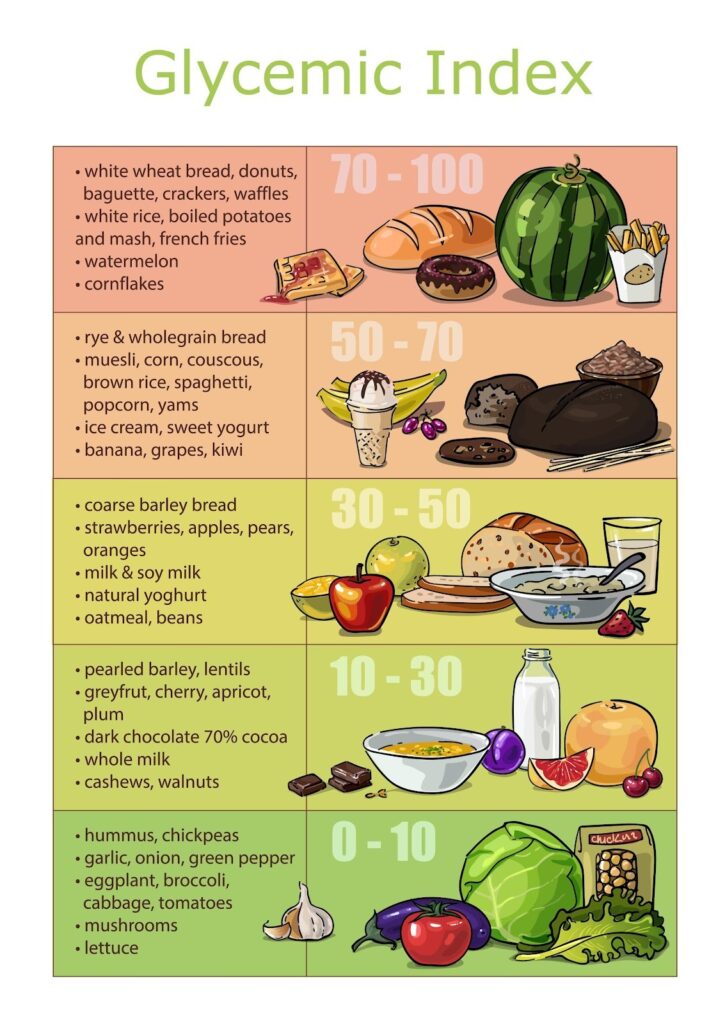
- Watch the Glycemic Index (GI): Choose foods with a low GI score to ensure a slow, steady release of energy.
Real-World Insight: The Power of Small Habits
“In practice, many patients find that ‘home remedies for diabetes’ aren’t about one-time fixes, but rather rhythmic habits. For example, a 10-minute walk after dinner can often support blood sugar control more effectively than a cabinet full of unproven supplements. Success comes from doing small things consistently.” — Registered Dietitian (Clinical Practice)
Herbs for Blood Sugar Control: A Supportive Role
When exploring herbs for blood sugar control, it is vital to remember these are supportive and not replacements for prescribed medication.
- Cinnamon: Some research indicates cinnamon may improve how cells respond to insulin, though it is a modest effect.
- Berberine: Some studies suggest berberine may help lower blood glucose levels by improving the way cells break down sugar. However, results vary significantly, and it can interact with other drugs.
- Fenugreek: High in fiber, these seeds may help slow the digestion of carbohydrates.
- American Ginseng: Some clinical evidence suggests it can improve the body’s sugar response after a meal.
Safety Warning: These supplements for diabetes support can be potent. If taken with medication, they may cause blood sugar to drop too low (hypoglycemia). Always consult your doctor before starting any herbal regimen.
Lifestyle Changes: Moving Toward Balance
Lifestyle changes for diabetes provide the internal environment your body needs to maintain stability.
Exercise for Blood Sugar Control
Muscle tissue is the primary consumer of glucose in your body. When you engage in exercise for blood sugar control, your muscles increase their glucose uptake and significantly improve insulin sensitivity.
- Aerobic Movement: Brisk walking or swimming for 30 minutes.
- Resistance Training: Building muscle through weightlifting helps create a larger “sink” for excess blood sugar.
Sleep and Stress Management
Chronic stress releases cortisol, which signals the liver to release more sugar into the blood. Similarly, even one night of poor sleep can increase insulin resistance. Managing these factors is a cornerstone of managing blood sugar naturally.
What to Avoid: The “Sugar Saboteurs”
To maximize the impact of your natural remedies for diabetes management, you must reduce common triggers:
- Sugary Beverages: Sodas and fruit juices cause immediate, dangerous spikes.
- Ultra-Processed Foods: These often contain “hidden” sugars and unhealthy fats that drive inflammation.
- Sedentary Behavior: Sitting for long periods makes your muscles less efficient at clearing glucose.
Step-by-Step: Your Natural Support Plan
- Consult Your Doctor: Share your plan to use natural ways to manage diabetes to ensure it aligns with your medications.
- Monitor Your Levels: Use your glucose monitor to track how different foods and activities affect your specific biology.
- Adopt the “10-Minute Rule”: Walk for 10 minutes after every major meal.
- Prioritize Protein and Fiber: Ensure every meal contains a source of both to stabilize energy.
- Focus on Sleep: Aim for 7–9 hours of quality rest to keep cortisol levels low.
Frequently Asked Questions (FAQ)
Which herbs for blood sugar control actually work?
Herbs like cinnamon and berberine have shown promise in clinical studies for supporting insulin health. However, they are not replacements for medicine. Their effectiveness depends heavily on your overall diet and lifestyle.
What are the fastest home remedies for diabetes spikes?
Drinking a glass of water and taking a short, brisk walk can help support blood sugar control in the short term. However, if you are on insulin or have frequent spikes, you must follow your doctor’s specific emergency protocol.
Can natural treatment for type 2 diabetes lead to remission?
For many, intensive lifestyle changes for diabetes—such as significant weight loss and dietary shifts—can lead to “remission” where blood sugar stays in a healthy range. This must always be confirmed by a medical professional.
Are there specific supplements for diabetes support that are essential?
While no supplement is “essential” for everyone, many benefit from Magnesium or Vitamin D if they are deficient. These should be tested via bloodwork and discussed with a healthcare provider first.
How does exercise for blood sugar control help exactly?
Physical activity makes your cells more sensitive to insulin. It also allows your muscles to use glucose for energy even when insulin levels are low, which helps clear excess sugar from the bloodstream more quickly.
Is managing blood sugar naturally safe for everyone?
Natural management through healthy eating and exercise is generally safe. However, adding potent herbs or making drastic changes can be dangerous for those on certain medications. Always seek medical guidance before changing your routine.
Conclusion: Small Steps, Big Impact
Managing blood sugar naturally is a journey of consistency rather than perfection. By focusing on foods that help lower blood sugar and incorporating daily movement, you are providing your body with the tools it needs to find balance. These remedies are powerful allies when used alongside a professional medical plan.
Your Action Plan:
Start today: choose one habit—like a 10-minute walk after meals—and track your blood sugar response. Small actions create measurable results.. Perhaps it is swapping your morning toast for eggs, or committing to a 10-minute walk after lunch. These small victories build the momentum needed for long-term metabolic health. Your body is capable of incredible change—start supporting it today.
Editorial Review
Reviewed By: Our Clinical Health Review Team
This article has been reviewed by registered dietitians and health specialists to ensure information is medically grounded, safe, and current.
Disclaimer
The information provided in this article is for educational and informational purposes only and should not be considered professional medical advice. Always consult with a qualified healthcare provider or physician before making changes to your medication, diet, or exercise routine, especially when managing a chronic condition like diabetes.
Sources & References:
- American Diabetes Association (2025). “Standards of Medical Care in Diabetes.” [diabetes.org]
- National Institutes of Health (2024). “Cinnamon and Berberine: Research on Glucose Control.” [nccih.nih.gov]
- Harvard T.H. Chan School of Public Health (2026). “Fiber’s Role in Metabolic Health.” [hsph.harvard.edu]
- The Lancet Diabetes & Endocrinology (2024). “Lifestyle Interventions in Type 2 Diabetes Remission.” [thelancet.com]