
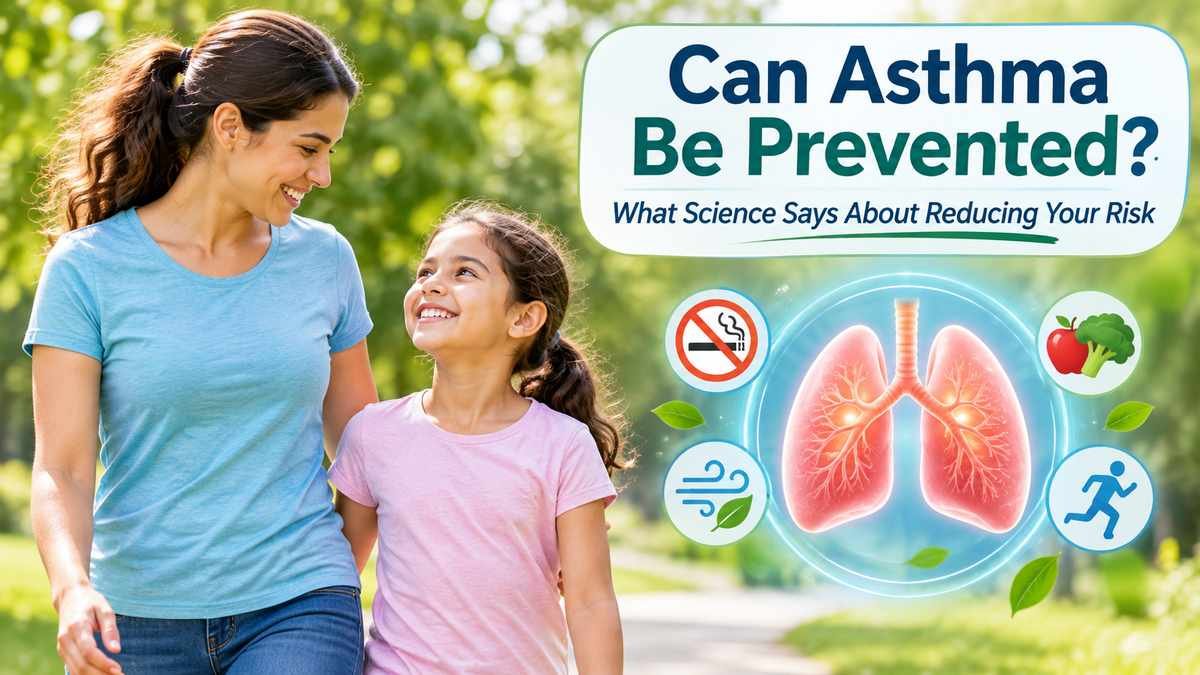

Can you prevent asthma before it ever develops? It is a fair question, especially for parents who have asthma themselves and worry about passing it on. The honest answer is that asthma cannot currently be prevented with certainty, but some steps may help lower the risk.
Asthma is a chronic respiratory condition that affects children and adults. It causes inflammation and narrowing of the airways, which can lead to wheezing, coughing, chest tightness, and shortness of breath. Prevention is difficult because genetics, allergies, early-life development, and environmental exposures all contribute, and no single cause explains every case.
This guide explains what science currently says about asthma prevention, which measures are worth considering, and which popular claims are not supported by evidence. It also separates two ideas that are often confused: preventing asthma from developing, and preventing asthma attacks in someone who already has it. For a deeper look at the factors involved, see our guide to asthma risk factors.
Quick Answer: Can Asthma Be Prevented?
Asthma cannot currently be prevented completely. However, reducing exposure to tobacco smoke, air pollution, and certain environmental irritants may help lower the risk of developing asthma. Genetics and early-life factors also play an important role.
Can Asthma Be Prevented Completely?
No guaranteed way to prevent asthma exists today. The World Health Organization (WHO) describes asthma as a condition that cannot be cured but can be controlled, and it identifies reducing tobacco smoke exposure as important for both primary prevention and disease management.
Researchers have not found one cause behind every case. Asthma tends to develop when genetic susceptibility meets environmental influences, often early in life. Some risk factors can be reduced, while others, such as family history, cannot be changed. Reducing risk is not the same as eliminating it.
Preventing Asthma vs. Preventing Asthma Attacks
These two goals are very different.
- Primary prevention means lowering the chance of developing asthma in the first place. This is the focus of the first half of this article.
- Attack prevention means reducing flare-ups and symptoms in a person who already has asthma. This relies on avoiding triggers, taking prescribed treatment, and following a written plan.
If you already have asthma, our guide to asthma treatment options explains how it is managed. For specific recommendations, the Global Initiative for Asthma (GINA) 2026 strategy report is the leading clinical guideline.
What Causes Asthma in the First Place?
Understanding the causes helps explain why prevention is hard. The National Heart, Lung, and Blood Institute (NHLBI) states that the exact causes are unknown and may differ from person to person.
Genetic Factors and Family History
Asthma often runs in families. Having a parent or sibling with asthma may raise a person’s likelihood of developing it, and WHO notes that asthma is more likely when a close relative has it. Still, genetic susceptibility does not mean a child will automatically develop the condition.
Allergies and Immune System Responses
Allergic conditions such as eczema and hay fever (allergic rhinitis) are associated with a higher risk of asthma. Many people with allergies never develop asthma, though, and some people with asthma have no allergies.
Environmental Exposures
Several exposures are linked to asthma, including tobacco smoke, indoor and outdoor air pollution, mold and damp indoor spaces, dust mites and other indoor allergens, and workplace chemicals, fumes, or dust. These are associations seen in research, and not every exposed person develops asthma.
Early-Life and Pregnancy-Related Factors
Premature birth, low birth weight, tobacco smoke exposure during pregnancy and infancy, and early respiratory infections have all been associated with later asthma. The lungs and immune system develop rapidly during this period, which is why it receives so much attention in prevention research. No single factor directly causes asthma in every individual.
8 Ways to Help Reduce the Risk of Developing Asthma
The measures below are risk-reduction opportunities, not guarantees. Many also support general health, so they are worth considering regardless.
1. Avoid Tobacco Smoke Exposure
Cigarette smoke can affect developing lungs. NHLBI notes that exposure in the womb or in a child’s first few years raises the risk of early asthma symptoms and may affect lung growth.
If you are pregnant, avoiding smoking is one of the most important steps you can take. Keep homes and vehicles smoke-free, and avoid secondhand smoke around babies and children. Vaping aerosols are also worth avoiding around children and during pregnancy, though the evidence on vaping and new asthma is less established than the evidence on tobacco smoke.
2. Reduce Exposure to Indoor and Outdoor Air Pollution
Traffic emissions, industrial pollution, and smoke from burning fuels can irritate the lungs. A 2025 analysis in The Lancet Respiratory Medicine listed nitrogen dioxide pollution among the modifiable risk factors it examined.
Where practical, check your local air-quality information and limit time outdoors during heavy pollution. Good ventilation and cleaner cooking fuels can reduce indoor exposure, especially in homes that burn solid fuels. Household air pollution is a notable regional concern in South Asia, according to a 2026 Lancet Respiratory Medicine analysis.
3. Keep Indoor Spaces Dry and Address Mold
Damp housing and mold are associated with respiratory problems. Repair leaks promptly, ventilate kitchens and bathrooms, and clean visible mold. Reducing mold supports respiratory health, but it does not guarantee that asthma will be prevented.
4. Support a Healthy Pregnancy
Pregnancy is an important period for lung development. Attend routine prenatal care, avoid tobacco smoke and harmful exposures, and discuss any documented nutritional deficiencies with your clinician.
Some research suggests that vitamin D or fish oil supplements during pregnancy may reduce wheezing in young children, but dosing is not established and supplements are not a proven asthma-prevention treatment. Do not start supplements for this purpose without medical guidance.
5. Encourage Healthy Eating Habits
A balanced diet with fruits, vegetables, whole grains, and other nutrient-rich foods supports general health. See our guides on what a balanced diet is and the benefits of eating vegetables.
Research on specific diets and asthma prevention is still limited. No particular food has been shown to prevent asthma, so avoid products that claim otherwise.
6. Maintain a Healthy Body Weight
Excess body weight is associated with a higher risk of asthma. In the 2025 Global Burden of Disease analysis, high body mass index was the largest contributor to asthma burden among the modifiable risk factors studied. A 2025 review in The Lancet Respiratory Medicine also points to reducing obesity at all ages as one way future asthma prevalence could be lowered.
Weight is one part of overall health and not a guaranteed prevention strategy. For a supportive overview, see our guide to weight management.
7. Use Antibiotics Responsibly
Some studies link early-life antibiotic exposure with later asthma. This is an association and does not prove that antibiotics cause asthma. Children may be given antibiotics because they already have infections or early symptoms.
Antibiotics should be used only when medically appropriate. Parents should never avoid or stop an antibiotic that a healthcare professional has prescribed.
8. Reduce Harmful Workplace Exposures
Workplace dust, chemicals, fumes, and some cleaning products can contribute to adult-onset asthma. NHLBI notes that breathing chemicals or industrial dust at work can raise risk in susceptible people.
Use protective equipment and ventilation as recommended. If breathing symptoms repeatedly appear at work and ease at home, talk with a clinician.
Can Parents Prevent Asthma in Their Children?
There is no guaranteed way to prevent childhood asthma, but reducing exposure to tobacco smoke and certain harmful environmental factors may help lower risk. Many parents feel responsible when a child develops asthma, but asthma is not caused by something a parent did wrong.
Helpful steps include avoiding tobacco smoke during pregnancy and after birth, keeping the home dry and well ventilated, and attending routine prenatal and pediatric visits. These are sensible for many reasons beyond asthma.
Some well-known ideas are less clear-cut:
- Breastfeeding has many established health benefits. The evidence that it protects against asthma specifically is inconclusive, so it should not be presented as a guaranteed prevention method.
- Allergen avoidance is not proven to prevent asthma. UK guidance from BTS/SIGN advises against measures such as dust mite avoidance or maternal food avoidance during pregnancy and breastfeeding for asthma prevention.
Parents should not make major dietary, medication, or environmental decisions based only on asthma-prevention claims. Ask your child’s pediatrician before changing feeding plans or restricting foods.
Can Adults Develop Asthma Later in Life?
Yes. Asthma is not only a childhood condition, and it can begin in adulthood even in people who never had symptoms as children.
Occupational exposures, smoking, air pollution, and workplace irritants are relevant risk factors. Some adults mistake asthma for recurring bronchitis or a lingering cough, which can delay diagnosis. See our overview of what causes a cough for other possibilities.
Avoiding harmful exposures may reduce certain risks, but adults cannot eliminate their chances of developing asthma entirely. Persistent wheezing, coughing, or breathing difficulty deserves medical evaluation, since other conditions can look similar.
How to Prevent Asthma Attacks If You Already Have Asthma
If you already have asthma, “prevention” means keeping symptoms under control. This is a different goal from preventing the disease itself.
Identify and Manage Your Triggers
Triggers vary from person to person. Common ones include dust mites, mold, pollen, animal allergens, tobacco smoke, respiratory infections, strong fragrances and fumes, cold air, and air pollution. A symptom diary can help you and your clinician see patterns.
Follow Your Prescribed Asthma Treatment
Prescribed treatment is the foundation of asthma control. WHO notes that inhaled corticosteroids reduce airway inflammation and lower the risk of severe attacks. Use your inhaler as directed, ask a clinician or pharmacist to check your technique, and never stop prescribed medication without medical guidance.
Create a Written Asthma Action Plan
An asthma action plan is a written guide, created with your healthcare provider, that explains your daily medicines, how to recognize worsening symptoms, and when to seek emergency care. The CDC offers action plan templates to discuss with your clinician. Keep regular follow-up visits so the plan can be reviewed.
Common Myths About Asthma Prevention
| Myth | Fact |
|---|---|
| Asthma is completely preventable. | No guaranteed prevention method currently exists. |
| Asthma is always inherited. | Genetics contribute, but environmental factors also matter. |
| Avoiding all allergens prevents asthma. | Universal allergen avoidance has not been proven to prevent asthma. |
| Certain foods can prevent asthma. | No specific food has been established as an asthma-prevention treatment. |
| Only children develop asthma. | Adults can develop asthma too. |
| People with asthma should avoid exercise. | With appropriate treatment, most people with asthma can stay physically active. |
When Should You See a Doctor?
See a healthcare professional if you or your child has any of the following:
- Repeated wheezing
- Persistent or recurring cough, especially at night
- Shortness of breath
- Chest tightness
- Breathing difficulty during physical activity
- Symptoms that worsen around smoke, dust, or workplace exposures
These symptoms do not automatically mean asthma. A clinician can evaluate them and decide whether testing is needed. Read more about shortness of breath and its possible causes.
Severe trouble breathing, being unable to speak normally because of breathlessness, blue or gray lips, or rapidly worsening symptoms is an emergency. Call 911 or your local emergency number right away.
Frequently Asked Questions About Preventing Asthma
Can asthma be prevented naturally?
Healthy habits and less exposure to harmful environmental factors may support respiratory health. However, no natural remedy, food, or supplement has been proven to prevent asthma. Be cautious with products that promise otherwise.
Can a child develop asthma if neither parent has it?
Yes. Asthma can develop in children with no family history because genetic and environmental factors both contribute. NHLBI notes that the causes differ from person to person.
Does avoiding dust prevent asthma?
Reducing dust may help people whose symptoms are triggered by dust mites. Avoiding dust has not been established as a way to stop asthma from developing in the first place, and BTS/SIGN advises against dust mite avoidance for primary prevention.
Can adults prevent themselves from developing asthma?
Adults can reduce certain risks, especially tobacco smoke and workplace irritants. Complete prevention is not guaranteed, and a healthy weight and clean indoor air also support lung health.
Does breastfeeding prevent asthma?
Breastfeeding offers several established health benefits for babies and mothers. Evidence that it prevents asthma is inconclusive, so it should not be seen as a proven prevention method.
Can exercise prevent asthma?
Exercise supports overall health, but it is not an established way to prevent asthma. People who already have asthma can generally exercise safely when their asthma is well managed. See the benefits of exercise for general guidance.
Final Thoughts: Can Asthma Be Prevented?
Asthma cannot currently be prevented with certainty, because genetics and environmental exposures both shape who develops it. Avoiding tobacco smoke, improving air quality, and keeping homes and workplaces healthier may help lower some risks. Children and adults can both develop asthma, and people who already have it can take real steps to prevent attacks.
Although complete prevention is not possible, evidence-informed choices support better respiratory health, so talk with a healthcare professional about your own situation.
For wider habits, see our guides on preventive health and how to live a healthy lifestyle.
Sources
- World Health Organization. Asthma fact sheet (April 2026).
- National Heart, Lung, and Blood Institute. Asthma causes and triggers.
- Global Initiative for Asthma. 2026 GINA Strategy Report.
- Jayasooriya SM, Devereux G, Soriano JB, Singh N. Asthma: epidemiology, risk factors, and opportunities for prevention and treatment. The Lancet Respiratory Medicine, 2025.
- GBD 2021 Asthma and Atopic Dermatitis Collaborators. Global, regional, and national burden of asthma and atopic dermatitis, 1990 to 2021. The Lancet Respiratory Medicine, 2025.
- Burden of chronic respiratory disease in Asia, 1990 to 2023. The Lancet Respiratory Medicine, 2026.
- BTS/SIGN. Primary prevention of asthma (British guideline on the management of asthma).
- Centers for Disease Control and Prevention. Asthma action plans.
Medical Disclaimer: This article is for general educational purposes only and is not medical advice. It cannot tell you whether you or your child will develop asthma, and it does not replace the guidance of a doctor or other qualified healthcare professional. Please talk with a clinician before changing medications, diets, or supplements. If you or someone else has severe trouble breathing, blue or gray lips, confusion, or symptoms that are quickly getting worse, call 911 or your local emergency number right away.
2 thoughts on “Can Asthma Be Prevented? What Science Says About Reducing Your Risk”
Comments are closed.