
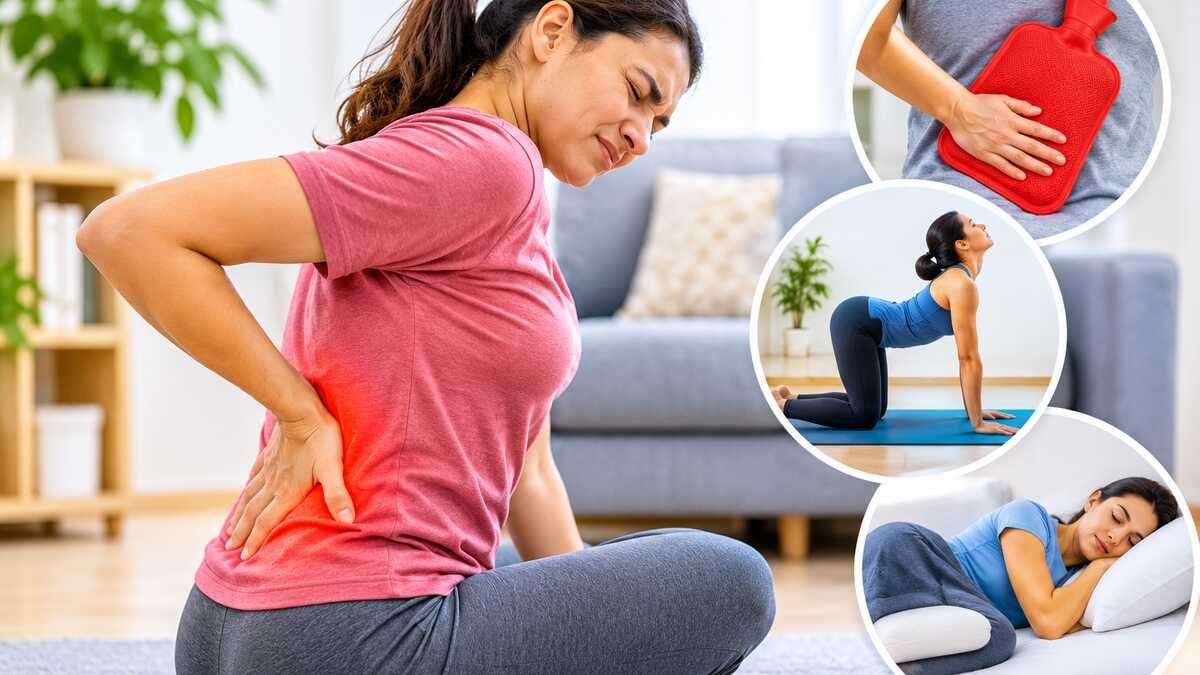

Back pain can make simple things feel hard. Sitting at a desk, walking to the kitchen, getting into bed, or bending to pick something up may all become uncomfortable. If you are wondering how to relieve back pain at home, you are in good company, because it is one of the most common health complaints.
The reassuring news is that many everyday episodes improve over time. Mayo Clinic notes that simple home treatment and using the body correctly can often heal the back within a few weeks. Gentle movement, heat or cold packs, comfortable positions, and a gradual return to activity are the foundation of most home care. Prolonged bed rest is generally not recommended for uncomplicated back pain. mayoclinic
This guide covers practical ways to ease discomfort, simple exercises, sleeping positions, medication safety, and the warning signs that mean it is time to stop self-care and get help. If you want to understand the “why” first, read our guide on the common causes of back pain.
Can You Relieve Back Pain at Home?
You can often relieve common back pain at home by staying gently active, applying heat or cold packs, changing positions regularly, and doing appropriate gentle exercises. Comfortable sleeping positions, adequate rest, and gradual movement may also help. Avoid prolonged bed rest, and consult a healthcare professional if pain persists, worsens, or comes with concerning symptoms.
Many cases of uncomplicated back pain can be managed first with self-care. The World Health Organization (WHO) notes that in most cases of acute low back pain, symptoms go away on their own and most people recover well. Read more in the WHO low back pain fact sheet. who
Home treatment is not right for every cause of back pain, though. Pain after a serious injury, or pain with fever, weakness, or bladder or bowel changes, needs medical care. We cover those signs in detail below. If you are not sure what your pain feels like or how it compares with typical patterns, our guide on what back pain feels like can help you describe it.
10 Ways to Relieve Back Pain at Home
1. Stay Gently Active
Movement is one of the most important things you can do. MedlinePlus states that bed rest is not recommended for back pain without signs of a serious cause, and that you should stay as active as possible. The American College of Physicians (ACP) also advises people with any type of low back pain to stay as active as pain allows. untaafp
You may need to slow down for the first day or two. After that, return to daily activities and take short walks. Our walking for health guide can help you build up gradually.
2. Use Heat Therapy
A warm compress, heating pad, warm bath, or hot shower may ease muscle stiffness. The ACP guideline lists superficial heat among the initial nonpharmacologic options for acute and subacute low back pain. You can read the ACP guideline summary for details. nih
Place a towel or cloth between the heat source and your skin. Keep sessions to about 15 to 20 minutes. Do not fall asleep on a heating pad, and avoid heat on skin that is numb or injured.
3. Try Cold Therapy
Cold packs are often used after a recent strain. MedlinePlus suggests using ice for the first 48 to 72 hours, then switching to heat. The NHS suggests wrapping an ice pack or a bag of frozen peas in a tea towel. medlineplusnhs.uk
Never place ice directly on your skin. Stop if you notice skin irritation or numbness. Some people find cold helps and others prefer heat, so choose what feels better for you.
4. Change Positions Regularly
Staying in one position for too long can stiffen the back. Stand up, stretch, and walk for a minute or two every so often. Alternate between comfortable positions, and avoid movements that clearly make symptoms much worse.
5. Improve Your Sitting Position
Support the curve of your lower back with a small cushion or rolled towel. Keep your feet comfortably supported, and set your screen at a height that does not make you hunch. Avoid slouching for long stretches.
Our guides on what causes poor posture and how to build a good desk posture habit give practical setup ideas. Note that Mayo Clinic reports no good evidence that special shoes, inserts, back supports, or specially designed furniture prevent or relieve back pain. Comfort and regular movement matter more than gadgets. mayoclinic
6. Get Enough Sleep
Pain can disturb sleep, and poor sleep can make pain feel worse. The National Institute of Arthritis and Musculoskeletal and Skin Diseases (NIAMS) notes that chronic poor sleep, depression, or anxiety can make back pain more frequent and more severe. Keep a regular sleep routine, and see our guide on how to improve sleep for habits that help. nih
7. Reduce Heavy Lifting
During a painful episode, avoid heavy or repetitive lifting. When you must lift, keep the load close to your body, bend at the knees, and avoid sudden twisting. Mayo Clinic also advises holding the load close to the body and finding a lifting partner if the object is heavy or awkward. Resume physical tasks gradually as symptoms improve. mayoclinic
8. Practice Gentle Relaxation
Stress can tighten muscles and may make pain feel more intense. Slow breathing, gentle stretching, and quiet rest breaks can help you relax. Our guides on how to reduce stress and the benefits of deep breathing offer simple starting points.
9. Set Up a Comfortable Sleeping Environment
Choose a mattress and pillows that feel comfortable to you. Mayo Clinic notes that there does not appear to be one type of mattress that is best for people with back pain. Details on positions follow in the sleeping section below. mayoclinic
10. Follow a Gradual Recovery Routine
Do not rush back into hard workouts. Increase activity step by step, and watch how your back responds. If recovery stalls, or symptoms get worse, ask a healthcare professional for guidance.
Best Home Remedies for Back Pain Relief
These options may help some people, but none works for everyone. They are best seen as comfort measures alongside movement.
Heat Packs and Warm Compresses
Warmth may ease stiffness and muscle spasms. A heating pad, warm towel, or moist heat pack can be used for short sessions with a cloth barrier.
Cold Packs and Ice Therapy
Cold may offer short-term relief, particularly soon after a strain. Use it for short periods and always protect your skin.
Heat Versus Cold at a Glance
| Heat | Cold | |
|---|---|---|
| Often used for | Muscle stiffness, tightness | Recent strain, soreness |
| Typical timing | Any time, often after the first couple of days | Often early, in the first days |
| Session length | About 15 to 20 minutes | About 15 to 20 minutes |
| Precautions | Cloth barrier; avoid sleeping on a heating pad | Cloth barrier; never directly on skin |
Guidance varies. MedlinePlus suggests ice first and heat later, while the ACP guideline highlights heat. Try what feels better for you.
Warm Baths and Showers
A warm shower or bath can temporarily relax muscles and make gentle movement easier. Keep the water comfortably warm, not scalding.
Gentle Massage
The ACP guideline summary reports that massage may improve pain and function in the short term for subacute pain, based on low-quality evidence. If you try it, use gentle pressure and avoid pressing hard on painful spots. Seek advice if pain is persistent or unusual. aafp
Hydration and Healthy Nutrition
No specific food or drink has been shown to cure back pain. Still, staying hydrated and eating a balanced diet supports overall health and recovery. See our guides on the benefits of hydration and what a balanced diet is.
Be cautious with miracle remedies, herbal products, or unproven “detox” products marketed for back pain. If something sounds too good to be true, check with a clinician or pharmacist first.
Best Exercises and Stretches for Back Pain Relief
Exercise should be gentle at first. There is no single best movement for everyone. The NHS notes that the type of exercise is not important as long as it does not cause pain or make your back pain worse. For a longer program, see our guide on exercises for lower back pain. nhs.uk
1. Walking
Walking helps maintain mobility without heavy strain. The NHS lists walking, swimming, yoga, and pilates as activities that may help ease back pain. Start with short distances, then increase gradually as comfort allows. nhs.uk
2. Knee-to-Chest Stretch
Lie on your back with your knees bent. Gently draw one knee toward your chest, hold for a few seconds, then lower it and switch sides. Move slowly and stop if pain increases.
3. Cat-Cow Stretch
Start on your hands and knees. Slowly round your back toward the ceiling, then gently let it sag toward the floor. Keep the movement slow and controlled, and stay within a comfortable range.
4. Pelvic Tilts
Lie on your back with knees bent and feet flat. Gently tighten your abdominal muscles and tilt your pelvis so your lower back presses lightly toward the floor. Hold briefly, release, and repeat a few times.
5. Gentle Hamstring Stretch
Lie on your back and loop a towel around one foot. Raise the leg gently until you feel a mild stretch behind the thigh. Do not force it or bounce. Our guide on how to improve flexibility offers more background.
6. Bird-Dog Exercise
From hands and knees, extend one arm forward and the opposite leg back, keeping your hips level. Hold briefly, return, and switch sides. Begin with small movements and focus on balance.
Exercise safety:
- Start slowly and pick movements that feel comfortable.
- Never force a stretch.
- Stop if you have worsening pain, new numbness, or symptoms that spread down a leg.
- Ask a clinician or physical therapist first if you have a significant injury, a medical condition, or neurological symptoms.
For longer-term strength, our strength training for beginners guide may help once your pain has settled. The benefits of exercise are well worth building into your routine.
Best Sleeping Positions for Back Pain Relief
There is no perfect position for everyone. Comfort and support matter most.
Sleeping on Your Side
Mayo Clinic suggests drawing your legs up slightly toward your chest and placing a pillow between your legs. This helps align the spine, pelvis, and hips and takes pressure off the spine. A full-length body pillow can work too. Try to avoid twisting your upper body. mayoclinic
Sleeping on Your Back
For back sleepers, Mayo Clinic suggests a pillow under the knees, which may help relax the back muscles and maintain the curve of the lower back. A small rolled towel under the waist can add support. Keep your neck supported with a pillow that holds it in line with your chest and back.
Sleeping on Your Stomach
Mayo Clinic notes that stomach sleeping can be hard on the back and suggests trying other positions if possible. If you cannot sleep any other way, a thin pillow under your lower abdomen may reduce strain. See the full Mayo Clinic guide to sleeping positions. saudigermanhealth
Choosing a Comfortable Mattress and Pillow
Pick what feels comfortable and supportive. No single mattress is best for everyone, and an old, sagging mattress or a poorly fitting pillow may add to discomfort.
Lifestyle Changes That Can Help Prevent Recurring Back Pain
Maintain Regular Physical Activity
WHO lists low physical activity among the risk factors for non-specific low back pain. Aim for consistent, gradual movement. who
Strengthen Core and Back Muscles
Mayo Clinic recommends exercises that build muscle strength and flexibility, including abdominal and back muscle exercises. Strong supporting muscles help the body handle everyday movement. mayoclinic
Maintain a Healthy Body Weight
Mayo Clinic notes that excess weight strains back muscles. Our guide to weight management offers practical information. mayoclinic
Improve Workplace Ergonomics
Adjust your chair and desk height, keep frequently used items within easy reach, and take regular movement breaks. Our article on the benefits of good desk posture explains why this matters.
Manage Stress and Improve Sleep
Stress and poor sleep can add to pain. Building relaxation and a steady sleep routine supports recovery. For broader habits, see our preventive health guide.
Can You Take Medicine for Back Pain at Home?
Medication can help some people keep moving, but it is not for everyone, and it should not replace movement.
Over-the-Counter Pain Relief
The ACP guideline says that if drug therapy is desired for acute or subacute low back pain, NSAIDs or skeletal muscle relaxants are options. NSAIDs include ibuprofen and naproxen. The NHS notes these may not be suitable for everyone and that paracetamol (acetaminophen) alone is not recommended for back pain. The ACP review likewise found acetaminophen was not better than placebo for pain outcomes in acute or subacute low back pain. acponlinenhs.uk
NSAIDs carry risks. They can raise the chance of stomach or intestinal bleeding and acute kidney injury, and can worsen heart failure and kidney disease. The FDA requires warnings on NSAID packaging about heart risks. Experts advise talking to a doctor before using over-the-counter NSAIDs for longer than 10 days. uofmhealthummhealth
Why You Should Avoid Self-Medicating
- Check labels so you do not take two products with the same active ingredient.
- Do not exceed recommended doses.
- Tell a healthcare provider or pharmacist about all the medicines you take, because NSAIDs can interact with some of them. cedars-sinai
- Stronger codeine-containing painkillers can cause addiction and should only be used for a few days, according to NHS guidance. Avoid prescription painkillers without medical supervision. nidirect
Ask a pharmacist or clinician which option suits your health history. Medication choices depend on individual circumstances.
When Should You See a Doctor for Back Pain?
When Home Treatment Is Not Enough
NIAMS recommends seeing a doctor if your pain does not improve after a few weeks. Arrange a medical assessment if: nih
- Back pain lasts several weeks without improvement
- Pain keeps getting worse
- Pain interferes with normal daily activities
- Pain follows a significant injury or fall
- Fever or unexplained weight loss comes with the pain
- Pain is severe, unusual, or concerning
The NHS also advises urgent advice if you feel hot, cold, shivery, or generally unwell, or if severe pain starts suddenly or is getting worse quickly. See the NHS back pain page. nhs.uk
Emergency Warning Signs
Get emergency care right away if back pain occurs with:
- New loss of bladder or bowel control
- Numbness around the genitals, anus, or saddle area
- Significant or worsening weakness in both legs
The NHS directs people with pain, tingling, weakness, or numbness in both legs, or loss of feeling around the genitals or anus, to call 999 or go to A&E. In the United States, call 911 or go to the nearest emergency department. Do not keep trying home remedies if you have any of these symptoms. nhs.uk
Frequently Asked Questions About Relieving Back Pain at Home
What is the fastest way to relieve back pain at home?
There is no single fastest fix. Gentle movement, heat or cold packs, and comfortable positions are the usual first steps, and many people find a combination works best. MedlinePlus advises staying active rather than resting for long periods.
Is heat or ice better for back pain?
Neither is better for everyone. MedlinePlus suggests ice for the first 48 to 72 hours and heat afterward, while the ACP guideline highlights heat for acute and subacute pain. Use whichever feels better, and protect your skin.
What is the best sleeping position for back pain?
Side sleeping with a pillow between the knees, or back sleeping with a pillow under the knees, are commonly suggested. Mayo Clinic describes both. Choose the position that feels most comfortable and supported.
Can walking help relieve back pain?
For many people, yes. Gentle walking helps keep the back moving and avoids the stiffness of prolonged rest. The NHS lists walking among activities that may help ease back pain.
Which exercises are best for lower back pain?
There is no single best exercise. Gentle options such as walking, pelvic tilts, and knee-to-chest stretches are common starting points, but the right choice depends on your situation. See our guide on exercises for lower back pain and stop anything that worsens your pain.
Should I rest or keep moving when my back hurts?
Short rest in the first day or two is fine, but staying in bed is not recommended. MedlinePlus advises returning to normal activity as symptoms allow. Gradual movement is generally better than long periods of rest.
How long does back pain take to improve?
Many episodes improve within a few weeks. Mayo Clinic says most back pain improves over time with home treatment, often within a few weeks. See a clinician if pain lasts longer or worsens.
Can back pain go away on its own?
Often, yes. WHO notes that in most cases of acute low back pain, symptoms go away on their own. For some people the pain continues and becomes chronic, so seek advice if it does not settle.
Conclusion
Most everyday back pain can be eased at home with gentle movement, heat or cold packs, comfortable sleeping positions, and a gradual return to activity. Simple exercises and better habits may help you recover and may lower the chance of repeat episodes. Medication can play a role for some people, but it should be used carefully and with professional advice.
Home care is not enough for every case. Seek medical advice if pain persists, worsens, or comes with fever, weight loss, or leg weakness. Get emergency care right away for bladder or bowel changes, saddle-area numbness, or weakness in both legs.
To learn more about the reasons behind your symptoms, read our guide on what causes back pain.
Sources
- MedlinePlus. Taking Care of Your Back at Home
- NHS. Back Pain Overview
- NHS. Back Pain: Treatment
- NHS. Back Pain: Causes
- World Health Organization. Low Back Pain Fact Sheet
- National Institute of Arthritis and Musculoskeletal and Skin Diseases. Back Pain
- Mayo Clinic. Back Pain: Symptoms and Causes
- Mayo Clinic. Sleeping Positions That Reduce Back Pain
- Qaseem A, et al. Noninvasive Treatments for Acute, Subacute, and Chronic Low Back Pain: A Clinical Practice Guideline From the American College of Physicians. Annals of Internal Medicine, 2017.
- American Family Physician. Low Back Pain: ACP Practice Guideline on Noninvasive Treatments
- University of Michigan Health. Nonsteroidal Anti-Inflammatory Drugs (NSAIDs)
Medical Disclaimer: This article is for general educational purposes only and is not medical advice. Home care may not be right for everyone, and only a qualified healthcare professional who knows your health history can diagnose the cause of back pain or recommend treatment, including medicines and exercises. If you have severe, worsening, or unusual back pain, or any emergency warning signs, contact a healthcare provider or emergency services right away.
1 thought on “How to Relieve Back Pain at Home: Effective Remedies, Exercises, and Tips”
Comments are closed.