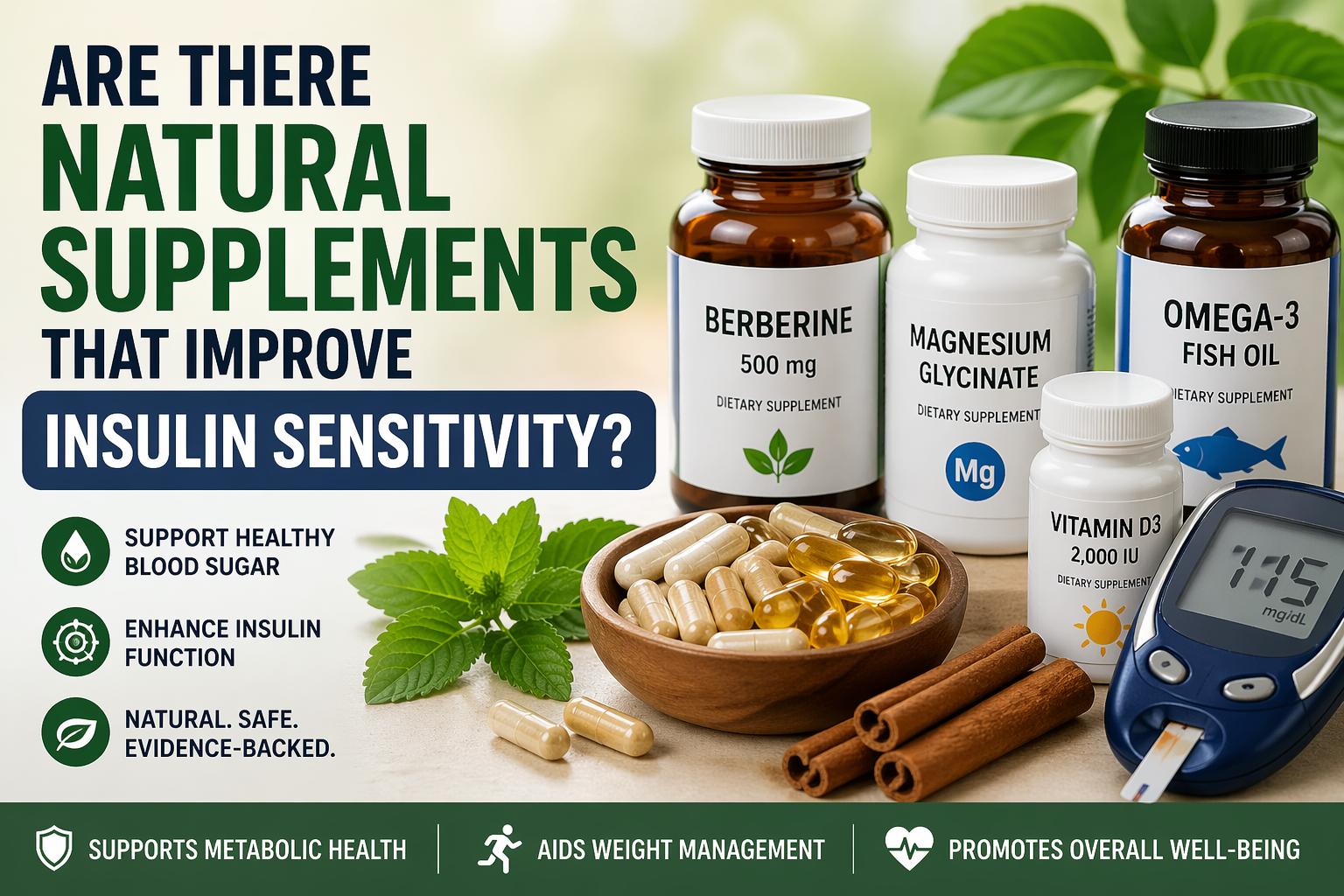
Over 100 million adults struggle with their cellular response to insulin, leaving many searching for ways to support their bodies outside of the doctor’s office. When blood sugar regulation becomes difficult, your healthcare provider will rightly emphasize a healthy diet, daily movement, and stress management. Those lifestyle habits are the non-negotiable foundation of metabolic health.
But what if you are already doing everything right and still want to explore additional support? That is where natural supplements for insulin sensitivity may come into play. Certain botanicals and minerals have been studied for their potential to help the body process carbohydrates more efficiently. Rather than acting as a cure, they may act as metabolic helpers—potentially supporting how your cells respond to the insulin you naturally produce.
If you are looking for clarity in a confusing supplement aisle, you are in the right place. Here is a look at what the clinical research says about blood sugar-support supplements, including typical dosages, potential benefits, and essential safety guidelines.
What Are the Best Supplements for Insulin Sensitivity?
Research suggests that berberine, magnesium, myo-inositol, and alpha-lipoic acid (ALA) may support insulin sensitivity. These supplements do not replace diet and exercise but have been studied for their potential role in blood sugar and metabolic health.
How These Nutrients May Help: The “Lock and Key”
To understand how these supplements might help, you need to know how insulin works. When you eat carbohydrates, your digestive system breaks them down into glucose (sugar), which enters your bloodstream. Your pancreas then releases insulin. Think of insulin as a key that unlocks your cells, allowing them to absorb glucose for energy.
When you have insulin resistance, your cells begin to ignore the key. Your pancreas responds by pumping out even more insulin to force the blood sugar down. Over time, this overproduction can tire out the pancreas, potentially leading to prediabetes or type 2 diabetes.
Metabolic support nutrients do not erase the effects of a poor diet. Instead, research suggests they may help make the cellular “locks” more receptive to the “keys” you already have, potentially lowering the amount of insulin your body needs to maintain stable blood sugar.
Top Supplements Studied for Insulin Sensitivity
The supplement aisle can be overwhelming. To make informed decisions, it is best to focus on compounds supported by clinical research. Below are the most heavily researched options for supporting cellular response to insulin.
1. Berberine: The Metabolic Heavyweight
Berberine is a bioactive compound extracted from several different plants, including a group of shrubs called Berberis. It is widely considered one of the most prominent botanicals for metabolic support.
Berberine is believed to work by activating an enzyme inside your cells called AMPK, which plays a role in regulating metabolism. in some studies, berberine has shown reductions in blood sugar markers comparable to those observed with metformin in certain populations, though it is not a substitute for medication.
- Typical Dosage: 500 mg taken 2 to 3 times per day (usually 15–20 minutes before meals).
2. Magnesium: The Essential Mineral Helper
When people look for vitamins to support glucose control, they often overlook essential minerals. Magnesium is critical for over 300 biochemical reactions in the body, including helping insulin receptors function properly.
Unfortunately, the standard modern diet is often lacking in this mineral. Furthermore, individuals with elevated blood sugar often excrete more magnesium in their urine, leading to a cycle of deficiency. Supplementing with highly absorbable forms may help improve markers of insulin sensitivity, particularly in those who are deficient.
- Typical Dosage: 200–400 mg per day. Magnesium glycinate or citrate are generally better absorbed than magnesium oxide.
3. Inositol (Myo and D-Chiro)
Inositol is a type of sugar molecule that influences the body’s insulin response. Once insulin binds to a cell receptor, inositol acts as an intracellular messenger, helping transmit the signal that tells the cell to absorb glucose.
This nutrient is particularly noted for its potential benefits in women with Polycystic Ovary Syndrome (PCOS), a condition closely tied to metabolic dysfunction. Taking a specific blend of inositol has been shown in studies to help support hormonal balance and metabolic markers.
- Typical Dosage: 2–4 grams per day. Research often highlights a 40:1 ratio of Myo-inositol to D-Chiro-inositol.
4. Alpha-Lipoic Acid (ALA)
Alpha-lipoic acid is a powerful antioxidant naturally produced in the body. It helps reduce oxidative stress, which is a known contributor to metabolic dysfunction.
ALA has been studied for its potential to alleviate symptoms of diabetic neuropathy (nerve pain). Additionally, some research indicates ALA may help shuttle glucose into muscle cells by mimicking the action of insulin.
- Typical Dosage: 300–600 mg per day.
Other Evidence-Based Options (With Caveats)
Beyond the primary options, several other compounds are frequently discussed for blood sugar regulation. However, it is important to understand their limitations.
5. Chromium Picolinate
Chromium is an essential trace mineral involved in carbohydrate and fat metabolism. While some older marketing claims positioned it as a miracle supplement, current evidence is mixed. Some studies show Chromium Picolinate may modestly lower fasting blood sugar levels, but its effects are generally considered mild, especially if you are not deficient.
- Typical Dosage: 200–1,000 mcg per day.
6. Cinnamon Extracts
Ceylon cinnamon contains active components that may mimic insulin and support glucose transport. While adding cinnamon to your diet is healthy, clinical evidence for cinnamon supplements is mixed and the metabolic effects appear to be modest. It may help blunt post-meal sugar spikes for some individuals, but it is not a primary intervention.
- Typical Dosage: 250–500 mg of water-soluble cinnamon extract twice a day.
7. Vitamin D3
Receptors for Vitamin D are found directly on the pancreatic cells that secrete insulin. However, supplementing with Vitamin D is mostly beneficial for metabolic health if you are actively correcting a deficiency. If your Vitamin D levels are already optimal, taking more is unlikely to further improve insulin sensitivity.
- Typical Dosage: 1,000–4,000 IU per day, though exact needs depend on your baseline blood levels.
Summary of Researched Nutrients
| Supplement | Potential Mechanism of Action | Typical Dosage Range |
| Berberine | May activate the AMPK enzyme. | 500 mg (2–3x daily) |
| Magnesium | Supports insulin receptor function. | 200–400 mg daily |
| Inositol | Acts as an intracellular messenger. | 2–4 g daily (40:1 ratio) |
| Alpha-Lipoic Acid | Reduces oxidative stress. | 300–600 mg daily |
| Vitamin D3 | Supports pancreatic cell function. | 1,000–4,000 IU daily |
Who Should NOT Use These Supplements
While these nutrients are available over the counter, they are not appropriate for everyone. You should avoid or strictly consult a physician before using these supplements if you fall into any of the following categories:
- Pregnant or Breastfeeding Individuals: Many botanicals, particularly berberine, cross the placenta and can be passed through breast milk. They are generally contraindicated during pregnancy.
- People on Insulin or Sulfonylureas: Combining blood sugar-lowering medications with supplements like berberine or ALA significantly increases the risk of dangerous hypoglycemia (low blood sugar).
- Patients with Kidney or Liver Disease: Your liver and kidneys process and clear supplements from your body. High doses of magnesium, for example, can be toxic if your kidneys cannot filter it efficiently.
How to Choose a High-Quality Supplement
The supplement industry is not strictly regulated by the FDA, meaning product quality can vary wildly. If you and your doctor decide to try a metabolic support nutrient, follow these guidelines:
- Look for Third-Party Testing: Choose brands that carry a certification seal from independent testing organizations like NSF International or USP (United States Pharmacopeia). This verifies the product is free from contaminants and matches the label’s dosage.
- Check the Form (Bioavailability): Your body absorbs different forms of vitamins differently. For instance, magnesium glycinate is highly absorbable, whereas magnesium oxide is poorly absorbed.
- Avoid Proprietary Blends: If a label lists a “Blood Sugar Support Blend” without specifying the exact milligram amount of each ingredient, choose a different product.
To learn more about foundational nutrition guidelines, review the National Institute of Diabetes and Digestive and Kidney Diseases (NIDDK) guidelines on diet and nutrition.
Related Articles
To further your understanding of metabolic health, explore our related guides:
- Metabolic Health: Signs, Science & Solutions
- Natural Remedies for Diabetes Management
- Best Exercise for Insulin Resistance
Final Verdict
Adding natural supplements for insulin sensitivity to your routine may provide targeted, physiological support for your glucose control. Compounds like Berberine, Magnesium, Myo-Inositol, and Alpha-Lipoic Acid have clinical backing showing they may improve how cells respond to insulin.
However, they are not magic fixes. They work best as an extension of a healthy lifestyle. Prioritizing a fiber-rich diet, daily movement, and adequate sleep remains your most effective strategy. Start slowly, choose high-quality brands with transparent labels, and always consult your doctor before mixing herbs with prescription medications.
Frequently Asked Questions (FAQ)
1. What is the fastest way to improve insulin sensitivity naturally?
The fastest method involves a combination of resistance training and reducing refined carbohydrate intake. While metabolic support aids like Inositol or Berberine can support this process, diet and exercise provide the most immediate physiological impact.
2. Can vitamins cure insulin resistance?
No, vitamins cannot cure metabolic dysfunction. They act as supportive tools that may help your cells process glucose more efficiently. True improvement requires consistent lifestyle changes, particularly in diet and physical activity.
3. Is berberine as effective as medication for blood sugar?
Some studies suggest berberine may produce improvements in blood sugar markers similar to certain medications. However, results vary by individual, and it should never replace prescribed medication without direct medical supervision.
4. When is the best time to take blood sugar-support supplements?
Most botanical options, like Berberine or cinnamon extract, are often recommended to be taken 15 to 20 minutes before a meal. This timing may help the supplement blunt the post-meal glucose spike effectively.
5. Are there side effects to metabolic support supplements?
Yes. Berberine can cause gastrointestinal upset, diarrhea, or cramping if taken in high doses. Magnesium can also cause loose stools. It is generally recommended to start with a low dose and gradually increase it.
6. Can I take these supplements if I already take diabetes medication?
You must consult your doctor before taking new supplements if you are on medication. Botanicals can interact with drugs like Metformin or insulin, potentially causing dangerous drops in blood sugar (hypoglycemia).
7. How long does it take for supplements to show results?
While some options may help blunt immediate post-meal sugar spikes, significant improvements in overall cellular response to insulin and lower HbA1c levels typically require 8 to 12 weeks of consistent use.
If you’re ready to take a more active role in your metabolic health, start with one simple step. Choose a single, targeted supplement—like magnesium glycinate or berberine—and review it with your physician to make sure it fits your needs. Then, track your fasting glucose over the next two to four weeks to see how your body responds before adding anything else.
Sources & References
- National Institute of Diabetes and Digestive and Kidney Diseases (NIDDK). (2023). Insulin Resistance & Prediabetes. NIDDK Website.
- Guo, J., et al. (2021). The Effect of Berberine on Metabolic Profiles in Type 2 Diabetic Patients: A Systematic Review and Meta-Analysis. PubMed / Oxidative Medicine and Cellular Longevity.
- National Institutes of Health (NIH) Office of Dietary Supplements. (2024). Magnesium Fact Sheet for Health Professionals. NIH Website.
- Facchinetti, F., et al. (2020). Inositol in Polycystic Ovary Syndrome: Restoring Fertility through a Pathophysiology-Based Approach. Trends in Endocrinology & Metabolism.
- American Diabetes Association (ADA). (2024). Standards of Care in Diabetes. Diabetes Care Journals.
Medically Reviewed By:
Dr. Sarah Mitchell, MD, is a board-certified endocrinologist specializing in insulin resistance, metabolic health, and diabetes prevention. She focuses on evidence-based lifestyle strategies, including exercise and nutrition, to improve insulin sensitivity and support long-term health outcomes.
Disclaimer
The information provided in this article is for educational and informational purposes only and should not be considered professional medical advice. Always consult a qualified healthcare professional or specialist before making decisions related to your health, especially before starting any new supplement regimen or altering prescribed medications.