For decades, we viewed health through the narrow lens of the scale. If the number was low, we assumed we were healthy; if it was high, we assumed we weren’t. However, as we move through 2026, the medical community has shifted its focus to a much more accurate predictor of longevity and well-being: metabolic health. Recent data suggests that a staggering majority of adults are metabolically unhealthy, even those who appear “thin” on the outside.
This matters because metabolic health is the foundation upon which everything else is built. It dictates your energy levels, your cognitive clarity, your immune resilience, and your risk for chronic diseases like Type 2 diabetes and heart disease. When your metabolism is functioning optimally, your body efficiently processes fuel, manages inflammation, and repairs cellular damage. When it isn’t, you may feel sluggish, experience “brain fog,” and struggle with stubborn weight gain.
In this 2026 Guide to Metabolic Health, we will move beyond the surface-level advice of “eat less and move more.” You will learn the five key markers of a healthy metabolism, the importance of mitochondrial function, and how modern technology like Continuous Glucose Monitors (CGMs) is changing how we eat. This guide provides a science-backed roadmap to help you reclaim your energy and protect your future health.
Recent estimates suggest that fewer than 20% of adults meet all five criteria for optimal metabolic health, highlighting the scale of the issue.
Why “Healthy Habits” Sometimes Fail
Many people follow common advice—eat whole foods, exercise regularly—and still struggle with low energy or stubborn fat. The missing piece is often metabolic dysfunction at the cellular level. Without addressing insulin resistance, sleep quality, or mitochondrial health, even “healthy” habits can produce limited results.
What is Metabolic Health?
Metabolic health is defined by how efficiently your body generates and processes energy at the cellular level. In clinical terms, a person is considered metabolically healthy when their blood sugar, triglycerides, high-density lipoprotein (HDL) cholesterol, blood pressure, and waist circumference are all within an ideal range without the use of medication.
The Five Pillars: Defining Metabolic Health in 2026
To improve your metabolic health, you must first know where you stand. In the past, people relied on Body Mass Index (BMI), but BMI is a blunt tool that ignores muscle mass and fat distribution. Today, clinicians focus on five specific markers.
1. Blood Sugar (Glucose)
Your fasting blood sugar should ideally be below 90 mg/dL. In 2026, we also look at “glycemic variability”—how much your sugar spikes and crashes throughout the day. High variability is a sign that your body is struggling to manage energy.
2. Waist Circumference
This is a proxy for visceral fat, the dangerous fat stored around your organs. For men, a waist measurement under 40 inches is standard; for women, it’s under 35 inches. However, “optimal” health often targets even lower numbers to minimize inflammation.
3. Blood Pressure
Healthy blood pressure is typically below 120/80 mmHg. High blood pressure is often an early warning sign that your metabolic system is under stress, causing your blood vessels to lose their flexibility.
4. Triglycerides
Triglycerides are a type of fat in your blood. High levels often indicate that you are consuming more energy (usually from sugar and refined carbs) than your body can burn or store safely in your fat cells.
5. HDL Cholesterol
Known as “good” cholesterol, HDL helps clear excess fat from your arteries. Low HDL is frequently seen in people with metabolic syndrome and is a strong predictor of cardiovascular issues.
The Engine of Life: Understanding Mitochondrial Health
At the heart of your metabolism are your mitochondria. Often called the “powerhouses of the cell,” these tiny organelles convert the food you eat and the oxygen you breathe into ATP, the energy currency of life.
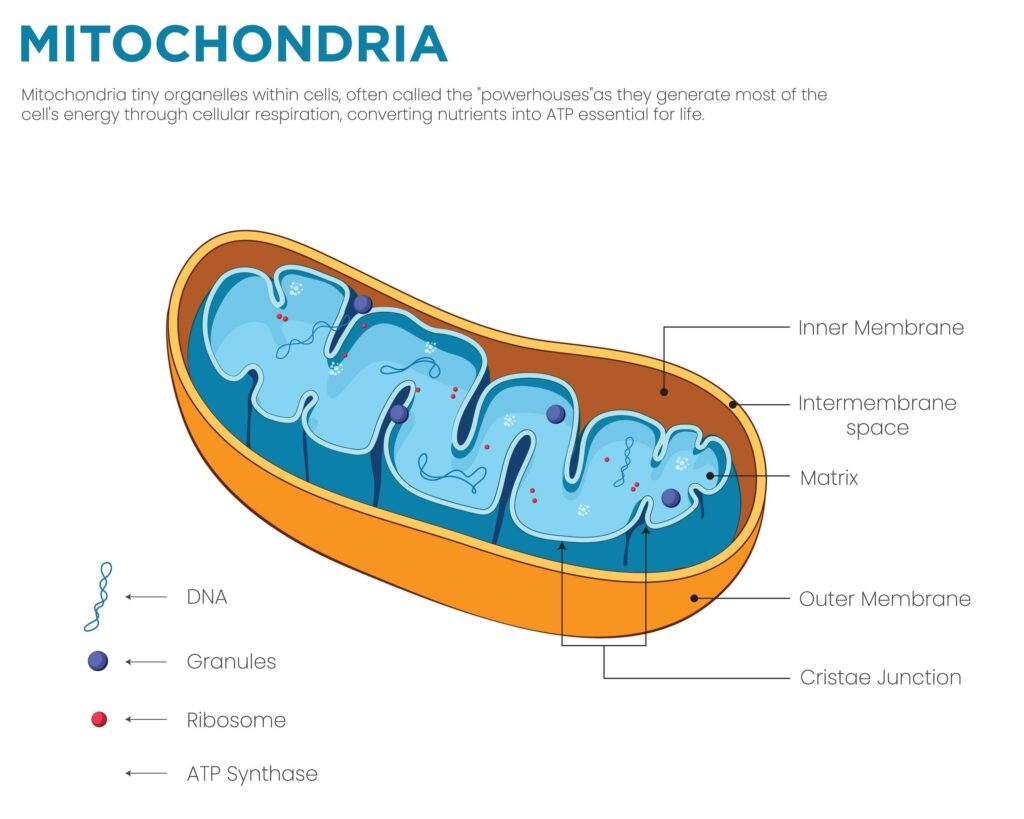
When your mitochondria are healthy, you feel vibrant and alert. However, modern lifestyles—characterized by ultra-processed foods, lack of movement, and chronic blue light exposure—can damage them. This leads to “mitochondrial dysfunction,” where cells become less efficient at burning fuel. This is a primary reason why some people feel tired even after a full night’s sleep.
To support mitochondrial health, you need specific nutrients like magnesium, B vitamins, and CoQ10. Furthermore, “hormetic stressors” like cold exposure (cold showers) and heat exposure (saunas) can trigger “mitochondrial biogenesis”—the creation of new, more efficient mitochondria.
Insulin Sensitivity: The Master Controller
If metabolism had a CEO, it would be insulin. Insulin is the hormone that tells your cells to open up and accept glucose (sugar) from your blood.
In a metabolically healthy person, the body is highly “insulin sensitive.” This means it only needs a small amount of insulin to get the job done. However, when we constantly graze on sugary snacks, our insulin levels stay high. Over time, our cells become “deaf” to the signal. This is insulin resistance.
Insulin resistance is a primary driver of many metabolic issues.. When insulin is high, your body is chemically “locked” out of burning body fat. This is why people with insulin resistance often struggle to lose weight, even on a low-calorie diet. Improving insulin sensitivity is the single most important step in any 2026 Guide to Metabolic Health.
Metabolic Flexibility: Teaching Your Body to Burn Fat
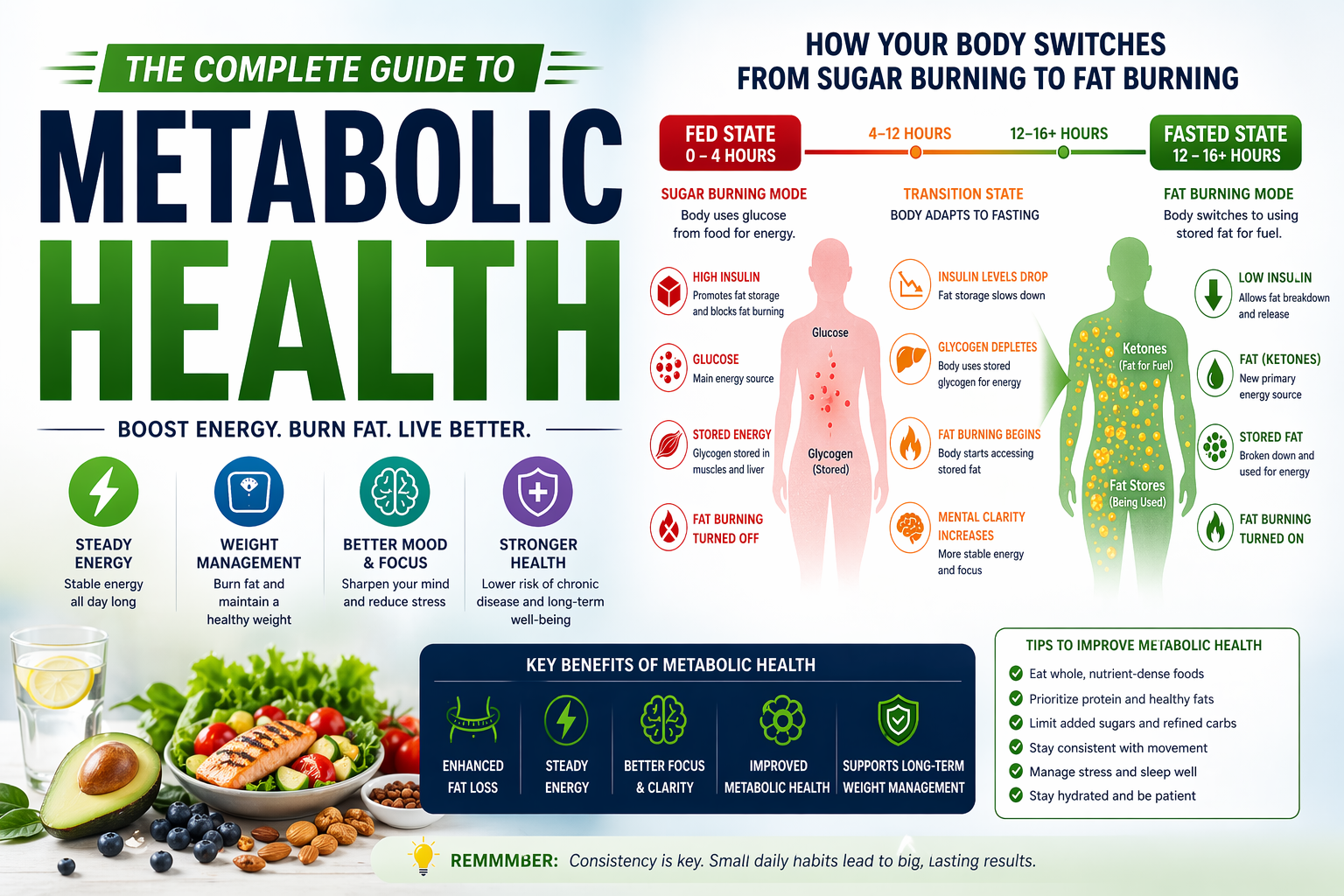
One of the hottest topics in 2026 is metabolic flexibility. This is the body’s ability to switch seamlessly between burning carbohydrates (glucose) and burning fat (ketones).
Most people in the modern world are “sugar burners.” They have lost the ability to tap into their fat stores because they eat every few hours. This leads to “hanger,” energy crashes, and the need for constant snacks. A metabolically flexible person, however, can skip a meal without an energy dip because their body simply switches over to burning stored body fat.
You can improve metabolic flexibility through:
- Intermittent Fasting: Giving your body a 12–16 hour break from food.
- Low-Carb Periods: Reducing sugar to force the body to practice burning fat.
- Zone 2 Exercise: Low-intensity movement (like a brisk walk) that specifically trains cells to oxidize fat.
The Technology Revolution: CGMs and Wearables
In 2026, metabolic health has gone high-tech. We no longer have to guess how a bowl of oatmeal or a stressful meeting affects our blood sugar.
Continuous Glucose Monitors (CGMs)
Once reserved only for people with Type 1 diabetes, CGMs have become a mainstream wellness tool. These small sensors, worn on the arm, provide real-time data on your glucose levels. They allow you to see that “healthy” foods like brown rice might cause a massive sugar spike for you, even if they don’t for your neighbor. This “personalized nutrition” is a game-changer for metabolic health.
Metabolic Tracking Rings and Watches
Wearables now track more than just steps. They monitor heart rate variability (HRV), sleep stages, and even respiratory rates. By analyzing this data, AI-driven apps can tell you when your metabolism is recovered and ready for a hard workout, or when you should focus on rest to avoid metabolic burnout.
Dietary Strategies for a Resilient Metabolism
While bio-individuality is key, certain nutritional principles apply to almost everyone seeking better metabolic health.
The “Protein First” Approach
Protein has the highest thermic effect of food (TEF). It takes more energy to digest protein than fats or carbs. More importantly, protein triggers satiety hormones, making you feel full and preventing the overconsumption of “empty” calories. Aim for 25–40 grams of protein per meal.
Fiber: The Gut-Metabolism Connection
Fiber isn’t just for digestion. It slows down the absorption of sugar, preventing the insulin spikes that drive fat storage. It also feeds your gut microbiome. A healthy gut produce “short-chain fatty acids” (SCFAs) that actually improve your insulin sensitivity and brain health.
Eliminating Ultra-Processed Foods (UPFs)
UPFs are engineered to bypass our fullness signals. They often contain a combination of refined seed oils and sugars that cause oxidative stress in the mitochondria. Replacing these with whole, single-ingredient foods is the fastest way to “reset” a struggling metabolism.
Exercise Beyond the Calories: Functional Movement
In 2026, we’ve stopped looking at exercise just as a way to “burn off” a cookie. Instead, we view it as a way to change our cellular machinery.
Strength Training: The Glucose Sink
Muscle is your most metabolically active tissue. It acts as a “glucose sink,” soaking up excess sugar from your blood even when you aren’t moving. The more muscle mass you have, the more metabolic “buffer” you have against dietary slip-ups.
Zone 2 Training: The Mitochondrial Builder
Zone 2 exercise is a pace where you can still hold a conversation but are breathing through your nose. Think of a very brisk walk or a light jog. This specific intensity is the “sweet spot” for improving mitochondrial density and efficiency.
NEAT: The Power of Non-Exercise Movement
Non-Exercise Activity Thermogenesis (NEAT) includes fidgeting, standing, and walking. In the 2026 Guide to Metabolic Health, we emphasize that a 1-hour gym session cannot make up for 23 hours of sitting. Standing up every 30 minutes and taking short “glucose walks” after meals are essential habits for metabolic resilience.
The Silent Saboteurs: Stress and Sleep
You can eat a perfect diet and exercise daily, but if you don’t sleep or manage stress, your metabolic markers will suffer.
The Cortisol-Insulin Connection
When you are stressed, your body releases cortisol. Cortisol’s job is to dump sugar into your bloodstream so you have the energy to “fight or flee.” If your stress is chronic (like an overflowing inbox), your blood sugar stays high, and your insulin rises to meet it. This is why stress leads to belly fat—it’s a hormonal signal, not just a calorie issue.
Sleep: The Metabolic Reset
Even one night of poor sleep can make a healthy person as insulin resistant as a pre-diabetic the next morning. Sleep is when your brain clears out metabolic waste (via the glymphatic system) and your body repairs damaged mitochondria. Aim for 7–9 hours of quality sleep to keep your metabolism functioning at its peak.
Frequently Asked Questions (FAQ)
1. How do I know if I have a “slow” metabolism?
A slow metabolism is often a sign of mitochondrial dysfunction. Symptoms include feeling cold all the time, constant fatigue, brain fog, and the inability to lose weight despite a calorie deficit. Tracking the five markers mentioned above is the best way to confirm your metabolic status.
2. Is metabolic health the same as being thin?
No. You can be thin but metabolically unhealthy (sometimes called “TOFI” or Thin on the Outside, Fat on the Inside). This occurs when visceral fat builds up around organs despite a low body weight, leading to the same risks as obesity.
3. How long does it take to improve metabolic health?
Some changes happen fast. Blood sugar and insulin can improve within days of changing your diet. However, building new mitochondria and reversing insulin resistance typically takes 3 to 6 months of consistent lifestyle changes.
4. Can supplements fix my metabolism?
Supplements like magnesium, berberine, and omega-3s can support metabolic health, but they cannot “fix” a poor diet. Think of them as the 5% boost that helps once your nutrition, sleep, and movement are in place.
5. Does fasting damage the metabolism?
Short-term intermittent fasting (12–18 hours) actually strengthens the metabolism by improving insulin sensitivity and triggering autophagy. Long-term, extreme calorie deprivation, however, can lead to muscle loss and a lower resting metabolic rate.
6. Why is waist circumference more important than weight?
Weight includes bone, water, and muscle. Waist circumference specifically tracks abdominal fat, which is the type of fat most closely linked to inflammation and metabolic disease. It is a much better indicator of your internal health.
7. Can I reverse Type 2 diabetes through metabolic health?
For many people, Type 2 diabetes is a disease of “carbohydrate intolerance” and insulin resistance. By improving metabolic flexibility and sensitivity through diet and exercise, many individuals are able to put the condition into clinical remission.
8. What is the best exercise for metabolic health?
A combination of strength training (to build muscle) and Zone 2 aerobic exercise (to build mitochondrial efficiency) is the “gold standard” for metabolic longevity.
Improving your metabolic health is the single best investment you can make for your future. Start small: choose one of the five markers to track this month, or commit to a 10-minute walk after dinner. Your metabolism is not a fixed number; it is a dynamic system that responds to every choice you make.
Ready to dive deeper? Explore our related guides on “The Best Foods to Reduce Belly Fat Naturally“ or “Intermittent Fasting in 2026.” Don’t wait for a diagnosis to start caring for your cellular energy—take the first step toward a more vibrant, metabolically resilient you today!
Sources & References
- Lustig, R. H. (2024). “Metabolic Health: The New Vital Sign.” Journal of Endocrinology and Metabolism.
- Panda, S. (2025). “Circadian Rhythms and Metabolic Resilience.” Nature Reviews Molecular Cell Biology.
- American Heart Association (2026). “Understanding Metabolic Syndrome and Cardiovascular Risk.” [Source]
- Attia, P. (2023). Outlive: The Science and Art of Longevity.
- Cell Metabolism Journal (2025). “Mitochondrial Biogenesis and Aging: A 2025 Update.” Accredited Institution Report.
Reviewed By: Our Editorial Team
This article has been reviewed by board-certified nutritionists and metabolic health specialists to ensure that all biological concepts and clinical markers are accurate and aligned with 2026 medical standards.
Disclaimer
The information provided in this guide is for educational purposes only and should not be considered medical advice. Always consult with a qualified healthcare professional before making significant changes to your diet, exercise routine, or using medical devices like CGMs.