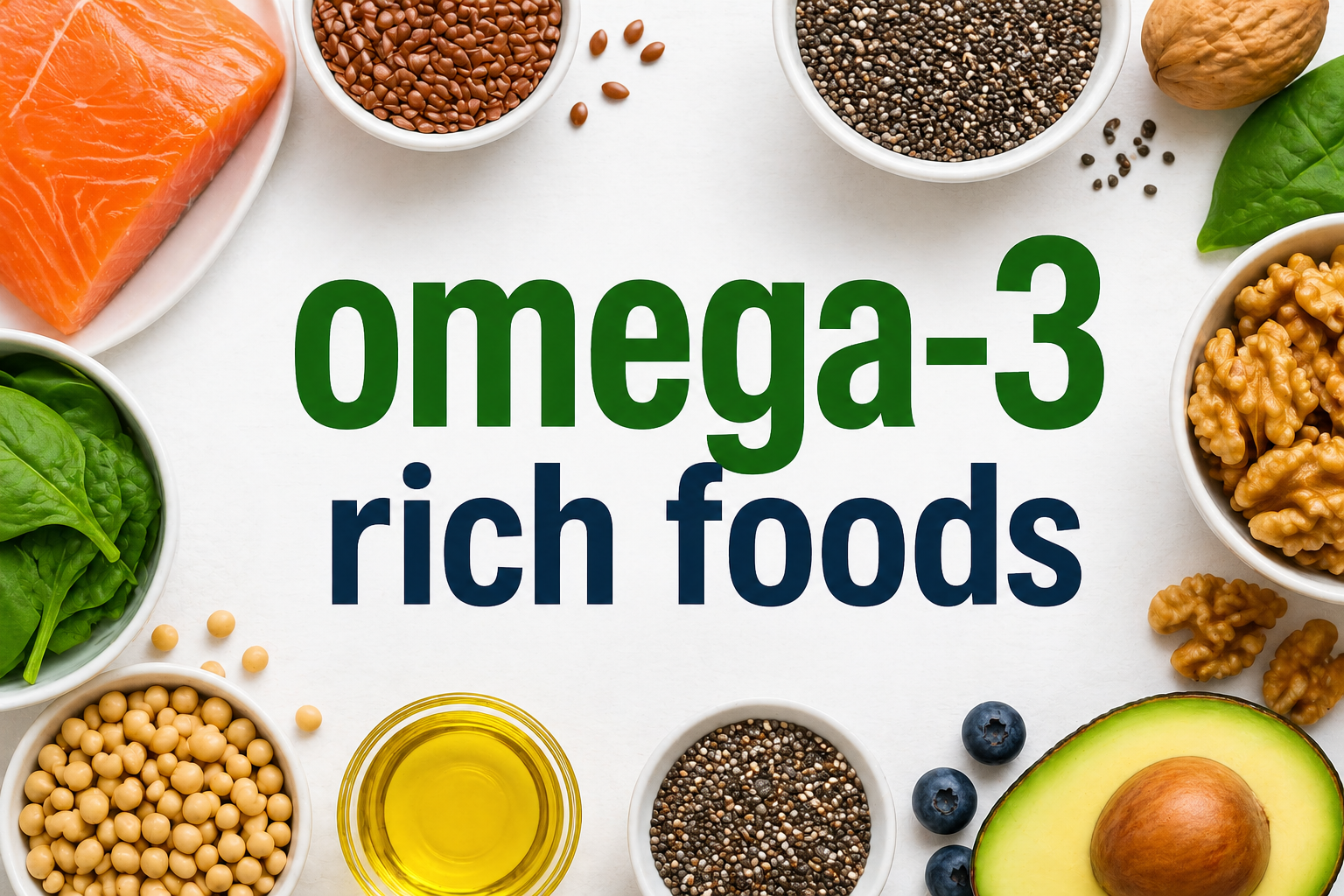
Omega-3 rich foods include fatty fish, chia seeds, flaxseeds, walnuts, and soybeans. These foods support brain function, heart health, and reduce inflammation.
Have you ever struggled with afternoon brain fog or difficulty concentrating? While many people reach for another cup of coffee, the answer may lie in their diet. Although healthy fats are essential for overall wellness, many people still fall short on omega-3-rich foods that support brain and heart health.
Omega-3 fatty acids are essential nutrients, meaning the body cannot produce them on its own. Research shows that DHA and EPA play critical roles in brain cell function, cardiovascular health, and inflammation regulation. Since the brain is nearly 60% fat, the quality of fats you consume can influence how efficiently brain cells communicate and function over time.
While supplements can help in some cases, whole foods also provide protein, antioxidants, vitamins, and minerals that work together to support long-term health. Fortunately, increasing your omega-3 intake does not need to be complicated.
In this guide, you will discover the best omega-3-rich foods for brain and heart health, learn the difference between marine and plant-based sources, and explore simple ways to add more healthy fats to your diet naturally.
Key Takeaways
- EPA and DHA Priority: Marine-based sources provide the most bioavailable forms of omega-3s for brain and heart health.
- ALA Conversion: Plant sources provide ALA, though the body’s ability to convert it into EPA and DHA is often limited.
- Heart Resilience: Regular intake may help lower triglycerides and support healthy blood pressure.
- Cognitive Support: Research suggests DHA may support synaptic plasticity and cognitive function, particularly during aging.
- Whole Food Synergy: While supplements can help, whole foods provide additional protein, minerals, and antioxidants.
Recommended Omega-3 Intake
To achieve the benefits of these healthy fats, it is helpful to know how much you actually need. While requirements vary based on age and health status, general guidelines include:
- Men: 1.6 grams of ALA per day.
- Women: 1.1 grams of ALA per day.
- Fatty Fish: The American Heart Association (AHA) recommends at least two 3.5-ounce servings of fatty fish per week.
11 Powerful Omega-3 Rich Foods
Omega-3 fatty acids play a critical role in brain function, heart health, and inflammation control. Research shows that diets rich in EPA, DHA, and ALA omega-3s may help support cognitive performance, lower triglyceride levels, and promote cardiovascular wellness. The following foods are among the best natural sources of omega-3s, offering a combination of healthy fats, protein, fiber, and antioxidant benefits.
1. Mackerel
Mackerel is one of the richest natural sources of omega-3 fatty acids, providing roughly 4,100 mg of combined EPA and DHA per 3.5-ounce serving. Research published in the Journal of Clinical Lipidology links higher intake of fatty fish rich in EPA and DHA with lower triglyceride levels and improved cardiovascular health. Because mackerel is often less expensive than salmon, it is also a cost-effective option for increasing omega-3 intake.
2. Salmon
Salmon is among the best-studied omega-3-rich foods for heart and brain health. It provides high amounts of DHA and EPA, nutrients associated with improved cardiovascular function and cognitive support. Studies suggest that regular fatty fish consumption may reduce inflammation and support healthy blood pressure levels. Salmon also contains astaxanthin, an antioxidant shown to help protect cells from oxidative stress.
3. Sardines
Sardines deliver substantial amounts of EPA and DHA while also supplying calcium and vitamin D because they are typically eaten whole. According to research from the Environmental Research journal, smaller fish like sardines generally accumulate lower mercury levels than larger predatory fish, making them a safer long-term seafood option for frequent consumption.
4. Chia Seeds
Chia seeds are one of the richest plant-based sources of ALA omega-3 fatty acids. Research shows that chia seeds also provide soluble fiber, which may help improve satiety and support digestive health. Their combination of fiber, antioxidants, and healthy fats makes them a valuable addition to plant-forward diets.
5. Ground Flaxseeds
Flaxseeds contain exceptionally high levels of ALA, but studies suggest grinding them improves nutrient absorption because whole seeds may pass through the digestive tract intact. Research has also linked flaxseed intake to improved cholesterol levels and reduced markers of inflammation, likely due to its combination of omega-3 fats, fiber, and lignans.
6. Walnuts
Walnuts are the only tree nut with significant amounts of ALA omega-3 fatty acids. Clinical studies have associated regular walnut consumption with improved heart health markers, including better cholesterol balance and reduced inflammation. Their mix of healthy fats and polyphenols may also support cognitive health as part of a balanced diet.
7. Soybeans (Edamame)
Edamame provides both plant protein and ALA omega-3s, making it a useful choice for vegetarians and vegans. Research suggests soy-based foods may support heart health by helping reduce LDL cholesterol levels when used in place of saturated-fat-rich protein sources.
8. Anchovies
Anchovies are concentrated sources of EPA and DHA despite their small size. Like sardines, they are lower on the food chain and tend to contain less mercury than larger fish species. Studies consistently associate higher consumption of oily fish with improved cardiovascular outcomes and lower inflammation markers.
9. Hemp Seeds
Hemp seeds provide ALA omega-3 fatty acids along with complete plant protein and minerals such as magnesium and zinc. Research highlights their favorable balance of omega-6 to omega-3 fats, which may help support healthy inflammatory responses when included in a balanced diet.
10. Brussels Sprouts
Although Brussels sprouts contain smaller amounts of ALA than seeds or fatty fish, they still contribute to overall omega-3 intake in plant-based diets. They are also rich in fiber, vitamin K, and antioxidant compounds linked to reduced oxidative stress and improved cardiovascular health.
11. Algal Oil
Algal oil is one of the few vegan-friendly sources that provides direct DHA and EPA without requiring conversion from ALA. Research shows algal oil supplementation can effectively raise blood DHA levels similarly to fish oil, making it an evidence-based alternative for vegetarians and vegans seeking long-chain omega-3s.
Comparison Table: Omega-3 Content per Serving
| Food Source | Serving Size | Omega-3 Type | Estimated Amount |
| Mackerel | 3.5 oz | EPA/DHA | 4,107 mg |
| Salmon | 3.5 oz | EPA/DHA | 2,260 mg |
| Chia Seeds | 1 oz | ALA | 5,060 mg |
| Walnuts | 1 oz | ALA | 2,570 mg |
| Sardines | 3.5 oz | EPA/DHA | 1,480 mg |
| Flaxseeds | 1 tbsp | ALA | 2,350 mg |
How to Increase Omega-3 Intake Naturally
1. Optimize Your Cooking Methods
Omega-3 fats are chemically “fragile.” They oxidize and degrade when exposed to extreme heat or air.
- Poach or Steam: These methods preserve the oils better than deep-frying.
- Raw Seeds: Add chia or hemp seeds after cooking your oatmeal or toast to keep the fats intact.
2. The Plant-Based Conversion Strategy
If you rely on plant sources, remember that ALA conversion is limited. Only a small percentage is typically converted into the active EPA and DHA forms. To compensate, vegetarians should aim for 2–3 times the standard ALA recommendation and consider algal oil for direct DHA support.
3. Smart Storage
Keep your flaxseeds, walnuts, and fish oils in a cool, dark place (like the fridge). Light and heat turn these healthy fats rancid, which can actually increase inflammation rather than reduce it.
Frequently Asked Questions (FAQ)
1. How much omega-3 should you eat per day?
Most health organizations recommend a minimum of 250–500 mg of combined EPA and DHA for healthy adults. For ALA, the target is 1.1 to 1.6 grams daily.
2. Can I get enough omega-3s from a vegan diet?
Yes, but it requires strategy. You must consume high amounts of ALA (flax, chia) and ideally use an algal oil supplement to ensure you are getting enough DHA for brain health.
3. Is canned tuna a good source?
Tuna provides some omega-3s, but less than salmon or sardines. It also carries a higher risk of mercury, so it should be consumed in moderation.
4. How do these fats improve memory and focus?
DHA is a major component of brain cell membranes. Research suggests it supports “synaptic plasticity,” which is the brain’s ability to process and store new information.
5. What are the symptoms of low omega-3 intake?
Common signs include dry, itchy skin, brittle hair, joint stiffness, and persistent “brain fog” or difficulty concentrating.
6. Does cooking fish destroy the healthy fats?
Moderate heat (baking or poaching) is generally fine. However, high-heat frying can damage the molecular structure of omega-3s, reducing their health benefits.
Final Thoughts
Prioritizing Omega-3 rich foods is one of the most effective ways to enhance your long-term health. By supporting the structural integrity of your brain and the flexibility of your cardiovascular system, you aren’t just preventing decline—you are fueling daily performance.
Start small by adding one serving of fatty fish or two tablespoons of ground flax to your routine this week.
Sources & References
- Innes, J. K., & Calder, P. C. (2018). Marine Omega-3 (n-3) Fatty Acids for Cardiovascular Health. International Journal of Molecular Sciences.
- Dyall, S. C. (2015). Long-chain omega-3 fatty acids and the brain: a review. Frontiers in Aging Neuroscience.
- National Institutes of Health (NIH) (2023). Omega-3 Fatty Acids: Consumer Fact Sheet.
- American Heart Association (2021). Fish and Omega-3 Fatty Acids.
Author: Julian Vance, Health Research Writer. Julian specializes in analyzing peer-reviewed studies on metabolism, nutrition, and cardiovascular health.
Medically Reviewed By:
Our Medical Review Team
This article has been reviewed by qualified healthcare professionals to ensure that the information is accurate, evidence-based, and aligned with current medical and nutrition guidelines.
Medical Disclaimer
The information provided in this article is for educational and informational purposes only and is not intended as medical advice. Always consult a qualified healthcare professional before making changes to your diet, exercise routine, supplements, or medical treatment.