
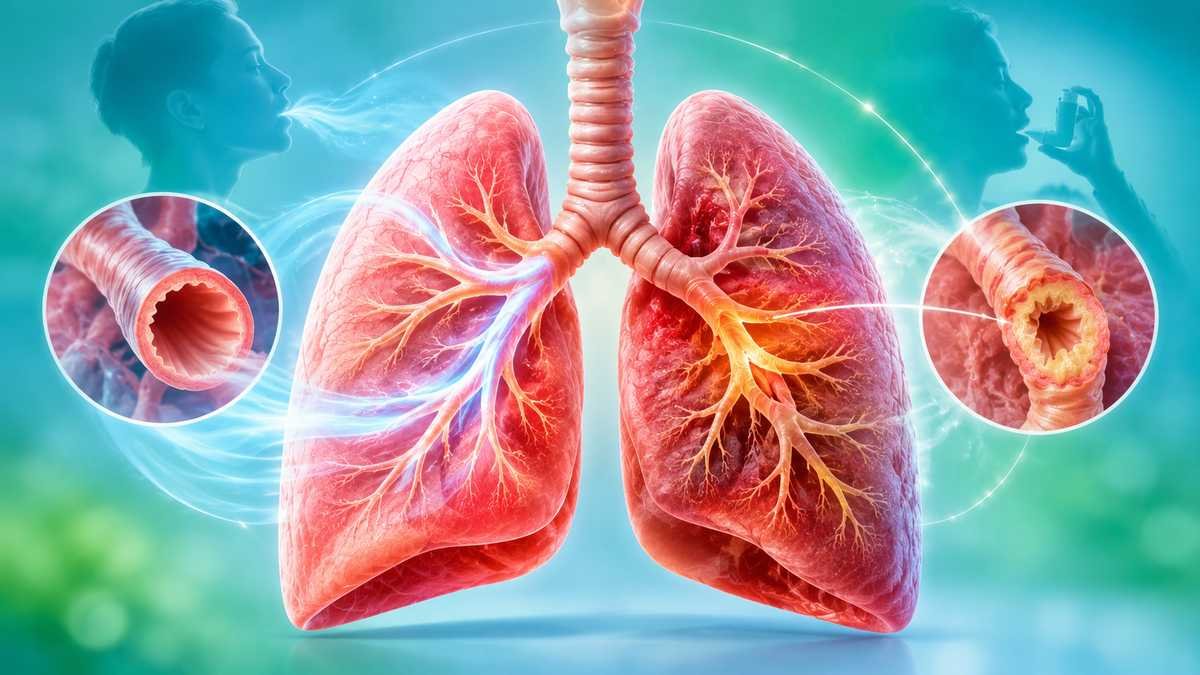

Can asthma go away on its own? For some people, symptoms fade so much that they go years without wheezing, coughing, or reaching for an inhaler. Asthma can improve or enter remission, especially during childhood and adolescence, but remission does not necessarily mean a permanent cure, and symptoms may return later in life.
Asthma is a chronic respiratory condition in which the airways become inflamed and narrow. This can cause wheezing, coughing, chest tightness, and shortness of breath. Because airway sensitivity can persist even when you feel well, a quiet period is not always the end of the story.
This guide explains the difference between symptom improvement, remission, and cure. It also covers why some children seem to outgrow asthma, what happens in adulthood, why symptoms can come back, and what to do if your symptoms disappear.
Can Asthma Go Away on Its Own?
Sometimes, asthma symptoms improve without any change in treatment. Some children go through long stretches without wheezing as they grow older. Some adults also experience periods with no noticeable symptoms, including people whose asthma began in adulthood.
Even so, asthma is generally considered a chronic condition. The NHS describes it as a long-term condition that treatment can control but not cure. There is no guarantee that symptoms will disappear permanently.
The reason is that airway inflammation or airway sensitivity may remain even when symptoms are absent. The American Academy of Pediatrics (AAP) notes that asthma is often an inflammatory condition that is present in the airways even when a person is not having trouble breathing.
Three terms are easy to confuse, so it helps to separate them:
- Symptom improvement: Symptoms become less frequent or less severe.
- Remission: A prolonged period with no noticeable asthma symptoms. Depending on the definition, this may happen with or without treatment.
- Cure: Permanent elimination of the disease.
Remission is not the same as a guaranteed cure. The Global Initiative for Asthma (GINA) describes asthma remission as a recognized outcome, but it does not present remission as a cure.
Key takeaway: Asthma can become quiet for long periods, but that does not mean it has permanently disappeared.
Do Children Outgrow Asthma?
Many parents search for this answer, and the honest one is “sometimes, but not always.” Some children do experience remission, while others carry asthma into adulthood. Doctors cannot yet predict with certainty which path a particular child will take.
Why Childhood Asthma Symptoms Sometimes Improve
Several things may help explain why symptoms ease as children grow:
- Airway growth: Children’s airways get larger as they develop, so the same amount of swelling may cause fewer breathing problems.
- Early wheezing versus persistent asthma: Many young children wheeze with colds but do not go on to have asthma. Their wheezing often fades as they get older.
- Changing sensitivities: Allergic sensitivity and environmental exposures can shift over time.
- Longer symptom-free periods: Some teens go for months or years without symptoms, which can look like the asthma is gone.
Does Every Child Outgrow Asthma?
No. Some children have remission, others continue to have symptoms into adulthood, and some have symptoms that return after years without problems. Family history, allergic conditions, and persistent symptoms may make it more likely that asthma continues.
The 2026 GINA report describes wide variation in childhood remission. One study found that about 59% of preschool children who wheezed had no wheezing at age six. Another found that only about 15% of children with persistent wheezing at or after age nine were free of wheezing by age 26.
These numbers come from different studies and different groups of children. They should not be read as a universal chance that any one child will outgrow asthma. They simply show how much outcomes can differ.
The AAP also cautions that children who still have asthma later in childhood are less likely to lose it in adulthood. For more on how common the condition is, see our guide to how common asthma is.
Can Asthma Go Away When You Become an Adult?
Childhood asthma may become less active during adolescence or adulthood. Some adults go through long periods without symptoms, and some people who develop asthma as adults also see their symptoms settle. Remission in adult-onset asthma is generally less predictable, and it is not guaranteed.
Asthma can also change from year to year. Symptoms may fluctuate with allergies, respiratory infections, environmental exposures, and other health factors. A calm stretch can be followed by a flare, particularly during allergy season or after a bad cold.
Can Adults Recover From Childhood Asthma?
Having no symptoms is not the same as having no underlying asthma activity. GINA reports that clinical remission can occur in adults, including some with adult-onset asthma, but underlying airway abnormalities may persist.
Adults who had asthma as children should stay aware of any recurring respiratory symptoms. A new cough that lingers, wheezing after exercise, or tightness in the chest can be early signs that asthma is active again. Our guides on shortness of breath and what causes a cough explain other possible causes of these symptoms.
What Is Asthma Remission?
Remission is a medical concept with more than one meaning. Researchers and clinicians describe it in levels, and the definitions vary across studies and clinical settings. The European Respiratory Society (ERS) has published a detailed review of asthma remission and how it might be achieved.
Clinical Remission
Clinical remission generally involves:
- No noticeable asthma symptoms over a defined period.
- Few or no asthma exacerbations.
- Stable or improved lung function.
- No need for certain rescue or oral steroid treatments, depending on the definition.
Complete or Pathophysiological Remission
Complete remission asks for more than feeling better. It may include normal or improved lung function, reduced airway hyperresponsiveness (an exaggerated tightening of the airways in response to triggers), and no significant ongoing airway inflammation. Overall respiratory health would also be stable.
This level is harder to reach and harder to confirm. Doctors may need lung function tests, and sometimes other tests, to assess it.
Can Asthma Be in Remission Without Medication?
Some people have remission without asthma treatment. Others reach excellent symptom control while continuing to take prescribed medication, and the definitions differ in how they count that situation.
Controlled asthma on medication is a good outcome, but it should not be described as a permanent cure. If your symptoms are well controlled because of your treatment, stopping that treatment could bring symptoms back.
Why Does Asthma Sometimes Come Back After Years?
People who have been symptom-free for years can be surprised when asthma returns. Several factors may play a role.
Recurring Allergies and Environmental Triggers
Common triggers include pollen, dust mites, mold, and animal allergens. Air pollution and tobacco smoke can also bring symptoms back. Moving to a new home or getting a pet can expose someone to triggers they have not met in years.
Respiratory Infections
Viral respiratory infections, such as colds and flu, can trigger symptoms or cause flares in asthma that had been well controlled. Some people notice their first symptoms in years after a bad cold.
Hormonal and Life Changes
Hormonal changes, pregnancy, and other physical changes may influence asthma symptoms in some people. The effect varies, and some people notice improvement while others notice worsening.
Workplace Exposures
Dust, chemicals, fumes, and cleaning products at work may trigger respiratory symptoms. A new job or a change in duties can bring on symptoms in someone who had none for years.
Changes in Airway Inflammation
Airway sensitivity and inflammation may remain during periods without noticeable symptoms. When something tips the balance, such as an infection or a new exposure, symptoms can reappear.
Key takeaway: A long symptom-free period does not guarantee that asthma will never return. Our overview of asthma risk factors covers what can raise the likelihood of ongoing asthma.
What Factors Affect Whether Asthma Goes Away?
Researchers have identified several factors linked to whether asthma persists or improves. These are associations, not a reliable way to determine who will outgrow asthma.
Age When Asthma Begins
Wheezing in early childhood often resolves as children grow. Asthma that begins later in childhood may be more likely to persist in some groups of people. Adult-onset asthma can also enter remission, though this is less predictable.
Severity and Frequency of Symptoms
Mild or infrequent symptoms may be linked to a greater chance of remission. Frequent wheezing and repeated asthma attacks may point to persistent disease. Improving symptoms do not automatically mean the condition has disappeared.
Family History and Allergies
Parental asthma or allergies may raise the chance that childhood asthma will continue. Allergic rhinitis and other allergic conditions have also been linked to asthma persistence. Genetic susceptibility can shape how asthma develops over time.
Lung Function and Airway Sensitivity
Good or improving lung function is linked to a greater chance of remission. Airway hyperresponsiveness may persist even when symptoms improve. Lung function testing can help a healthcare professional judge whether the disease is still active.
You can read more about prevention in our guide on whether asthma can be prevented.
Can Asthma Go Away Without Medication?
Some people do experience spontaneous remission without ongoing treatment. Others need regular medication to maintain good control. Which group you fall into is not something you can reliably decide on your own.
Symptoms disappearing does not prove that airway inflammation has resolved. Stopping prescribed medication without medical advice may raise the risk of worsening symptoms or an asthma attack.
Healthcare professionals may consider adjusting treatment when asthma has stayed well controlled for a period of time. Guidance from GINA and NICE describes reviewing and adjusting treatment based on control. Any reduction should follow an individual assessment by your clinician.
If you feel better, talk to your healthcare professional before changing your inhaler routine. You can learn more about common therapies in our guide to asthma treatment options.
How Can You Tell If Your Asthma Is Getting Better?
Several signs may suggest better asthma control:
- Fewer episodes of wheezing.
- Less coughing, especially at night.
- Less chest tightness.
- Better tolerance for exercise.
- Fewer asthma flare-ups.
- Better sleep.
- Less need for reliever medication.
How Doctors Assess Asthma Improvement
A healthcare professional looks at the full picture. This may include:
- Your symptom history.
- Spirometry and other lung function tests.
- Peak expiratory flow measurements, when appropriate.
- How often you have asthma attacks.
- Your medication needs.
- Evidence of ongoing airway inflammation, when clinically indicated.
A person can feel better while still having measurable airway abnormalities. That is one reason NICE emphasizes ongoing monitoring as part of asthma care.
Key takeaway: Feeling better is encouraging, but objective medical assessment can help show whether asthma is still active.
What Should You Do If Asthma Symptoms Disappear?
A symptom-free stretch is good news. These steps can help you stay safe.
Continue Following Your Asthma Treatment Plan
Do not stop prescribed medication on your own. Talk with a healthcare professional about the change in your symptoms, and keep following your prescribed inhaler schedule until you have been told otherwise.
Schedule Regular Medical Reviews
Ask whether lung function testing makes sense for you. Review your symptom history and medication use, and have your inhaler technique checked. Your treatment plan can be reassessed when needed.
Watch for Returning Symptoms
Pay attention to early warning signs such as a recurring cough, wheezing, chest tightness, and shortness of breath.
Maintain a Healthy Environment
Avoid tobacco smoke, and reduce exposure to triggers you know about. Address indoor mold and dampness, and follow an asthma action plan if you have one.
Monitoring remains important even after a long symptom-free period.
When Should You See a Doctor?
See a healthcare professional if you notice any of the following:
- Recurring wheezing.
- Persistent nighttime coughing.
- Shortness of breath.
- Chest tightness.
- Breathing problems during exercise.
- Symptoms returning after years without asthma problems.
- Growing reliance on a reliever inhaler.
These symptoms may point to returning asthma, but other respiratory conditions can cause similar problems. A proper evaluation helps find the cause.
Emergency warning: Severe breathing difficulty, rapidly worsening symptoms, or trouble speaking because of breathlessness needs immediate emergency care. Call 911 or your local emergency number.
Final Thoughts: Can Asthma Go Away on Its Own?
Asthma symptoms can improve or enter remission, and this is more common during childhood than in some forms of adult-onset asthma. But remission does not necessarily mean permanent recovery, and asthma can return after years without noticeable symptoms.
Medication should never be stopped without medical guidance. Regular monitoring helps catch returning symptoms and ongoing airway problems early.
Even when asthma does not disappear for good, effective treatment and follow-up can help people stay active and healthy.
Frequently Asked Questions
Can asthma go away on its own without treatment?
Some people experience spontaneous remission, particularly during childhood. However, symptoms disappearing does not necessarily mean the underlying condition is gone. A healthcare professional can help you tell the difference.
Do children usually outgrow asthma?
Some children have fewer symptoms as they grow, while others continue to have asthma into adulthood. Symptoms can also return after a period of remission. The AAP describes asthma as something that can become “quiet” but may become more active again later.
Can asthma go away permanently?
There is currently no guarantee of permanent recovery. Some people have prolonged remission, but underlying airway abnormalities may remain.
Can asthma come back after 10 years?
Yes. Asthma symptoms can return after many years without noticeable problems. Earlier remission does not guarantee that asthma will never recur.
Does asthma go away when you reach adulthood?
Childhood asthma symptoms may improve during adolescence or adulthood. Some adults continue to have asthma, and others develop it later in life.
Can you stop using an inhaler when asthma symptoms disappear?
No one should stop prescribed asthma medication without talking to a healthcare professional. Symptoms may disappear while airway inflammation remains.
Is asthma a lifelong disease?
Asthma is generally considered a chronic respiratory condition, although symptoms and severity can change over time. Some people experience prolonged remission. The NHS describes it as a long-term condition that can be controlled with treatment.
Sources
- Global Initiative for Asthma. Global Strategy for Asthma Management and Prevention, 2026.
- National Health Service (NHS). Asthma overview.
- European Respiratory Society. Asthma remission: what is it and how can it be achieved? European Respiratory Journal, 2022.
- National Institute for Health and Care Excellence (NICE). Asthma: diagnosis, monitoring and chronic asthma management.
- American Academy of Pediatrics, HealthyChildren.org. Asthma Fables and Facts.
Medical Disclaimer
This article is for general information and education only. It is not medical advice and does not replace care from a qualified healthcare professional. Asthma looks different in every person, so talk with your doctor before starting, changing, or stopping any treatment. If you or someone else has severe trouble breathing, call 911 or your local emergency number right away.