
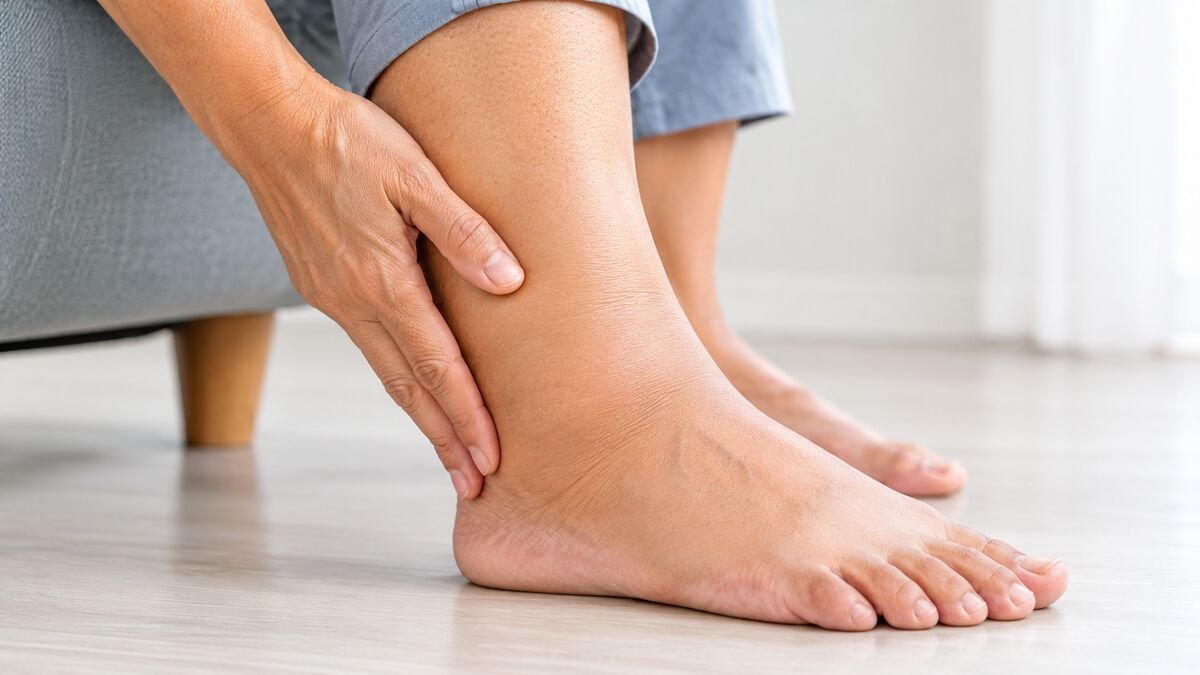

Have you ever noticed that your hands feel unusually tight, your ankles seem puffy, or your skin feels stretched even though you have not gained weight? Many people first sense swelling before they clearly see it. A ring feels snug, shoes pinch, or a body part feels heavy and full.
So what does swelling feel like? The answer depends on where it is, how much fluid or inflammation is involved, and what is causing it. Some people feel tightness, pressure, or stiffness, while others have visible puffiness with no pain at all.
This guide describes the most common sensations of swelling, how it can feel in different parts of the body, and how it differs from bloating and inflammation. It also explains warning signs that need medical attention. No single sensation can confirm swelling or its cause, so use this as general information and see a healthcare professional about symptoms that worry you.
What Is Swelling, and What Happens Inside Your Body?
Understanding Swelling and Edema
Swelling is the enlargement of a body part or tissue. Edema is the medical term for swelling caused by fluid trapped in the body’s tissues, according to Mayo Clinic. It most often affects the legs and feet, but it can occur anywhere.
Inflammation can also make tissues swell. When the body responds to an injury or infection, it sends extra blood and fluid to the area. Blood vessels and the lymphatic system normally work together to keep fluid balanced, and swelling can develop when that balance is disrupted. For a deeper look at the science, see CollectedMed’s guide to what causes swelling.
Why Swelling Feels Different for Different People
Sensations vary because several factors shape the experience:
- The affected body part: Swollen fingers feel different from a swollen belly.
- The amount of fluid: A little puffiness may be barely noticeable.
- Whether inflammation or injury is involved: These often add tenderness and warmth.
- How long it has been present: Sudden and long-standing swelling can feel quite different.
- Underlying conditions: Heart, kidney, liver, vein, and lymph problems can all play a part.
Some people notice significant discomfort. Others have visible swelling with little or no pain.
What Does Swelling Feel Like? 10 Common Sensations
You may notice one or several of these sensations. Having one does not mean you have swelling, and not having them does not rule it out.
1. A Feeling of Tightness or Stretched Skin
Swollen tissue pushes outward and can stretch the skin above it. Mayo Clinic lists stretched or shiny skin among the signs of edema. This is why shoes, rings, watches, and waistbands may suddenly feel tighter. Cleveland Clinic also notes that clothing or jewelry may feel tight.
2. Puffiness or Fullness
An affected area can feel larger or fuller than usual, and the skin may look puffy. Common places include the face, hands, ankles, and feet. You may notice that your ankle bones look less defined or that your eyelids feel full when you wake up.
3. Tenderness or Sensitivity to Touch
Swollen tissue can become sore, especially when an injury or inflammation is involved. Pressing on the area may be uncomfortable. Fluid-related swelling without inflammation may be less tender, though this varies. Cleveland Clinic lists pain or soreness among the possible signs.
4. A Heavy or Bulky Feeling
Swollen legs and arms can feel heavier than normal, because extra fluid adds volume and weight. Mayo Clinic describes a feeling of heavy legs as a symptom of edema. Walking, climbing stairs, or lifting the affected limb may take more effort.
5. Pressure or Fullness Under the Skin
Increased tissue volume can create a pressure-like feeling in swollen fingers, feet, or joints. Pressure can also have other causes, such as muscle tension or nerve irritation, so this sensation alone is not specific.
6. Warmth Around the Affected Area
Inflammation increases blood flow, which can make the area feel warm to the touch. Warmth with redness, pain, or fever may suggest an infection. Mayo Clinic lists swelling, warmth, pain, fever, and chills among the symptoms of cellulitis, a skin infection that can spread quickly.
7. Stiffness or Reduced Movement
Swelling around joints and muscles can limit comfortable movement. Fingers may be hard to bend, ankles may feel stiff, and knees or wrists may not move as freely. Cleveland Clinic lists reduced movement among the possible effects of edema. Learn more about what joint pain feels like.
8. Aching or Throbbing Discomfort
Some swelling causes a dull ache, and injuries and inflammation can cause throbbing. Not all swelling hurts. Painless swelling still deserves attention if it is persistent or unexplained.
9. A Soft or Spongy Feeling
Fluid-related swelling may feel soft. In pitting edema, pressing the skin leaves a temporary dent. MedlinePlus describes pitting edema this way, and Mayo Clinic says the dimple lasts for a few seconds. Not all swelling is soft or pitting, however.
10. Numbness, Tingling, or Unusual Sensations
In some cases, swollen tissue may press on nearby nerves and cause tingling or reduced sensation. This is less common, and other conditions can cause the same feeling. New or persistent numbness needs medical assessment.
No single sensation confirms swelling or identifies its cause. Doctors interpret symptoms together with your medical history and other findings.
What Does Swelling Feel Like in Different Parts of the Body?
What Does Swelling in the Feet and Ankles Feel Like?
Swelling in the feet and ankles is among the most common types. You may notice:
- Heaviness in the lower legs
- Tight skin around the ankles
- Shoes feeling unusually snug
- Discomfort after standing for long periods
- A dent after pressing the skin (pitting edema)
The NHS notes that skin may look shiny or stretched, feel dry, uncomfortable, or stiff, and that swelling may affect one or both legs.
What Does Swelling in the Hands and Fingers Feel Like?
- Fingers feeling stiff or tight
- Rings that are hard to remove
- Reduced comfort when gripping
- Puffy fingers
- Tenderness around affected joints
Morning puffiness that eases as you move is common. Swelling that is painful, sudden, or follows an injury should be checked.
What Does Facial and Eye Swelling Feel Like?
- Puffiness around the eyelids
- A feeling of fullness around the eyes
- Tightness in the cheeks
- Possible itching or tenderness with allergies
Sudden swelling of the face, lips, tongue, or throat is different and can be an emergency, as described below.
What Does Abdominal Swelling Feel Like?
Abdominal swelling may feel like fullness, tightness, pressure, or a larger belly. Mayo Clinic describes ascites, a buildup of fluid in the abdomen, as swelling that may look and feel tight or heavy, with fullness after small meals and sometimes shortness of breath.
Unlike ordinary bloating, which often comes and goes, ascites usually persists and may worsen without treatment. Persistent or unexplained abdominal enlargement should be evaluated by a healthcare professional. For digestive causes, see CollectedMed’s article on what causes abdominal pain.
What Does Joint Swelling Feel Like?
- Stiffness
- Pain with movement
- Tenderness
- Warmth around the joint
- Reduced range of motion
Joint swelling can follow an injury or come from inflammatory conditions. Read about what causes joint pain for more.
Different Types of Swelling and How They Feel
Pitting Edema
With pitting edema, gentle pressure leaves a temporary indentation that slowly fills back in. It is often seen in the feet and lower legs. Pitting is a finding that doctors observe, not a diagnosis by itself.
Non-Pitting Edema
In non-pitting edema, pressing the skin does not leave a dent. The tissue may feel firmer. Lymphedema is one example. Mayo Clinic says lymphedema can cause swelling of an arm or leg along with heaviness, tightness, limited movement, and thickened skin.
Painful vs. Painless Swelling
Painful swelling often goes with injuries, inflammation, or infection. Painless swelling can occur with fluid retention or certain long-term conditions. A lack of pain does not mean the swelling is harmless.
Sudden vs. Gradual Swelling
Swelling can appear over minutes or hours, such as after an injury or allergic reaction. It can also build over days or weeks. How quickly it develops helps doctors judge possible causes.
Is Swelling the Same as Bloating or Inflammation?
Swelling vs. Bloating
Swelling refers to the enlargement of a body part or tissue. Bloating usually describes a feeling of fullness or distension in the abdomen, often related to gas or digestion. Some abdominal swelling is caused by fluid instead of gas. CollectedMed explains how constipation can cause bloating.
Swelling vs. Inflammation
Inflammation is the body’s response to injury, infection, or irritation. Swelling can be one sign of inflammation. It can also happen without a major inflammatory response, such as with fluid retention.
| Feature | Swelling | Bloating | Inflammation |
|---|---|---|---|
| Main experience | Tissue enlargement | Abdominal fullness | Tissue response |
| Common location | Various body parts | Abdomen | Affected tissues |
| Pain | May or may not occur | Sometimes | May occur |
| Possible cause | Fluid or tissue changes | Gas or digestive issues | Injury or infection |
When Does the Feeling of Swelling Become a Warning Sign?
Symptoms That Need Medical Evaluation
Contact a healthcare provider if you notice:
- Persistent or unexplained swelling
- Swelling that gradually worsens
- Swelling with redness, warmth, or fever
- New swelling in one leg or arm
- Swelling with reduced urination
- Sudden swelling during pregnancy, especially of the face or hands
The NHS advises seeking prompt advice if one leg is swollen for an unknown reason, if swelling is severe, painful, or sudden, or if the area is red or hot. Mayo Clinic notes that leg pain and swelling on one side may indicate deep vein thrombosis (DVT), a blood clot in a leg vein.
Symptoms That Require Emergency Care
Call 911 or go to the nearest emergency department if swelling occurs with:
- Difficulty breathing
- Chest pain
- Fainting or severe dizziness
- Sudden swelling of the tongue or throat
- Severe allergic reaction symptoms
Sudden swelling in one leg with pain, especially with breathlessness or chest pain, can signal a blood clot and needs urgent evaluation. Mayo Clinic lists shortness of breath, irregular heartbeat, or chest pain with swelling as possible signs of pulmonary edema, which is life-threatening.
How Do Doctors Determine Whether You Have Swelling?
Physical Examination
A doctor may look at visible enlargement, skin appearance and temperature, and tenderness. They may check whether the swelling pits when pressed, how well the area moves and feels, and whether one or several areas are affected.
Medical History and Diagnostic Tests
Depending on the suspected cause, a provider may recommend tests. According to MedlinePlus, these can include:
- Blood tests
- Urine tests
- Kidney and liver function tests
- Heart assessments such as an ECG or echocardiogram
- X-rays or other imaging
Mayo Clinic adds that ultrasound may be used in some cases. Testing depends on your symptoms and the suspected cause.
What Can You Do When You Notice Swelling?
Safe Steps for Mild Swelling
- Rest the area when appropriate
- Elevate swollen legs or feet when appropriate
- Use a wrapped cold compress for certain minor injuries
- Avoid sitting or standing for long periods
- Eat a balanced diet and limit excess sodium
- Watch whether the swelling improves or worsens
Swelling that is unexplained, sudden, painful, or persistent should not be treated with home remedies alone. For practical tips on mild swelling, read CollectedMed’s guide on how to relieve swelling at home.
Frequently Asked Questions About What Swelling Feels Like
1. Does swelling always hurt?
No. Some swelling is painless, while other types cause tenderness, aching, or significant discomfort. Painless swelling can still have a medical cause, so persistent or unexplained swelling should be evaluated. MedlinePlus advises contacting a provider about any unexplained swelling.
2. Does swelling feel hard or soft?
It can feel soft, firm, or tight depending on the cause and the tissue involved. Fluid-related swelling may feel soft and may pit when pressed, while other types, such as lymphedema, may feel firmer. Texture alone cannot identify the cause.
3. Can you have swelling without seeing it?
Some deeper swelling may not be obvious on sight. You might first notice tight rings, a heavy limb, or clothing that fits differently. Internal discomfort alone cannot confirm swelling, so a healthcare professional should assess it.
4. How can I tell if my body is swollen or just bloated?
Swelling is an enlargement of tissue in a body part, such as the ankles or hands. Bloating is usually abdominal fullness linked to digestion or gas and often comes and goes. Mayo Clinic notes that abdominal fluid buildup tends to persist, so lasting belly enlargement needs medical review.
5. Does swelling feel warm to the touch?
It can, particularly when inflammation or infection is involved. Warmth with redness, pain, or fever should be checked promptly. Not all swelling produces warmth, though.
6. How long does swelling usually last?
It depends on the cause, severity, and treatment. The NHS says swelling in the ankles, feet, or legs often goes away on its own, but swelling that does not improve after a few days of home care, or that gets worse, should be seen by a doctor.
Sources
- Mayo Clinic. Edema: Symptoms and causes
- MedlinePlus. Edema (swelling)
- Cleveland Clinic. Edema
- NHS. Oedema
- Mayo Clinic. Lymphedema: Symptoms and causes
- Mayo Clinic. Ascites: Symptoms and causes
- Mayo Clinic. Cellulitis: Symptoms and causes
Medical Disclaimer: This article is for informational and educational purposes only and should not replace professional medical advice, diagnosis, or treatment. Sensations alone cannot confirm swelling or its cause. If swelling is sudden, severe, painful, one-sided, or unexplained, consult a qualified healthcare professional. If you have trouble breathing, chest pain, or swelling of the face, tongue, or throat, seek emergency care right away.
1 thought on “What Does Swelling Feel Like? Common Sensations, Symptoms, and Warning Signs”
Comments are closed.