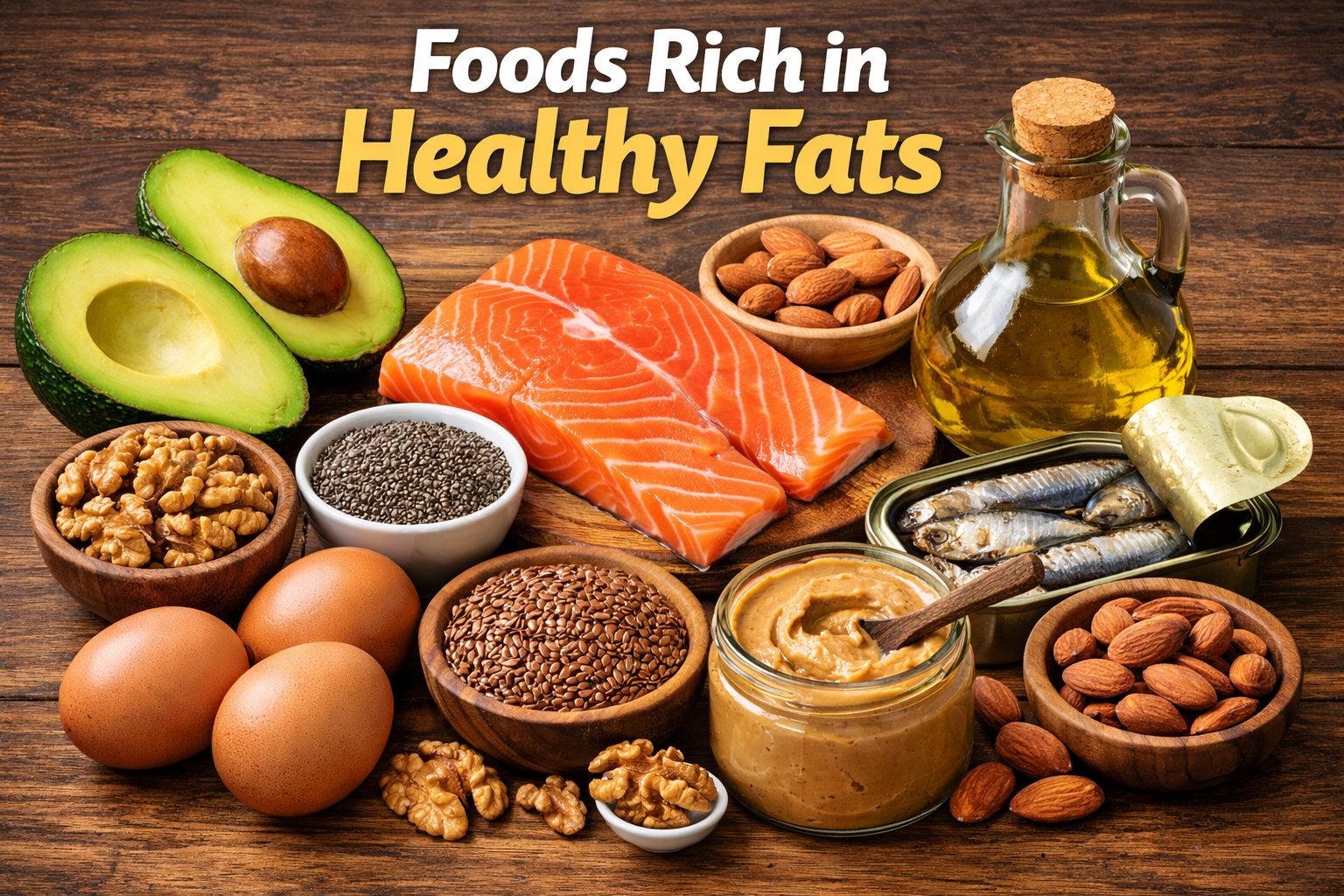
Foods rich in healthy fats are whole foods that contain mostly monounsaturated and polyunsaturated fats, such as omega-3 and omega-6 fatty acids. These fats support heart health, improve cholesterol balance, and help the body absorb vitamins A, D, E, and K.
For years, fat was labeled the enemy—but what if avoiding it is actually harming your health?
During the 1990s low-fat craze, food companies removed natural fats from products and replaced them with refined sugars and artificial additives. Instead of creating a healthier population, this shift fueled metabolic problems and widespread confusion about nutrition.
One of the biggest myths is that all fats are unhealthy. In reality, your body depends on healthy fats to function. They support hormone production, protect nerves, and help maintain healthy cells. Experts now agree that the old “fat-free” approach ignored the critical role of unsaturated fats in long-term health.
Healthy fats are more than calories—they are essential building blocks. Your brain and cell membranes rely on quality lipids to function properly. The key is to replace processed trans fats and excess unhealthy fats with nutrient-dense, unsaturated sources.
In this article, you’ll discover the different types of dietary fats and learn about 10 science-backed foods rich in healthy fats that support heart health, brain function, and overall wellness—plus simple ways to add them to your daily routine.
Key Takeaways
- Quality Over Quantity: Prioritize whole-food sources like fish, nuts, and seeds over refined oils.
- Heart Protection: Unsaturated fats are linked to improved LDL cholesterol levels and lower cardiovascular risk.
- Brain Support: Specific lipids are essential for cognitive function and may protect against age-related decline.
- Absorption: Healthy fats are required to unlock the nutritional value of fat-soluble vitamins in your vegetables.
- Satiety: These foods digest slowly, helping you feel full longer and supporting blood sugar stability.
Why Healthy Fats Matter for Long-Term Health
Modern medical consensus has shifted away from total fat restriction. Leading organizations like the World Health Organization (WHO) now emphasize that we should focus on the type of fat we consume.
Healthy fats, specifically monounsaturated and polyunsaturated varieties, are linked to reduced markers of chronic inflammation. While inflammation is a natural immune response, persistent low-grade inflammation is associated with many modern chronic conditions. Consuming foods high in healthy fats can help regulate these inflammatory pathways.
Furthermore, these fats are required for “nutrient synergy.” If you eat a salad full of vitamins but don’t add a fat source like olive oil or avocado, your body struggles to absorb vitamins A, D, E, and K. Essentially, healthy fats unlock the benefits of the other healthy foods you eat.
10 Powerful Foods Rich in Healthy Fats
To achieve wellness, research suggests focusing on fat sources that come packaged with fiber, protein, and antioxidants. Here are 10 top-tier choices for your daily diet.
1. Avocados
Avocados are a creamy, nutrient-dense fruit rich in healthy fats and fiber. They contain the antioxidant compound lutein, which helps protect cells from oxidative stress. Research suggests that regular avocado consumption may improve cholesterol balance and support heart health due to its high oleic acid and potassium content. For an easy daily boost, spread mashed avocado on whole-grain toast or add slices to salads and omelets.
2. Salmon
Salmon is a fatty fish packed with heart-friendly Omega-3 fats and high-quality protein. It contains the antioxidant compound astaxanthin, which gives salmon its pink color and helps reduce oxidative damage. Studies show that Omega-3 fatty acids in salmon may lower inflammation and support cardiovascular and brain health. A practical way to enjoy it is by eating two servings weekly, grilled or added to salads and grain bowls.
3. Walnuts
Walnuts are nutrient-rich nuts known for their plant-based Omega-3 fats and satisfying crunch. They contain powerful antioxidants called polyphenols, which help combat oxidative stress and inflammation. Research indicates that walnuts may improve endothelial function, supporting healthy blood vessels and circulation. Keep a small handful nearby for a convenient snack or sprinkle them over oatmeal and yogurt.
4. Extra Virgin Olive Oil (EVOO)
Extra virgin olive oil is a staple of the Mediterranean diet and one of the healthiest cooking oils available. It contains oleocanthal, a natural antioxidant compound with anti-inflammatory effects similar to ibuprofen. Studies have linked EVOO consumption to improved cardiovascular health and reduced inflammation markers. For maximum benefits, drizzle it over vegetables, soups, or salads instead of overheating it during cooking.
5. Chia Seeds
Chia seeds are tiny nutritional powerhouses loaded with fiber, healthy fats, and plant protein. They are rich in antioxidants such as chlorogenic acid and caffeic acid, which help protect cells from free radical damage. Research shows chia seeds may support digestive health, heart health, and stable energy levels due to their fiber and Omega-3 content. Stir a couple of tablespoons into yogurt, smoothies, or overnight oats for an easy nutrition upgrade.
6. Almonds
Almonds are crunchy nuts packed with healthy fats, protein, and essential nutrients. They are especially high in vitamin E, a potent antioxidant that protects cells from oxidative stress. Clinical studies suggest almonds may improve satiety and support healthy weight management while benefiting heart health. Enjoy a small handful as a snack or add sliced almonds to salads and oatmeal.
7. Flaxseeds
Flaxseeds are one of the best plant-based sources of Omega-3 fats and dietary fiber. They contain antioxidant compounds called lignans, which may help reduce oxidative stress and support hormonal balance. Research has linked flaxseed intake to improved blood pressure and heart health. For better nutrient absorption, use ground flaxseeds in smoothies, oatmeal, or baked goods instead of whole seeds.
8. Sardines
Sardines are small oily fish packed with Omega-3 fats, calcium, and vitamin D. They contain the antioxidant mineral selenium, which supports immune defense and protects cells from damage. Studies suggest sardines may support bone strength and heart health while offering lower mercury exposure than larger fish. Try them on whole-grain crackers with lemon juice and mustard for a nutrient-rich snack.
9. Natural Peanut Butter
Natural peanut butter provides a satisfying combination of healthy fats and plant protein. It contains the antioxidant compound p-coumaric acid, which may help reduce oxidative stress in the body. Research suggests peanuts and peanut butter can support heart health and help maintain stable blood sugar when eaten in moderation. Spread it on apple slices or whole-grain toast for a balanced snack.
10. Whole Eggs
Whole eggs are a nutrient-rich food that delivers healthy fats, protein, and essential vitamins. Egg yolks contain antioxidants lutein and zeaxanthin, which support eye health and protect against oxidative damage. Research shows eggs provide choline, an important nutrient for brain function and fat metabolism, without significantly affecting cholesterol levels for most people. For maximum nutrition, eat the whole egg instead of skipping the yolk.
Easy Ways to Add More Healthy Fats to Your Daily Meals
You don’t need a complete pantry overhaul to start eating more nutrient-dense fats. Instead, focus on “crowding out” the lower-quality fats with better options:
- The Salad Swap: Ditch the processed “fat-free” dressings. Use two tablespoons of extra virgin olive oil and balsamic vinegar to unlock the vitamins in your greens.
- Upgrade Your Morning: Instead of sugary cereal, try Greek yogurt topped with chia seeds and walnuts.
- Smart Snacking: Replace processed crackers with a handful of almonds or an apple with natural peanut butter.
- Fish Twice Weekly: Committing to “Fish Fridays” or a mid-week salmon dish is a proven way to boost your Omega-3 levels.
- Use Avocado as a Spread: Use mashed avocado as a replacement for mayonnaise on sandwiches or wraps for a much higher nutritional value.
Frequently Asked Questions (FAQ)
1. What foods are highest in healthy fats?
Avocados, fatty fish like salmon, nuts (specifically walnuts), and extra virgin olive oil are among the highest and most beneficial sources of monounsaturated and polyunsaturated fats.
2. Are healthy fats good for weight loss?
Yes. While fats are calorie-dense, they promote satiety. Including healthy fats in your meals helps you stay full longer, which can prevent overeating throughout the day.
3. How much healthy fat should you eat daily?
General guidelines suggest that 25% to 35% of your total daily calories should come from fat. For a 2,000-calorie diet, that is roughly 56 to 78 grams, mostly from unsaturated sources.
4. Which healthy fats are best for the heart?
The Omega-3s found in salmon and sardines, along with the monounsaturated fats in olive oil and avocados, have the strongest research support for heart protection.
5. Can healthy fats reduce inflammation?
Yes. Omega-3 fatty acids and the antioxidants in olive oil act as natural anti-inflammatory agents by helping to reduce the production of pro-inflammatory substances.
6. Is it okay to cook with olive oil?
Yes. While extra virgin olive oil has a lower smoke point than refined oils, it is very stable under medium heat (like sautéing or roasting). For very high-heat frying, avocado oil is a better alternative.
7. Are eggs considered a healthy fat?
Yes. Whole eggs contain a mix of healthy fats, protein, and important nutrients like choline and vitamin D. Research shows that for most people, eating eggs in moderation does not significantly raise harmful cholesterol levels and can support brain and eye health.
8. What are examples of bad fats to avoid?
Industrial trans fats and heavily processed fats are the main types to limit or avoid. These are commonly found in fried fast foods, packaged snacks, margarine, and baked goods made with partially hydrogenated oils, which are linked to inflammation and increased heart disease risk.
Final Thoughts
The era of fearing fat is over. By focusing on foods rich in healthy fats, you are giving your body the essential tools it needs for a sharp mind, a resilient heart, and a balanced hormonal system.
The goal isn’t just to add fat to everything you eat, but to replace low-quality, processed fats with high-quality, whole-food sources. Start small. Swap your morning butter for avocado, or add a handful of walnuts to your lunch salad. In just 7 days, these small shifts can help stabilize your energy levels and improve your nutritional profile.
Take control of your health this week! Pick just two foods from our list—like salmon and walnuts—and add them to your grocery list. For more tips on building a life-long wellness plan, check out our Expert Guide to Anti-Inflammatory Foods or explore our Omega-3 Rich Foods That Boost Brain, Heart, and Overall Health.
Sources & References
- American Heart Association (2024): “Monounsaturated Fats and Heart Health.”
- World Health Organization (WHO): “Healthy Diet Fact Sheet: The Role of Unsaturated Fats.”
- Journal of the American College of Cardiology (2022): “Olive Oil Consumption and Cardiovascular Risk.”
- Harvard T.H. Chan School of Public Health: “Fats and Cholesterol: Out with the Bad, In with the Good.”
Medically Reviewed By:
Our Medical Review Team
This article has been reviewed by qualified healthcare professionals to ensure that the information is accurate, evidence-based, and aligned with current medical and nutrition guidelines.
Medical Disclaimer
The information provided in this article is for educational and informational purposes only and is not intended as medical advice. Always consult a qualified healthcare professional before making changes to your diet, exercise routine, supplements, or medical treatment.