
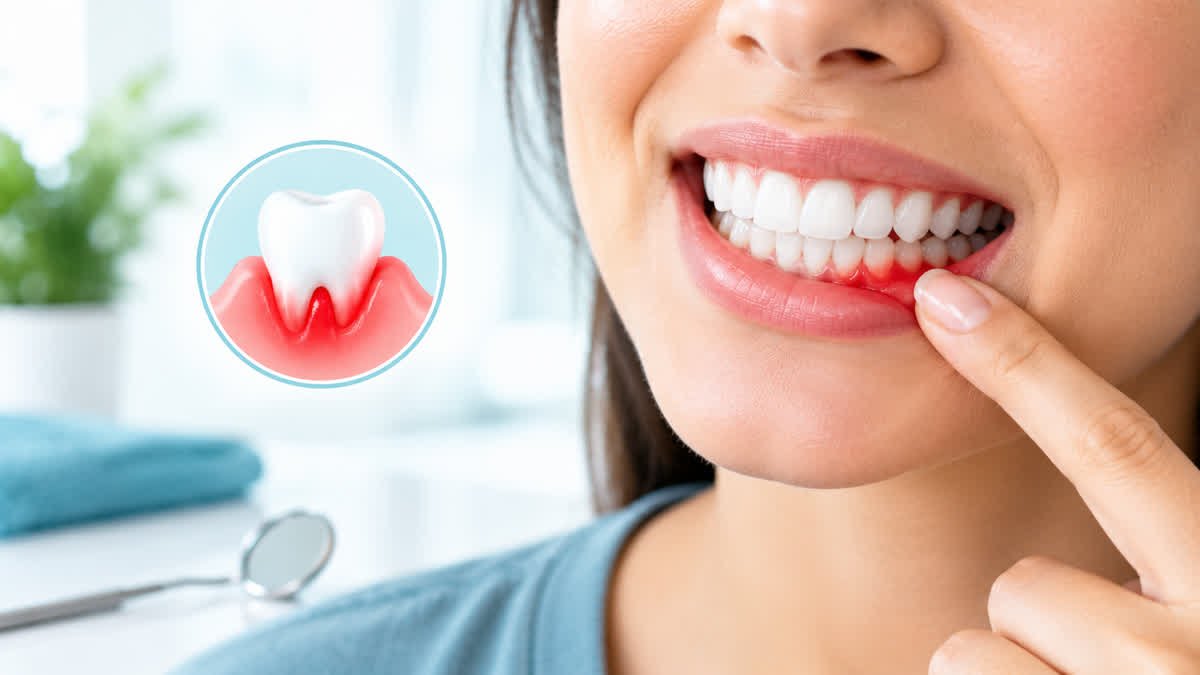

Yes, gum disease is a common cause of bleeding gums. When plaque builds up along the gumline, it can irritate the tissue and lead to inflammation, which makes gums red, swollen, and more likely to bleed during brushing, flossing, or eating. Gum disease is not the only possible explanation, though, so it helps to understand the full picture.
Bleeding gums can also result from brushing too hard, starting a new flossing routine, hormonal changes, certain medications, or other health conditions. Because the cause is not always obvious from appearance alone, bleeding that keeps coming back deserves attention, even when it does not hurt. Early gum problems are often painless, which is one reason they can go unnoticed.
This guide explains how gum disease causes bleeding gums, which signs to watch for, what else can make gums bleed, and how gingivitis differs from periodontitis. You will also find practical home-care steps, an overview of how dentists find the cause and treat it, and clear guidance on when to book an appointment or seek urgent care.
How Does Gum Disease Cause Bleeding Gums?
Gum disease (also called periodontal disease) is an infection and inflammation of the tissues that surround and support the teeth. According to the National Institute of Dental and Craniofacial Research (NIDCR), it often begins with swollen, red gums that bleed easily. If it progresses, it can affect the bone that holds the teeth in place.
Plaque Buildup and Gum Inflammation
Plaque is a sticky, colorless film of bacteria that constantly forms on the teeth. When it is not removed well by brushing and cleaning between the teeth, it collects along the gumline. The bacteria and the substances they release can irritate the gums, and the body responds with inflammation.
Inflamed gum tissue is more fragile and has increased blood flow. As a result, it may bleed more easily when you brush, floss, or bite into firm foods. Plaque that is left in place can also harden into tartar (calculus), which cannot be removed with a toothbrush and tends to encourage more plaque to collect. You can read more about common causes of gum disease in our dedicated guide.
What Happens When Gum Disease Progresses?
In some people, untreated gum inflammation can develop into periodontitis. At this stage, the gums may pull away from the teeth and form deeper spaces called periodontal pockets, where more bacteria can collect. Over time, the tissues and bone that support the teeth can be damaged, and teeth may eventually loosen.
Not everyone with gum inflammation develops periodontitis, and the speed of progression varies from person to person. It is also important to know that bleeding alone cannot tell you the stage or severity of gum disease. Only a dental examination can do that.
What Are the Signs of Gum Disease?
Gum disease often develops quietly. Many people have few symptoms, or none that cause pain, in the early stages. That is why symptoms are best seen as clues rather than a diagnosis.
Early Signs
The earliest signs usually involve the gums themselves. These may include:
- Gums that bleed when you brush or floss, sometimes called bleeding gums when brushing
- Red, puffy, or swollen gums, or swollen and bleeding gums together
- Tender or sensitive gums
- Persistent bad breath or an unpleasant taste in the mouth
- Visible plaque or a soft film along the gumline
Persistent bad breath can have several causes, and gum problems are only one of them. If this is a concern for you, our overview of the common causes of bad breath may help you sort through the possibilities.
Signs That May Suggest More Advanced Disease
Some changes may point to a more advanced problem and should prompt a dental visit soon:
- Gums that seem to be pulling away from the teeth, making teeth look longer
- Loose teeth or teeth that appear to be shifting
- Discomfort or pain while chewing
- A change in the way your teeth fit together when you bite
The NHS notes that gum disease is often painless in its early stages, which is why regular dental checkups matter. Having one or more of these signs does not confirm advanced gum disease, but it does mean a professional assessment is a good idea.
What Else Can Cause Bleeding Gums?
Gum disease is a leading cause of bleeding gums, but it is not the only one. Looking at other possibilities can help you decide what to do next. It can also help you avoid assuming the worst.
Brushing Too Hard or Using a Hard-Bristled Brush
Brushing with a lot of force, or using a hard-bristled toothbrush, can irritate the gums and cause them to bleed. Over time, aggressive brushing may also contribute to gum recession. A soft-bristled toothbrush and gentle, small circular or short back-and-forth motions are usually recommended.
If you switch to a gentler technique and the bleeding continues for more than a couple of weeks, plaque-related inflammation may be the real issue. A dentist can help sort this out.
Starting or Changing Your Flossing Routine
Gums may bleed when you first begin cleaning between your teeth, especially if you had not been doing it regularly. Often this happens because plaque has already caused some gum inflammation. In many cases, bleeding lessens as the area gets cleaner and the gums become healthier.
However, heavy bleeding, bleeding that does not improve, or bleeding with pain should still be assessed. Snapping floss down onto the gums can also cause injury, so gentle technique matters.
Hormonal Changes
Hormonal shifts can make gums more sensitive and more reactive to plaque. This may happen during puberty, around menstrual periods, and during pregnancy. Some pregnant women develop what is often called pregnancy gingivitis, with gums that look swollen and bleed easily.
Good daily oral care and regular dental visits remain important during these times. Anyone who is pregnant and notices ongoing gum bleeding should mention it to a dentist and their prenatal care provider.
Medications and Other Health Conditions
Some medications can make bleeding more likely. Blood thinners (anticoagulants) and certain other medicines that affect clotting can contribute to bleeding gums. Some conditions that affect the blood, the immune system, or blood sugar control may also influence gum health and bleeding.
If you take a prescribed medication, do not stop or change it on your own because of bleeding gums. Talk with the clinician who prescribed it, and let your dentist know about every medicine you take.
Other Oral or General Health Problems
Occasionally, persistent or unexplained bleeding can be linked to other oral or general health problems. Examples include certain nutritional deficiencies, blood disorders, and some other medical conditions. These causes are much less common than plaque-related gum inflammation, but they are one reason it is better to get checked than to guess.
A dental professional can examine your mouth and, if needed, recommend that you see a physician for further evaluation.
Gingivitis vs. Periodontitis: What Is the Difference?
Gum disease is generally divided into two main stages. Gingivitis is the milder, earlier form. Periodontitis is the more serious form, in which the structures that support the teeth are affected.
The Centers for Disease Control and Prevention (CDC) explains that gingivitis can often be reversed with good oral care, while periodontitis can cause lasting damage to the gums and bone. The table below summarizes the key differences in plain language.
| Feature | Gingivitis | Periodontitis |
|---|---|---|
| Main problem | Gum inflammation | Damage to supporting tissues |
| Bleeding | Common | May occur |
| Bone loss | Not a defining feature | Can occur |
| Reversibility | Often reversible with proper care | Existing tissue and bone damage is generally not reversible |
| Management | Oral hygiene and professional care as needed | Professional periodontal treatment and ongoing maintenance |
These categories are a general guide, and real-life cases can fall in between. Gum bleeding does not automatically mean you have periodontitis. Only a dentist can determine which condition is present and how severe it is, based on a full examination.
What Should You Do if Your Gums Bleed?
If your gums bleed, the most helpful first step for most people is to improve everyday plaque control, while arranging a dental review if the bleeding persists. The steps below reflect general guidance and are not a substitute for advice from your own dentist. For a broader walkthrough, see our guide to managing gum disease at home.
Brush Gently Twice a Day
The NIDCR recommends brushing twice a day with fluoride toothpaste. A few practical points can make this safer for sensitive gums:
- Use a soft-bristled toothbrush.
- Angle the bristles toward the gumline and use gentle, short strokes rather than scrubbing.
- Brush for about two minutes each time, covering all surfaces of your teeth.
- Replace your toothbrush about every three to four months, or sooner if the bristles look frayed.
If you are not sure whether your technique is right, a dentist or dental hygienist can watch you brush and offer tips.
Clean Between Your Teeth Daily
Brushing cannot reach all the plaque that collects between teeth. Cleaning between the teeth once a day, with dental floss or another interdental cleaner such as small interdental brushes or water flossers, helps remove what a toothbrush misses.
If you notice bleeding when flossing, keep going gently rather than stopping. Bleeding from plaque-related inflammation often improves as the gums become healthier, although there is no set timeline. If it persists or is heavy, have it checked. A dentist or hygienist can also show you the best tool and technique for your mouth.
Avoid Tobacco and Maintain Healthy Habits
Tobacco use is a well-established risk factor for gum disease. It can also interfere with healing and may make gum disease harder to treat. If you use tobacco and want to quit, a healthcare professional can help you find support options.
General healthy habits support overall health, including your mouth. These include eating a balanced diet and keeping up with routine dental visits. No specific food or supplement has been shown to cure gum disease, so these habits are best seen as part of the bigger picture, not a replacement for dental care. Our guide to preventive health care offers more on this.
Don’t Rely on Home Remedies Alone
Some people find that a mouth rinse recommended by their dentist is a helpful part of their care plan. Rinses, including saltwater rinses, do not replace brushing, cleaning between the teeth, or professional treatment, and they do not cure periodontitis.
Also keep these safety points in mind:
- Do not try to scrape off tartar at home. Tartar needs to be removed by a dental professional, and scraping can injure your gums and teeth.
- Avoid putting irritating substances on your gums.
- Do not stop prescribed blood thinners or other medicines without talking to your clinician.
How Do Dentists Diagnose and Treat Bleeding Gums?
A dental visit is the most reliable way to find out why your gums bleed. The goal is to identify the cause, check for signs of gum disease, and recommend care that fits your situation.
How the Dentist Finds the Cause
A dental professional will usually start by asking about your symptoms, daily oral hygiene routine, medical history, and any medications you take. They will then examine your mouth. Typically, this includes:
- Looking at the gums for redness, swelling, bleeding, and recession
- Checking for plaque and tartar buildup
- Measuring the depth of the spaces between your gums and teeth (periodontal pockets) with a small probe
- Assessing whether any teeth are loose or have shifted
- Taking dental X-rays when appropriate to evaluate the bone that supports your teeth
You can learn more about how dentists diagnose gum disease in our detailed guide. If bad breath is also a concern, see how persistent bad breath is evaluated.
Treatment Depends on the Cause
There is no single treatment for bleeding gums, because the right approach depends on what is causing them. In general:
- Gingivitis may improve with effective plaque removal at home and a professional cleaning when needed.
- Tartar must be removed by a dentist or dental hygienist.
- Periodontitis may require a deeper cleaning called scaling and root planing, followed by regular periodontal maintenance visits. Some people are referred to a periodontist (a gum specialist) for additional care.
- Other causes, such as a medication effect or an underlying medical condition, may call for a medication review or a medical evaluation.
The NIDCR notes that treatment aims to control the infection and prevent further damage. To explore the full range of approaches, see our overview of gum disease treatment options.
When Should You See a Dentist for Bleeding Gums?

Book a dental appointment if you have recurring bleeding gums, persistent swelling or tenderness, gum recession, ongoing bad breath, or any change in how stable your teeth feel. Bleeding that happens repeatedly during routine brushing should be assessed even if there is no pain. Early evaluation gives you the best chance to address inflammation before it advances.
Seek urgent dental care promptly if you notice any of the following:
- Marked swelling of the gums or face
- Pus around the teeth or gums
- Severe or worsening pain
- A loose adult tooth
Heavy bleeding that will not stop needs emergency assessment. The same is true if bleeding comes with trouble breathing or swallowing, or with significant swelling of the face or neck. In those situations, call 911 or go to the nearest emergency department.
Frequently Asked Questions
Can gum disease cause bleeding every time I brush?
Inflamed gums can bleed repeatedly during brushing, which is a common sign of gum disease. Other causes, such as brushing too hard or certain medications, are also possible. If bleeding happens often, it is a good idea to have a dental examination to find the cause. See the NIDCR guidance on gum disease for more detail.
Should I stop flossing if my gums bleed?
In most cases, no. Gentle daily cleaning between the teeth helps remove the plaque that causes inflammation, and bleeding often lessens as gums get healthier. If the bleeding is heavy or does not improve, have it assessed by a dentist rather than giving up on cleaning.
How long does it take for bleeding gums to improve?
There is no guaranteed timeline, because it depends on the cause and how much inflammation is present. Gingivitis related to plaque may improve with consistent, gentle oral care and a professional cleaning when needed. If your gums are still bleeding after a couple of weeks of good care, or you have other symptoms, see a dentist.
Can bleeding gums heal on their own?
Minor irritation, such as from a new toothbrush or overly firm brushing, may settle once the cause is corrected. Gum disease, however, often needs better plaque control and sometimes professional cleaning or treatment. Waiting without changing anything is unlikely to resolve ongoing inflammation. The CDC notes that gingivitis can often be reversed with good care, while periodontitis involves lasting damage.
Are bleeding gums always a sign of gum disease?
No. Gum disease is one of the most common causes, but bleeding can also come from rough brushing, hormonal changes, medications that affect clotting, or other health conditions. A dental examination is the best way to find the cause.
Can vitamin deficiencies cause bleeding gums?
Some nutritional deficiencies, such as a significant lack of vitamin C, can contribute to gum bleeding, although this is uncommon in people who eat a varied diet. Please do not assume you have a deficiency or start high-dose supplements without medical advice. The NIH Office of Dietary Supplements provides more information on vitamin C.
Conclusion: Don’t Ignore Bleeding Gums
Gum disease is a common cause of bleeding gums, but an accurate diagnosis depends on your symptoms, medical history, and a dental examination. Not every case of bleeding means periodontitis, and not every case is harmless either.
Gentle brushing twice a day, daily cleaning between your teeth, and regular professional care are the foundation of healthy gums. If your gums keep bleeding, schedule a dental visit. Early evaluation can help address gum inflammation before it progresses.
Sources
- National Institute of Dental and Craniofacial Research (NIDCR): Periodontal (Gum) Disease
- National Institute of Dental and Craniofacial Research (NIDCR): Oral Hygiene
- Centers for Disease Control and Prevention (CDC): About Periodontal (Gum) Disease
- National Health Service (NHS): Gum Disease
- NIH Office of Dietary Supplements: Vitamin C Fact Sheet for Health Professionals
Medical Disclaimer: This article is for educational purposes only and is not a substitute for professional dental or medical advice, diagnosis, or treatment. If you have bleeding gums or other symptoms that concern you, talk with a dentist or another qualified healthcare provider. If you think you are having a medical emergency, call 911 or your local emergency number right away.