
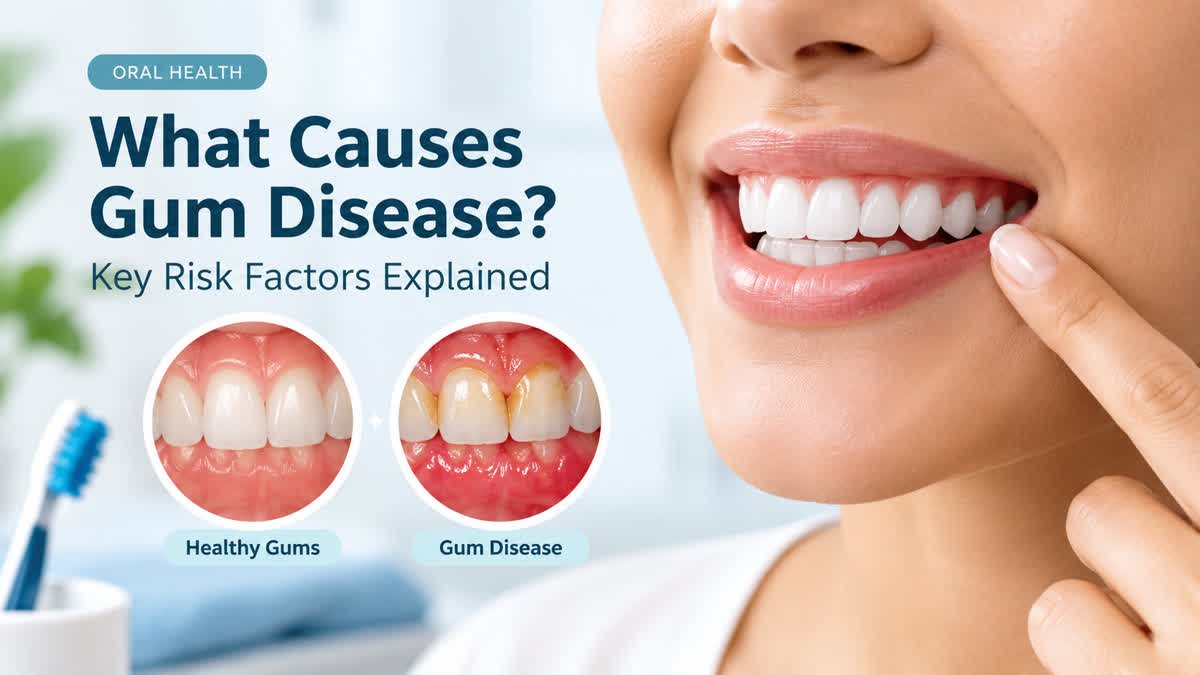

Gum disease is inflammation that affects the gums and, in more advanced cases, the tissues and bone that hold your teeth in place. It is common: the National Institute of Dental and Craniofacial Research (NIDCR) reports that about 2 in 5 U.S. adults age 30 or older are affected by some form of it. Many people first notice it as bleeding gums or bad breath, while others notice nothing at all.
The main trigger is plaque, a sticky film of bacteria that builds up on teeth along the gumline. But plaque is only part of the story. Smoking, diabetes, genetics, hormonal changes, and other factors can make some people more likely to develop gum disease, or make it harder to control.
This article explains what causes gum disease, which risk factors matter most, how to spot early warning signs, and what you can do to protect your gums. It is general education, not a diagnosis, and it does not replace an exam by a dentist.
What Is the Main Cause of Gum Disease?
The Centers for Disease Control and Prevention (CDC) describes periodontal (gum) disease as a group of conditions involving inflammation and infection of the gums and the bone that support the teeth. Plaque and the body’s response to it sit at the center of that process. Other factors then influence how likely the disease is to start and how quickly it progresses.
Dental Plaque and Bacterial Buildup
Plaque forms on your teeth constantly. It is a film made of bacteria, saliva, and food particles, and it collects most easily along the gumline and between teeth. Bacteria live in every healthy mouth, so their presence alone is not the problem.
Trouble starts when plaque is left in place. The American Dental Association (ADA) explains that plaque that is not cleaned well can make gums inflamed, causing them to pull away from the teeth and form spaces called pockets. Plaque then becomes trapped in those pockets, where regular brushing cannot reach it.
How Plaque Turns Into Tartar
If plaque stays on the teeth, minerals in saliva can harden it into tartar (also called calculus). Tartar bonds firmly to the tooth surface and creates a rough area where more plaque can collect.
You cannot remove tartar with a toothbrush or floss. A dental professional has to remove it with special instruments, which is one reason regular professional cleanings matter.
From Gingivitis to Periodontitis
The earliest stage of gum disease is gingivitis, in which the gums become red, swollen, and prone to bleeding. At this stage, the bone and fibers that anchor the teeth are not yet damaged, and gingivitis can often be reversed with consistent plaque removal and professional care.
In some people, long-lasting inflammation progresses to periodontitis. Here the infection reaches below the gumline and begins to damage the supporting tissues and bone. Not everyone with gingivitis develops periodontitis, and individual susceptibility varies.
Established periodontitis can be managed, but lost supporting bone is not generally restored without specific treatment. Our guide to gum disease treatment options explains how dentists approach each stage.
Key Risk Factors for Gum Disease
Plaque is the starting point, but not everyone with plaque develops the same degree of gum disease. A risk factor is something that raises your chances or makes the disease harder to control. Importantly, a risk factor is not the same as a direct cause, and having one does not mean you will develop gum disease. The American Academy of Periodontology (AAP) describes risk assessment as considering age, smoking, diet, stress, systemic conditions, genetics, and other influences together.
1. Inadequate Oral Hygiene
Plaque builds up quickly when brushing and cleaning between the teeth are infrequent or ineffective. Many people brush regularly but miss the gumline or skip interdental cleaning, which leaves plaque in the areas where gum disease typically starts.
Technique and consistency matter more than force. Hard scrubbing can irritate the gums and contribute to recession, so gentle, thorough cleaning is the goal.
2. Smoking and Tobacco Use
The NIDCR says smoking is the most significant risk factor for gum disease and can also make treatment less successful. Tobacco is thought to weaken the mouth’s defenses against bacteria and slow healing.
Tobacco can also mask the warning signs. Smoking may reduce visible bleeding, so healthy-looking gums do not guarantee healthy tissue underneath. A dental exam is the only reliable way to know.
If you use tobacco, quitting is one of the most valuable steps for your gums. Your dentist or doctor can connect you with cessation support.
3. Diabetes and Blood Sugar Control
The relationship between diabetes and gum disease runs in both directions, according to the CDC. Higher blood sugar levels are associated with a greater risk of gum disease, and gum inflammation may make blood sugar harder to manage.
If you have diabetes, coordinated care helps. Keep up with your diabetes management plan, let your dentist know about your diagnosis, and mention gum changes to your healthcare team. Having diabetes does not mean gum disease is inevitable.
4. Genetics and Family History
Some people are more susceptible to gum disease even with good oral hygiene. The ADA’s resource on genetics and oral health discusses genetic control of susceptibility to periodontal disease, and also notes the limits of genetic testing: clinical measurements by a dentist remain the best way to assess periodontal health.
If gum disease or early tooth loss runs in your family, tell your dentist. Genetic risk is not destiny, and thorough daily care and regular checkups can still make a meaningful difference.
5. Hormonal Changes
Hormonal shifts during puberty, pregnancy, and menopause can change how gum tissue responds to plaque. Gums may become more sensitive, swollen, or likely to bleed during these times, even when oral hygiene has not changed.
If you are pregnant or going through menopause, keeping up with gentle daily care and dental visits is especially helpful. Tell your dentist about pregnancy so your care can be planned appropriately.
6. Medications and Dry Mouth
Saliva helps rinse away food particles and bacteria. Many common medicines can reduce saliva flow and cause dry mouth, which may make plaque easier to accumulate. Dry mouth can also contribute to persistent bad breath; our overview of factors that contribute to bad breath covers this in more detail.
Some medications can also affect the gum tissue itself, for example by causing gum overgrowth. Do not stop a prescribed medicine on your own. Instead, tell your dentist and prescriber about everything you take so they can discuss possible side effects and options.
7. Age and Other Health Conditions
Gum disease becomes more common with age, in part because of accumulated exposure over time. According to the NIDCR, periodontal disease affects nearly half of Americans over 30 and about 70% of those 65 and older.
Conditions that affect the immune system, or certain chronic illnesses, may also change how the body responds to bacteria. Age and health conditions cannot be changed, but regular dental care can help catch problems early.
8. Stress and Poor Sleep Habits
Stress is listed among the factors associated with periodontal disease by the AAP. Chronic stress may affect immune responses and can make it harder to keep up with daily routines like brushing and flossing.
It is important to keep this in proportion. Stress and sleep problems are not known to cause gum disease on their own, and the evidence for sleep specifically is limited. Think of them as factors that may contribute indirectly, mainly by affecting health and habits.
9. Poor Nutrition and Obesity
Both nutrition and body weight are associated with gum disease risk. A diet low in important nutrients may affect how well the body maintains and repairs tissue, and obesity is linked to higher inflammation in the body.
Neither is a sole cause, and neither should be a source of shame. A varied, balanced diet supports overall health, but it does not replace plaque removal or dental care.
10. Crowded Teeth, Dental Appliances, and Grinding
Crowded or overlapping teeth, worn or poorly fitting dental work, and some dental appliances create hard-to-clean surfaces where plaque can hide. Your dentist can suggest tools and techniques tailored to those areas, such as interdental brushes or a water flosser.
Teeth grinding or clenching does not cause gum disease by itself. However, it may place extra force on supporting tissues that are already weakened by gum disease. If you grind your teeth, ask your dentist whether a night guard is appropriate.
Early Signs That Gum Disease May Be Developing
Gum disease can progress with little or no pain, so symptoms are easy to dismiss. Watch for:
- Red, swollen, or tender gums
- Bleeding when you brush or floss
- Persistent bad breath or an unpleasant taste in your mouth
- Gum recession, sensitive teeth, or teeth that look longer
- Changes in how your teeth fit together or shift position
- Loose teeth or discomfort when chewing, which can occur in more advanced disease
Bleeding gums are a common first sign, but they are easy to overlook, especially in people who smoke. Symptoms alone also cannot tell you how severe the disease is. A dental exam can determine the stage.
Bad breath deserves a note of its own. It has many possible sources, but gum disease can be one of them. Our guide to the common causes of bad breath can help you sort through possibilities, and a dentist can tell you whether your gums are involved.
How to Reduce Your Risk of Gum Disease

You cannot change every risk factor, but daily habits and regular care can lower your risk and help catch problems early. Practical steps include:
- Brush twice a day with fluoride toothpaste and a soft-bristled toothbrush, angling the bristles toward the gumline.
- Clean between your teeth daily with floss, interdental brushes, or another tool your dentist recommends.
- See your dentist regularly. Checkups and professional cleanings, scheduled according to your individual needs, remove tartar and let your dentist check your gums.
- Avoid tobacco. If you use it, ask for help quitting.
- Manage diabetes with guidance from your healthcare team.
- Eat a varied, balanced diet and stay hydrated, and limit frequent sugary snacks and drinks.
- Tell your dentist about your medications, health conditions, pregnancy, and any changes in your mouth.
These habits fit into a larger approach to preventive healthcare, where routine care and early attention to symptoms help prevent bigger problems later.
Preventive habits lower your risk, but they cannot eliminate every risk factor. If gum disease does develop, treatment is available, and our guide to gum disease treatment options explains what to expect.
When Should You See a Dentist?
Do not wait for pain. Schedule an appointment if you notice:
- Gums that bleed, swell, or feel tender for more than a week or two
- Gums that are pulling away from your teeth
- Recurring bad breath that does not improve with brushing
- Pus around the teeth or gums
- Loose teeth, or pain when chewing
At the visit, your dentist may examine your gums, measure the pockets around your teeth, and take X-rays when indicated. This helps determine whether you have gingivitis or periodontitis. If bad breath is part of your concern, you can read about how bad breath is diagnosed to know what to expect.
Seek urgent care for significant facial swelling with a fever. Difficulty breathing or swallowing is an emergency: call 911 or go to the nearest emergency department.
Frequently Asked Questions About Gum Disease Causes
What is the most common cause of gum disease?
Plaque buildup along the gumline is the most common cause. Bacteria in plaque trigger inflammation in the gums, and if plaque hardens into tartar, it becomes harder to remove at home. Other factors, such as smoking and diabetes, influence how likely the problem is to develop and progress. The CDC describes gum disease as largely preventable and treatable.
Can you get gum disease even if you brush every day?
Yes. Brushing alone does not clean between the teeth, and it is easy to miss the gumline. Smoking, diabetes, genetics, hormonal changes, and some medications can also raise risk despite good habits. Cleaning between your teeth daily and keeping regular dental visits can help close those gaps.
Is gum disease contagious?
Gum disease is not contagious in the way a cold is. The bacteria involved can be shared through saliva, but having those bacteria does not mean another person will develop gum disease. Whether disease develops depends on plaque buildup, the body’s response, and other risk factors. If you are worried, a dental exam can assess your own gums.
Can stress cause gum disease?
Stress alone is not known to cause gum disease. However, the AAP lists stress among factors associated with periodontal disease, likely through effects on immune responses and daily habits like oral care. Managing stress and keeping up with brushing, cleaning between teeth, and dental visits can help protect your gums.
Does diabetes increase the risk of gum disease?
Yes, diabetes, especially when blood sugar is not well controlled, is associated with a higher risk of gum disease. The CDC also notes that oral health can influence blood sugar control, so the relationship goes both ways. If you have diabetes, tell your dentist and keep up with both your diabetes care and your dental visits. You can read more on the CDC’s gum disease page.
Can gum disease cause bad breath?
It can. Bacteria and inflammation in the gums can produce an unpleasant odor, and persistent bad breath is one possible sign of gum disease. Other causes include a coated tongue, dry mouth, and certain foods or conditions, so a dental exam can help sort out the source. Our guide to the causes of bad breath explains the range of possibilities.
Can gum disease be prevented?
Many cases can be prevented or caught early. Daily brushing and cleaning between teeth, regular dental checkups, avoiding tobacco, and managing conditions like diabetes all lower your risk. They cannot remove every risk factor, since genetics and age play a role. If you notice early signs, prompt dental care gives you the best chance of keeping your gums healthy.
Protecting Your Gums Starts With Understanding the Causes
Plaque is the primary driver of gum disease, and the body’s response to it determines how far the disease goes. Smoking, diabetes, genetics, hormonal changes, medications, age, and other factors shape each person’s risk. Knowing which ones apply to you helps you and your dentist plan the right level of prevention.
Because gum disease can develop with little pain, do not rely on symptoms alone. If you notice bleeding, swelling, recession, or recurring bad breath, schedule a dental evaluation. Early attention keeps more options open, and our guide to gum disease treatment options explains the next steps if treatment is needed.
Sources
- Centers for Disease Control and Prevention: About Periodontal (Gum) Disease
- National Institute of Dental and Craniofacial Research: Periodontal (Gum) Disease
- National Institute of Dental and Craniofacial Research: Periodontal Disease in Adults (Age 30 or Older)
- National Institute of Dental and Craniofacial Research: Disarming a Blood-Clotting Protein Prevents Gum Disease in Mice
- American Dental Association (MouthHealthy): Scaling and Root Planing
- American Dental Association: Genetics and Oral Health
- American Academy of Periodontology: Risk Factors (Periodontal Literature Review)
Medical Disclaimer: This article is for educational purposes only. It is not medical or dental advice, and it does not replace an exam or treatment from a licensed dentist or periodontist. Every person’s health history and risk factors are different, so talk with a dental professional about your symptoms and your care. If you have significant facial swelling with a fever, or trouble breathing or swallowing, seek urgent or emergency care right away.
3 thoughts on “What Causes Gum Disease? Key Risk Factors Explained”
Comments are closed.