
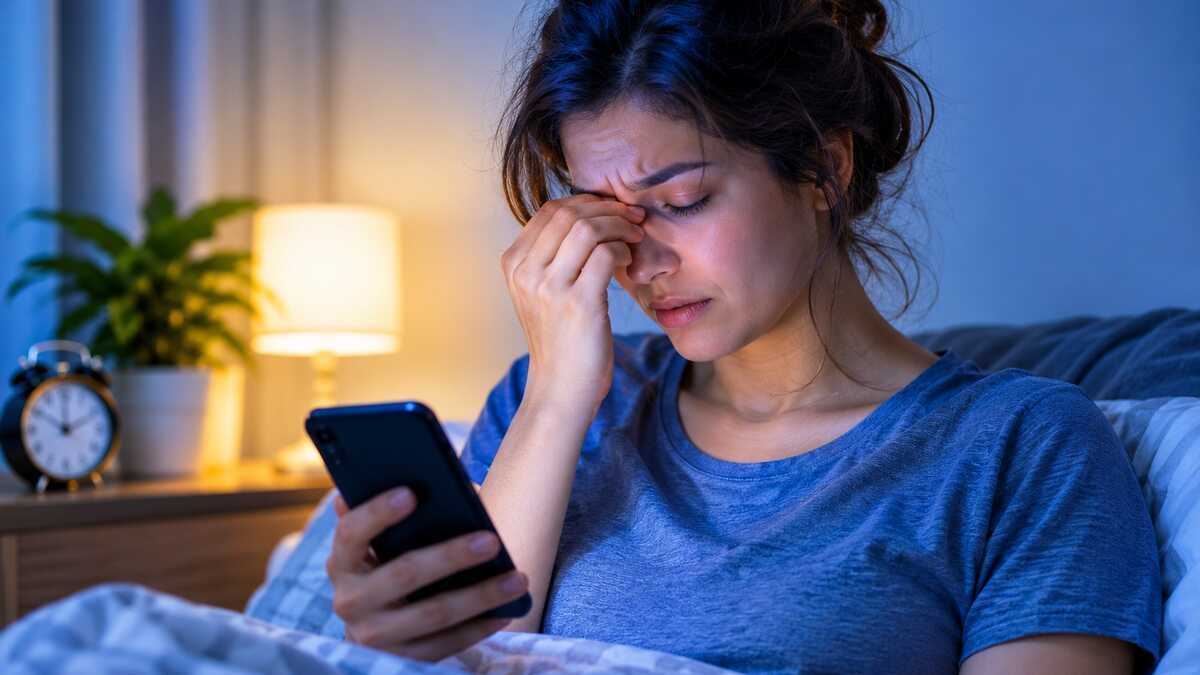

Have your eyes ever felt perfectly comfortable in the morning but tired, dry, or achy by nighttime? Eye strain at night is a common experience, especially after hours of reading, working on a computer, or scrolling on a phone. By evening, the effort of a full day of looking at nearby things can finally catch up with you.
The good news is that this discomfort is usually temporary. Cleveland Clinic describes eye strain as rarely more than a nuisance, and it typically eases once you rest your eyes and adjust your habits. Nighttime eye strain is not a separate eye disease. It is simply eye strain that becomes more noticeable at the end of the day or under certain lighting conditions.
This guide explains why your eyes may feel worse at night, what symptoms to expect, and how screens, lighting, and sleep fit in. You will also find practical relief tips and clear guidance on when an eye exam is worth scheduling.
What Is Eye Strain at Night?
Eye strain (also called eye fatigue or asthenopia) is a group of symptoms that appear after intense or prolonged use of the eyes. The American Academy of Ophthalmology (AAO) describes it as more of a symptom than an actual condition, and says it does not injure the eye or cause permanent damage. When screens are the trigger, it is often called digital eye strain or computer vision syndrome.
Understanding Nighttime Eye Fatigue
Eye fatigue is a little like tired legs after a long walk. Your eyes use small muscles to focus, and holding them on close tasks for hours can leave them feeling heavy or sore. Nighttime eye fatigue is that same feeling showing up after the day’s visual work is done.
Why Eye Discomfort May Increase Toward Evening
Several things can stack up over the course of a day:
- Hours of reading, working, or driving without real breaks.
- Reduced blinking during screen use, which dries the eye surface.
- Evening screen time on top of daytime screen time.
- Lighting that is too dim, too harsh, or uneven.
Nighttime symptoms do not automatically point to eye damage. They more often reflect how much visual work your eyes have already done.
Why Does Eye Strain Happen More Often at Night?
For most people, eye strain at night has more than one cause. It tends to build from several small factors working together. If you want a broader overview, our guide on what causes eye strain covers the general picture.
Accumulated Visual Fatigue Throughout the Day
Johns Hopkins Medicine explains that long periods of close focus keep the eye’s lens contracted. After a full day of reading, typing, or driving, that sustained effort can leave your eyes feeling worn out by evening.
Prolonged Screen Use in the Evening
Many people spend their evenings on phones, tablets, laptops, or televisions after a workday spent at a screen. Continuous close viewing without breaks adds to the load. Mayo Clinic notes that people who look at screens two or more hours in a row every day have the greatest risk.
Reduced Blinking and Dry Eyes
Blinking spreads tears across the eye and keeps it comfortable. The AAO reports that focusing on digital screens can reduce blink rate by a third to a half, which tends to dry out the eyes. Dryness often feels worse at the end of the day, after hours of reduced blinking.
Poor Lighting Conditions
Light that is too dim, too bright, or poorly placed can make seeing harder work. Cleveland Clinic lists not having enough light for a task, screen glare, and poor contrast as common causes. The AAO also notes that lighting that is too bright or too dim can tire the eyes.
Existing Vision Problems
An outdated glasses prescription or a mild, uncorrected refractive error (such as astigmatism or farsightedness) can make your eyes work harder. The American Optometric Association (AOA) notes that pre-existing, uncorrected vision problems can contribute to computer vision syndrome. Dry eye symptoms can also play a role.
What Are the Common Symptoms of Eye Strain at Night?
Symptoms vary from person to person, and you may notice only a few. Our guide on what eye strain feels like describes the experience in more detail.
Tired or Heavy Eyes
Many people describe a heavy, achy feeling in or around the eyes, or eyelids that feel hard to keep open. This often builds gradually through the evening.
Dry, Burning, or Irritated Eyes
Burning, itching, a gritty feeling, or excessive tearing are common. Watery eyes may sound like the opposite of dry, but the eye can produce extra tears when it is irritated. To compare patterns, see our article on dry eye symptoms.
Blurred Vision or Difficulty Focusing
Temporary blurring, or trouble refocusing between near and far objects, can happen when the focusing system is tired. If blurring clears with rest, it fits with simple fatigue. Our guide to blurred vision at night covers other possible causes.
Headaches and Light Sensitivity
Headaches and sensitivity to bright light can accompany eye strain. Neck, shoulder, and back discomfort can too. However, these symptoms have many other causes, so it is worth reading about what causes headaches before assuming your eyes are the only factor.
Symptoms that are persistent, one-sided, or paired with pain should not be assumed to be ordinary eye strain.
Can Using Screens at Night Cause Eye Strain?
Yes, screens can contribute to eye strain at night, but they are not the only cause. The discomfort comes mainly from how we use our devices, not from the screens damaging the eye.
How Smartphones and Computers Contribute to Eye Strain
Screens ask for sustained, close-up focus. People also tend to blink less, hold phones very close to the face, and scroll for long stretches without a break. Each of these adds to eye fatigue.
Does Looking at Screens in the Dark Make It Worse?
It can. A bright screen in a dark room creates a strong contrast between the display and its surroundings, and your eyes have to keep adjusting. The AAO advises that if a screen is much brighter than the surrounding light, your eyes have to work harder. Matching screen brightness to the room can help.
Does Blue Light Cause Eye Damage?
Two separate questions often get mixed together here. First, ordinary screen use has not been shown to cause permanent eye damage, and the AAO says it does not appear to be blue light that causes digital eye strain. Johns Hopkins Medicine states that blue light does not cause eyestrain, so blue-light-blocking glasses are not recommended for relief.
Second, evening light exposure can influence sleep, which is a different issue from eye comfort. Cleveland Clinic notes that some researchers have raised questions about long-term blue light exposure and the retina, but this is still being studied. For now, it is more accurate to say the evidence is unsettled than to say blue light damages the eyes.
How Do Lighting and Environmental Conditions Affect Eye Strain at Night?
The space around you matters as much as the screen in front of you.
Reading in Dim Lighting
Reading in low light can make the task feel harder and tiring, but it is not known to permanently harm eyesight. Cleveland Clinic lists insufficient light for a task as a cause of strain. A soft lamp aimed at the page, rather than a dark room, is usually more comfortable.
Bright Screens in Dark Rooms
As described above, high contrast between a bright display and a dark room can feel uncomfortable. Dimming the screen or adding gentle background lighting often helps.
Glare and Reflections
Reflections from windows, lamps, or overhead lights on a screen can force you to squint. Mayo Clinic lists glare among the common causes of eyestrain. Repositioning your screen or lamp can make a noticeable difference.
Dry Indoor Air and Air Conditioning
Fans, heaters, and air conditioning can dry out the eyes, especially if air blows toward your face. The AAO suggests sitting away from vents and using a humidifier. In winter, heating on high can make dryness worse.
Can Eye Strain at Night Affect Your Sleep?
Eye strain and sleep problems can overlap, but eye strain does not necessarily cause insomnia. Screen habits, light exposure, stress, and irregular sleep schedules can all affect sleep on their own.
How Evening Screen Use May Affect Sleep
The AAO notes that bright light at night may make it harder to fall asleep, and it suggests limiting screen time for one to two hours before bed and using nighttime settings that reduce blue light. Evidence on exactly how much screens affect sleep is still developing, and responses vary between people. Stimulating content can also keep your mind active.
Can Eye Discomfort Make It Harder to Relax?
Dry, achy, or irritated eyes can be distracting when you are trying to wind down. A calmer routine and a short screen-free period before bed may help with both comfort and rest.
Why Sleep and Eye Comfort Are Connected
Rest gives your eyes time to recover, and poor sleep can make fatigue more noticeable the next day. If you are struggling to fall asleep, our guides on how to improve sleep, what causes poor sleep, and what makes poor sleep worse may help.
How Can You Relieve Eye Strain at Night?
These steps can help with mild, everyday discomfort. They do not replace a professional exam if symptoms persist. For more detail, see our guide on how to relieve eye strain at home.
Give Your Eyes a Break
Stop reading or scrolling for a few minutes, close your eyes, or look around the room. Short, frequent pauses tend to work better than one long break.
Follow the 20-20-20 Rule
Every 20 minutes, look at something at least 20 feet away for at least 20 seconds. Cleveland Clinic, Johns Hopkins Medicine, and the AAO all recommend this simple habit.
Adjust Screen Brightness
Match your screen brightness to the room, and increase text size if you find yourself leaning in. Use the nighttime or dark mode settings on your device if they feel more comfortable.
Improve Room Lighting
Use soft, even lighting instead of sitting in a dark room with a bright screen. When reading, point a lamp at the page and keep it from shining directly into your eyes.
Blink Regularly
Make a point of blinking fully, especially during intense focus. Brief eye closures can help keep the surface moist.
Consider Lubricating Eye Drops for Dryness
Over-the-counter artificial tears can help with dryness. Mayo Clinic advises avoiding drops with a redness remover, which may worsen dry eye symptoms. If you need drops often, talk with an eye care professional about which type suits you.
Avoid Prolonged Screen Use Before Bedtime
When practical, give yourself screen-free time before bed. Reading a printed book under gentle light or listening to something calming are options for many people.
Also wear your prescribed glasses or contact lenses as directed. Johns Hopkins Medicine notes that contact lenses can worsen dryness for some people, so it may help to switch to glasses in the evening if your eyes feel dry. Check with your eye doctor first.
When Should You See an Eye Doctor About Nighttime Eye Strain?
Book an appointment with an optometrist or ophthalmologist if symptoms do not improve after you adjust your habits. Cleveland Clinic advises seeing a provider if strain is severe, long-term, or interferes with daily activities, or if you notice any change in your vision.
Eye Strain That Does Not Improve With Rest
If your eyes still hurt after breaks and a few weeks of better habits, get checked. Frequent recurrence can signal an outdated prescription or another problem that is treatable.
Persistent Blurred Vision
Blurring that does not go away, or keeps coming back, needs an exam. Our guides on what causes blurred vision and whether to worry about blurred vision explain other possibilities.
Recurring Eye Pain or Redness
The AAO recommends that people with consistently dry, red eyes or eye pain see an ophthalmologist. Pain with redness or light sensitivity should not be treated as simple fatigue.
Sudden Changes in Vision
Some symptoms are not eye strain and need urgent attention. Seek emergency or same-day care for:
- Sudden loss of vision, or a sudden, significant change in vision.
- New or severe eye pain, especially if it starts suddenly.
- Sudden flashes of light, a shower of new floaters, or a curtain-like shadow.
- Eye symptoms after an injury.
Our guide on when blurred vision is an emergency explains related warning signs. For a broader look at when to be concerned, read should I worry about eye strain.
Eye Strain at Night vs. Other Eye Conditions
Several conditions can cause symptoms that resemble eye strain, and symptoms alone cannot confirm a diagnosis. The table below shows typical differences, but only an eye exam can sort them out.
| Condition | Possible symptoms |
|---|---|
| Eye strain | Tired, aching, uncomfortable eyes, often after prolonged visual effort |
| Dry eye | Burning, gritty sensation, dryness |
| Refractive errors | Blurred vision and difficulty focusing |
| Night blindness | Difficulty seeing in dim light or darkness |
Eye Strain vs. Dry Eye
Dry eye can occur even without a demanding visual task, and it can also contribute to eye strain. If dryness is frequent, it deserves its own evaluation.
Eye Strain vs. Refractive Errors
Nearsightedness, farsightedness, astigmatism, and age-related changes in near focus can cause tired eyes and headaches. Glasses or contacts usually correct them.
Eye Strain vs. Night Blindness
Difficulty seeing in dim light or darkness is not the same as ordinary eye fatigue. If trouble seeing at night is new or getting worse, see an eye doctor rather than assuming it is strain.
How Can You Prevent Eye Strain at Night?
Managing your daytime habits can reduce discomfort later in the evening. A simple checklist:
- Take regular breaks during daytime screen use.
- Keep room lighting comfortable and glare under control.
- Avoid long, uninterrupted screen sessions.
- Keep screens at a comfortable distance, at or slightly below eye level.
- Blink regularly and address persistent dryness.
- Schedule regular eye exams.
Frequently Asked Questions About Eye Strain at Night
Why do my eyes hurt more at night?
Eyes often feel worse at night because of accumulated visual fatigue, dryness from reduced blinking, evening screen use, and lighting that is less than ideal. These factors tend to add up by the end of the day. Persistent or severe pain should be evaluated.
Is eye strain worse at night?
It can become more noticeable at night after a full day of visual tasks, though this varies from person to person. Eye strain itself is not a night-only condition. Cleveland Clinic notes that eye strain is usually not serious.
Can using my phone in the dark cause eye strain?
It can contribute. A bright screen against a dark room, close viewing distance, and less frequent blinking can all lead to discomfort. Lowering brightness, adding soft background light, and taking breaks may help.
Can eye strain at night go away on its own?
Mild eye strain often improves with rest and changes to visual habits. Mayo Clinic notes it usually goes away once you rest your eyes or take other steps to reduce discomfort. If it keeps returning, see an eye doctor.
Should I worry about blurry vision at night?
Brief blurring that clears with rest is common with eye fatigue. Persistent, worsening, or sudden vision changes need professional assessment rather than being assumed to be eye strain. Cleveland Clinic advises seeing a provider for any change in vision.
Sources
- Eye Strain, Cleveland Clinic
- Eyestrain, Johns Hopkins Medicine
- Eye Strain, American Academy of Ophthalmology
- Protect your eyes from too much screen time, American Academy of Ophthalmology
- Eyestrain: Symptoms and causes, Mayo Clinic
- Computer Vision Syndrome, American Optometric Association
Medical Disclaimer: This article is for general educational purposes only and is not a substitute for professional medical advice, diagnosis, or treatment. Always talk with a qualified healthcare provider, such as an eye doctor, about your symptoms or any questions about your health. If you have sudden vision loss, severe eye pain, or an eye injury, seek urgent medical care right away.
1 thought on “Eye Strain at Night: Causes, Symptoms, and How to Find Relief”
Comments are closed.