
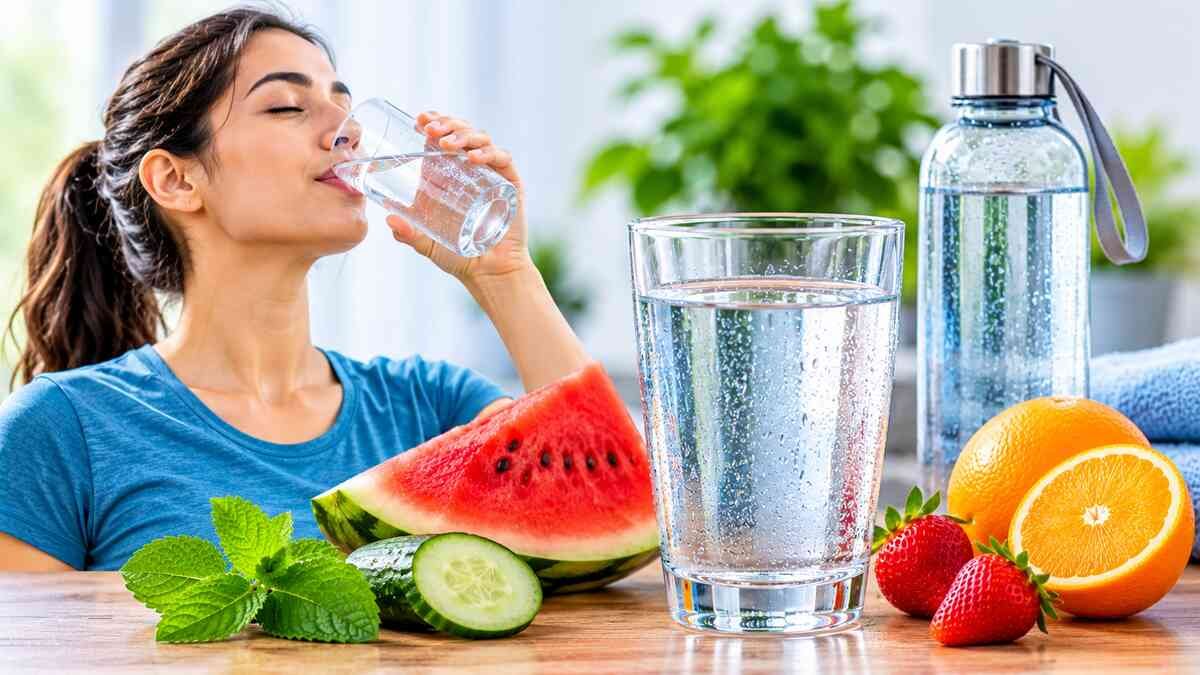

Drinking more water is one of the most common pieces of health advice. People reach for a bigger bottle hoping for more energy, clearer skin, easier digestion, or a lighter number on the scale. But does hydration actually work, or are the benefits exaggerated?
The short answer is yes, with some important caveats. Staying adequately hydrated is essential for normal body function, and correcting dehydration can relieve the symptoms it causes. However, drinking extra water does not automatically add benefits if you are already well hydrated, and some popular claims have stronger scientific support than others.
This guide looks at what research says about hydration and your health. You will see which benefits are well established, which are promising but uncertain, and which are myths. If you want a simpler overview of why water matters, start with our guide on the benefits of hydration, then come back here for the evidence.
What Is Hydration and How Does It Work?
Hydration means having enough water in your body to support normal function. Water is needed by every cell and organ. The British Nutrition Foundation notes that water is the medium in which most body reactions take place, and that it helps carry nutrients in the blood and remove waste in urine.
Water also helps regulate body temperature through sweat, lubricates joints, and supports digestion. The CDC lists regulating temperature, cushioning joints and the spinal cord, and removing waste through urine, sweat, and stool among its key roles.
You lose water every day through sweating, breathing, and urination. When you lose more than you take in, you become dehydrated, and your body can no longer keep fluid balance steady. That is the situation hydration is meant to prevent.
Does Hydration Actually Work? What Science Says
Adequate hydration is necessary for the body to work normally. That much is well established. The harder question is whether drinking more water than you need produces additional benefits, and the answer varies by outcome.
What Research Says About Hydration
A 2024 systematic review in JAMA Network Open (Hakam et al.) looked at randomized clinical trials testing changes in daily water intake. It included 18 trials published between 1999 and 2023. News coverage of the review describes some promising findings, particularly for weight management and kidney stones, while other outcomes such as headaches, urinary tract infections, and blood sugar rested on single studies with mixed results.
The review also made clear that the amount of rigorous research is limited. Study sizes varied widely, and the trials tested different amounts of water in different groups. This is why researchers call for individualized hydration advice instead of one target for everyone.
A broader review of hydration and health outcomes reached a similar conclusion. It found that the evidence is largely associative, inconsistent, and based on few randomized trials, even though hydration clearly matters for health.
Does Drinking More Water Always Work Better?
No. There is a difference between correcting dehydration and adding water on top of an already healthy intake. If you are dehydrated, drinking fluids can relieve symptoms such as thirst, headache, or fatigue. If you are already hydrated, more water is unlikely to improve those same symptoms.
Individual needs also differ. Mayo Clinic notes that fluid needs depend on factors such as activity level, environment, pregnancy, and illness.
The Bottom Line: Hydration Works, but Expectations Matter
Think of hydration as a foundation rather than a cure. It supports normal body functions, and falling short can make you feel worse. But it is not a miracle fix, and specific outcomes depend on your circumstances.
8 Ways Proper Hydration Can Improve Your Health
Each benefit below notes how strong the evidence is. Physiological importance (water is needed for this function) is not the same as proven treatment benefit (drinking extra water improves this outcome).
1. Supports Normal Brain Function
Water balance matters for mood, alertness, and focus. According to the CDC, dehydration may cause unclear thinking and mood changes. The review of hydration and health outcomes found that losing more than about 2% of body mass in water affects mood, fatigue, and alertness, while effects on cognition are less consistent.
In practice, replacing lost fluids can help if dehydration is the reason you feel foggy. It does not mean extra water will sharpen thinking in someone already well hydrated.
2. Helps Maintain Physical Energy
Fluid loss can contribute to tiredness and reduce physical performance. Mayo Clinic notes that even mild dehydration can reduce energy and make it harder to think clearly.
That does not make water an instant energy booster. If you are tired despite drinking enough, other causes are likely, and our guide on what causes fatigue can help you explore them.
3. Supports Healthy Digestion
Water helps food move through the gut. MedlinePlus notes that water helps prevent constipation. The hydration and health review found that lower fluid intake is associated with constipation in the general population, but people who already had constipation did not clearly benefit from drinking more.
Fluids work alongside fiber and activity. For more on digestive health, see our guides on how to support digestive health and natural home remedies for constipation.
4. Helps Support Kidney Function
The kidneys filter waste and remove it in urine, which requires adequate water. Mayo Clinic notes that enough water may lower the risk of kidney stones and urinary tract infections. The evidence for stones is covered in more detail below, and it is more nuanced than many headlines suggest.
5. Helps Regulate Body Temperature
Sweat is how your body cools itself, and sweat is mostly water. The CDC lists temperature regulation as a core role of water and links not drinking enough to overheating. This is among the best-supported roles of hydration, and it matters most during exercise, outdoor work, and hot weather.
6. Supports Healthy Weight Management
Water has no calories, so swapping it for sugary drinks can reduce calorie intake, as the CDC points out. The JAMA Network Open review described several trials in which drinking water before meals was linked to greater weight loss.
Water alone does not cause significant fat loss, and the effects reported in studies were modest. It works best as part of an overall approach. For broader strategies, see our guide on weight management.
7. Helps Maintain Normal Joint Function
The CDC notes that water helps lubricate and cushion the joints, and the British Nutrition Foundation lists joint lubrication among water’s functions. Maintaining fluid balance supports normal movement, but hydration is not a treatment for joint conditions.
8. Helps Prevent Dehydration-Related Headaches
Low fluid intake can contribute to headaches in some people. The British Nutrition Foundation reports that low levels of dehydration can cause headaches. Evidence that drinking extra water treats headaches in general is thinner. The hydration and health review found only two adult headache studies, and the JAMA review described one trial in people with recurrent headaches.
Not every headache is related to dehydration. If headaches are frequent, see our guide on what causes headaches.
Which Hydration Benefits Are Scientifically Proven?
This table summarizes the general direction of the evidence. It is a simplified overview, not a ranking of every study.
| Hydration claim | Evidence direction |
|---|---|
| Preventing dehydration | Well established |
| Temperature regulation | Well established |
| Normal kidney function | Well established |
| Reducing kidney stone recurrence | Promising but mixed (see below) |
| Supporting weight management | Some clinical evidence, modest effects |
| Improving skin appearance | Limited and context-dependent |
| Preventing all headaches | Not established |
| Increasing energy in everyone | Not established |
The Kidney Stone Evidence
Kidney stones show how promising findings can become more complicated. A Cochrane review found low-certainty evidence that drinking enough water to produce at least 2 liters of urine a day may reduce stone recurrence, based on a single trial of 220 adults. The review found no trials on preventing a first stone.
More recently, a large randomized trial published in The Lancet in 2026 tested a behavioral program designed to increase fluid intake in people with a history of stones. The PUSH trial enrolled 1,658 people and found that the program modestly increased urine output but did not reduce symptomatic stone recurrence. The authors said the findings do not challenge guidelines that recommend more fluids, but they call the evidence behind them surprisingly limited. They also noted that many participants struggled to drink the recommended amount, even with structured support.
The takeaway is not that water is useless for stones. It is that promising results should not be presented as guaranteed. People with a history of stones should follow their own doctor’s fluid advice.
The Skin Evidence
The hydration and health review found that additional water intake was associated with greater skin hydration and less dryness. However, it judged the evidence weak and the clinical relevance unclear, based on only five intervention studies. Drinking water can support normal skin function, but it is not a proven way to get glowing skin or remove wrinkles. For dryness, see our guide on dry skin.
How Long Does It Take for Hydration to Work?
There is no single timeline, because it depends on how much fluid you have lost and your individual circumstances. Mild dehydration often improves after you drink fluids, and symptoms like thirst or headache may ease as your body rebalances.
Steady intake works better than gulping large amounts at once. Severe dehydration is different. It requires medical attention, and MedlinePlus notes that severe dehydration can be life-threatening. Seek urgent care for confusion, fainting, very little urination, or an inability to keep fluids down.
How Much Water Do You Really Need Every Day?
There is no ideal amount for everyone. MedlinePlus states that adult intake targets of 91 to 125 fluid ounces (2.7 to 3.7 liters) per day refer to all food and beverages combined. Mayo Clinic notes that about 20% of daily water comes from food.
Age, activity level, climate, pregnancy, breastfeeding, and health conditions all affect your needs. The “eight glasses a day” rule is a convenient goal, but Mayo Clinic notes that individual needs vary, and the NHS suggests 6 to 8 cups or glasses of fluid a day as a general guide. Water, milk, tea, and coffee all count, according to the NHS.
People with kidney, heart, or liver conditions, or those told to limit fluids, should follow their healthcare provider’s guidance.
Signs Your Body Needs More Water
Common signs of mild dehydration include:
- Increased thirst and a dry mouth.
- Darker urine, or urinating less often.
- Headaches.
- Fatigue.
- Dizziness or lightheadedness.
Mayo Clinic notes that colorless or light yellow urine is a sign of adequate hydration. For recurring dizziness, see what causes dizziness. Confusion, fainting, or an inability to urinate need urgent medical assessment.
Common Hydration Myths You Should Stop Believing
Healthy hydration habits are good for you. These common claims just need a closer look.
- Myth: Everyone must drink eight glasses of water daily. Needs vary widely, and the number is an easy goal, not a medical requirement.
- Myth: Drinking more water always means better health. Benefits come from avoiding dehydration. Extra water beyond your needs has not been shown to help every outcome.
- Myth: Water flushes all toxins from the body. Your kidneys remove waste through urine, and water supports that process, but drinking excess water does not detox the body beyond normal function.
- Myth: Drinking water guarantees glowing skin. Evidence is limited, as discussed above.
- Myth: Thirst is always a reliable early warning sign. For many people it works well, but MedlinePlus notes that thirst may change with age, and the hydration review says children and older adults regulate fluid less well.
- Myth: Drinking water alone leads to weight loss. Studies show modest effects at best, usually when water replaces higher-calorie drinks or is taken before meals.
How to Stay Properly Hydrated Every Day
Simple habits are enough for most people:
- Drink water regularly through the day, and with meals.
- Keep a reusable bottle nearby. The CDC suggests this as a way to drink more.
- Eat water-rich fruits and vegetables. Our guide to hydrating vegetables has ideas.
- Drink extra when you sweat heavily, and support your exercise recovery.
- Replace fluids lost through vomiting or diarrhea, following appropriate medical guidance.
- Avoid forcing excessive amounts of water.
That last point matters. Mayo Clinic notes that drinking too much water is rare in healthy adults but can lower blood sodium too far, a condition called hyponatremia, which can be life-threatening. Endurance athletes and people with certain conditions need special attention.
For wider habits, see our guides on healthy lifestyle habits and healthy eating habits.
Frequently Asked Questions About Hydration
Does hydration actually improve your health?
Adequate hydration is essential for normal body function, and correcting dehydration relieves the symptoms it causes. Evidence for extra benefits from drinking more water than you need is more limited. The JAMA Network Open review described promising results for some outcomes but limited rigorous research.
How do you know if hydration is working?
Light yellow or colorless urine and not feeling thirsty often are good signs, according to Mayo Clinic. You may also notice that symptoms of dehydration, such as headache or tiredness, ease. Some medications and supplements change urine color, so use it as a guide, not a test.
Can drinking water improve your skin?
Water supports normal skin function, and one review linked extra water to somewhat better skin hydration. However, the evidence is weak, and it is not a proven way to treat wrinkles or acne. Persistent skin concerns deserve a professional evaluation.
Does hydration help you lose weight?
Water can help when it replaces sugary drinks, and some trials found modest extra weight loss when people drank water before meals. Water alone is not a weight loss solution. The CDC notes that water has no calories, which is what makes the swap useful.
How quickly does water hydrate your body?
It varies with how much fluid you have lost and how you drink. Mild dehydration often improves after drinking fluids, and sipping steadily tends to work better than gulping. Severe dehydration needs medical care.
Can you drink too much water?
Yes, though it is uncommon in healthy adults. Mayo Clinic says excess water can lower sodium to dangerous levels (hyponatremia). Drink according to thirst and your needs, and avoid forcing large amounts in a short time.
Final Verdict: Does Hydration Actually Work?
Yes, adequate hydration works. It supports temperature control, kidney function, digestion, and clear thinking, and it helps you avoid the headaches and fatigue that come with dehydration. The best-established benefits come from preventing and correcting fluid loss.
Extra water is not a miracle solution, and some claims, such as guaranteed glowing skin or weight loss from water alone, go beyond the evidence. Aim for steady, balanced intake that fits your body and lifestyle, drink more when you sweat or are ill, and check with your healthcare provider if you have a condition that affects fluids.
Sources
- Outcomes in Randomized Clinical Trials Testing Changes in Daily Water Intake: A Systematic Review, JAMA Network Open (PubMed)
- Increased water intake for preventing urinary stones, Cochrane
- Behavioral hydration program in kidney stone prevention trial, Children’s Hospital of Philadelphia
- Why drinking more water didn’t prevent kidney stones, ScienceDaily
- Review of hydration and selected health outcomes, PubMed Central
- About Water and Healthier Drinks, Centers for Disease Control and Prevention
- Water: How much should you drink every day? Mayo Clinic
- Water in diet, MedlinePlus
- Importance of drinking water, British Nutrition Foundation
Medical Disclaimer: This article is for general educational purposes only and is not a substitute for professional medical advice, diagnosis, or treatment. Fluid needs vary from person to person, and some medical conditions, including kidney, heart, and liver conditions and a history of kidney stones, require personalized guidance. Always talk with a qualified healthcare provider about your health. If you or someone else has confusion, fainting, or cannot keep fluids down, seek urgent medical care right away.