

Hot, humid days can leave you feeling drained, sticky, and thirsty. Reaching for a cold glass of water is the obvious fix, but it is not the only way to take in fluid. A surprising amount of the water you consume each day comes from the food on your plate.
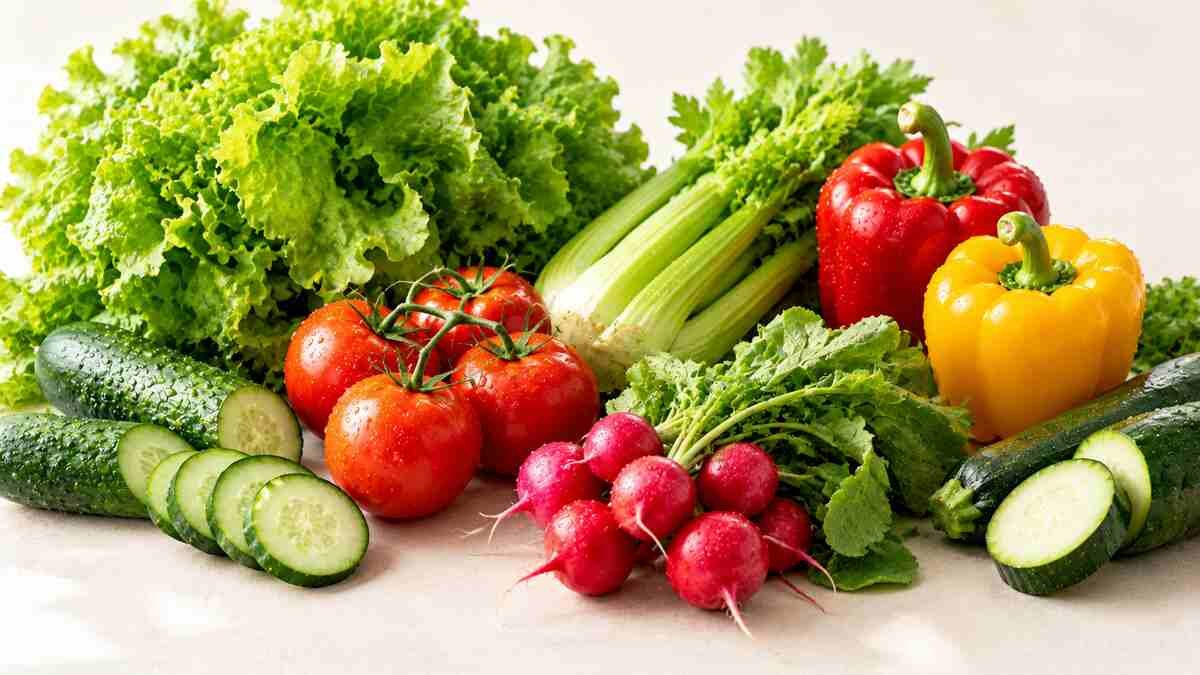
Hydrating vegetables such as cucumber, lettuce, celery, and tomatoes are made up mostly of water, often around 90% or more. They also supply fiber, vitamins, and minerals, which makes them an easy way to add fluid and nutrients to everyday meals. The key point is that these foods contribute to hydration, but they do not replace drinking enough fluids, especially in hot weather.
This guide explains how vegetables support hydration, which ones contain the most water, and how to enjoy them in salads, snacks, soups, and familiar dishes. It also covers summer hydration habits, common mistakes, and who may need extra care in the heat. The information is general and educational, and it does not replace advice from your doctor or a registered dietitian.
How Do Vegetables Help With Hydration?
Your body gets water from two main places: what you drink and what you eat. Vegetables are one of the most useful food sources of water because so many of them are mostly water by weight.
Vegetables contribute water to your daily intake
Most foods contain at least some water, and fruits and vegetables are among the richest sources. According to Harvard Health Publishing, celery, cucumbers, and romaine lettuce are about 95% water, while foods such as green grapes, peaches, and corn fall in the 70% to 90% range. Exact amounts vary with the variety, ripeness, and how the food is prepared.
The Harvard T.H. Chan School of Public Health also notes that water from food counts toward total fluid intake, alongside plain water and other beverages.
Why hydration matters in hot weather
Your body loses water all day through sweat, breathing, and normal bodily functions. Hot weather, humidity, and physical activity can increase those losses, which means fluid needs often rise in summer.
The Centers for Disease Control and Prevention (CDC) notes that water supports many body functions and that fluid needs can increase in hot climates and during physical activity. Needs also vary with age, body size, health conditions, and medications.
Can vegetables replace drinking water?
No. Vegetables supplement your fluid intake, but they cannot reliably replace drinks. Harvard Health makes the same point: no matter how much water-rich food you eat, it is still essential to drink enough fluids.
Plain water is a practical first choice for everyday hydration, particularly when temperatures are high. Think of hydrating vegetables as a helpful extra, not a substitute.
Which Hydrating Vegetables Are Best?
Several common vegetables are high in water and easy to add to salads, snacks, side dishes, and light meals. No single vegetable is essential, so choose the ones you enjoy and can find affordably. A quick note: cucumbers and tomatoes are botanically fruits, but they are used as vegetables in the kitchen and in most dietary guidance, so this article treats them as vegetables.
Cucumber: a refreshing, water-rich choice
Cucumber is one of the highest-water foods you can eat, at roughly 95% water. Its mild flavor and crisp texture make it easy to add to salads, sandwiches, wraps, and chilled dishes. It is also popular sliced into yogurt-based sauces or served with a squeeze of lemon and a pinch of herbs.
Lettuce: a crisp addition to meals
Iceberg and romaine lettuce are both very water-rich. Use them in salads, wraps, and sandwiches, or as a crunchy base for grain bowls. Because lettuce is low in calories and protein, pair it with other vegetables and a protein food such as beans, eggs, or tofu to make the meal more complete.
Celery: crunchy and easy to snack on
Celery contains a high proportion of water and provides a satisfying crunch along with some fiber. It works as a snack with hummus or a yogurt-based dip, and it adds texture to soups, stir-fries, and salads. Some people with certain pollen allergies react to raw celery, so skip it if it bothers you.
Tomatoes: water plus useful nutrients
Tomatoes provide water along with vitamin C and other nutrients. They are easy to use in a tomato salad, fresh salsa, sandwiches, or tomato-based soups. For more vitamin C options, see our guide to vegetables high in vitamin C.
Radishes: a crisp seasonal option
Radishes are another water-rich vegetable, and they add a peppery crunch to salads, sandwiches, and side dishes. Thin slices work well on toast with a little yogurt or cheese. They also pair nicely with cucumber in a simple chilled salad.
Bell peppers: colorful and versatile
Bell peppers contain a substantial amount of water and are a good source of vitamin C. Add them raw to salads and snack plates, or cook them in stir-fries, curries, and omelets. Red, yellow, and orange peppers offer a bit more sweetness than green ones.
Zucchini, cabbage, and spinach
Zucchini and cabbage are both high in water and work well in cooked dishes, slaws, and salads. Spinach is useful in sandwiches, soups, eggs, and cooked meals. Each of these vegetables also contributes fiber and a range of vitamins and minerals.
Variety and regular consumption matter more than any one supposed superfood. Rotate your choices through the week so meals stay interesting.
Comparing the Water Content of Common Vegetables
The table below shows approximate water content for common raw vegetables. These values are estimates, since variety, ripeness, and the food-data source can cause small differences. You can look up individual foods in USDA FoodData Central.
| Vegetable | Approximate water content |
|---|---|
| Cucumber | About 95% to 96% |
| Iceberg lettuce | About 95% to 96% |
| Celery | About 95% |
| Radishes | About 95% |
| Tomatoes | About 94% to 95% |
| Zucchini | About 94% to 95% |
| Bell peppers | About 92% to 94% |
| Spinach | About 91% to 92% |
These figures describe raw vegetables. Cooking can change how much water a vegetable holds, depending on the method and how much moisture is lost.
Benefits of Hydrating Vegetables Beyond Water
Water is only part of the story. Hydrating vegetables also bring other nutrients that support a healthy eating pattern.
Vitamins and minerals support normal body functions
Depending on the variety, vegetables provide nutrients such as vitamin C, folate, potassium, and vitamin K. These nutrients play roles in normal body functions, from tissue repair to fluid and muscle function. Because each vegetable has a different nutrient profile, eating a mix is more useful than relying on one. Our overview of the health benefits of eating vegetables daily explains more.
Fiber supports digestive health
Vegetables contribute dietary fiber, which supports normal digestion and bowel regularity. Fiber and water often work together, since fiber-rich foods tend to feel more filling and satisfying. If you are increasing fiber quickly, do it gradually and drink fluids alongside it.
Variety supports a healthy eating pattern
Including several types of vegetables adds different flavors, textures, and nutrients to your meals. To see how this fits into your overall diet, read about how many vegetables to eat each day.
Hydrating vegetables are a helpful part of a varied diet. They do not prevent heat illness or treat dehydration on their own.
Easy Ways to Eat More Hydrating Vegetables
You do not need complicated recipes. Small, practical changes are usually the most sustainable.
Make a refreshing summer salad
Combine cucumber, tomatoes, lettuce, and bell peppers with a simple dressing of olive oil, lemon juice, and herbs. Add beans, eggs, tofu, or another protein to make it more satisfying. This helps you build a complete meal, as described in our guide to what makes a balanced diet.
Prepare vegetable snack plates
Arrange cucumber slices, celery sticks, radishes, and bell pepper strips with hummus or a yogurt dip. Convenience matters more than creativity here. A ready-to-grab plate in the refrigerator makes a healthy choice the easy choice.
Add vegetables to soups and chilled dishes
Chilled cucumber soup, tomato-based soups, and vegetable broths all contribute fluid as well as vegetables. Keep in mind that sodium content can vary, especially in canned or packaged soups, so check the label if you are watching your salt intake.
Add vegetables to familiar meals
Tuck tomato and cucumber into sandwiches, stir spinach into eggs, and add cabbage or zucchini to rice dishes and curries. Our guide on how to eat more vegetables offers more simple ideas.
Keep prepared vegetables accessible
Wash and cut vegetables ahead of time and store them safely in the refrigerator so they are ready when you are hungry. Our tips on washing and storing vegetables can help. If refrigeration or fresh produce is limited, frozen vegetables are a useful option for cooked meals.
Smart Summer Hydration Habits
Hydrating vegetables work best alongside good everyday fluid habits.
Drink fluids regularly throughout the day
Keep safe drinking water within reach and sip regularly instead of relying on food alone. Fluid needs vary with weather, activity, age, and health, so there is no single number that fits everyone. The NHS notes that people may need more fluid in hot weather or when active.
Pay more attention to fluids in hot, humid weather
Heat and sweating can raise fluid needs. Take breaks in cool or shaded places, and where possible limit strenuous outdoor activity during the hottest part of the day. The CDC offers more guidance on staying safe in the heat.
Pair vegetables with other hydrating foods
Water-rich fruits such as watermelon and strawberries, soups, and yogurt can add to your fluid intake. Beverages still matter. Foods are a supplement to drinking, not a replacement.
Understand the role of electrolytes
Electrolytes such as sodium and potassium help regulate fluid balance in the body. For ordinary daily activities, regular meals and water are generally enough for most people. The CDC notes that the average person should choose water over sports drinks to rehydrate.
Prolonged strenuous exercise or heavy sweating may call for more specific fluid and electrolyte planning. If that describes you, talk with a healthcare professional or sports dietitian.
Common Hydration Mistakes to Avoid
A few common mistakes can undermine good intentions:
- Assuming that eating cucumber or lettuce means you no longer need to drink water.
- Waiting until you feel very thirsty before thinking about fluids.
- Believing that everyone needs exactly the same amount of water every day.
- Relying heavily on sugary drinks when plain water is available.
- Ignoring fluid needs during prolonged activity or extreme heat.
- Assuming a single vegetable or salad can prevent dehydration.
Hydration needs differ between people and across the day. Stay flexible, and adjust to the weather, your activity, and how you feel.
Who Needs Extra Care With Hydration in Hot Weather?
Some people are more vulnerable to dehydration and heat illness. These include young children, older adults, people who work outdoors, and people who exercise in the heat. Some health conditions and medications also affect fluid balance, which can raise the risk in hot weather.
If a doctor has told you to limit fluids, for example because of heart or kidney conditions, follow that advice rather than increasing your intake on your own. People with kidney disease may also be advised to limit certain potassium-rich foods, which can include tomatoes and some leafy greens, so ask your clinician or dietitian what suits you.
Common signs of dehydration include thirst, a dry mouth, dark urine, passing less urine, tiredness, and dizziness, according to the NHS. Seek urgent medical care for severe confusion, fainting, or suspected heatstroke. In the United States, call 911 in an emergency.
Frequently Asked Questions
Which vegetable has the highest water content?
Cucumber, iceberg lettuce, celery, and radishes are all very high in water, often around 95% or more. Exact rankings depend on the data source and the variety. You can compare individual foods in USDA FoodData Central.
Do hydrating vegetables count toward daily water intake?
Yes. Water in food contributes to your total fluid intake, along with drinking water and other beverages, according to the Harvard T.H. Chan School of Public Health. Vegetables should still be paired with regular drinking.
Is cucumber better than lettuce for hydration?
Both contain a high proportion of water, and the practical difference is small. Choose whichever you enjoy and can include regularly.
Can eating vegetables prevent dehydration?
Vegetables contribute fluid, but they cannot guarantee protection from dehydration. Regular drinking and appropriate fluid replacement during heat or exercise remain important.
Are cooked vegetables still hydrating?
Yes. Cooked vegetables still contain water, although cooking methods and moisture loss can change how much. Soups and stews also provide fluid, so they count too.
Are raw vegetables more hydrating than cooked ones?
Raw vegetables often keep more of their original water, so they can be especially refreshing in summer. Cooked vegetables are still useful, and both forms fit a balanced diet. Our article on raw versus cooked vegetables compares the two.
Conclusion: Make Hydrating Vegetables Part of Your Summer Routine
Enjoy cucumber, lettuce, celery, tomatoes, and other water-rich vegetables regularly, pair them with varied meals, and keep drinking water throughout the day. Small, sustainable changes add up, and our guide to healthy habits can help you build a routine that lasts.
Sources
- Harvard Health Publishing: Using food to stay hydrated
- Harvard T.H. Chan School of Public Health, The Nutrition Source: Water
- Centers for Disease Control and Prevention: Water and Healthier Drinks
- Centers for Disease Control and Prevention: Heat and Health
- NHS: Water, drinks and hydration
- NHS: Dehydration
- U.S. Department of Agriculture: FoodData Central
Medical Disclaimer
This article is for general educational purposes only and is not medical advice. It does not diagnose, treat, or replace guidance from a qualified healthcare professional. Fluid needs vary from person to person, so talk with your doctor before changing your fluid or diet habits, especially if you have a medical condition, have been told to limit fluids, or take medication. If you have severe symptoms such as confusion, fainting, or signs of heatstroke, seek emergency medical care right away.