
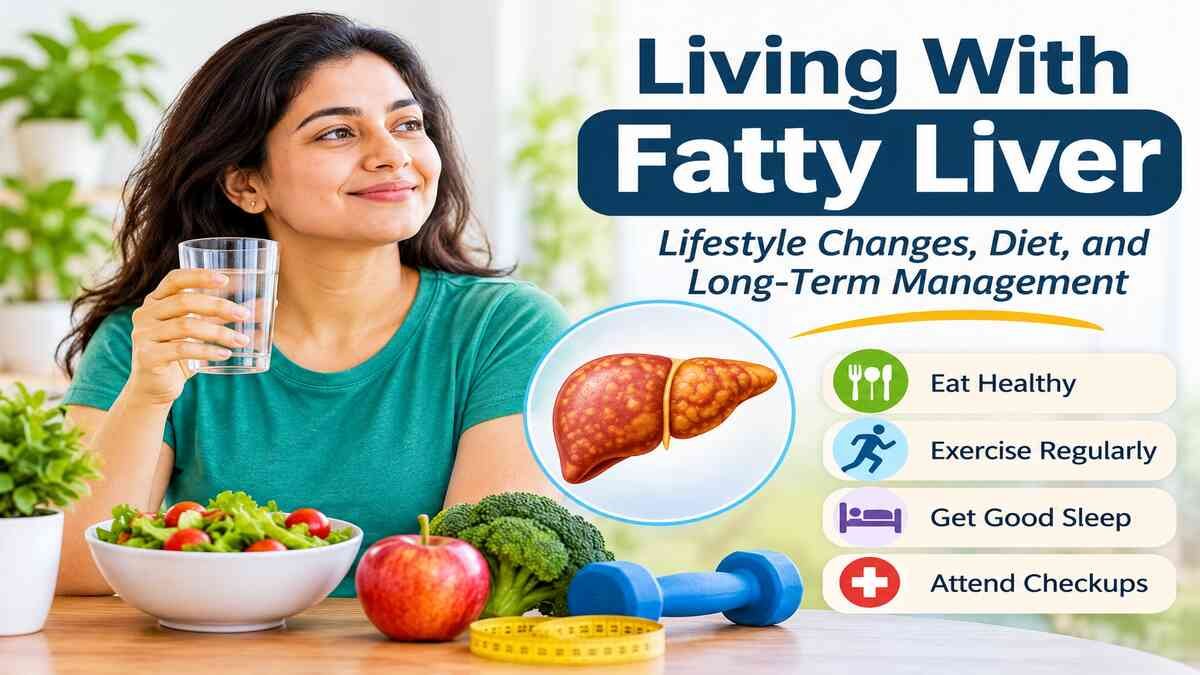

Hearing that you have fatty liver can bring up a lot of questions. You may wonder what you should eat, whether you can still exercise, and what the diagnosis means for your future. These are common and reasonable concerns, and the answers are often more encouraging than people expect.
Fatty liver means that extra fat has built up in liver cells. Many people have no noticeable symptoms, especially in the early stages, so the condition is often found through routine blood work or imaging done for another reason. Living with fatty liver usually involves steady lifestyle adjustments and regular checkups rather than dramatic or short-term changes.
This guide focuses on the everyday experience. You will find practical information on eating habits, physical activity, sleep, emotional well-being, medical monitoring, and warning signs. It is general education, not personal medical advice, and your care team can tailor it to your situation.
Understanding What It Means to Live With Fatty Liver
Fatty liver disease is a group of conditions in which fat makes up an excess share of liver cells. The most common form in the United States is now called metabolic dysfunction-associated steatotic liver disease (MASLD). It was formerly known as nonalcoholic fatty liver disease (NAFLD). According to the EASL-EASD-EASO clinical practice guidelines, MASLD means excess liver fat plus at least one cardiometabolic risk factor, such as type 2 diabetes, excess body weight, or high blood pressure.
Not every case is the same. In simple steatosis, fat is present but there is little or no inflammation. In metabolic dysfunction-associated steatohepatitis (MASH), formerly called NASH, the fat is accompanied by inflammation and liver cell injury. Over time, MASH can lead to fibrosis (scarring) and, in some people, cirrhosis (advanced scarring).
Having fatty liver does not mean you will develop severe complications. Many people never progress beyond early stages. Still, knowing which stage you are in matters, because it shapes how closely your doctor will want to follow you. To learn more about who is affected, see how common fatty liver is, and for contributing factors, read about fatty liver risk factors.
How Can Fatty Liver Affect Everyday Life?
For many people, the honest answer is that it barely does. Mayo Clinic notes that MASLD often has no symptoms. Some people report fatigue or a vague sense of discomfort in the upper right abdomen, but these signs are not specific to the liver and are not experienced by everyone.
The bigger daily impact often comes from related conditions. Fatty liver is closely linked with insulin resistance, type 2 diabetes, high blood pressure, and high cholesterol. Managing these conditions may bring appointments, medications, home monitoring, and food choices into your routine.
Experiences differ widely. One person may notice nothing at all, while another may feel more tired or concerned about long-term health. If you are unsure how your own situation compares, your healthcare professional can explain what your test results mean.
8 Important Lifestyle Habits When Living With Fatty Liver
No single habit controls the condition. Together, small and steady choices tend to matter most. You may also find it helpful to read how to manage fatty liver at home alongside this guide.
1. Build a Balanced Eating Routine
Consistent, balanced meals are the foundation. Aim for vegetables, fruits, whole grains, legumes, nuts, and suitable protein sources. A Mediterranean-style pattern is one well-studied option, and you can read more about the Mediterranean diet on CollectedMed.
Sustainable habits beat strict diets. Meals that fit your culture, budget, and schedule are the ones you can keep eating for years. If your doctor suggests weight loss, NIDDK guidance describes it as a gradual process, not a crash plan.
2. Make Physical Activity Part of Daily Life
Regular movement supports metabolic health and may help reduce liver fat, even when the scale does not change much. Walking, cycling, swimming, dancing, and gardening all count. Choose activities you actually enjoy, since enjoyment predicts consistency.
Match activity to your fitness level and health history. Start small and build gradually. For ideas, see the benefits of exercise and walking for health.
3. Pay Attention to Sleep Quality
Sleep and metabolic health are closely connected. Poor or irregular sleep is associated with weight gain, higher blood sugar, and other factors that can affect the liver. A consistent sleep and wake schedule, a dark and cool bedroom, and limiting screens before bed can all help.
If sleep problems persist, or if you snore loudly or wake up gasping, mention it to your doctor. Our guide on how to improve sleep covers practical steps.
4. Avoid Alcohol and Discuss Substance Use With a Doctor
Alcohol can injure the liver, and it adds to the burden when fat is already present. The EASL-EASD-EASO guidelines advise discouraging alcohol consumption in people with MASLD. Avoiding alcohol is especially important if you have significant fibrosis or cirrhosis.
Be honest with your healthcare team about how much you drink and about any other substances or medications you use. This is not about judgment. Accurate information helps them interpret your test results and choose safe treatments.
5. Avoid Unverified Liver Detox Products
Liver detox teas, cleansing drinks, and many supplements have not been proven to treat fatty liver. Some herbal products have been linked to liver injury, so “natural” does not always mean safe. Your liver already filters your blood without special cleanses.
Check with a healthcare professional or pharmacist before starting any supplement. You can read more in how to detox fatty liver naturally at home.
6. Manage Other Health Conditions
Fatty liver rarely travels alone. Keeping blood sugar, blood pressure, and cholesterol in a healthy range protects both your liver and your heart. Learn more about insulin resistance, type 2 diabetes, high blood pressure, and high cholesterol.
Coordinated care helps. Make sure your primary care clinician, liver specialist, and any other providers know about each other’s recommendations.
7. Reduce Long Periods of Sitting
Long stretches of sitting are linked with poorer metabolic health, even in people who exercise. Try to break up sitting time every 30 to 60 minutes. A short walk around the home, some light stretching, or a few household tasks all work.
These small breaks add up across the day and are easier to maintain than a single intense workout.
8. Develop Sustainable Health Habits
Gradual changes are easier to keep. Pick one or two habits, make them routine, and add more when you feel ready. Planning meals ahead and keeping healthy staples at home can remove daily decision fatigue.
Involve family members when you can. Shared meals and walks make changes feel normal instead of lonely. Consistency over months and years matters far more than a strict few weeks. For broader ideas, see these healthy habits.
What Should You Eat When Living With Fatty Liver?
Dietary quality matters. NIDDK suggests replacing saturated and trans fats with unsaturated fats and favoring lower-glycemic foods such as most fruits, vegetables, and whole grains. Many people do well with a pattern built around plants, fiber, and healthy fats.
Foods to Include in a Balanced Diet
Good options include leafy green vegetables, broccoli and other cruciferous vegetables, whole fruits, oats and other whole grains, lentils, beans, and chickpeas, fish and other lean proteins, nuts and seeds, and foods rich in healthy fats such as olive oil.
| Food group | Examples | Nutritional benefits |
|---|---|---|
| Vegetables | Spinach, broccoli, carrots | Fiber and essential nutrients |
| Fruits | Apples, oranges, berries | Fiber and vitamins |
| Whole grains | Oats, brown rice | Dietary fiber |
| Legumes | Lentils, chickpeas | Plant protein and fiber |
| Healthy fats | Nuts, seeds, olive oil | Unsaturated fats |
| Protein | Fish, eggs, poultry | Supports normal body functions |
No single food can cure fatty liver. The overall eating pattern, followed over time, is what counts. For a wider view, see what makes up a healthy diet.
Foods and Drinks to Limit
Some habits can work against metabolic health. These are worth limiting for most people with fatty liver:
- Sugar-sweetened beverages, such as soda, sweetened tea, and sports drinks
- Foods with a lot of added sugar
- Highly processed snacks
- Frequent deep-fried foods
- Foods high in saturated and trans fats
- Large amounts of refined carbohydrates, such as white bread and pastries
In research on diet and MASLD, high intake of fructose from sweetened foods and drinks has drawn particular attention, though human evidence is still developing. The goal is balance, not perfection. You do not need to eliminate whole food groups, and an occasional treat is not a setback. If you are unsure where to start, a registered dietitian can help build a plan that suits your tastes and medical needs.
Does Fatty Liver Affect Your Energy and Physical Activity?
Many people with fatty liver feel completely well. When fatigue does occur, it is a possible but nonspecific symptom. It can also stem from poor sleep, diabetes, anemia, thyroid problems, depression, or medication effects, so it should not be blamed on the liver alone.
Choose activity you can manage comfortably. A 10-minute walk after meals is a fine start. Increase time or intensity slowly as your energy allows.
Exercise recommendations should be individualized. If you have heart disease, joint problems, or advanced liver disease, ask your doctor what is safe. Persistent or worsening fatigue deserves a medical evaluation rather than self-diagnosis.
Managing the Emotional Side of Living With Fatty Liver
A diagnosis can create uncertainty, worry, or even guilt. These feelings are common. It helps to remember that understanding your condition is more useful than imagining the worst.
Write down questions before appointments. Ask about your stage of disease, what your test results mean, and what to expect over time. Clear answers often ease anxiety.
Family support can make daily changes easier. Be cautious about online claims of quick fixes or guaranteed reversal, which can add pressure and disappointment. If worry about your health starts to interfere with sleep, work, or relationships, consider talking with a counselor or your doctor. Our articles on reducing stress and sleep and mental health may help.
Why Regular Medical Checkups Matter
Fatty liver is often quiet, so ongoing monitoring is how problems are caught early. How often you are seen depends on your individual risk and disease severity.
Monitoring Liver Health
Your doctor may order liver blood tests and, in some cases, an ultrasound or other imaging. Many clinicians also estimate fibrosis, using blood-based scores and sometimes elastography, because scarring is the strongest predictor of future liver problems. The EASL-EASD-EASO guidelines recommend case-finding for fibrosis with noninvasive tests in people with cardiometabolic risk factors.
Normal liver enzymes do not always rule out significant liver disease. That is one reason follow-up is based on more than a single lab value.
Managing Associated Conditions
Monitoring typically includes blood glucose (see the A1C test), cholesterol, blood pressure, and other metabolic risk factors. These checks protect your heart as well as your liver.
Following Your Healthcare Professional’s Advice
Attend scheduled visits, report new symptoms, and bring a list of all medications and supplements. Follow the plan your clinician gives you, since treatment is individualized. You can compare general approaches in fatty liver treatment options.
Can You Live a Normal Life With Fatty Liver?
For many people with early-stage disease, yes. Work, travel, family life, and most hobbies can continue as usual, and steady lifestyle habits support long-term health.
Fatty liver does not automatically lead to cirrhosis or liver failure. The key is identifying whether significant fibrosis is present. People with advanced fibrosis or cirrhosis may need specialist care, closer surveillance, and extra adjustments, such as stricter alcohol avoidance.
Avoid guessing about your own outlook. Outcomes vary with stage, other health conditions, and how well risk factors are managed. Your care team is the best source for your personal prognosis, and regular preventive health care supports that conversation.
Warning Signs and When to Seek Medical Attention
Contact a healthcare professional if you notice any of the following:
- Persistent or worsening abdominal discomfort
- Unexplained changes in your overall health, such as ongoing weight loss or loss of appetite
- Yellowing of the skin or eyes (jaundice)
- Swelling of the abdomen or legs
- Unusual confusion or changes in alertness
- Unexplained bleeding or easy bruising
Jaundice, abdominal swelling, or confusion can signal a serious liver problem and need prompt medical evaluation. Sudden severe symptoms, such as intense abdominal pain, vomiting blood, black stools, or marked confusion, require urgent care. Call 911 or go to the nearest emergency department.
Frequently Asked Questions About Living With Fatty Liver
Can you live a long life with fatty liver?
Many people do, especially when risk factors such as blood sugar, blood pressure, and weight are managed and advanced disease is identified early. Life expectancy varies with scarring and other health conditions, as Mayo Clinic explains. Your doctor can describe what applies to you.
Does fatty liver affect daily activities?
Early fatty liver often does not interfere with normal daily activities. Some people notice fatigue or mild abdominal discomfort, but these symptoms are not universal and have many other possible causes.
Can fatty liver go away?
Liver fat may decrease with appropriate lifestyle changes, depending on the underlying cause and disease stage. NIDDK notes that weight loss can reduce liver fat, inflammation, and scarring in people who need it. No specific timeline or outcome can be promised.
Is walking good for someone with fatty liver?
Yes, for most people. Regular walking is an accessible way to stay active and support metabolic health. Start at a comfortable pace and check with your doctor if you have other medical conditions.
Should people with fatty liver avoid all fats?
No. The type of fat matters more than avoiding fat entirely. NIDDK advises replacing saturated and trans fats with unsaturated fats, such as those in olive oil, nuts, and fish. See our guide to best nuts for heart health for ideas.
How often should someone with fatty liver see a doctor?
Follow-up frequency depends on disease severity, test results, and associated conditions like diabetes. Some people need yearly checks, while others with advanced fibrosis need more frequent monitoring. Your clinician will set a schedule for you.
Final Thoughts on Living With Fatty Liver
Managing fatty liver is a long-term process, not a quick fix. Balanced nutrition, regular physical activity, consistent sleep, and healthy daily routines all work together to support liver and overall health. Regular medical monitoring helps catch changes early, and the right care plan depends on your stage of disease and other conditions.
Individual experiences and outcomes vary, so work closely with qualified healthcare professionals. Living with fatty liver does not mean giving up everyday activities. Understanding the condition and following an appropriate care plan can help support long-term health.
Sources
- National Institute of Diabetes and Digestive and Kidney Diseases (NIDDK). Eating, Diet, & Nutrition for NAFLD & NASH
- National Institute of Diabetes and Digestive and Kidney Diseases (NIDDK). Treatment for NAFLD & NASH
- European Association for the Study of the Liver, European Association for the Study of Diabetes, and European Association for the Study of Obesity. EASL-EASD-EASO Clinical Practice Guidelines on the Management of MASLD: Executive Summary. Diabetologia, 2024.
- Mayo Clinic. Nonalcoholic fatty liver disease: Symptoms and causes
- Diet and Lifestyle Interventions in Metabolic Dysfunction-Associated Fatty Liver Disease: A Comprehensive Review. International Journal of Molecular Sciences, 2025
Medical Disclaimer: This article is for general educational purposes only and is not medical advice. It does not diagnose, treat, or replace care from a qualified healthcare professional. Always talk with your doctor about your own health, test results, diet, exercise, and supplements. If you have severe symptoms such as yellowing of the skin or eyes, confusion, or sudden severe abdominal pain, seek urgent medical care.