
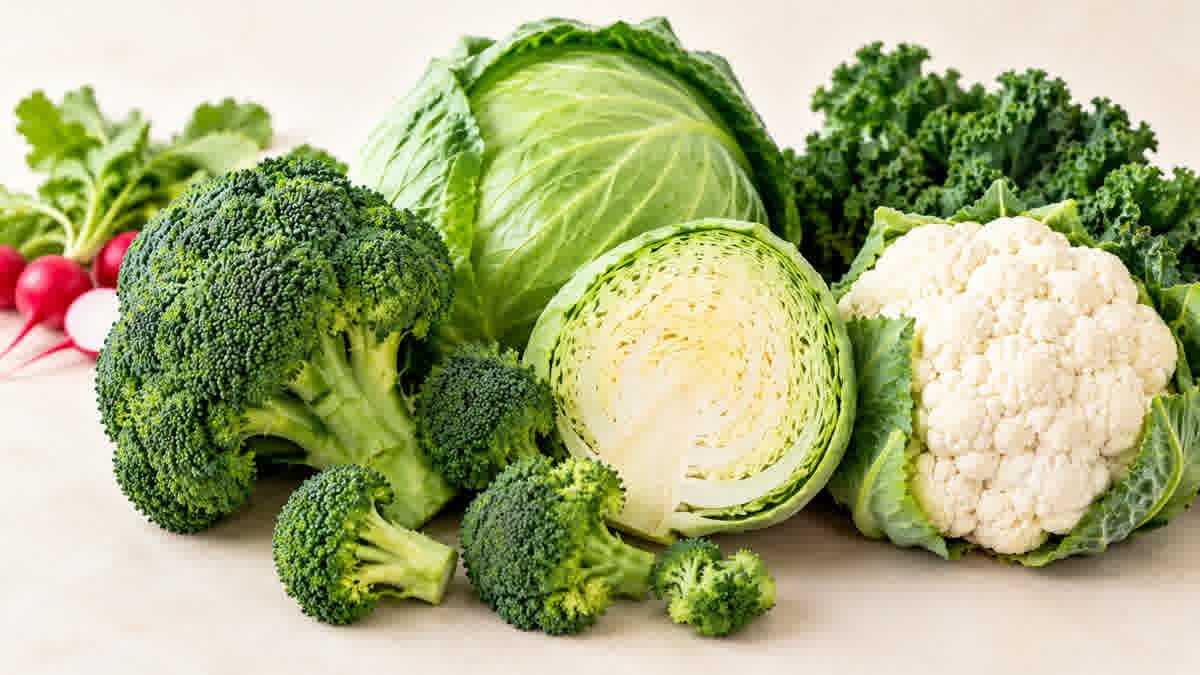

Broccoli on a dinner plate, cabbage in a soup, cauliflower in a curry: these everyday foods are all cruciferous vegetables. They belong to a large plant family known for its fiber, vitamins, minerals, and distinctive sulfur-containing compounds called glucosinolates. Those compounds give many of these vegetables their sharp aroma and slightly bitter taste.
Cruciferous vegetables are worth understanding because they fit easily into a balanced diet and are often affordable and widely available. They also attract attention from researchers, particularly for plant compounds such as sulforaphane. That research is interesting, but it is also early in many areas, and it should not be confused with proof that any single food prevents disease.
This guide explains what cruciferous vegetables are, which nutrients they provide, and seven potential health benefits supported by current evidence. You will also find a comparison of broccoli, cabbage, and cauliflower, cooking tips, easy meal ideas, and safety notes. The information is general and educational, and it does not replace advice from your own clinician or a registered dietitian.
What Are Cruciferous Vegetables?
Cruciferous vegetables are members of the Brassicaceae family, also called the mustard or cabbage family. The name comes from the cross-like arrangement of four petals on many plants in this group. The National Cancer Institute (NCI) describes them as vegetables that contain vitamins, minerals, fiber, and glucosinolates.
The family is varied. Some members are eaten for their leaves, some for their flower buds, and others for their roots. Under U.S. dietary guidance, they count toward both the dark-green vegetables and the other vegetables categories.
Common Types of Cruciferous Vegetables
Here is a practical cruciferous vegetables list, grouped by what part of the plant you eat:
- Flower buds: Broccoli and cauliflower.
- Leaves and heads: Green and red cabbage, kale, collard greens, bok choy and other Asian cabbages, Brussels sprouts, and mustard greens.
- Peppery greens: Arugula and watercress.
- Roots: Radishes and turnips.
Many of these vegetables are also leafy green vegetables, so the two groups overlap. Spinach and lettuce, for example, are leafy greens but are not cruciferous.
What Nutrients Do Cruciferous Vegetables Provide?
Nutrient content varies by vegetable, variety, growing conditions, and how the food is stored and prepared. No single cruciferous vegetable has everything, so variety matters. You can check the numbers for specific foods in the USDA FoodData Central database, and our guide to nutrient-dense foods offers more context.
Vitamins and Minerals
Broccoli, cauliflower, and cabbage are good sources of vitamin C, which supports normal immune function and collagen formation. Kale, broccoli, and cabbage supply vitamin K, which is involved in blood clotting and bone metabolism. Cauliflower and broccoli also provide folate, and many cruciferous vegetables contribute potassium.
Dark green members such as broccoli and kale contain carotenoids as well. For more ideas, browse our list of foods high in vitamin C.
Fiber and Digestive Health
Fiber is the part of plant foods that the body does not fully digest. It adds bulk to stool and helps food move through the digestive tract, which supports bowel regularity. Cruciferous vegetables contribute both soluble and insoluble fiber, and they count among the more practical high-fiber foods for everyday meals.
Glucosinolates and Sulforaphane
Glucosinolates are sulfur-containing compounds stored in the plant. When the vegetable is chopped or chewed, an enzyme called myrosinase breaks glucosinolates down into other compounds, including isothiocyanates such as sulforaphane. The Linus Pauling Institute at Oregon State University provides a detailed scientific overview of this process.
It is important to separate the parent compounds from their breakdown products. Sulforaphane is the one studied most often for its biological effects, but most of that work comes from laboratory and animal studies. Preparation affects how much of it forms, which is covered in the cooking section below.
7 Potential Health Benefits of Cruciferous Vegetables
The benefits below describe how cruciferous vegetables can contribute to health as part of an overall eating pattern. Some benefits rest on well-established nutrition science, while others come from emerging research. Individual results depend on genetics, health conditions, medications, and the rest of a person’s diet and lifestyle.
1. Supports Healthy Digestion
The fiber in broccoli, cabbage, and cauliflower helps keep stools soft and bowel movements regular. Fiber also feeds beneficial bacteria in the gut, and our guide to improving gut health explains this in more detail.
If your current fiber intake is low, increase portions gradually and drink enough fluids. This can reduce gas and cramping. See also these natural home remedies for constipation.
2. Provides Nutrients for Immune Function
Vitamin C, vitamin A precursors, and folate all play roles in normal immune function, and cruciferous vegetables supply several of them. The NIH fact sheet on vitamin C describes how the vitamin supports immune cells and acts as an antioxidant.
No single vegetable guarantees protection against infections. Sleep, physical activity, vaccination, and overall diet quality also matter. Our article on how to improve your sleep covers one of those other pieces.
3. Contributes to Heart Health
Fiber and potassium from vegetables are part of a heart-supportive eating pattern. Potassium is discussed by the NIH in relation to blood pressure, and fiber helps with cholesterol management when it replaces more heavily processed foods.
Heart health depends on the whole diet and lifestyle, not a single food. Cruciferous vegetables do not replace prescribed treatment for blood pressure or cholesterol. For related reading, see heart-healthy foods and how to lower blood pressure.
4. Supports Normal Cellular Function
In laboratory studies, sulforaphane and other glucosinolate breakdown products influence biological pathways involved in the body’s own antioxidant and detoxification enzymes. The Linus Pauling Institute summarizes this work.
These findings come largely from cell and animal research, and they do not show that eating cruciferous vegetables produces the same effects or health outcomes in people. The term detoxify is often used loosely online. The liver and kidneys already handle waste removal, and vegetables do not cleanse the body. Cruciferous vegetables also appear among broader anti-inflammatory foods and antioxidant-rich foods.
5. Provides Compounds Studied for Cancer Prevention
Researchers study sulforaphane and other isothiocyanates because they affect cancer-related processes in cells and animals. The NCI notes that the evidence in people is more complicated. According to the NCI fact sheet, human studies have produced mixed results for associations between cruciferous vegetable intake and different cancers.
There are practical reasons for this uncertainty. People often report their diets imperfectly, and those who eat more vegetables may also have other healthy habits. Eating a variety of vegetables is still a sound dietary habit, but it is not a proven way to prevent cancer.
6. Helps Build a Satisfying, Balanced Diet
Cruciferous vegetables add volume, texture, and fiber to meals for relatively few calories. That can make it easier to feel full while eating a mix of foods. Roasted cauliflower, stir-fried cabbage, or a bowl of broccoli soup can all take up space on a plate that might otherwise go to more calorie-dense options.
They can support healthy weight management as part of an overall eating pattern, but they are not a stand-alone weight-loss treatment. See our guides on weight management and the broader benefits of eating vegetables daily.
7. Contributes to Bone and General Nutritional Health
Vitamin K helps the body make proteins needed for blood clotting and bone metabolism, and kale, broccoli, and cabbage supply it. Some cruciferous greens, including bok choy, kale, and collard greens, also provide calcium that the body absorbs reasonably well, according to the NIH calcium fact sheet.
Nutrient levels differ between vegetables, and total dietary intake matters more than any one food. Bones also depend on enough vitamin D, weight-bearing activity, and overall nutrition. See our lists of calcium-rich foods and foods high in vitamin D.
Broccoli vs. Cabbage vs. Cauliflower: Which Cruciferous Vegetable Is Best?
No cruciferous vegetable is universally the healthiest. Broccoli, cabbage, and cauliflower each offer a slightly different nutritional profile and work best in different dishes. The table below gives a simple comparison.
| Vegetable | Key nutritional features | Practical uses |
|---|---|---|
| Broccoli | Fiber, vitamin C, vitamin K, folate, glucosinolates | Steaming, stir-frying, soups |
| Cabbage | Fiber, vitamin C, vitamin K | Salads, slaws, curries, soups |
| Cauliflower | Fiber, vitamin C, folate | Roasting, curries, soups, mashes |
Actual nutrient amounts depend on the variety, growing conditions, storage, preparation, and portion size. Cabbage is usually the most affordable and keeps well in the refrigerator for weeks. Broccoli is often higher in vitamin C and a standout for glucosinolates, while cauliflower is mild and easy to blend into familiar meals. So when people ask about broccoli vs cauliflower, the honest answer is that both are good choices and rotating them is better than picking one.
Other Cruciferous Vegetables Worth Trying
Kale is rich in vitamin K and carotenoids, and Brussels sprouts offer fiber and vitamin C. Bok choy cooks quickly and works well in soups and stir-fries, while radishes and turnips add crunch and a peppery flavor. Rotating several types across the week is a better approach than declaring one the winner.
How to Cook Cruciferous Vegetables
The way you prepare cruciferous vegetables affects texture, flavor, and the formation of certain plant compounds. No single method preserves every nutrient best, because the effects depend on the vegetable, the cooking time, the temperature, and the compound being measured. The Linus Pauling Institute notes that heat can inactivate myrosinase, which means long cooking may reduce sulforaphane formation.
- Steaming: A gentle method for tender vegetables, and brief steaming keeps color and texture.
- Stir-frying: A quick option that works well for cabbage, bok choy, and broccoli.
- Roasting: Adds browning and deeper flavor, particularly for cauliflower and Brussels sprouts.
- Eating raw: Suitable for cabbage, radishes, and arugula when washed well.
- Boiling: Can move some water-soluble nutrients, such as vitamin C and folate, into the cooking water. Using that liquid in soups or sauces helps.
Chopping or slicing vegetables and letting them sit for a few minutes before cooking is a simple trick some nutrition scientists suggest, since it allows myrosinase to act first. Frozen cruciferous vegetables are a convenient, nutritious option as well.
Simple Ways to Eat More Cruciferous Vegetables
Small, realistic changes work better than strict meal plans. Try these ideas:
- Add shredded cabbage to soups, stir-fries, or vegetable curries.
- Serve steamed or roasted broccoli as a side dish.
- Mix cauliflower into lentil dishes or mixed vegetable curries.
- Add bok choy or mustard greens to soups.
- Toss radishes or raw cabbage into salads and wraps.
- Rotate different varieties across the week.
Cabbage, cauliflower, and radishes are affordable and familiar in many cuisines, including South Asian cooking. If you are new to these foods, start with portions you tolerate and slowly try new varieties. For more inspiration, see our list of healthy foods to include in your diet and the Mediterranean diet.
Are Cruciferous Vegetables Safe for Everyone?
For most people, cruciferous vegetables are safe and nutritious. A few points are worth knowing, and none of them is a reason to avoid these foods by default.
Gas and bloating. The fiber and fermentable carbohydrates in these vegetables can cause gas or bloating, especially when intake rises suddenly. Cooking them, using smaller portions, and increasing intake gradually often helps. Our overview of common digestive problems may be useful.
Thyroid considerations. Glucosinolates can interfere with iodine use in the thyroid when eaten in very large amounts, but normal portions fit into a balanced diet for most people. If you have a thyroid condition or concerns about iodine, ask your clinician for individualized advice rather than cutting out these vegetables on your own, as the Linus Pauling Institute explains.
Warfarin and vitamin K. People taking warfarin should keep vitamin K intake consistent and talk with their clinician before making major diet changes, according to the NIH vitamin K fact sheet.
Individual tolerance. People with digestive disorders, such as irritable bowel syndrome, may need to adjust portions or preparation methods.
Frequently Asked Questions About Cruciferous Vegetables
What are the most common cruciferous vegetables?
The most common ones are broccoli, cabbage, cauliflower, kale, Brussels sprouts, bok choy, radishes, and turnips. Arugula, watercress, and mustard greens belong to the same family. The NCI lists many of these.
Can you eat cruciferous vegetables every day?
Yes, for most people they can be part of everyday meals within a varied diet. Adjust portions to your own tolerance, and rotate types so you are not relying on only one. If you take warfarin or have a thyroid or digestive condition, check with your clinician first.
Are cruciferous vegetables good for gut health?
Their fiber supports regular bowel movements and provides food for beneficial gut bacteria. Some people, however, experience gas or bloating, especially when they increase intake quickly. Cooking and gradual increases often help.
Do cruciferous vegetables prevent cancer?
No food has been proven to prevent cancer. Compounds such as sulforaphane are being studied, but the NCI reports that human studies show mixed results. These vegetables are still a worthwhile part of an overall healthy diet.
Is broccoli healthier than cauliflower?
Neither is universally better. Broccoli tends to provide more vitamin C and vitamin K, while cauliflower is milder and versatile. Eating both across the week is a sensible approach.
Are cooked cruciferous vegetables still nutritious?
Yes. Cooked cruciferous vegetables retain many nutrients, including fiber and minerals. Some vitamins and plant compounds change with heat, so a mix of raw, lightly cooked, and roasted preparations works well.
Conclusion: Make Cruciferous Vegetables Part of a Balanced Diet
Broccoli, cabbage, cauliflower, and their relatives deserve a place in everyday meals because they provide fiber, vitamins, minerals, and distinctive plant compounds. Cruciferous vegetables are not a cure or a shortcut, but they are a practical, affordable way to improve overall diet quality. Variety, enjoyable cooking methods, and realistic habits matter most.
A simple way to start is to add one cruciferous vegetable to a meal this week, then try another type next time. If you have a medical condition or take medications that affect your diet, talk with your healthcare provider or a registered dietitian.
Sources
- National Cancer Institute. Cruciferous Vegetables and Cancer Prevention.
- Oregon State University, Linus Pauling Institute. Cruciferous Vegetables.
- U.S. Department of Agriculture. FoodData Central.
- National Institutes of Health, Office of Dietary Supplements. Vitamin C, Vitamin K, Potassium, and Calcium fact sheets.
Medical Disclaimer: This article is for general educational purposes only and is not medical advice. It does not diagnose, treat, or prevent any condition, and it cannot replace guidance from a qualified healthcare professional who knows your health history. Always talk with your doctor or a registered dietitian before changing your diet, especially if you have a medical condition, take medications such as warfarin, or are pregnant. If you think you may have a medical emergency, call 911 or your local emergency number right away.
2 thoughts on “Cruciferous Vegetables: Why Broccoli, Cabbage, and Cauliflower Matter”
Comments are closed.