
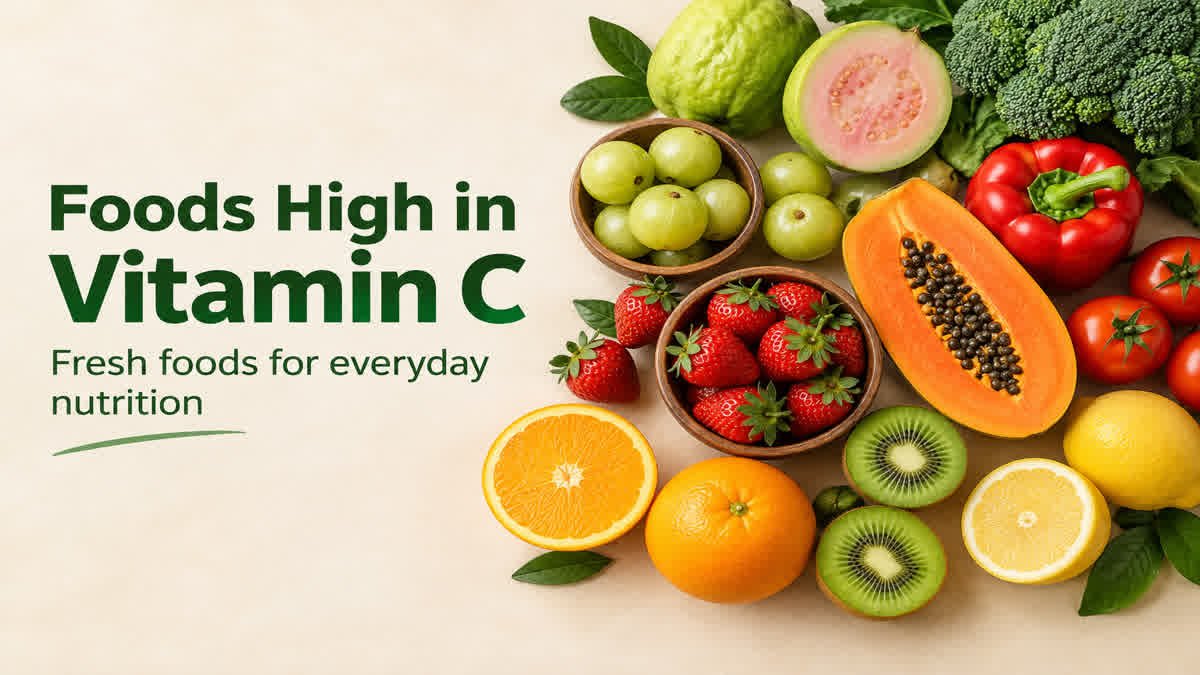

Vitamin C is one of the most familiar nutrients in the food supply, yet many people are unsure where it comes from beyond a glass of orange juice. Your body cannot make vitamin C or store large reserves of it, so it needs a steady supply from the foods you eat. Fruits and vegetables are the main natural sources, and many of them are easy to find, affordable, and simple to prepare.
This guide covers 20 foods high in vitamin C, including familiar choices such as oranges and tomatoes, tropical options such as guava and papaya, and everyday vegetables such as broccoli and cabbage. Each profile includes approximate amounts per clearly stated serving, other notable nutrients, and practical serving ideas. You will also find tips for protecting vitamin C during cooking, a table of daily recommendations, and answers to common questions.
Keep in mind that vitamin C content varies with variety, ripeness, storage, and preparation, so the numbers below are approximations rather than fixed values. No single food is essential. The goal is to include a range of fruits and vegetables as part of a balanced diet built on nutrient-dense foods.
What Is Vitamin C, and Why Does Your Body Need It?
Vitamin C, also called ascorbic acid, is a water-soluble vitamin that is naturally present in some foods, added to others, and sold as a dietary supplement. Humans cannot make it, so it is an essential part of the diet, according to the NIH Office of Dietary Supplements. Here are its main roles:
- Collagen production: Vitamin C is needed to make collagen, a protein found in skin, blood vessels, cartilage, and other connective tissue. This is also why it plays a part in normal wound healing.
- Antioxidant activity: Vitamin C helps limit damage from free radicals and helps regenerate other antioxidants, such as vitamin E. To learn more, see our guide to antioxidants and our list of antioxidant-rich foods.
- Immune function: Vitamin C contributes to normal immune system activity. This does not mean it prevents or cures infections. According to the NIH, regular vitamin C intake does not reduce the chance of catching a cold in the general population, though it may modestly shorten how long a cold lasts.
- Iron absorption: Vitamin C improves the absorption of non-heme iron, the form found in plant foods such as beans, lentils, and leafy greens. Our guide to iron-rich foods explains more.
Fruits and vegetables are the primary natural sources, and some breakfast cereals and other products are fortified with vitamin C. Severe deficiency causes scurvy, but this is rare in developed countries and generally affects people with very limited food variety. For a general overview, the MedlinePlus vitamin C page is a helpful companion resource.
20 Best Foods High in Vitamin C
The foods below are useful options, not a strict ranking. Amounts depend on serving size, variety, ripeness, storage, and preparation, so a whole fruit and a half-cup of chopped vegetables are not directly comparable. Unless noted, serving-based values come from the NIH vitamin C fact sheet and USDA FoodData Central. The Daily Value (DV) for vitamin C is 90 mg for adults.
1. Guava
Guava is among the most vitamin C-rich fruits and is widely grown and eaten in South Asia and other tropical regions. Raw common guava provides roughly 228 mg of vitamin C per 100 grams (about 3.5 ounces), according to USDA data. Amounts differ by variety and ripeness, and some guava types contain considerably less. Guava also supplies fiber and folate.
Serving ideas: Eat fresh slices, add them to a fruit bowl, or pair them with other seasonal fruit.
2. Amla (Indian Gooseberry)
Amla is a traditional South Asian fruit that is often described as a very concentrated source of vitamin C. Published values vary widely, and research comparing amla cultivars shows that vitamin C content differs between varieties. Processing and storage also change what remains, so no single figure applies to every amla product. It also contains plant compounds such as polyphenols.
Serving ideas: Use fresh amla when available, or include it in chutneys and other familiar preparations.
3. Red Bell Peppers
Red bell peppers are one of the most concentrated sources of vitamin C per serving. A half cup of raw sweet red pepper provides about 95 mg, which is more than 100% of the DV. They also supply carotenoids and vitamin A precursors, and they add color and crunch to meals.
Serving ideas: Eat them raw in salads, add them to sandwiches, or cook them briefly in a stir-fry.
4. Green Bell Peppers
Green peppers are harvested earlier than red ones and generally contain less vitamin C. A half cup of raw sweet green pepper provides about 60 mg, still a substantial amount. They also offer fiber and other plant nutrients, and exact values can vary by variety and growing conditions.
Serving ideas: Add chopped peppers to omelets, vegetable curries, salads, or rice dishes.
5. Kiwi
Kiwi is a convenient, portable source of vitamin C. One medium kiwifruit provides about 64 mg, along with fiber and potassium. Green and golden kiwi differ in their vitamin C content, so check the variety if exact amounts matter to you.
Serving ideas: Eat it fresh, add slices to yogurt, or combine it with other fruits.
6. Oranges
Oranges are a familiar and accessible source. One medium orange provides about 70 mg of vitamin C, plus folate and fiber. Whole oranges keep their fiber, which is reduced when fruit is juiced and the pulp is removed.
Serving ideas: Eat a whole orange as a snack or add segments to a fruit salad.
7. Grapefruit
Half of a medium grapefruit provides about 39 mg of vitamin C, along with other plant compounds. Grapefruit adds variety to fruit intake. It can also interact with certain medicines, so if you take prescription medication, check with a pharmacist or clinician first. The FDA explains how grapefruit juice can affect some drugs.
Serving ideas: Eat segments on their own or add them to a mixed fruit bowl.
8. Papaya
Papaya is a practical tropical fruit, especially for people in warm climates. One cup of raw papaya pieces (about 145 grams) provides roughly 88 mg of vitamin C, based on USDA data, along with carotenoids and folate. It is also a source of fiber, which supports regular digestion as part of an overall diet.
Serving ideas: Serve ripe papaya fresh at breakfast or combine it with guava and citrus fruit.
9. Pineapple
One cup of raw pineapple chunks (about 165 grams) provides roughly 79 mg of vitamin C, per USDA data. It also contributes manganese and carbohydrates, and its natural sweetness can brighten meals without added sugar.
Serving ideas: Eat fresh pineapple or add it to fruit salads and savory dishes.
10. Mango
Mango contributes vitamin C alongside carotenoids and folate. One cup of mango provides roughly 60 mg, according to USDA figures cited by the National Mango Board. Values vary by variety and serving size.
Serving ideas: Enjoy it fresh, stir it into plain yogurt, or serve it as the fruit portion of a meal.
11. Lemons and Limes
Lemons and limes add vitamin C and bright flavor to food. Because they are usually used in small amounts, a squeeze of juice should not be expected to supply a large share of your daily needs. They are best viewed as a flavorful complement to other vitamin C sources.
Serving ideas: Add fresh lemon or lime juice to salads, cooked vegetables, lentils, or drinking water.
12. Strawberries
A half cup of sliced fresh strawberries provides about 49 mg of vitamin C, plus fiber and plant compounds. Frozen strawberries can be a useful alternative when fresh fruit is out of season or expensive.
Serving ideas: Add them to oatmeal, yogurt, or fruit bowls.
13. Broccoli
Broccoli supplies vitamin C, vitamin K, and fiber. A half cup of raw broccoli provides about 39 mg, and a half cup cooked provides about 51 mg. The two figures reflect different amounts of broccoli per cup, so they do not show that cooking adds vitamin C. Longer cooking in water generally reduces it, so gentler methods are preferable.
Serving ideas: Steam briefly, roast, or stir-fry broccoli and serve it with beans, eggs, fish, or grains.
14. Brussels Sprouts
Brussels sprouts are a cruciferous vegetable that provides about 48 mg of vitamin C per half cup cooked, plus vitamin K and fiber. The final amount depends on serving size and how long they are cooked.
Serving ideas: Roast or steam until just tender, avoiding unnecessary overcooking.
15. Cauliflower
Cauliflower is versatile and fits many eating patterns. A half cup of raw cauliflower provides about 26 mg of vitamin C, along with fiber and folate.
Serving ideas: Steam it, roast it, or add florets to soups and curries.
16. Cabbage
Green and red cabbage are accessible, affordable vegetables that can help raise vitamin C intake. A half cup of cooked cabbage provides about 28 mg, along with vitamin K and fiber. Raw and cooked cabbage may retain different amounts of vitamin C, so mixing both forms is a reasonable approach.
Serving ideas: Make a fresh slaw, add cabbage to salads, or cook it briefly in vegetable dishes.
17. Tomatoes
One medium raw tomato provides about 17 mg of vitamin C, plus potassium and lycopene. Tomatoes and tomato products are also major contributors of vitamin C in the American diet, largely because people eat them often. Cooking reduces some nutrients but can make others, such as lycopene, easier for the body to use.
Serving ideas: Use tomatoes in salads, sauces, soups, and vegetable curries.
18. Potatoes
One medium baked potato provides about 17 mg of vitamin C, along with potassium and energy from carbohydrates. Potatoes are a notable source of vitamin C in many diets because they are eaten so regularly. Their nutritional profile depends on the variety, preparation method, and whether the skin is eaten.
Serving ideas: Bake, boil, or steam potatoes and serve them alongside vegetables and a protein source.
19. Cantaloupe (Muskmelon)
Cantaloupe is a refreshing way to add fruit to your day. A half cup provides about 29 mg of vitamin C, along with carotenoids and water. Nutrient levels vary by melon type and serving size.
Serving ideas: Serve chilled slices as a snack or add them to a mixed fruit bowl.
20. Green Peas
Peas broaden this list beyond fruit. A half cup of cooked frozen green peas provides a smaller amount of vitamin C, about 8 mg, but they also supply fiber, plant protein, and folate. Storage and cooking can affect how much vitamin C remains, so peas are best seen as one contributor among many.
Serving ideas: Add peas to rice, soups, vegetable curries, or mixed vegetable dishes.
For more on comparing nutrients across serving sizes, see our guide to nutrition facts.
How to Get More Vitamin C From Your Diet
You do not need supplements or expensive ingredients to increase your intake. A few practical habits can make a real difference.
Eat a variety of fruits and vegetables
Rotate among guava, papaya, oranges, peppers, tomatoes, cabbage, and other seasonal produce. Fresh, frozen, and properly stored options all have a place. The NIH notes that five varied servings of fruits and vegetables a day can provide more than 200 mg of vitamin C.
Pair vitamin C-rich foods with plant-based iron sources
Vitamin C can improve absorption of non-heme iron from foods such as lentils, beans, and leafy greens. Some simple pairings include:
- Add lemon juice to lentil soup or dal.
- Serve guava or citrus fruit alongside a meal that includes beans.
- Combine tomatoes and bell peppers with chickpeas or leafy greens.
Our guides to iron-rich foods and the health benefits of leafy green vegetables offer more ideas.
Preserve vitamin C during cooking
Vitamin C is water soluble and sensitive to heat, so it can be lost through long cooking, extended storage, and contact with cooking water. The NIH notes that steaming or microwaving may reduce cooking losses. Wash produce before cutting it, avoid cooking vegetables longer than needed, and eat some fruits and vegetables raw.
Choose whole fruit regularly
Whole fruit provides fiber along with vitamins, and it is often more filling than juice. Juice can still contribute vitamin C, but whole fruit is generally the better everyday choice. For a wider look at building meals around nutrient-rich produce, see our guide to nutrient-dense foods and our overview of a balanced diet. If you are planning meals around other nutrients too, our list of foods high in vitamin D may help.
How Much Vitamin C Do You Need Each Day?
Daily needs depend on age, sex, and life stage. The table below shows the Recommended Dietary Allowances (RDAs) from the NIH Office of Dietary Supplements.
| Group | Recommended daily amount |
|---|---|
| Children aged 9 to 13 | 45 mg |
| Teen boys aged 14 to 18 | 75 mg |
| Teen girls aged 14 to 18 | 65 mg |
| Adult men | 90 mg |
| Adult women | 75 mg |
| Pregnant adults | 85 mg |
| Breastfeeding adults | 120 mg |
These are U.S. reference values for healthy people, not personalized prescriptions, and other countries’ guidelines may differ. Pregnant and breastfeeding teens have slightly different values (80 mg and 115 mg). People who smoke need about 35 mg more per day than people who do not.
Most people can meet their needs through a varied diet, and more is not automatically better. High-dose supplements can cause side effects such as diarrhea, nausea, and stomach cramps. Supplements are not necessary or superior for everyone. If you are considering one because of a health condition, medication use, or a restricted diet, talk with a qualified healthcare professional first.
Frequently Asked Questions
Which food has the most vitamin C?
Certain fruits, including guava and amla, can provide very high amounts, and red bell peppers are an excellent vegetable source. The answer depends on variety, serving size, ripeness, and preparation. For a full overview of amounts, see the NIH fact sheet.
Are oranges the best source of vitamin C?
Oranges are a useful and convenient source, but they are not the only one. Guava, kiwi, peppers, papaya, strawberries, and several vegetables can provide comparable or larger amounts. Eating a variety of produce is more practical than relying on one food.
Does cooking destroy vitamin C?
Cooking can reduce vitamin C, especially with prolonged heat or large amounts of water. Shorter cooking times and methods such as steaming or microwaving may help preserve more, according to the NIH.
Can I get enough vitamin C without supplements?
Many people can meet their needs through a varied diet that includes fruits and vegetables. NHANES survey data summarized by the NIH indicate that most people in the United States get adequate amounts from food. Whether a supplement is appropriate depends on individual circumstances.
Does vitamin C help the body absorb iron?
Yes. Vitamin C improves the absorption of non-heme iron, which is found in plant foods such as lentils, beans, and leafy greens. Pairing these foods with vitamin C-rich produce can be a useful dietary strategy, as described in the NIH fact sheet.
Are frozen fruits and vegetables good sources of vitamin C?
Yes, frozen produce can retain useful amounts of vitamin C and is a convenient option when fresh produce is unavailable. Actual levels depend on processing, storage, and how you cook it. You can compare specific products in USDA FoodData Central.
Conclusion
Vitamin C supports normal immune function, collagen formation, antioxidant activity, and iron absorption, and it is found in a wide range of fruits and vegetables. Guava, citrus fruits, papaya, peppers, broccoli, and tomatoes are all practical choices. Even foods with smaller amounts, such as potatoes and peas, add up across a day.
The simplest approach is to choose accessible seasonal produce and vary your picks instead of depending on a single fruit or supplement. For more ideas on building your plate, explore our guides to healthy foods and the healthiest foods to eat every day.
Sources
- NIH Office of Dietary Supplements: Vitamin C Fact Sheet for Health Professionals
- NIH Office of Dietary Supplements: Vitamin C Fact Sheet for Consumers
- USDA FoodData Central
- MedlinePlus: Vitamin C
- Tewari R, et al. Physical and chemical characteristics of different cultivars of Indian gooseberry (Emblica officinalis)
- National Mango Board: Papaya vs. Mango
- FDA: Grapefruit Juice and Some Drugs Don’t Mix
Medical Disclaimer: This article is for general educational purposes only and is not a substitute for professional medical advice, diagnosis, or treatment. Nutrition needs vary from person to person. Always talk with a qualified healthcare professional before making major changes to your diet, starting a supplement, or if you have questions about a medical condition or medication.