
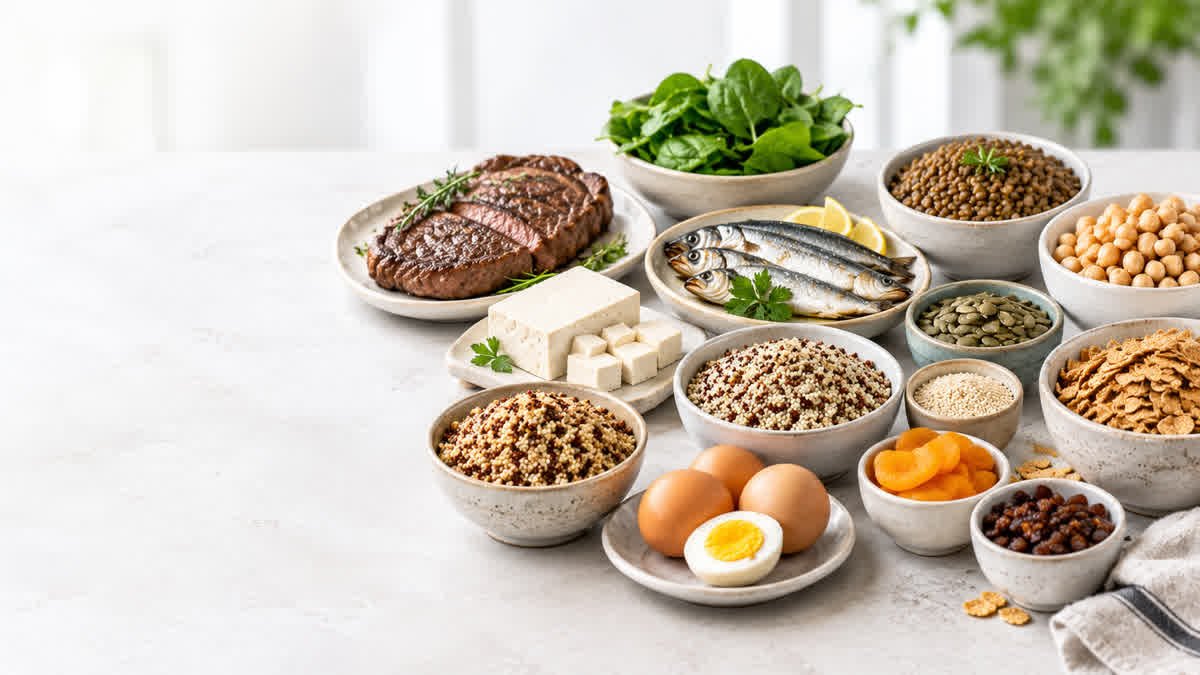

Iron is an essential mineral that your body uses to make hemoglobin, the protein in red blood cells that carries oxygen throughout the body. Eating a variety of iron-rich foods can help support normal energy levels and overall health. This is especially true when your meals also include habits that improve iron absorption.
When iron intake is too low for too long, iron deficiency can develop. It may cause tiredness, weakness, and reduced exercise tolerance, although fatigue has many possible causes and is not always due to low iron. Some people have higher needs, including menstruating women, pregnant people, and people who follow restricted diets, so food choices can matter more for them.
This practical guide covers 20 foods that provide iron, including animal-based sources, legumes, vegetables, seeds, and fortified foods. You will also find how heme and non-heme iron differ, tips for absorbing more iron, daily intake recommendations, and signs that call for a medical check. It is general information, not individual medical advice, and it works best alongside a balanced diet.
What Is Iron and Why Does Your Body Need It?
According to the NIH Office of Dietary Supplements, iron is needed to make hemoglobin and myoglobin, which move oxygen through the blood and muscles. It also supports energy metabolism, normal muscle function, brain development, and immune function. Because the body cannot make iron, it must come from food or supplements.
Choosing nutrient-dense foods is a good way to get iron along with other nutrients. Our overview of a healthy diet explains how these foods fit into everyday eating.
Heme Iron vs. Non-Heme Iron
There are two main forms of dietary iron:
- Heme iron is found in meat, poultry, and seafood. The body generally absorbs it more efficiently.
- Non-heme iron is found in beans, lentils, tofu, seeds, vegetables, grains, and fortified foods. Its absorption varies and can be improved by eating vitamin C-rich foods alongside it.
Both types can contribute to an adequate diet. People who do not eat meat can meet their needs with plant sources, but may need to pay closer attention to absorption.
20 Iron-Rich Foods to Add to Your Diet
The amounts below are approximate and drawn from the NIH iron fact sheet and USDA FoodData Central. Iron content varies by variety, brand, preparation, and serving size, so check labels and databases for the exact product you eat. The foods are grouped, not ranked.
1. Lean Beef
Beef provides heme iron, which is generally well absorbed, along with protein, vitamin B12, and zinc. A 3-ounce (85 g) serving of cooked lean beef, such as roasted eye of round, provides roughly 2 mg of iron, though cuts differ. Add it to a vegetable stir-fry, grain bowl, or balanced dinner.
2. Liver
Beef liver can provide substantial iron and vitamin B12, with about 5 mg in a 3-ounce cooked serving. It is also very high in preformed vitamin A. People who are pregnant or may become pregnant should avoid liver and liver products, because too much preformed vitamin A can harm fetal development. For others, a modest portion as part of a varied diet is reasonable.
3. Oysters
Oysters provide heme iron, zinc, and vitamin B12. The NIH lists about 8 mg in 3 ounces of cooked eastern oysters. Raw or undercooked shellfish can carry foodborne illness risks, so choose fully cooked oysters, particularly if you are at higher risk of severe foodborne illness. Serve them with vegetables or whole grains.
4. Sardines
Canned sardines supply roughly 2 mg of iron in a 3-ounce drained serving, plus protein, vitamin B12, and omega-3 fatty acids. Try them on whole-grain toast, in salads, or with pasta. Check labels for sodium.
5. Canned Tuna
Canned light tuna provides some iron (about 1 mg in 3 ounces), protein, and vitamin B12. Its iron content is generally lower than that of many red meats and shellfish, so animal sources are not interchangeable. Combine tuna with beans, vegetables, and a vitamin C-rich dressing. Follow the FDA’s advice about eating fish, especially during pregnancy and childhood, because mercury levels vary by species.
6. Chicken
Chicken provides some heme iron, and darker meat generally contains more than breast meat. A 3-ounce serving of roasted chicken breast has about 1 mg. Add cooked chicken to soups, salads, or grain bowls with vegetables.
7. Turkey
Turkey supplies protein and some heme iron, especially in darker cuts, with about 2 mg in 3 ounces of roasted dark meat. Use it in sandwiches, salads, or mixed vegetable dishes.
8. Lentils
Lentils are a useful plant source of non-heme iron, fiber, and protein, with about 3 mg in half a cup of cooked lentils. They are also among the high-fiber foods that support digestion. Make lentil soup, dal, or a lentil and vegetable salad, and add tomatoes, bell peppers, or lemon juice for vitamin C.
9. Chickpeas
Chickpeas provide non-heme iron, fiber, and plant protein, with about 2 mg in half a cup cooked. Add them to curries, salads, soups, or hummus. Pair them with tomatoes or bell peppers to help absorption.
10. Kidney Beans
Kidney beans contribute iron (about 2 mg in half a cup of canned beans), fiber, and protein. They work well in chili, stews, and mixed-bean salads. Dried kidney beans must be soaked and thoroughly boiled according to food-safety guidance, and raw or undercooked kidney beans should never be eaten.
11. Soybeans and Edamame
Soybeans and edamame provide non-heme iron and protein, but amounts differ between mature soybeans (roughly 4 mg per half cup cooked), cooked edamame (roughly 2 mg), and processed soy products. Add edamame to rice bowls or salads, and use soybeans in soups and stews.
12. Tofu
Tofu is a plant source of iron and protein, with about 3 mg in half a cup of firm tofu, though the amount varies by type and brand, especially with the coagulant used. Add it to stir-fries, curries, or baked vegetable dishes with broccoli or peppers for vitamin C.
13. Pumpkin Seeds
Pumpkin seeds provide non-heme iron, healthy fats, protein, and other minerals, with roughly 2 to 2.5 mg per ounce. Sprinkle a small serving over oatmeal, yogurt, salads, or soups.
14. Sesame Seeds and Tahini
Sesame seeds and tahini can add iron to plant-based meals, with about 1 mg per tablespoon, depending on the product. Stir tahini into dressings or hummus, or sprinkle sesame seeds over stir-fries and roasted vegetables.
15. Spinach
Spinach contains non-heme iron (about 3 mg in half a cup cooked), folate, and other nutrients. However, compounds called oxalates reduce absorption of some of that iron, so the amount in a database is not the amount your body absorbs. Add spinach to lentil dishes, omelets, or soups, and pair it with a vitamin C source such as tomatoes.
16. Swiss Chard
Swiss chard contributes non-heme iron (about 2 mg in half a cup cooked) and other micronutrients. Like spinach, it contains oxalates. Sauté it with garlic and tomatoes, or add it to soups and grain bowls.
17. Quinoa
Quinoa supplies non-heme iron, plant protein, and fiber, with about 1.5 mg in half a cup cooked. Use it as a base for a bowl with chickpeas, leafy greens, and a lemon dressing.
18. Oats and Iron-Fortified Breakfast Cereals
Oats provide some iron, while fortified breakfast cereals can contain much more. The NIH notes that some fortified cereals provide 18 mg or more per serving, so oats and fortified cereal are not nutritionally interchangeable. Check the Nutrition Facts label for iron and added sugars, and serve cereal with strawberries or citrus fruit.
19. Iron-Fortified Bread and Grain Products
Some breads, flours, and other grain foods are fortified with iron, but fortification policies and formulations vary by country and product. Read the label, and combine bread or grains with beans, eggs, vegetables, or another nutrient-rich food.
20. Dried Apricots and Raisins
Dried apricots (about 1 mg per quarter cup) and raisins contain non-heme iron, but they are less concentrated than many fortified cereals, seeds, legumes, or animal foods. They also contain concentrated natural sugars, so keep portions modest. Add them to oatmeal, trail mix, or a salad with seeds and legumes.
Iron in Selected Foods at a Glance
| Food | Serving | Iron type | Approximate iron |
|---|---|---|---|
| Lean beef | 3 oz cooked | Heme | About 2 mg |
| Lentils | 1/2 cup cooked | Non-heme | About 3 mg |
| Chickpeas | 1/2 cup cooked | Non-heme | About 2 mg |
| Firm tofu | 1/2 cup | Non-heme | About 3 mg |
| Pumpkin seeds | 1 oz | Non-heme | About 2 to 2.5 mg |
| Spinach | 1/2 cup cooked | Non-heme | About 3 mg |
| Fortified cereal | One labeled serving | Non-heme | Varies; some provide 18 mg or more |
| Dried apricots | 1/4 cup | Non-heme | About 1 mg |
This table is a quick comparison, not a ranking. Verify values for your specific products in the NIH and USDA databases.
How to Improve Iron Absorption From Your Diet
Eating iron-containing foods matters, but so does how well your body absorbs the iron. A few simple habits can help, as described by the NIH Office of Dietary Supplements.
Pair Plant-Based Iron With Vitamin C
Vitamin C can improve absorption of non-heme iron. Some easy pairings include:
- Lentils with tomatoes or lemon juice
- Beans with bell peppers
- Iron-fortified cereal with strawberries or citrus fruit
- Tofu with broccoli
- Spinach with tomatoes
Combine Different Iron Sources
A balanced meal can include legumes, vegetables, whole grains, and, where appropriate, meat or seafood. Vegetarians and vegans can get iron from legumes, soy foods, seeds, whole grains, vegetables, and fortified products.
Understand Tea, Coffee, and Calcium
Tea and coffee can reduce non-heme iron absorption when consumed with a meal. If your iron levels are low, you may benefit from drinking them between meals instead. Calcium can also affect iron absorption in some circumstances, but calcium-rich foods remain important, so there is no need to cut out dairy. If you take prescribed iron, follow your clinician’s advice about timing and interactions.
Food combinations can help, but they do not replace diagnosis or treatment when iron deficiency is present.
How Much Iron Do You Need Each Day?
The recommended amounts below come from the NIH Office of Dietary Supplements. Needs vary by age, sex, pregnancy status, and individual circumstances, and national recommendations may differ.
| Group | Recommended daily intake |
|---|---|
| Infants 7 to 12 months | 11 mg |
| Children 1 to 3 years | 7 mg |
| Children 4 to 8 years | 10 mg |
| Children 9 to 13 years | 8 mg |
| Teen boys 14 to 18 years | 11 mg |
| Teen girls 14 to 18 years | 15 mg |
| Adult men 19 to 50 years | 8 mg |
| Adult women 19 to 50 years | 18 mg |
| Adults 51 years and older | 8 mg |
| Pregnant adults | 27 mg |
| Breastfeeding adults 19 to 50 years | 9 mg |
Menstruation, pregnancy, blood loss, certain digestive conditions, and restricted diets can affect iron needs or deficiency risk. The NIH also notes that vegetarians may need up to 1.8 times as much iron as others because non-heme iron is absorbed less well. Do not use this table to diagnose yourself.
Signs You May Need More Iron
Iron deficiency can cause a range of symptoms, though some people have few or none. Possible signs include:
- Persistent fatigue or weakness
- Reduced exercise tolerance
- Pale skin
- Headaches or dizziness
- Shortness of breath during ordinary activity
- Difficulty concentrating
- Brittle nails or unusual cravings, such as for ice
These symptoms are not specific to iron deficiency and can have other causes. Iron deficiency can also occur before anemia develops. You can read more about common health issues that can cause similar symptoms.
When Should You Speak With a Healthcare Professional?
See a clinician if you have persistent symptoms, heavy menstrual bleeding, possible gastrointestinal blood loss, pregnancy-related concerns, or a condition that affects absorption. Some common digestive problems can interfere with iron absorption or cause blood loss.
A clinician may recommend a complete blood count and ferritin or other iron tests, depending on your situation. Do not take high-dose iron supplements without medical guidance, because too much iron can be harmful and unexplained deficiency may need investigation. Regular checkups are part of preventive health.
Easy Ways to Add Iron-Rich Foods to Your Meals
Start with foods you enjoy and build variety gradually. These ideas suit different eating preferences:
- Breakfast: Iron-fortified cereal with strawberries; oatmeal with pumpkin seeds and dried apricots; eggs with whole-grain toast.
- Lunch: Lentil soup with tomatoes; chickpea salad with bell peppers; a tofu and vegetable grain bowl.
- Dinner: Lean beef with beans and vegetables; sardines with whole grains and a tomato salad; lentil curry with spinach and a vitamin C-rich side.
- Snacks: Pumpkin seeds; hummus with bell pepper strips; a modest portion of dried fruit with nuts or seeds.
Vegetarian and vegan readers do not need meat to include iron in their meals. For more inspiration, see our guides to high-protein foods and the healthiest foods to eat every day.
Common Mistakes When Eating Iron-Rich Foods
A few misunderstandings can limit the benefit of your efforts:
- Assuming every leafy green contains highly absorbable iron
- Ignoring fortified-food labels and serving sizes
- Expecting diet changes alone to correct significant iron deficiency
- Taking iron supplements without checking whether they are needed
- Drinking tea or coffee with every iron-rich meal when iron status is a concern
- Assuming fatigue automatically means low iron
- Relying on a single food instead of eating a varied diet
The goal is better overall dietary quality, along with medical advice when symptoms or risk factors call for it.
Frequently Asked Questions About Iron-Rich Foods
What food is highest in iron?
Some organ meats and shellfish contain high amounts of iron, and certain fortified cereals can provide substantial amounts per serving. The best comparison depends on serving size, preparation, and product formulation. The NIH food-source table lists common examples.
Which fruits are rich in iron?
Dried fruits such as apricots and raisins contain some iron, but most fruits are not concentrated sources. Vitamin C-rich fruits are still useful because they improve absorption of non-heme iron from plant foods.
What are the best iron-rich foods for vegetarians?
Lentils, beans, chickpeas, tofu, soybeans, pumpkin seeds, quinoa, and iron-fortified cereals are useful options. Pairing them with vitamin C-rich foods can improve absorption.
Can iron-rich foods help with tiredness?
Adequate iron supports normal oxygen transport and energy metabolism. If your tiredness is caused by iron deficiency, treating the deficiency may help, but fatigue has many possible causes and dietary iron alone may not be enough. The NHS explains when to seek advice.
How can I increase iron absorption naturally?
Pair plant-based iron sources with vitamin C-rich foods, vary your iron sources, and consider separating tea or coffee from iron-rich meals if iron status is a concern.
Should I take an iron supplement?
Not everyone needs one. Ask a healthcare professional if you suspect deficiency, especially if you are pregnant, have heavy periods, or have persistent fatigue. Excess iron can be harmful, as the NIH explains.
How long does it take to improve iron levels through food?
The timeline depends on the cause and severity of the deficiency, absorption, and individual needs. Significant deficiency may require clinician-directed treatment and follow-up testing, and diet alone may not be enough.
Conclusion: Build a Diet That Supports Healthy Iron Levels
Iron-rich foods include meat and seafood, legumes, soy foods, seeds, leafy greens, whole grains, and fortified products. Eating a variety of sources and pairing plant-based iron with vitamin C can help support adequate intake.
Try choosing one or two new iron-rich ingredients to add to this week’s meals. If you have persistent fatigue or suspect iron deficiency, talk with a healthcare professional rather than treating yourself with high-dose supplements.
Sources
- NIH Office of Dietary Supplements: Iron Fact Sheet for Health Professionals
- NIH Office of Dietary Supplements: Iron Fact Sheet for Consumers
- USDA FoodData Central
- MedlinePlus: Iron in Diet
- NHS: Iron
- NIH Office of Dietary Supplements: Vitamin A Fact Sheet for Health Professionals
- U.S. Food and Drug Administration: Advice About Eating Fish
Medical Disclaimer: This article is for educational purposes only and is not a substitute for professional medical advice, diagnosis, or treatment. Always talk with a doctor, registered dietitian, or other qualified healthcare provider before changing your diet, starting an iron supplement, or if you have questions about your health. If you think you are having a medical emergency, call 911 or your local emergency number right away.