
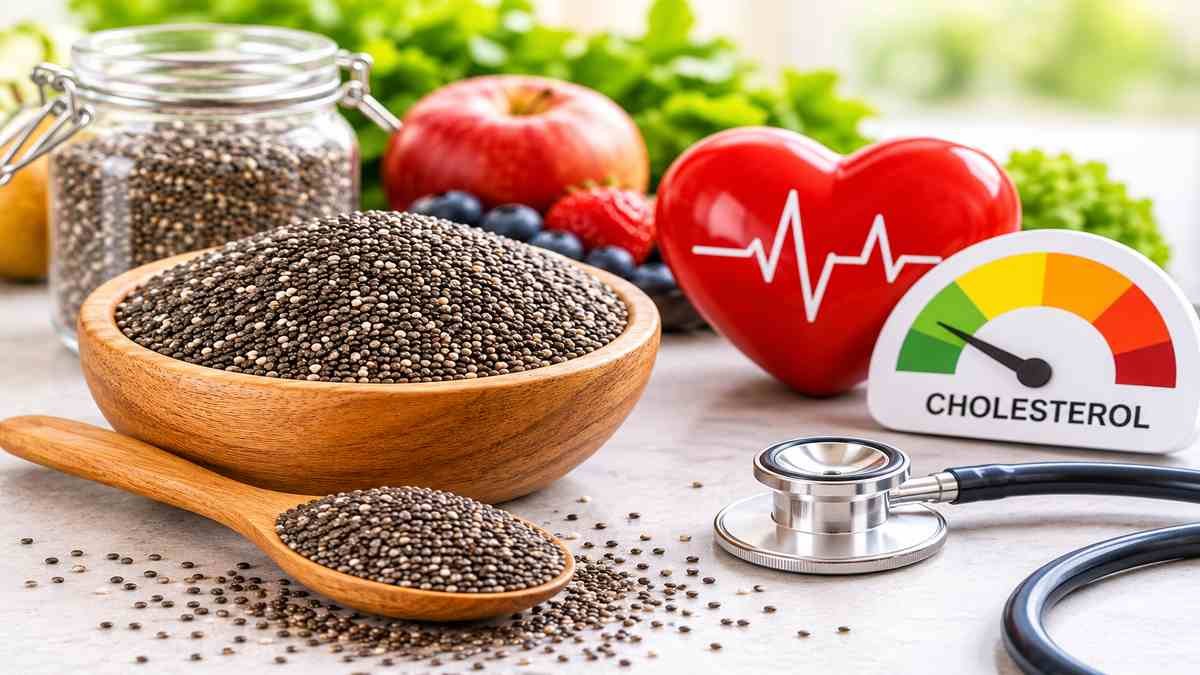

Can a spoonful of tiny seeds in your oatmeal or yogurt help manage high cholesterol? Chia seeds can be a useful part of a heart-conscious diet, but the research on their direct cholesterol-lowering effects is limited and mixed. They are a nutritious food, not a cholesterol treatment.
Chia seeds are rich in dietary fiber, including a gel-forming soluble fiber, and they provide plant-based omega-3 fatty acids, protein, and minerals. Fiber is closely tied to cholesterol management, which is why chia seeds often come up in conversations about heart health. Researchers have tested whether eating them changes LDL, HDL, total cholesterol, and triglycerides. Some trials found small improvements, while others found none.
This guide explains what chia seeds contain, how their nutrients may support healthy cholesterol levels, and what clinical studies actually show. You will also find practical ways to eat chia seeds, how much is reasonable, who should take extra care, and which strategies have the strongest evidence for managing cholesterol. For a general overview of this seed, see our guide to chia seeds health benefits.
In this article
- Are Chia Seeds Good for High Cholesterol?
- Nutritional Profile of Chia Seeds
- How Chia Seeds May Help Support Healthy Cholesterol Levels
- What Does Scientific Research Say About Chia Seeds and Cholesterol?
- How to Eat Chia Seeds for Heart Health
- How Much Chia Seeds Should You Eat Daily?
- Potential Side Effects and Precautions
- Other Ways to Manage High Cholesterol
- Frequently Asked Questions About Chia Seeds and High Cholesterol
- Conclusion
Are Chia Seeds Good for High Cholesterol?
Chia seeds can be a helpful addition to a heart-conscious diet. They contain dietary fiber, including soluble fiber, which can support healthy cholesterol levels as part of an overall eating pattern. They also provide alpha-linolenic acid (ALA), a plant-based omega-3 fatty acid.
Some clinical research suggests possible improvements in LDL cholesterol and triglycerides. Other clinical trials have not found significant changes in cholesterol markers. That is why chia seeds should complement a healthy diet rather than serve as a cholesterol treatment.
A quick refresher on the terms you will see on a lab report can help:
- LDL cholesterol: Often called “bad” cholesterol, because high levels can contribute to plaque buildup in the arteries.
- HDL cholesterol: Often called “good” cholesterol, because it helps carry cholesterol away from tissues and back to the liver.
- Triglycerides: A type of fat in the blood that can add to cardiovascular risk when levels are high.
- Total cholesterol: A measurement that combines the different cholesterol components.
If you want more background, see our guides on high cholesterol and LDL vs. HDL cholesterol.
The takeaway: chia seeds offer nutrients that support heart health, but their direct cholesterol-lowering effects in people are not yet firmly established.
Nutritional Profile of Chia Seeds
Chia seeds are tiny, yet they deliver a lot of nutrition in a small serving. The table below shows approximate values for a typical 28-gram (1-ounce) serving, which is roughly 2 tablespoons.
| Nutrient | Approximate amount |
|---|---|
| Calories | 140 kcal |
| Dietary fiber | 10 to 11 g |
| Protein | 4 to 5 g |
| Total fat | 9 g |
| Omega-3 ALA | 5 g |
| Magnesium | 95 mg |
| Calcium | 179 mg |
| Phosphorus | 244 mg |
Values are approximate and can vary by product and nutritional database. You can look up specific entries in USDA FoodData Central.
Dietary Fiber
Chia seeds provide a substantial amount of fiber. When mixed with liquid, part of that fiber forms a gel, which is one reason chia pudding thickens. Soluble fiber can slow the absorption of cholesterol in the digestive tract, and fiber-rich foods are a cornerstone of cardiovascular health. Our list of high-fiber foods for digestive health shows other options.
Omega-3 Fatty Acids
Chia seeds contain ALA, an essential plant-based omega-3 fatty acid that your body cannot make on its own. ALA plays a role in normal body functions, including cardiovascular function. It differs from the EPA and DHA omega-3 fats found in fish, and our guide to omega-3 fatty acids explains how they compare.
Magnesium
Magnesium supports normal muscle and nerve function. It is also involved in many metabolic processes, so it contributes to overall nutritional health.
Plant-Based Protein and Antioxidants
Chia seeds offer a modest amount of plant protein. They also contain naturally occurring antioxidant compounds, which add to the value of a varied, plant-rich diet. For more on these nutrients, see the Harvard T.H. Chan School of Public Health’s chia seeds guide.
How Chia Seeds May Help Support Healthy Cholesterol Levels
No single nutrient in chia seeds has been proven to lower cholesterol on its own. Instead, a few features may work together to support a heart-healthy eating pattern. Here is what each one may contribute, and where the limits are.
1. Soluble Fiber May Help Reduce LDL Cholesterol
Soluble fiber dissolves in water and forms a gel in the digestive system. This gel can help limit how much cholesterol the body absorbs. The body also uses cholesterol to make bile acids, and some soluble fibers bind these acids so more of them leave the body, which may nudge LDL cholesterol down.
There is an important caveat. Chia seeds contain both soluble and insoluble fiber, and most of their fiber is the insoluble kind. Their fiber should not be assumed to work like the viscous fibers with the strongest evidence, such as oat beta-glucan. Chia seeds are best seen as one fiber-rich food among many.
2. Omega-3 Fatty Acids Support Cardiovascular Health
ALA is the omega-3 fat in chia seeds. Omega-3 fatty acids are important for normal body functions, and the types of fat you eat influence your lipid profile. Replacing some saturated fat with unsaturated fat is a well-supported way to support healthier cholesterol levels. You can learn more in our overview of healthy fats.
Keep expectations realistic. Plant-based ALA is not equivalent to the EPA and DHA found in fish, and there is no solid evidence that the omega-3 in chia seeds reliably lowers LDL cholesterol.
3. Fiber-Rich Foods Can Support a Heart-Healthy Diet
Fiber also supports digestive health. Diets rich in fruits, vegetables, legumes, seeds, and whole grains are associated with better cardiovascular health. Chia seeds can make it easier to reach your daily fiber goal, especially if you add them to foods you already eat.
Still, a varied diet matters more than any one food. Our guides to heart-healthy foods and best vegetables for heart health can help you build a well-rounded plate.
4. Antioxidants May Help Protect Overall Cardiovascular Health
Chia seeds contain plant compounds with antioxidant activity. Antioxidants help protect cells from oxidative damage, and oxidative stress is one of several processes linked to cardiovascular disease.
That said, more human research is needed before any specific cholesterol improvement can be credited to the antioxidants in chia seeds.
What Does Scientific Research Say About Chia Seeds and Cholesterol?
This is the section where the evidence gets mixed, so it is worth reading carefully. Researchers have pooled data from randomized controlled trials, the strongest study design for testing a food or supplement, and the findings do not all point the same way.
Evidence From a 2024 Systematic Review of 14 Clinical Trials
A 2024 systematic review and meta-regression in Prostaglandins & Other Lipid Mediators analyzed 14 randomized controlled trials with 835 participants. It found reductions in triglycerides in both the higher-dose and lower-dose groups. LDL cholesterol dropped significantly only in the higher-dose group, by an average of about 4.77 mg/dL.
The authors suggested chia seeds may help with blood lipids, but the findings do not establish them as a treatment for high cholesterol. A drop of under 5 mg/dL is small. You can read the abstract on PubMed.
Evidence From a 2024 Meta-Analysis of Overweight Participants
A 2024 systematic review in Nutrition & Metabolism focused on randomized trials in people with overweight. It found that chia supplementation did not significantly change most lipid measures, including triglycerides and total cholesterol. A small improvement in systolic blood pressure was reported, but that should not be confused with proven cholesterol reduction.
In this group, then, chia seeds did not consistently improve lipid profiles. The full paper is open access on PubMed Central.
Why Are the Research Findings Different?
Several factors can explain why studies disagree:
- Different amounts. Trials have used different quantities of chia seeds.
- Different participants. Health conditions and starting cholesterol levels vary from study to study.
- Different durations and diets. Study lengths and background eating patterns are not the same.
- Small sample sizes. Many trials include relatively few people.
- Different trials in each review. Each analysis may include different studies and populations.
The Harvard T.H. Chan School of Public Health offers a useful counterbalance. Its review notes that human studies have not consistently shown a specific benefit of chia seeds on cardiovascular risk factors such as lipids, and that animal findings do not guarantee the same results in people. The page does say that chia fiber may help lower LDL cholesterol, and that the seeds’ benefits likely come from being part of a varied, plant-rich diet.
Overall, the evidence is promising in some areas but not strong enough to call chia seeds a reliable cholesterol-lowering intervention.
How to Eat Chia Seeds for Heart Health
Chia seeds have a mild taste, so they fit into many everyday foods. Because they absorb liquid and expand, soaking them first is a convenient and safe habit. Here are four simple ideas.
1. Add Chia Seeds to Oatmeal
Sprinkle chia seeds over a bowl of plain oatmeal and top it with fresh fruit for more fiber. Choose plain oats over heavily sweetened instant packets. Oats contain beta-glucan, a soluble fiber with well-studied cholesterol-lowering benefits, so this pairing adds fiber from two sources.
2. Make Chia Seed Pudding
Stir chia seeds into milk or an unsweetened plant-based alternative, then refrigerate until the mixture thickens. Top it with berries or other fruit. Go easy on added sugar, since sweeteners can undo some of the benefits.
3. Blend Chia Seeds Into Smoothies
Add chia seeds to a fruit and vegetable smoothie made with unsweetened yogurt or milk. Include other fiber-rich ingredients such as berries or oats. The seeds will thicken the drink a little.
4. Sprinkle Chia Seeds Over Yogurt or Salads
Stir them into plain yogurt, scatter them over a vegetable salad, or whisk them into a homemade dressing. Choose unsalted ingredients and heart-conscious pairings. If you plan to eat them without much liquid, let them soak first.
How Much Chia Seeds Should You Eat Daily?
A commonly used serving is about 1 to 2 tablespoons per day. If you do not usually eat much fiber, start with a smaller amount and increase it slowly. Drinking enough fluids throughout the day helps your body handle the extra fiber.
Individual dietary needs vary, so this is a general food guideline, not a prescription. There is no officially established therapeutic dose of chia seeds for lowering cholesterol. Because studies have used different amounts, do not assume that eating more will bring better cholesterol results.
Our article on whether you can eat chia seeds every day covers daily use in more detail.
Potential Side Effects and Precautions
Chia seeds are safe for most people in typical food amounts. A few precautions are still worth knowing.
Digestive discomfort. Chia seeds are high in fiber, and eating too much too quickly can cause bloating, gas, or stomach discomfort. Increasing your intake gradually gives your digestive system time to adjust.
Difficulty swallowing dry seeds. Chia seeds absorb liquid and swell. A case report has described dry seeds expanding and causing a blockage in the esophagus, and Harvard advises against eating dry chia seeds on their own. Mix them with plenty of liquid or moist foods, and take extra care if you have trouble swallowing.
Allergic reactions. Allergic reactions are possible, although uncommon. If you suspect a food allergy, talk with a healthcare professional.
Medication and health considerations. Do not stop or change cholesterol-lowering medication because you started eating chia seeds. If you have questions about interactions or dietary restrictions, or if you have digestive or swallowing problems, ask a healthcare professional for guidance.
Other Ways to Manage High Cholesterol
Chia seeds are only one small piece of the picture. The following approaches have stronger evidence for managing cholesterol than any single food.
- Eat more soluble fiber. Oats, beans, lentils, fruits, and vegetables are good sources.
- Choose healthier fats. Replace some saturated fat with unsaturated fat from nuts, seeds, and vegetable oils.
- Limit saturated and trans fats. These can raise LDL cholesterol.
- Stay physically active. Regular activity supports cardiovascular health and can help lower LDL and triglycerides.
- Build meals around whole foods. Focus on whole grains, legumes, vegetables, and fruits.
- Monitor your levels. Follow your healthcare professional’s advice on cholesterol testing.
- Take prescribed treatment as directed. Medication is an essential tool for many people.
The Mediterranean diet is a good example of this approach. It emphasizes vegetables, fruits, whole grains, legumes, nuts, seeds, and unsaturated fats, and chia seeds fit easily into it.
For official guidance, see the National Heart, Lung, and Blood Institute’s Therapeutic Lifestyle Changes (TLC) program and the American Heart Association’s page on prevention and treatment of high cholesterol. You can also read our guides to cholesterol and heart health and how to prevent heart disease.
Frequently Asked Questions About Chia Seeds and High Cholesterol
1. Can chia seeds help lower LDL cholesterol?
Chia seeds provide fiber and ALA omega-3 fats, and one 2024 meta-analysis found a small LDL reduction at higher doses. Other studies have found no significant effect. Think of chia seeds as part of a balanced diet, not a proven LDL-lowering treatment.
2. Do chia seeds increase HDL cholesterol?
Current clinical evidence does not consistently show that chia seeds raise HDL cholesterol. Chia seeds should not be presented as a food for boosting HDL. Regular physical activity and a heart-healthy diet are better-supported ways to support healthy HDL levels.
3. Are chia seeds good for triglycerides?
Some clinical research has reported lower triglycerides after chia supplementation, including in the 2024 review of 14 trials. However, results are not consistent across all studies, and more research is needed.
4. Is it safe to eat chia seeds every day?
For most people, chia seeds can be part of a balanced diet on a regular basis. Stick to moderate amounts, raise your fiber intake gradually, and drink enough fluids. If you have a digestive or swallowing condition, check with a healthcare professional first.
5. Should chia seeds be soaked before eating?
Soaking lets chia seeds absorb liquid and form a gel-like texture. You can also stir them into moist foods such as yogurt or oatmeal. Either way, avoid eating dry seeds on their own, as Harvard advises.
6. Are black or white chia seeds better for cholesterol?
Black and white chia seeds have broadly similar nutritional profiles. No established clinical evidence shows that one variety works better for cholesterol management. Choose whichever you prefer.
7. Can chia seeds replace cholesterol medication?
No. Chia seeds cannot replace prescribed cholesterol medication. If you take medication, follow your healthcare professional’s recommendations and never change your treatment without medical advice.
Conclusion: Are Chia Seeds Good for High Cholesterol?
Chia seeds provide dietary fiber, ALA omega-3 fatty acids, protein, and minerals, which makes them a useful addition to a heart-conscious eating pattern. Some clinical research suggests possible improvements in LDL cholesterol and triglycerides, but other studies have found no significant changes in lipid profiles.
They can complement a balanced diet, but they should not replace medical treatment. Adding chia seeds to a varied, fiber-rich diet may support overall cardiovascular health, and managing cholesterol takes a comprehensive approach that includes diet, activity, regular checkups, and prescribed care when needed. If blood pressure is also on your mind, you may like our guide to chia seeds and blood pressure.
Sources
- The impact of chia seeds on diabetes, blood pressure, lipid profile, and obesity indicators: systematic review and meta-regression analysis of 14 randomized controlled trials. Prostaglandins & Other Lipid Mediators. 2024.
- Karimi M, et al. Effects of chia seed (Salvia hispanica L.) supplementation on cardiometabolic health in overweight subjects: a systematic review and meta-analysis of RCTs. Nutrition & Metabolism. 2024.
- Harvard T.H. Chan School of Public Health. Chia seeds. The Nutrition Source.
- National Heart, Lung, and Blood Institute. Therapeutic Lifestyle Changes (TLC).
- American Heart Association. Prevention and treatment of high cholesterol (hyperlipidemia).
- U.S. Department of Agriculture. FoodData Central.
Medical Disclaimer: This article is for general educational purposes only and is not medical advice. It does not diagnose, treat, or prevent any condition, and it is not a substitute for professional care. Always talk with a qualified healthcare professional about your cholesterol, medications, and dietary changes.