
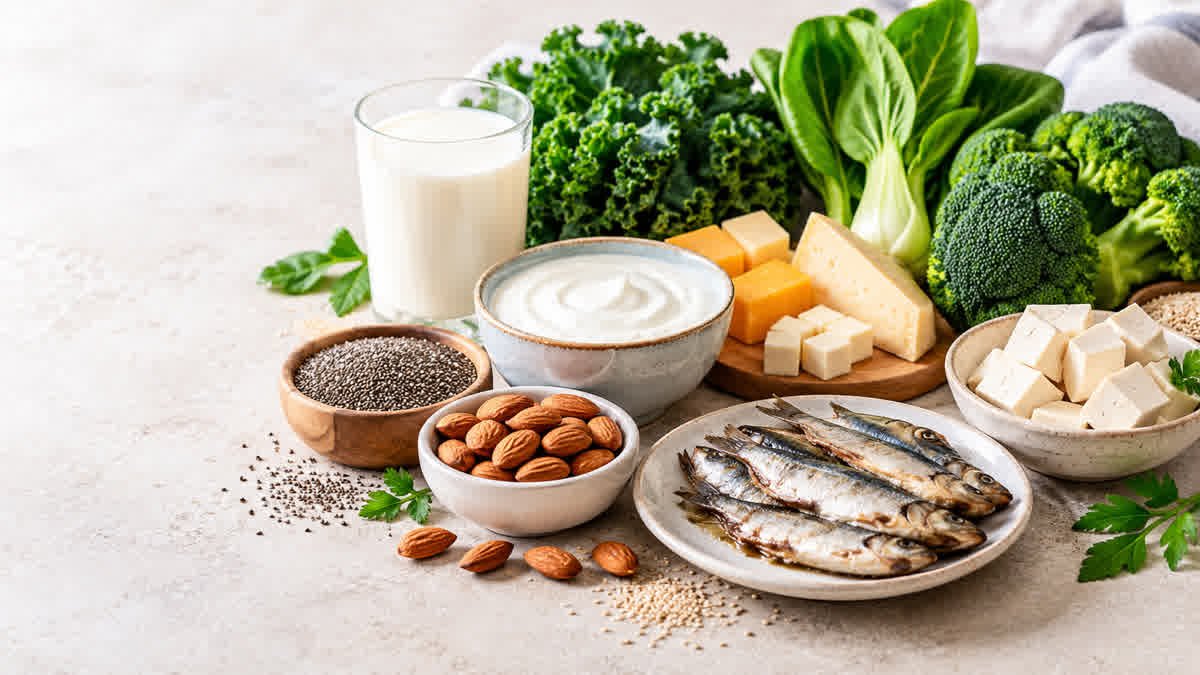

Calcium is the main mineral in your bones and teeth, and it also helps muscles contract and nerves send signals. Because the body cannot make calcium, it has to come from food or supplements. Choosing calcium-rich foods across the day is one of the most practical ways to support bone health at every age.
Calcium does not work alone. Vitamin D helps the body absorb it, and protein, physical activity, and an overall balanced diet also play a part. No single food can guarantee strong bones or prevent osteoporosis, but a varied eating pattern gives your body what it needs to maintain bone throughout life.
This guide covers 15 foods that provide calcium, from dairy and fish with edible bones to leafy greens, tofu, seeds, and fortified products. You will find serving sizes, approximate amounts, dairy-free options, daily intake recommendations, and common mistakes to avoid. It is general information, not individual medical advice, and it fits best within a balanced diet.
How Calcium Supports Strong Bones
According to the NIH Office of Dietary Supplements, about 99% of the body’s calcium is stored in the bones and teeth, where it provides structure and strength. The remaining 1% circulates in the blood and tissues, where it supports muscle function, nerve signaling, and blood vessel function. If you do not get enough calcium from food, the body draws on the calcium stored in bone.
Bone is living tissue that constantly breaks down and rebuilds, a process called remodeling. Calcium needs are especially high during childhood and adolescence, when the skeleton is growing. Adults continue to need calcium to maintain bone, and needs rise again in later life, when bone loss tends to speed up.
Vitamin D helps the intestines absorb calcium, so the two nutrients are closely linked. Our guide to vitamin D’s role in calcium absorption explains this in more detail. Other factors matter too, including adequate protein-rich foods and weight-bearing physical activity, which help keep bones strong.
15 Best Calcium-Rich Foods for Strong Bones
The amount of calcium in a food varies by serving size, preparation, brand, and fortification. The figures below are approximate and come from the NIH calcium fact sheet and USDA FoodData Central. Always check the label on the product you buy.
1. Milk
Milk is one of the most familiar sources of calcium, providing about 276 to 299 mg per cup, depending on the fat level. It also provides protein and, in many places, added vitamin D. Calcium content is similar across whole, low-fat, and skim milk. Enjoy it on its own, in oatmeal, or in smoothies.
2. Yogurt
Plain low-fat yogurt provides roughly 415 mg of calcium in one cup (8 ounces), along with protein. It suits breakfasts and snacks. Choose plain or lower-sugar versions and add fruit, nuts, or seeds for flavor.
3. Cheese
Part-skim mozzarella provides about 333 mg in 1.5 ounces, and cheddar provides roughly 307 mg in the same amount. Cheese can be a convenient calcium source, but sodium and saturated fat content vary by type. Moderation and variety help, and you can add it to salads, sandwiches, or cooked vegetables.
4. Sardines With Edible Bones
Canned sardines eaten with their soft bones provide about 325 mg of calcium in a 3-ounce serving. They also supply protein and omega-3 fats. Try them on whole-grain toast or in a pasta dish. Check labels for sodium, particularly in salted products. Our guide to nutrient-dense foods offers more ideas like this.
5. Canned Salmon With Bones
Canned pink salmon with the bones provides about 181 mg of calcium in 3 ounces. The bones are soft and can be mashed in. Use it in salmon patties, salads, or sandwiches for a quick meal.
6. Calcium-Fortified Plant-Based Milk
Fortified soy milk provides about 299 mg of calcium per cup, similar to dairy milk. Other fortified plant drinks, such as almond or oat, vary by brand. Not all plant milks are fortified, so check the Nutrition Facts label for calcium per serving, and shake the carton, because calcium can settle at the bottom.
7. Calcium-Set Tofu
Firm tofu made with calcium salts provides about 253 mg of calcium in half a cup. Tofu made without calcium salts contains much less, so look for calcium on the ingredient list (often calcium sulfate or calcium chloride). Add it to stir-fries, soups, and baked dishes.
8. Kale
Kale provides about 94 mg of calcium in a cooked cup. The NIH notes that calcium from kale is absorbed relatively well compared with some other greens. Sauté it with garlic, add it to soups, or blend it into smoothies.
9. Bok Choy and Chinese Cabbage
Bok choy provides about 74 mg of calcium per cup of raw, shredded leaves, and it is also a well-absorbed plant source. It works well in stir-fries, noodle soups, and steamed side dishes, which makes it handy for plant-based meals.
10. Broccoli
Broccoli provides a smaller amount per serving, about 21 mg in half a cup of raw broccoli, but the calcium is relatively well absorbed. It also adds fiber, vitamin C, and other nutrients. Eating it regularly helps your total intake add up.
11. Turnip Greens
Turnip greens provide about 99 mg of calcium in half a cup cooked. They are another leafy vegetable option, and they pair well with beans, whole grains, and roasted vegetables. They are one of the more concentrated calcium-rich vegetables.
12. Soybeans and Edamame
Soybeans and edamame contribute calcium along with plant protein, with roughly 50 to 90 mg in half a cup cooked, depending on the type. Add edamame to rice bowls and salads, or use cooked soybeans in soups and stews.
13. Chia Seeds
Chia seeds provide about 76 mg of calcium per tablespoon. Small amounts can add up when stirred into oatmeal, yogurt, or smoothies. They also provide fiber and healthy fats.
14. Almonds
Almonds provide about 76 mg of calcium per ounce (a small handful), plus healthy fats and protein. Eat them as a snack, sprinkle them over salads, or use almond butter on toast. Keep portions reasonable, since nuts are calorie-dense.
15. Calcium-Fortified Cereals and Juice
Fortified products can help fill gaps. Calcium-fortified orange juice provides about 349 mg per cup, and fortified cereals range widely, from roughly 100 to 1,000 mg per serving. Compare labels for calcium, added sugar, and serving size, and choose products that fit your overall diet.
Calcium Content of Common Foods at a Glance
This table summarizes approximate amounts so you can compare foods quickly. It is a guide, not a ranking, and it uses consistent serving sizes taken from the NIH Office of Dietary Supplements.
| Food | Typical serving | Approximate calcium |
|---|---|---|
| Plain low-fat yogurt | 1 cup (8 oz) | 415 mg |
| Calcium-fortified orange juice | 1 cup | 349 mg |
| Part-skim mozzarella | 1.5 oz | 333 mg |
| Sardines with bones | 3 oz | 325 mg |
| Milk | 1 cup | 276 to 299 mg |
| Fortified soy milk | 1 cup | 299 mg |
| Calcium-set firm tofu | 1/2 cup | 253 mg |
| Canned salmon with bones | 3 oz | 181 mg |
| Cooked kale | 1 cup | 94 mg |
| Chia seeds | 1 tablespoon | 76 mg |
Figures vary by brand, recipe, and serving. Verify them against the product label or the NIH and USDA databases.
Best Non-Dairy Calcium-Rich Foods
You can meet calcium needs without dairy. This matters for people who follow vegan diets, avoid dairy because of an allergy, or have difficulty digesting lactose. The most reliable non-dairy choices are fortified plant milks, calcium-set tofu, bok choy, kale, broccoli, seeds, and, for those who eat fish, canned fish with edible bones.
Not every plant milk or tofu product contains much calcium, so reading labels is essential. Spinach is a special case. It contains calcium on paper, but its oxalate content binds the mineral, so the body absorbs only a small fraction of it. The NIH lists absorption from spinach at roughly 5%, compared with about half from kale, bok choy, and broccoli.
That is why relying on a single ingredient is risky. Spread several sources across the day, such as fortified soy milk at breakfast, tofu or greens at dinner, and seeds or almonds as snacks. Our guides to healthy foods to eat every day and nutrient-dense foods can help you plan.
If you also follow a plant-based diet, pay attention to other nutrients too. Our article on iron-rich foods is a useful companion.
How Vitamin D Helps Your Body Absorb Calcium
Eating enough calcium is only part of bone nutrition. Vitamin D helps the gut absorb calcium, so low vitamin D can limit how much calcium your body takes in, even if your diet seems adequate. The NIH describes this relationship in its vitamin D fact sheet.
Vitamin D comes from sunlight, food, and supplements. Foods that provide it include fatty fish, egg yolks, UV-exposed mushrooms, and fortified products. Calcium-rich foods do not necessarily contain much vitamin D, and vitamin D-rich foods are not always high in calcium, so your overall diet matters. Read our guide to foods high in vitamin D for practical choices.
If you are worried about low vitamin D, a healthcare professional can advise whether testing or supplementation makes sense for you. Avoid starting high-dose supplements on your own.
How Much Calcium Do You Need Daily?
The table below shows U.S. recommended dietary allowances from the NIH. Needs vary with age, growth, sex, and individual circumstances.
| Life stage | Recommended daily amount |
|---|---|
| Children 1 to 3 years | 700 mg |
| Children 4 to 8 years | 1,000 mg |
| Ages 9 to 18 years | 1,300 mg |
| Adults 19 to 50 years | 1,000 mg |
| Women 51 to 70 years | 1,200 mg |
| Men 51 to 70 years | 1,000 mg |
| Adults 71 years and older | 1,200 mg |
These are U.S. reference values, and recommendations differ among countries. They refer to total intake from food and any supplements. The NIH sets an upper limit of 2,500 mg per day for adults 19 to 50 and 2,000 mg per day for adults 51 and older, so more is not better. Not every reader needs a supplement, and many people reach their target through diet alone.
Simple Ways to Add More Calcium to Your Daily Diet
Small changes add up. Here are some realistic habits:
- Add yogurt to breakfast, or choose a fortified cereal with milk or fortified soy milk.
- Use calcium-set tofu in stir-fries and other main dishes.
- Add leafy greens such as kale, bok choy, or turnip greens to soups, curries, or cooked vegetable dishes.
- Stir chia seeds into oatmeal or smoothies.
- Choose canned sardines or salmon with edible bones when it suits you.
- Compare labels on fortified drinks and packaged foods.
- Spread calcium sources across meals and snacks, since the body absorbs calcium better in smaller amounts at a time.
Try building meals around a healthy diet, and pair them with regular movement and other healthy lifestyle habits for the best support for your bones.
Common Mistakes to Avoid When Increasing Calcium Intake
A few misunderstandings can undermine your efforts:
- Assuming all greens are equal. Spinach and some other greens provide calcium that is poorly absorbed.
- Assuming every plant milk is fortified. Check the label.
- Ignoring vitamin D and other bone factors. Calcium alone is not enough.
- Taking supplements unnecessarily. Consider your food intake first and talk with a clinician.
- Assuming more is better. Excess calcium can cause problems, including constipation and, in some people, kidney stones.
Calcium supplements can interact with some medications, such as certain thyroid medicines, antibiotics, and bisphosphonates, and can cause digestive side effects. People with kidney disease, a history of kidney stones, or medication concerns should get professional guidance before taking them.
Frequently Asked Questions
What foods are highest in calcium?
Dairy foods such as yogurt, cheese, and milk are among the richest sources, along with canned fish with bones and fortified products like juice and plant milks. Amounts vary by serving size and brand. The NIH food-source table lists common examples.
Which fruits contain calcium?
Most fruits contain small amounts of calcium. Oranges, figs, and dried fruit provide some, while calcium-fortified orange juice provides much more because the mineral is added. Fruit is better seen as a helpful extra than as a main source.
What are the best calcium-rich foods for people who do not consume dairy?
Fortified plant milks, calcium-set tofu, bok choy, kale, broccoli, turnip greens, chia seeds, almonds, and fortified cereals or juice are good options. People who eat fish can add sardines or canned salmon with bones. Check labels, because fortification varies.
Is milk necessary for strong bones?
No. Milk is a convenient source, but you can get enough calcium from other foods. What matters is your total intake, along with vitamin D, protein, and physical activity.
Does vitamin D help the body absorb calcium?
Yes. Vitamin D helps the intestines absorb calcium, so low vitamin D can limit how much calcium your body uses. The NIH explains this relationship.
Can you get enough calcium from food alone?
Many people can, especially when they include dairy or fortified alternatives. Needs are higher during adolescence, for women after 50, and for adults over 70, and some people with restricted diets may find it harder. A healthcare professional can advise whether a supplement is appropriate.
Which vegetables contain calcium that the body can absorb well?
Kale, bok choy, broccoli, and turnip greens contain calcium that is absorbed relatively well. Spinach is high in calcium but also high in oxalates, so little of it is absorbed. Including a mix of these vegetables is a sensible approach.
Conclusion: Build Stronger Bones With Calcium-Rich Foods
Including a variety of calcium-rich foods in everyday meals is a practical way to support your bones. Dairy, fortified plant milks, calcium-set tofu, selected vegetables, and fish with edible bones all offer realistic options, whatever your eating preferences.
Pair them with vitamin D, protein, and regular physical activity, and talk with a qualified healthcare professional about your individual needs. To keep learning, explore more CollectedMed nutrition guides, including our overview of preventive health.
Sources
- NIH Office of Dietary Supplements: Calcium Fact Sheet for Health Professionals
- NIH Office of Dietary Supplements: Calcium Fact Sheet for Consumers
- NIH Office of Dietary Supplements: Vitamin D Fact Sheet for Health Professionals
- USDA FoodData Central
- MedlinePlus: Calcium in Diet
Medical Disclaimer: This article is for educational purposes only and is not a substitute for professional medical advice, diagnosis, or treatment. Always talk with a doctor, registered dietitian, or other qualified healthcare provider before changing your diet, starting a calcium or vitamin D supplement, or if you have questions about your bone health. If you think you are having a medical emergency, call 911 or your local emergency number right away.
1 thought on “Best Calcium-Rich Foods for Strong Bones”
Comments are closed.