
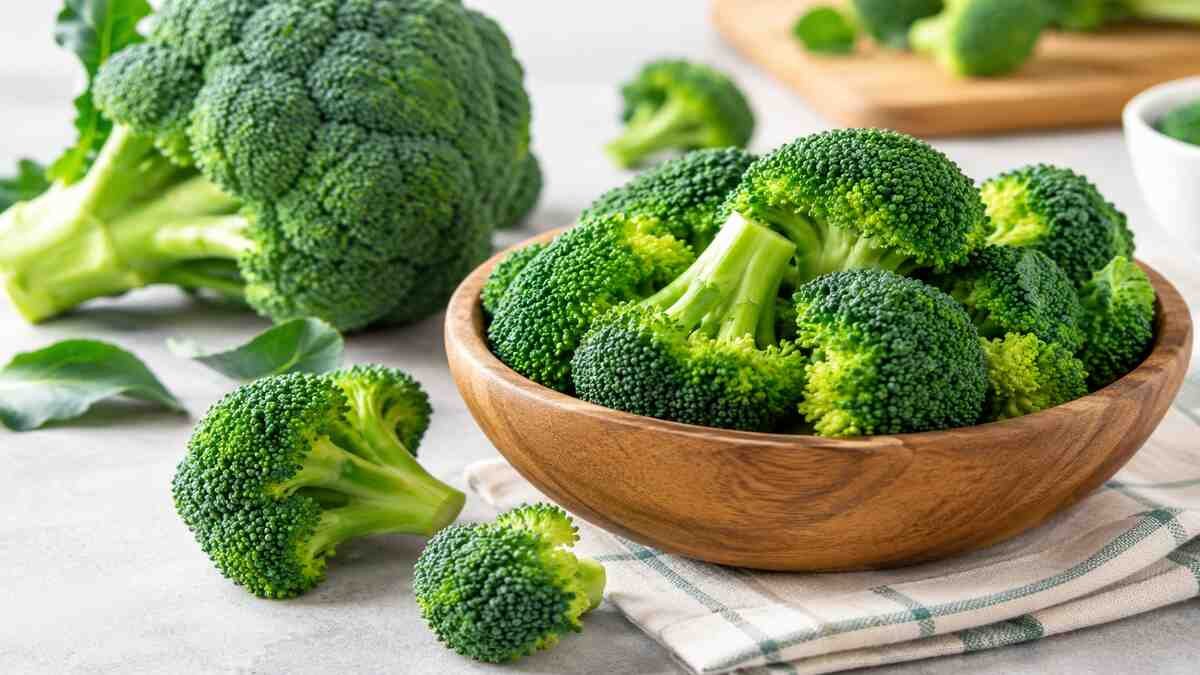

Broccoli provides fiber, vitamin C, vitamin K, folate, and beneficial plant compounds. These nutrients support normal immune function, digestion, blood clotting, and bone health, among other roles. Broccoli works best as part of a varied, balanced diet rather than as a single fix for any health concern.
Broccoli is a cruciferous vegetable, a family that also includes cabbage, kale, cauliflower, and Brussels sprouts. It is low in calories yet provides a wide range of vitamins, minerals, and fiber. Both the florets and the stems are edible, and it is available fresh or frozen year-round, which makes it practical for most budgets.
This guide explains what broccoli contains, how its nutrients support normal body functions, and how to cook and enjoy it. It also separates well-established nutrition facts from research that is still developing, especially studies on plant compounds such as sulforaphane. Broccoli is not a cure or treatment for any disease, but it is a nutrient-rich food that is easy to include in everyday meals.
Main nutritional benefits at a glance:
- Vitamin C supports normal immune function and collagen formation.
- Vitamin K plays a role in normal blood clotting and bone metabolism.
- Fiber supports regular digestion and fullness.
- Folate contributes to normal cell function and is especially important during pregnancy.
- Potassium and plant compounds add to an overall heart-healthy eating pattern.
Broccoli Nutrition Facts
Broccoli is naturally low in calories and fat. It provides a good amount of vitamin C and vitamin K, along with folate, potassium, and fiber. The table below shows approximate values for one cup of chopped raw broccoli (about 91 grams).
| Nutrient | Approximate amount |
|---|---|
| Calories | 31 kcal |
| Carbohydrates | 6 g |
| Dietary fiber | 2.4 g |
| Protein | 2.6 g |
| Vitamin C | 81 mg |
| Vitamin K | 92 mcg |
| Folate | 57 mcg |
| Potassium | 288 mg |
Values are rounded estimates and can vary by variety and size. Verify exact figures in USDA FoodData Central.
To put these numbers in context, the Daily Value for vitamin C is 90 mg and for vitamin K is 120 mcg, so one cup of raw broccoli provides a large share of each. Cooked broccoli looks different per serving because cooking reduces its volume. A cup of cooked, chopped broccoli contains more broccoli by weight than a cup of raw, so its fiber, potassium, and vitamin K per cup are higher, while vitamin C may be lower because it is sensitive to heat and water.
For a broader look at which produce is rich in this vitamin, see our list of vegetables high in vitamin C.
Top Health Benefits of Broccoli
Some benefits below rest on well-established nutrient roles, such as vitamin K in blood clotting. Others come from studies on plant compounds, where results in humans are less certain. Broccoli supports health as part of an overall pattern of eating, but it does not prevent or treat disease by itself.
Supports Normal Immune Function
Vitamin C is essential for normal immune function, wound healing, and the formation of collagen, a protein found in skin, tendons, and blood vessels. It also helps the body absorb iron from plant foods. The NIH Office of Dietary Supplements describes these established roles in detail.
Getting enough vitamin C helps the immune system work normally, but extra vitamin C does not reliably prevent colds. Lightly cooked or raw broccoli retains more of this vitamin than long boiling. You can pair broccoli with other sources such as citrus, peppers, and strawberries.
Provides Fiber for Digestive Health
One cup of raw broccoli contains about 2.4 grams of fiber, and cooked broccoli contains more per cup. Fiber adds bulk to stool, supports regular bowel movements, and nourishes beneficial bacteria in the large intestine. The Harvard T.H. Chan School of Public Health summarizes the established role of fiber in digestive health.
Broccoli can help many people meet their daily fiber goals, but it does not treat digestive disorders. For more ideas, see our guides to vegetables for gut health and high-fiber foods for digestive health.
Contributes to Heart Health
Broccoli fits well into a heart-healthy eating pattern. It supplies fiber and potassium, both of which are associated with healthier blood pressure and cholesterol levels when part of a diet that is also lower in sodium and saturated fat. It is also very low in calories and contains no cholesterol.
No single vegetable can prevent or treat heart disease, so broccoli should be viewed as one component of a larger approach that includes physical activity, medical care, and varied foods. Learn more in our articles on the best vegetables for heart health and potassium-rich vegetables.
Supports Normal Bone Health
Vitamin K helps the body make proteins needed for normal blood clotting and for bone metabolism. Broccoli is a good source, and it also contains small amounts of calcium and vitamin C, which supports collagen in bone tissue. The NIH vitamin K fact sheet explains these roles.
Bone health depends on many factors, including calcium, vitamin D, protein, physical activity, and genetics. Broccoli can contribute, but it is not a substitute for those other pieces. See our overview of calcium-rich foods for additional options.
Provides Antioxidants and Beneficial Plant Compounds
Broccoli contains antioxidants such as vitamin C and carotenoids, along with sulfur-containing compounds called glucosinolates. When broccoli is chopped or chewed, an enzyme called myrosinase converts glucosinolates into other compounds, including sulforaphane. These compounds have been studied extensively in laboratories and animals.
Human evidence is more limited. The National Cancer Institute notes that studies of cruciferous vegetables and cancer risk have produced mixed results, and that diet is only one of many factors involved. For this reason, it is best to enjoy broccoli for its overall nutrition rather than as a way to prevent cancer.
You can read about the basics in our guide to what antioxidants are.
Contributes Nutrients Important for Eye Health
Broccoli contains carotenoids, including lutein and zeaxanthin, which are found in the retina and are associated with eye health as people age. It also provides vitamin C and small amounts of vitamin A precursors. These nutrients contribute to a pattern of eating that supports normal vision.
The amount in broccoli is modest compared with some other foods, such as dark leafy greens, so it should be part of a varied approach. If you notice changes in your vision, see an eye care professional. Our guide to the health benefits of leafy green vegetables covers other rich sources.
Helps Support a Balanced, Nutrient-Rich Diet
Broccoli delivers many nutrients for very few calories, which is the definition of a nutrient-dense food. It adds volume, color, and texture to meals, which can make plates more satisfying without large amounts of added fat or sugar. It also pairs well with whole grains, beans, fish, eggs, and poultry.
The Dietary Guidelines for Americans encourage people to eat a variety of vegetables from different subgroups, including dark green vegetables such as broccoli. Our guide on how many vegetables a day offers practical targets.
Raw vs. Cooked Broccoli: Which Is Healthier?
There is no single best way to eat broccoli. Each method changes the nutrients and the experience in different ways. The most important thing is to choose a preparation you enjoy, so you eat it regularly.
- Raw: Raw broccoli keeps all of its vitamin C and its myrosinase enzyme. It can be harder to chew and digest for some people.
- Steamed: Brief steaming (about 3 to 5 minutes) softens broccoli while retaining most nutrients. It is often considered a good balance.
- Boiled: Boiling can cause vitamin C and glucosinolates to leach into the water. If you boil it, use a short cooking time and little water, or use the water in soup.
- Microwaved: Microwaving with a small amount of water is quick and tends to retain nutrients well.
- Roasted: Roasting adds flavor and a crisp texture. Some vitamin C is lost with heat, but roasted broccoli is often easier to enjoy and eat in larger portions.
Heat inactivates myrosinase, which reduces the formation of sulforaphane. Chopping broccoli and letting it sit for about 30 to 40 minutes before cooking may help preserve some of it, and some people add a pinch of mustard powder, which contains the same enzyme. These tips come from laboratory and small human studies, and their effect on health outcomes is not established.
For more comparisons, see our guide to raw vs. cooked vegetables.
Healthy Ways to Add Broccoli to Your Diet
Broccoli is easy to include in everyday meals. A few simple habits can make it a regular part of your routine.
- Steamed broccoli with rice and beans: A filling, budget-friendly meal that pairs vegetables, whole grains, and plant protein.
- Vegetable soups: Add chopped broccoli (including the stems) to chicken, lentil, or minestrone soup.
- Stir-fries: Cook with other vegetables, a lean protein, and a small amount of oil.
- Roasted broccoli: Toss with olive oil and roast until the edges are golden.
- Salads: Use raw florets or shredded stems in slaws and grain salads.
- Egg dishes: Mix into omelets, frittatas, or breakfast scrambles.
Frozen broccoli is a convenient and affordable option. It is typically frozen soon after harvest, so it retains many nutrients; see our article on whether frozen vegetables are healthy. Season with garlic, lemon juice, herbs, chili flakes, or a splash of vinegar instead of relying on salt. For more strategies, read how to eat more vegetables, and check how to wash and store vegetables to keep your broccoli fresh.
Potential Downsides and Precautions
For most people, broccoli is safe and healthy. A few considerations are worth knowing.
Gas and bloating: Broccoli contains fiber and fermentable carbohydrates that gut bacteria break down, which can cause gas or bloating in some people. Increasing intake gradually, drinking enough water, and cooking broccoli may improve tolerance. People with irritable bowel syndrome or other digestive conditions may be more sensitive and can ask a clinician or dietitian for guidance.
Warfarin and vitamin K: Vitamin K affects blood clotting, so it can interact with the blood thinner warfarin (Coumadin). People taking warfarin do not usually need to avoid broccoli, but they should keep their vitamin K intake consistent from week to week and follow their healthcare professional’s advice. The NIH vitamin K fact sheet explains why consistency matters.
Thyroid considerations: Very large amounts of raw cruciferous vegetables may interfere with thyroid function in people who also have low iodine intake. This is uncommon with normal food portions, but people with thyroid conditions can ask their care team about their diet.
Frequently Asked Questions
What are the main health benefits of broccoli?
Broccoli provides fiber, vitamin C, vitamin K, folate, and plant compounds. These nutrients support normal immune function, digestion, blood clotting, and other aspects of health when broccoli is part of a balanced diet. See the USDA FoodData Central database for detailed nutrient values.
Is broccoli healthy to eat every day?
For most people, eating broccoli daily is safe and can be a healthy habit, as long as the rest of the diet is varied. Eating different vegetables helps you get a wider range of nutrients. People who take warfarin or have digestive sensitivities may need to adjust amounts, as described above.
Is raw or cooked broccoli healthier?
Neither is clearly better in every way. Raw broccoli keeps more vitamin C and myrosinase, while light cooking can make it easier to chew and digest. Steaming or microwaving for a short time is a practical middle ground.
Does broccoli support gut health?
Broccoli provides fiber, which supports regular digestion and feeds beneficial gut bacteria. Research on its specific effects on the microbiome is still developing. It can be one helpful food in a fiber-rich diet but is not a treatment for gut conditions; read more in our guide on how to improve gut health.
Does broccoli contain a lot of vitamin C?
Yes. One cup of chopped raw broccoli provides about 81 mg of vitamin C, which is close to the Daily Value of 90 mg, according to the NIH Office of Dietary Supplements. Cooking, especially boiling, lowers the amount.
Can broccoli help prevent cancer?
There is no proof that broccoli prevents cancer. Laboratory studies on its plant compounds are promising, but human studies have produced mixed results. The National Cancer Institute offers a balanced overview.
Are broccoli stems healthy to eat?
Yes. Broccoli stems contain fiber and nutrients similar to the florets. Peel the tough outer layer if needed, then slice, shred, or roast the stems, or add them to soups and stir-fries.
Who should be careful when eating broccoli?
People taking warfarin should keep their vitamin K intake steady and follow their clinician’s advice. People with sensitive digestion may need to increase portions slowly. Anyone with a thyroid condition or other medical diet restrictions can ask a healthcare professional or registered dietitian for personalized guidance.
Conclusion
Broccoli provides fiber, vitamin C, vitamin K, folate, potassium, and plant compounds in a low-calorie, versatile vegetable. Raw, steamed, roasted, or frozen, it can fit into many meals and budgets. Eat it alongside other vegetables such as sweet potatoes, leafy greens, and legumes for the widest range of nutrients.
If you take warfarin or have a medical condition that affects your diet, follow your healthcare professional’s guidance.
Sources
- U.S. Department of Agriculture. FoodData Central
- National Institutes of Health, Office of Dietary Supplements. Vitamin C: Fact Sheet for Health Professionals
- National Institutes of Health, Office of Dietary Supplements. Vitamin K: Fact Sheet for Health Professionals
- National Cancer Institute. Cruciferous Vegetables and Cancer Prevention
- Harvard T.H. Chan School of Public Health, The Nutrition Source. Fiber
- U.S. Department of Agriculture and U.S. Department of Health and Human Services. Dietary Guidelines for Americans
Medical Disclaimer: This article is for general educational purposes only and is not medical advice. It does not diagnose, treat, or replace guidance from a qualified healthcare professional who knows your health history. Talk with your doctor or a registered dietitian before changing your diet, especially if you take blood thinners such as warfarin or have a medical condition that affects what you can eat. If you think you may be having a medical emergency, call 911 or your local emergency number right away.