
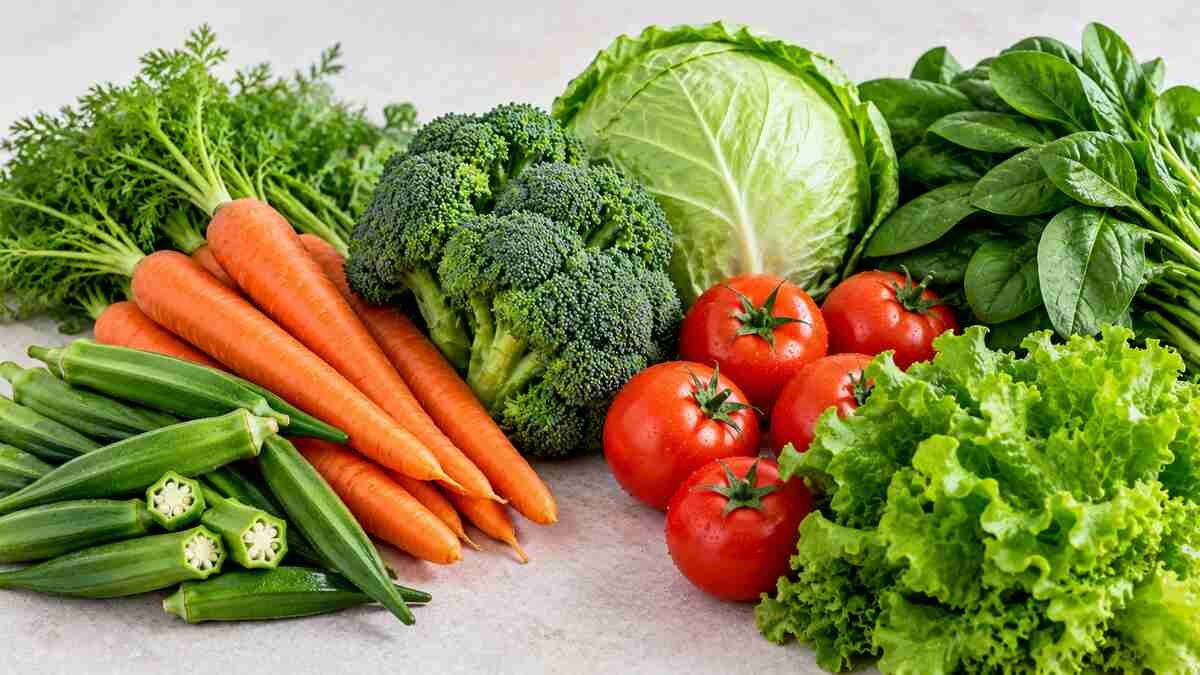

Vegetables can support healthy cholesterol as part of a balanced eating pattern, especially when they provide soluble fiber or take the place of foods high in saturated fat. If you are looking for vegetables that lower cholesterol, the most useful answer is that variety, fiber, and preparation matter more than any single food. Small, steady changes at the table can add up over time.
LDL cholesterol, often called “bad” cholesterol, can build up in artery walls and raise the risk of heart disease and stroke. Food choices are one of the main ways people can influence their numbers. The National Heart, Lung, and Blood Institute (NHLBI) describes a three-part approach in its Therapeutic Lifestyle Changes (TLC) program: eat less saturated fat, add soluble fiber, and include plant sterols and stanols.
No vegetable is a cure for high cholesterol, and none can replace treatment prescribed by a healthcare professional. This guide explains how vegetables can help, highlights 10 of the best vegetables for high cholesterol, and shows how to prepare them in heart-conscious ways. It also explains why vegetables for heart health work best alongside other lifestyle changes and, when needed, medical care.
Important: This article offers general education, not personal medical advice. Talk with your healthcare professional before changing any cholesterol treatment or medication.
Which vegetables support healthy cholesterol? Okra, carrots, Brussels sprouts, broccoli, green peas, and other vegetables can contribute to a cholesterol-conscious diet by providing fiber and essential nutrients. Their benefits are greatest as part of an overall eating pattern that includes soluble fiber, limits excess saturated fat, and emphasizes minimally processed plant foods. No single vegetable is a cure for high cholesterol.
How Do Vegetables Affect Cholesterol Levels?
Vegetables influence cholesterol in several ways, and some are more direct than others. Understanding the difference helps you set realistic expectations.
Soluble fiber. This type of fiber forms a gel in the digestive tract. According to the NHLBI, soluble fiber helps block cholesterol and fats from being absorbed into the bloodstream, which can help lower LDL cholesterol.
Food replacement. When vegetables replace meals built around fatty meats, butter, or fried foods, saturated fat intake often falls. The American Heart Association (AHA) 2026 dietary guidance emphasizes choosing foods with unsaturated fat over foods with saturated fat.
Overall diet quality. The same AHA guidance recommends eating plenty of vegetables and fruits and choosing a wide variety. A plant-rich pattern tends to supply fiber, potassium, and other nutrients that support heart health.
Weight management. Vegetables add volume to meals with relatively few calories. This can help people who need to lose or maintain weight, which is also linked to healthier cholesterol numbers.
Keep in mind that not every vegetable is high in soluble fiber. The AHA also stresses that dietary patterns matter more than single foods, so think of vegetables as one part of a larger picture.
10 Vegetables That Can Support Healthy Cholesterol
The vegetables below can all fit into a cholesterol-conscious diet. They are not listed as treatments, and the effects of individual vegetables vary. Rotating among them is more useful than relying on one.
1. Okra
Okra contains soluble fiber, including the mucilage that gives it a slightly slippery texture when cooked. Fiber-rich eating patterns can help manage LDL cholesterol, but evidence for okra as a standalone cholesterol treatment is limited.
Enjoy okra for what it adds to a varied diet. Lightly cooked okra works well in vegetable curries, soups, and stews. Roasting or sautéing it with a small amount of olive oil can also reduce the sliminess some people dislike.
2. Eggplant
Eggplant provides fiber and fits easily into a heart-conscious diet. Its value depends partly on how you cook it, because eggplant can absorb a large amount of oil.
Roasting, grilling, or baking slices with a modest amount of unsaturated oil, such as olive oil, is usually a better choice than deep frying. Eggplant pairs well with tomatoes, beans, and whole grains in dishes like ratatouille or grilled vegetable bowls.
3. Broccoli
Broccoli supplies fiber, vitamin C, and other plant compounds. It is a good example of a vegetable that supports a healthy dietary pattern without being a proven standalone LDL-lowering food.
Steaming or roasting keeps broccoli flavorful without much added fat. To learn more about this vegetable family, see our guide to cruciferous vegetables and our overview of the health benefits of broccoli.
4. Brussels Sprouts
Brussels sprouts are cruciferous vegetables that provide both soluble and insoluble fiber. The NHLBI’s TLC guide lists them among vegetables that offer soluble fiber.
Steam or roast them instead of routinely adding large amounts of butter or fatty sauces. A drizzle of olive oil, a squeeze of lemon, and a little pepper go a long way. Frozen Brussels sprouts are a convenient option out of season.
5. Carrots
Carrots provide fiber, including some soluble fiber (pectin), along with beta-carotene. They are a useful part of a balanced diet.
The amount of soluble fiber in an ordinary serving is relatively modest, so carrots work best alongside other fiber-rich foods. Enjoy them raw as a snack, roasted as a side dish, or simmered in soups and stews.
6. Leafy Greens
Spinach, kale, amaranth leaves, collard greens, and other leafy vegetables add nutrients and very few calories to meals. They contribute to overall diet quality and heart health, though leafy greens alone should not be expected to produce a large drop in LDL cholesterol.
Add them to soups, dals, omelets, and smoothies. Our guides to the health benefits of spinach and leafy greens and heart health go deeper.
7. Green Peas
Green peas provide fiber and plant protein. In everyday cooking they are treated as a vegetable, but nutritionally and botanically they are also legumes.
Their fiber can contribute to a broader cholesterol-conscious eating pattern. Stir peas into rice dishes, pasta, soups, and stir-fries, or mash them into a spread. Frozen peas are an inexpensive, year-round choice.
8. Sweet Potatoes
Sweet potatoes offer fiber and beta-carotene, especially when you keep the edible skin. They are a good swap for refined starches or fried side dishes.
Baked, steamed, or boiled sweet potatoes are better everyday choices than deep-fried versions. There is no special, proven LDL-lowering effect, but they can make a fiber-rich meal more satisfying. See our article on the health benefits of sweet potatoes.
9. Cabbage
Cabbage provides fiber and is affordable, which makes it easy to eat often. It works in soups, salads, slaws, stir-fries, and curries.
Rather than assigning cabbage a unique cholesterol-lowering property, think of it as an easy way to increase vegetable variety and volume in meals. Choose vinegar-based or yogurt-based dressings over heavy creamy ones when possible.
10. Tomatoes
Tomatoes contribute fiber, potassium, and lycopene. They can support a healthy dietary pattern, especially in vegetable-rich meals prepared with unsaturated oils.
Use them fresh in salads, roasted with olive oil, or simmered into sauces with beans and vegetables. Tomatoes are a helpful addition to a heart-conscious diet, but they are not a substitute for evidence-based cholesterol management.
Which Vegetables Have the Most Cholesterol-Friendly Fiber?
If your goal is to support LDL levels, soluble fiber is more directly relevant than simply counting how many vegetables you eat. Many high-fiber vegetables contain a mix of soluble and insoluble fiber, and only the soluble portion forms the gel linked to reduced cholesterol absorption.
| Vegetable | Fiber-related takeaway |
|---|---|
| Brussels sprouts | Provide both soluble and insoluble fiber |
| Okra | Contains soluble fiber and mucilage |
| Carrots | Provide a modest amount of soluble fiber |
| Broccoli | Contributes total dietary fiber |
| Green peas | Provide fiber alongside plant protein |
Exact amounts depend on portion size and preparation. Vegetables are only one source. Oats, barley, beans, lentils, and certain fruits such as apples, pears, and citrus can provide additional soluble fiber, as the NHLBI notes for foods like fruits, beans, and oats.
These are also helpful foods that lower bad cholesterol when they replace foods high in saturated fat. For more on beans and lentils, read our guide to the health benefits of legumes. If you are increasing fiber, do it gradually and drink enough water to limit gas and bloating.
How to Prepare Vegetables for a Heart-Healthy Diet
How you cook vegetables can change how well they fit your goals. A few simple habits make a difference:
- Choose gentle cooking methods. Steam, roast, boil, or lightly sauté vegetables according to your preference.
- Use unsaturated oils in modest amounts. Olive or canola oil are common options.
- Limit heavy add-ons. Large amounts of butter, cream, and coconut oil can substantially increase saturated fat.
- Go easy on salt. The AHA 2026 guidance puts more emphasis on choosing low-sodium foods and preparing foods with minimal or no salt.
- Pair vegetables with other fiber and protein sources. Beans, lentils, whole grains, and nuts make meals more filling.
- Use fresh, frozen, or canned. All can work. Choose canned vegetables labeled low sodium or no salt added, and see our article on whether frozen vegetables are as healthy as fresh.
Sustainable habits beat strict rules. If you are not sure how much to aim for, our guide on how many vegetables you should eat a day offers practical targets, and how to eat more vegetables has easy ideas.
Vegetables Alone May Not Be Enough to Lower High Cholesterol
Vegetables are a helpful tool, but cholesterol management usually involves several changes at once. If you want to know how to lower cholesterol naturally, these are the main building blocks:
- Replace saturated fat with unsaturated fat.
- Increase soluble fiber from vegetables, legumes, oats, barley, and other suitable foods.
- Stay physically active and maintain a healthy weight when appropriate.
- Avoid tobacco and address other cardiovascular risk factors, such as high blood pressure and diabetes.
- Take prescribed cholesterol medication when your clinician recommends it.
Diet can improve cholesterol levels, but the response varies from person to person. People with very high LDL cholesterol, inherited cholesterol conditions, or established cardiovascular disease may need medication alongside lifestyle changes. The American Heart Association describes lifestyle change as the foundation of care, with medical treatment added when needed.
Recent U.S. cholesterol guidelines also move toward personalized goals and more treatment options beyond statins. To understand the numbers on your lab report, see our explainers on LDL vs. HDL cholesterol and high cholesterol.
Frequently Asked Questions About Vegetables and Cholesterol
What vegetables are best for high cholesterol?
Okra, Brussels sprouts, carrots, broccoli, peas, and other vegetables can contribute to a heart-healthy diet. Prioritize variety and fiber-rich foods rather than relying on one vegetable to lower cholesterol. The NHLBI recommends increasing soluble fiber as part of its TLC approach.
Can vegetables lower LDL cholesterol?
Vegetables can help support healthy LDL levels, particularly within a diet rich in soluble fiber and low in excess saturated fat. The effect depends on the overall diet, individual factors, and which foods the vegetables replace.
Is okra good for cholesterol?
Okra provides fiber and can be part of a cholesterol-conscious diet. However, evidence is insufficient to treat okra as a standalone cholesterol-lowering therapy.
Are raw or cooked vegetables better for cholesterol?
Both can contribute to a healthy diet. Choose preparation methods that preserve variety and make vegetables enjoyable while limiting excess saturated fat, added salt, and heavy sauces.
How long does it take for diet changes to affect cholesterol?
Cholesterol responses vary. Clinicians often reassess lipid levels after a period of dietary or medication changes, commonly within several weeks to a few months, depending on the individual’s circumstances. High cholesterol usually has no symptoms, so do not rely on how you feel to judge your levels.
Can vegetables replace cholesterol medication?
No. Vegetables support healthy eating but are not a substitute for prescribed medication. Anyone considering changing or stopping cholesterol medication should discuss it with their healthcare professional first.
Conclusion
Vegetables can support healthy cholesterol when they add soluble fiber, replace foods high in saturated fat, and make your overall diet more varied. The best approach to vegetables cholesterol goals is practical: eat a range of vegetables, increase fiber gradually, and choose heart-conscious cooking methods.
Think of vegetables for heart health as one piece of a bigger plan that may include exercise, weight management, and medication. If your cholesterol is elevated, work with a healthcare professional to build a plan that fits your needs.
For related reading, explore our best vegetables for heart health guide.
Sources
- National Heart, Lung, and Blood Institute. Therapeutic Lifestyle Changes to Lower Cholesterol
- National Heart, Lung, and Blood Institute. Your Guide to Lowering Your Cholesterol With TLC
- American Heart Association. Prevention and Treatment of High Cholesterol
- American Heart Association. 2026 Dietary Guidance to Improve Cardiovascular Health
- American Heart Association. Top Things to Know: 2026 Dietary Guidance to Improve Cardiovascular Health
- American Heart Association. 2026 dietary guidance news release (EurekAlert)
- UT Southwestern Medical Center. New cholesterol guidelines: Preventing heart disease by starting earlier in life
Medical Disclaimer: This article is for general information and education only. It is not medical advice and does not diagnose, treat, or prevent any condition. Cholesterol needs differ from person to person, so please talk with your doctor or another qualified healthcare professional before changing your diet, supplements, or medications. If you think you may have a medical emergency, call 911 or your local emergency number.