
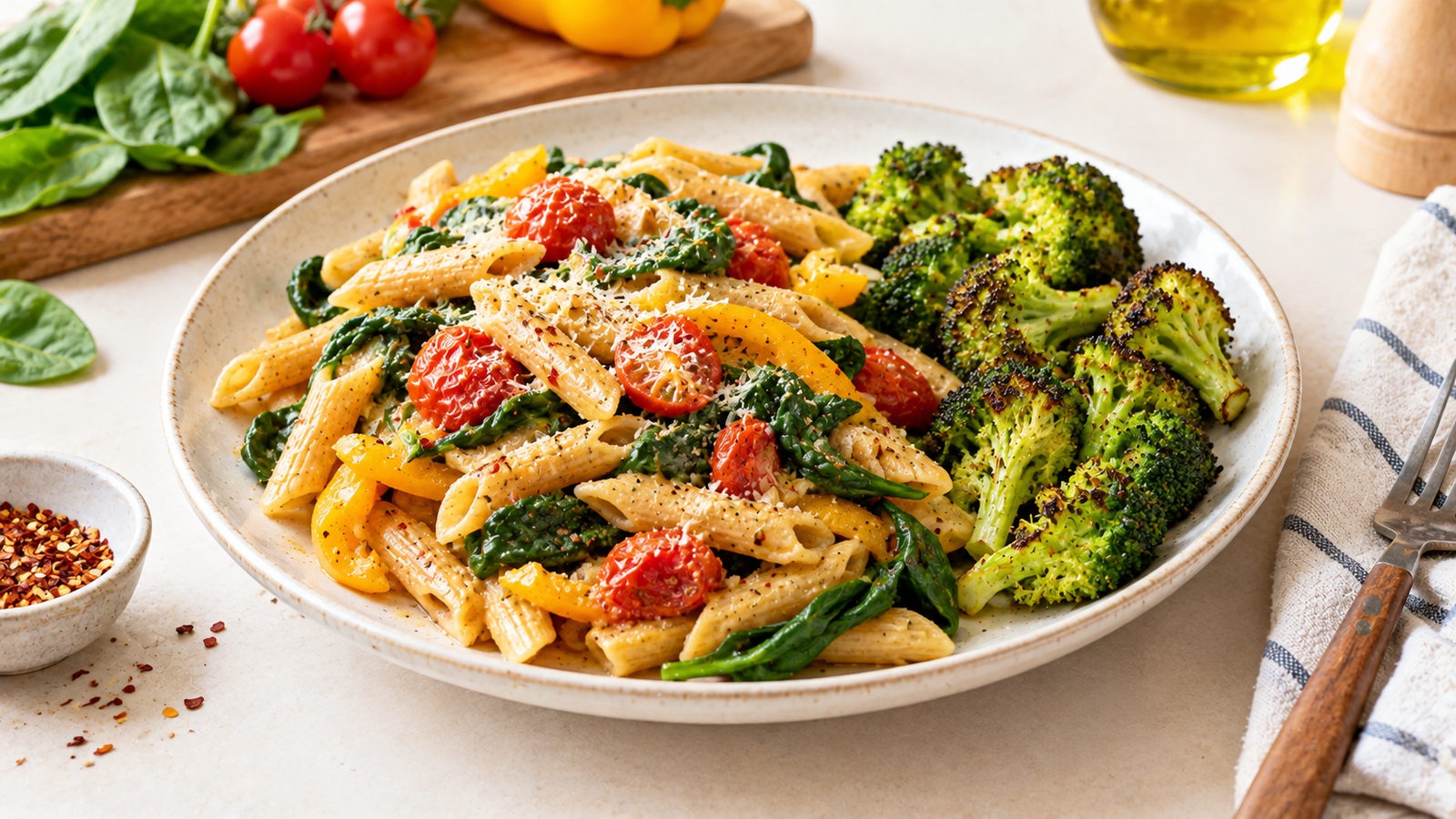

If you know vegetables are good for you but struggle to eat enough of them, you are far from alone. Learning how to eat more vegetables does not mean forcing down plain salads or giving up the foods you enjoy. It means starting with meals you already like, making vegetables taste better, and using convenient ingredients that fit a busy week.
The gap between advice and daily habits is large. According to the Centers for Disease Control and Prevention (CDC), only about 1 in 10 U.S. adults met fruit and vegetable intake recommendations in 2015, and fewer than 10% met the vegetable recommendation specifically. Time, cost, taste, and habit are common obstacles, and each one has a practical fix.
This guide covers why vegetables matter, ten simple ways to eat more of them, flavor tricks, tips for picky eaters, meal-by-meal ideas, and how fresh, frozen, and canned options compare. You will also find common mistakes to avoid and answers to frequently asked questions. The information is general and educational, and it does not replace advice from your clinician or a registered dietitian.
Why Eating Vegetables Matters
Vegetables supply fiber, vitamins, minerals, and plant compounds, usually with relatively few calories. The World Health Organization recommends at least 400 grams (about five portions) of fruits and vegetables per day for adults, excluding starchy roots such as potatoes and cassava. That target covers fruits and vegetables combined, and needs vary with age, calorie needs, and health conditions.
In the United States, MyPlate gives daily vegetable targets in cups based on age, sex, and activity level. One cup of raw or cooked vegetables, or two cups of raw leafy greens, generally counts as one cup. For a full look at the evidence, see our guide to the benefits of eating vegetables daily, and for nutrient examples, see these nutrient-dense foods.
Fiber is one reason vegetables help digestion, and you can find more fiber options in our list of high-fiber foods. Vegetables are also a core part of a balanced diet. No vegetable is a cure-all, and eating vegetables is not a guaranteed way to lose weight or avoid disease, but it is a dependable way to improve overall diet quality.
Practical Ways to Eat More Vegetables
Small, repeatable changes work better than overhauling your diet overnight. Choose two or three of these ideas to start, then add more as they become routine.
1. Add Vegetables to Foods You Already Eat
The easiest change is to put vegetables into familiar dishes. Stir spinach into scrambled eggs, add grated carrots to pasta sauce, or fold peppers and onions into omelets. You still get the meal you enjoy, with more volume and fiber.
2. Build Meals Around the Plate Method
MyPlate suggests making about half your plate fruits and vegetables. Start with the vegetables when you serve yourself, then add protein and grains. This approach changes the default portion without any counting.
3. Keep Vegetables Visible and Ready
Washed, cut vegetables are far more likely to be eaten than a whole head of broccoli in the back of the refrigerator. Prep a container of carrot sticks, cucumber slices, or bell pepper strips on the weekend. Store them at eye level.
4. Use Frozen Vegetables Freely
Frozen vegetables require no washing or chopping and keep for months. Toss a handful into soups, rice dishes, noodles, or curries without extra prep. Our section on frozen and canned options below covers what to look for.
5. Swap Part of the Starch for Vegetables
Replace some of the rice, pasta, or noodles with cauliflower rice, zucchini noodles, or shredded cabbage, or simply use half as much starch and double the vegetables. Partial swaps are often easier to accept than complete replacements.
6. Blend Vegetables Into Soups, Sauces, and Smoothies
Blended soups and sauces are an easy way to use up vegetables, and a handful of spinach in a smoothie is barely noticeable. Smoothies are a helpful addition, but whole vegetables also provide chewing and fiber, so they should not be the only source.
7. Snack on Vegetables With a Dip
Hummus, yogurt-based dips, guacamole, and peanut butter all pair well with raw vegetables. The dip adds flavor and some protein or healthy fat, which many people find more satisfying. Our guide to healthy fats can help you choose.
8. Add a Vegetable to Every Lunch and Dinner
Make it a simple rule: one vegetable at each main meal, even if it is small. A side of sauteed greens, a few tomato slices on a sandwich, or a bowl of vegetable soup all count. Consistency matters more than perfection.
9. Try Seasonal and Local Produce
Produce in season is often cheaper and tastes better. Farmers markets and grocery store specials can introduce you to new options. Trying one unfamiliar vegetable a week widens your range gradually.
10. Plan One Vegetable-Forward Meal a Week
Pick one night for a dish where vegetables are the star, such as a vegetable stir-fry, lentil and vegetable curry, or a big roasted vegetable tray with beans. You can build from there. For ideas, browse our list of healthy foods to include in your diet.
How to Make Vegetables Taste Better
Most people who say they dislike vegetables have had them plain, overcooked, or bland. Flavor is the most useful lever you have, and several techniques make a big difference.
Roast them. High heat browns the natural sugars in vegetables like broccoli, cauliflower, carrots, and Brussels sprouts, which gives them a sweeter, nuttier flavor than boiling or steaming.
Use fat and salt in moderation. A drizzle of olive oil carries flavor and helps your body absorb fat-soluble nutrients such as carotenoids. A light pinch of salt can reduce bitterness. Keep salt modest, since the WHO advises less than 5 grams of salt per day.
Add acid and aromatics. Lemon juice, lime, or a splash of vinegar brightens vegetables. Garlic, ginger, onion, and chilies add depth without many calories.
Use herbs and spices. Cumin, coriander, turmeric, paprika, black pepper, and fresh herbs such as cilantro or basil can turn plain vegetables into a dish you look forward to. Cooking traditions from many cuisines, including South Asian and Mediterranean ones, rely on exactly this approach.
Mind texture. Soggy vegetables put many people off. Cook until just tender, or keep some crunch with quick stir-frying or roasting. Some people prefer them raw, others cooked, so test both.
Pair with foods you love. A little cheese on roasted broccoli or a peanut sauce over steamed greens is better than skipping vegetables entirely.
Tips for Picky Eaters
Being selective about vegetables is common in both children and adults. Taste preferences can change with repeated, low-pressure exposure, so a vegetable rejected once may be accepted later. Avoid forcing or bribing, which can make mealtimes tense and reinforce dislike.
Here are approaches that tend to help:
- Offer small portions of a new vegetable alongside a familiar favorite.
- Serve the same vegetable in different forms: raw, roasted, blended, or with a dip.
- Let children or reluctant adults choose a vegetable at the store or help prepare it.
- Start with milder options such as carrots, corn, peas, cucumber, or sweet bell peppers.
- Blend vegetables into sauces and soups, while also serving some in recognizable form.
- Model the habit by eating vegetables yourself.
If a child refuses almost all vegetables or has sensory difficulties, or an adult has trouble tolerating many foods, a pediatrician or registered dietitian can help. Individual tolerance also matters. Some people find that certain vegetables cause gas or bloating, which is covered in the mistakes section below.
How to Add Vegetables to Every Meal
Thinking meal by meal makes the goal more concrete. These examples are ideas, not rules, and portions should match your own needs.
Breakfast. Add spinach, tomatoes, or mushrooms to eggs or an omelet. Stir grated zucchini or carrot into oatmeal or muffin batter, or serve a vegetable upma, poha, or paratha with mixed vegetables. Mushrooms are versatile, and our guide to mushroom health benefits has more details.
Lunch. Build sandwiches and wraps with lettuce, cucumber, tomato, and shredded cabbage. Pack a salad with beans or grilled protein, or choose a vegetable soup with whole grains. Leftover roasted vegetables make an easy grain bowl.
Dinner. Fill half the plate with vegetables, and add extra to stir-fries, curries, stews, and pasta. Cruciferous vegetables such as broccoli, cabbage, and cauliflower hold up well in cooked dishes, and many leafy green vegetables wilt into dals and soups in minutes.
Snacks. Keep cut vegetables and dips ready, roast chickpeas with spices, or have cherry tomatoes and cucumber slices with a handful of nuts. Our overview of pumpkin health benefits offers another seasonal idea.
If you are interested in a vegetable-rich overall pattern, the Mediterranean diet is one well-studied example.
Fresh vs. Frozen vs. Canned Vegetables
Fresh vegetables are not the only useful choice. The CDC and MyPlate both note that frozen and canned vegetables can be part of a healthy diet, which is helpful when fresh produce is expensive or spoils before you can use it.
- Fresh: Best flavor and texture when in season, but they spoil quickly and can cost more out of season.
- Frozen: Usually frozen soon after harvest, which helps preserve nutrients. Plain frozen vegetables are convenient and low-waste, so check labels for added sauces, butter, or salt.
- Canned: Shelf-stable and affordable. Choose no-salt-added or low-sodium versions, and drain and rinse regular canned vegetables, which can lower sodium.
Whichever you choose, handle fresh produce safely. The FDA recommends washing your hands, rinsing produce under running water, and keeping it separate from raw meat, poultry, and seafood. Refrigerate cut produce promptly.
Common Mistakes and Solutions
Most people stall for predictable reasons. Here are the main ones, with fixes.
Doing too much too fast. A sudden jump in fiber can cause gas, bloating, or changes in bowel habits. Add one extra serving at a time and drink water. If constipation is a concern, see these natural home remedies for constipation.
Relying only on salads. Not everyone enjoys salads. Soups, roasted trays, stir-fries, and blended dishes work just as well.
Overcooking. Boiling vegetables until soft makes them bland and can move water-soluble vitamins into the cooking water. Steam, roast, or stir-fry instead, or use the cooking liquid in soups.
Drowning vegetables in heavy toppings. Cream sauces, fried batter, and large amounts of cheese add calories and sodium. Use flavorful toppings in moderate amounts.
Relying on juice or supplements. Juice lacks most of the fiber of whole vegetables, and supplements do not replace them. Whole vegetables remain the better choice.
Ignoring medical needs. People taking warfarin should keep vitamin K intake consistent rather than avoiding leafy greens. People with kidney disease or digestive conditions may need individualized guidance, so ask a clinician or dietitian.
Buying more than you will use. Start with a few vegetables you know you will eat, then add variety. Frozen options reduce waste.
Frequently Asked Questions About How to Eat More Vegetables
What is the easiest way to eat more vegetables?
The easiest way is to add them to foods you already eat, such as eggs, sandwiches, soups, pasta, rice, and curries. Keeping frozen or pre-cut vegetables on hand removes much of the work. Start with one extra serving a day.
How many vegetables should I eat each day?
The WHO recommends at least 400 grams of fruits and vegetables combined for adults, and MyPlate gives daily cup targets that vary by age, sex, and activity. Your own needs may differ, so ask your clinician or dietitian if you have a medical condition.
How can I get my kids or picky eaters to eat vegetables?
Offer small portions repeatedly, without pressure, and serve vegetables in different forms. Letting them help choose or prepare the food can make a difference. Blending some into sauces is fine as long as you also offer recognizable vegetables.
Are frozen or canned vegetables as healthy as fresh?
Frozen vegetables are generally comparable to fresh in nutrition, and canned vegetables can also be a good option. Choose plain frozen vegetables and canned vegetables with no added salt, or rinse them. The CDC suggests choosing frozen or canned produce when it helps you eat more.
Can eating more vegetables help with weight management?
Vegetables can help because they add volume and fiber for relatively few calories, especially when they replace higher-calorie foods. They are not a standalone weight-loss solution, since sleep, activity, and overall eating patterns also matter. See our guide to weight management.
Why do vegetables cause gas or bloating?
Vegetables contain fiber and fermentable carbohydrates that gut bacteria break down, which can produce gas, especially when intake rises suddenly. Increasing portions gradually, cooking vegetables, and drinking enough water often help. If symptoms are severe or persistent, talk with a healthcare professional.
Conclusion: Start Small and Build the Habit
Learning how to eat more vegetables is less about willpower and more about making them convenient and tasty. Add them to meals you already like, season them well, keep frozen and canned options on hand, and increase intake at a comfortable pace. Fresh produce is helpful, but it is not the only way to get there.
This week, pick one idea from this guide and try it at one meal. Once it feels easy, add another, and keep building from there. For a broader look at wholesome eating, see our guide to what a healthy diet looks like.
Sources
- World Health Organization. Healthy diet fact sheet.
- Centers for Disease Control and Prevention. Only 1 in 10 Adults Get Enough Fruits or Vegetables.
- U.S. Department of Agriculture. MyPlate: Vegetables.
- U.S. Food and Drug Administration. Selecting and Serving Produce Safely.
- National Institutes of Health, Office of Dietary Supplements. Vitamin K fact sheet.
Medical Disclaimer: This article is for general educational purposes only and is not medical advice. It does not diagnose, treat, or prevent any condition, and it cannot replace guidance from a qualified healthcare professional who knows your health history. Always talk with your doctor or a registered dietitian before changing your diet, especially if you have a medical condition, take medications such as warfarin, or are pregnant. If you think you may have a medical emergency, call 911 or your local emergency number right away.
3 thoughts on “How to Get More Vegetables Into Your Diet (Without Hating Them)”
Comments are closed.