
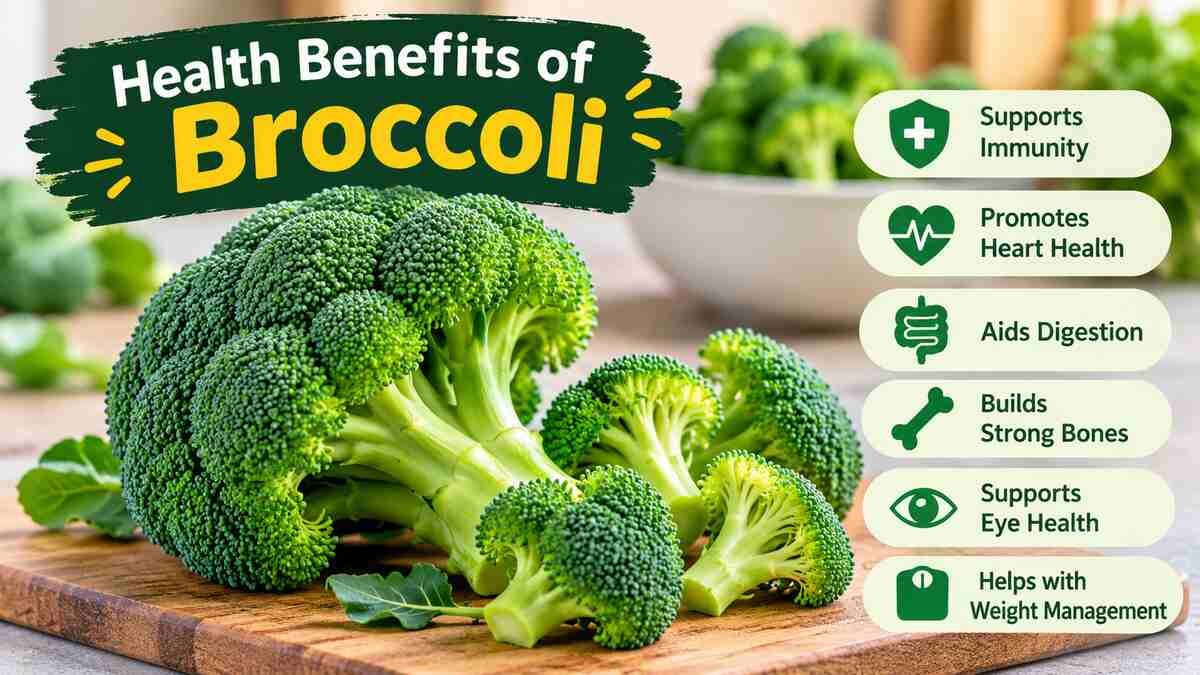

Broccoli is more than a green side dish. This cruciferous vegetable is packed with vitamin C, vitamin K, folate, fiber, potassium, and beneficial plant compounds, which is why nutrition experts so often recommend it. Eating broccoli regularly can support several aspects of health, from digestion to immune function, as part of a varied diet.
At the same time, it helps to keep expectations realistic. Broccoli is a nutritious food, not a miracle cure, and some of the more dramatic claims you may see online go beyond what research can show. This guide separates well-established nutrition facts from emerging science.
Below, you will find broccoli nutrition facts, eight science-informed benefits, a comparison of raw and cooked broccoli, practical ways to eat more of it, and answers to common questions about side effects. Our broader guide to cruciferous vegetables offers extra context on the whole vegetable family.
Broccoli Nutrition Facts
Broccoli is considered nutrient-dense because it supplies a lot of vitamins, minerals, and fiber for relatively few calories. Understanding what is in it makes the benefits easier to follow.
What nutrients are found in broccoli?
Broccoli provides a wide range of nutrients, including:
- Vitamin C
- Vitamin K
- Folate
- Dietary fiber
- Potassium
- Calcium
- Antioxidant compounds, including carotenoids
- Small amounts of protein
The National Cancer Institute describes cruciferous vegetables as rich in several carotenoids (including lutein and zeaxanthin), vitamins C, E, and K, folate, minerals, and fiber.
Broccoli nutrition per serving
The values below are approximate figures for raw broccoli, based on USDA FoodData Central food composition data. They can vary with serving weight and preparation.
| Nutrient | Raw broccoli, 1 cup chopped (91 g) |
|---|---|
| Calories | About 31 |
| Carbohydrates | About 6 g |
| Fiber | About 2.4 g |
| Protein | About 2.6 g |
| Vitamin C | About 81 mg |
| Vitamin K | About 92 mcg |
For context, the Daily Values are 90 mg for vitamin C and 120 mcg for vitamin K, so one cup of raw broccoli supplies a large share of both. Broccoli contains some protein but is not a complete or concentrated protein source, and no single serving meets every nutritional requirement.
Why is broccoli considered nutrient-dense?
Nutrient density means getting plenty of essential nutrients relative to calories. Broccoli delivers vitamins, minerals, and fiber while staying low in calories, which makes it an efficient addition to meals. For more examples, see our list of nutrient-dense foods.
8 Health Benefits of Broccoli
Quick answer: Broccoli provides vitamin C for immune function, fiber for digestion, vitamin K for blood clotting and bone metabolism, and antioxidant plant compounds. It is a helpful part of a balanced diet, but it does not prevent or treat disease on its own.
Each benefit below links back to the nutrient responsible, so you can see what is established and what is still being studied.
1. Supports a healthy immune system
Vitamin C plays a role in normal immune function, collagen formation, and wound healing, according to the NIH Office of Dietary Supplements. Broccoli is an excellent food source of this vitamin.
To be clear, eating broccoli contributes to immune health, but it does not prevent infections by itself. Sleep, vaccination, hygiene, and overall diet all matter too.
2. Promotes digestive health
Broccoli provides dietary fiber, which adds bulk to stool, supports regular bowel movements, and feeds beneficial gut bacteria. Fiber-rich vegetables are a useful part of healthy digestion. Our guides on high-fiber foods for digestive health and vegetables for gut health go deeper.
Broccoli can cause gas or bloating in some people, which is covered in the side effects section below.
3. May support heart health
The fiber and potassium in broccoli, along with a vegetable-rich eating pattern overall, can contribute to cardiovascular health. The benefit comes from the dietary pattern, not from broccoli alone.
Broccoli does not cure high cholesterol or high blood pressure. For more on heart-conscious produce, see our guide to the best vegetables for heart health.
4. Contributes to strong bones
Vitamin K helps with normal blood clotting and plays a role in bone metabolism, as described by the NIH Office of Dietary Supplements. Broccoli also contains some calcium.
Bone health depends on many factors, including calcium, vitamin D, physical activity, and genetics, so broccoli is one helpful piece rather than a complete solution.
5. Provides antioxidants and beneficial plant compounds
Broccoli contains vitamin C, carotenoids, and glucosinolates, sulfur-containing compounds that are broken down during chopping, chewing, and digestion into biologically active substances. One of the best known is sulforaphane. The NCI explains that these compounds have shown effects in cells and animals, while results in human studies have been mixed.
Researchers study these compounds in relation to oxidative stress and cellular processes, but this research is still developing. It is not accurate to say that broccoli prevents cancer. You can read more about antioxidants in our guide on what antioxidants are.
6. Supports healthy vision
Broccoli contains lutein and zeaxanthin, carotenoids that accumulate in the retina and are studied for their role in eye health. A varied diet rich in colorful vegetables supports eye health, but eating broccoli cannot guarantee that vision loss will be prevented.
7. May help with weight management
Broccoli is low in calories, contains fiber, and has high water content, so it can make meals more filling without adding many calories. This can help you build satisfying plates.
Weight management depends on overall eating habits, activity, and energy balance, not any single vegetable. Our guide to weight management covers the bigger picture.
8. Contributes to healthy blood sugar management
Fiber-rich, non-starchy vegetables fit well into balanced eating patterns that support blood glucose management. Broccoli is a good option, as discussed in our article on the best vegetables for diabetes.
Broccoli is not a treatment for diabetes and should never replace prescribed medication.
A note on cancer research: The National Cancer Institute reports mixed findings on cruciferous vegetables and cancer risk. Some studies have suggested lower risk for certain cancers, while others, including several large cohort studies, found little or no association. Higher vegetable intake in general may protect against some diseases, and people who eat more cruciferous vegetables may also have other healthy habits, which makes the data harder to interpret.
Is Raw Broccoli Healthier Than Cooked Broccoli?
Quick answer: Both are nutritious. Raw broccoli retains more vitamin C, while light cooking can make it easier to chew and digest. Steaming or briefly cooking broccoli is a practical way to keep most nutrients. The best method is the one that helps you eat broccoli regularly.
Benefits of eating raw broccoli
- Retains heat-sensitive nutrients such as vitamin C
- Keeps the enzyme myrosinase active, which helps form sulforaphane
- Offers a crunchy texture for salads and snacks
Benefits of cooked broccoli
- Can be easier to chew and digest
- May make some nutrients easier to absorb
- Works well in soups, stir-fries, and side dishes
What is the healthiest way to cook broccoli?
Steaming, microwaving, and roasting are all reasonable options. Prolonged boiling is the least favorable, because water-soluble vitamins such as vitamin C can leach into the cooking water, as the NIH notes about vitamin C and cooking.
Laboratory research suggests that heat can inactivate myrosinase, and that chopping broccoli and letting it rest for a short time before cooking may help sulforaphane form, as summarized in a report on a 2018 Journal of Agricultural and Food Chemistry study. It is not yet clear how much these differences matter for human health, so treat this as a small bonus, not a rule.
For a broader comparison, see our article on raw vs. cooked vegetables, and on whether frozen vegetables are healthy, since frozen broccoli is a convenient and nutritious option.
How to Eat More Broccoli in Your Daily Diet
Easy ways to add broccoli to meals
- Add steamed broccoli to rice or grain bowls
- Mix it into vegetable stir-fries
- Add chopped broccoli to omelets
- Include broccoli in soups and curries
- Roast broccoli with olive oil, garlic, and spices
- Use raw florets in salads or as a snack with a dip
If you need more ideas, our guide on how to eat more vegetables has simple strategies, and our article on how to wash and store vegetables helps you keep broccoli fresh.
How much broccoli should you eat?
There is no broccoli-specific daily requirement. What matters is your overall vegetable intake and variety. As a practical example, half a cup of cooked broccoli can count as one reasonable serving within a vegetable-rich diet. See our guide on how many vegetables a day to set a realistic target.
Possible Side Effects of Eating Broccoli
For most people, broccoli is a very safe food. A few points are worth knowing.
Can broccoli cause gas and bloating?
Yes, in some people. Broccoli contains fiber and fermentable carbohydrates that can produce gas. To ease this:
- Start with smaller portions
- Cook broccoli until tender
- Increase fiber gradually
- Drink enough fluids
Is broccoli safe for everyone?
Most people can enjoy broccoli as part of a balanced diet. People taking the blood thinner warfarin need to keep vitamin K intake consistent, since vitamin K can affect how the medication works, according to the NIH Office of Dietary Supplements. They should not make sudden major changes to their vegetable intake and should talk with their healthcare professional about their diet.
People with certain digestive conditions may tolerate different portions or preparation methods. Eating broccoli in ordinary food amounts is not a known cause of thyroid disease, and there is no reason to fear this vegetable.
Frequently Asked Questions About Broccoli
What are the main health benefits of broccoli?
Broccoli provides vitamin C for immune function, fiber for digestion, vitamin K for blood clotting and bone metabolism, and plant compounds that act as antioxidants. It also adds nutrients to meals without many calories. Its benefits come from regular inclusion in a varied diet.
Is it healthy to eat broccoli every day?
For most people, yes. Daily broccoli can be part of a healthy diet, but variety across different vegetables is important for getting a wide range of nutrients. People on warfarin should keep their intake consistent and speak with their healthcare professional.
Is raw broccoli better than cooked broccoli?
Both provide valuable nutrients. Raw broccoli keeps more vitamin C, while light cooking can improve texture and may help some nutrients absorb. The NIH notes that prolonged cooking can reduce vitamin C.
Does broccoli help with weight loss?
Broccoli is low in calories and contains fiber, so it can help meals feel more filling. Weight loss still depends on overall eating habits and energy balance, not on any single food.
Is broccoli high in protein?
Broccoli contains some protein, about 2.6 grams per cup of raw florets, but it is not a concentrated source. Pair it with beans, lentils, eggs, fish, or other protein-rich foods for a more complete meal.
What is the best way to cook broccoli?
Steaming or cooking it briefly until just tender is a practical choice for keeping nutrients. Roasting and stir-frying can also be nutritious, and they may help you enjoy broccoli more, which matters most.
Conclusion: Broccoli as Part of a Balanced Diet
Broccoli is a nutrient-dense cruciferous vegetable that provides vitamins, minerals, fiber, and beneficial plant compounds. These nutrients support several normal body functions, and the way you prepare broccoli can influence how many nutrients you keep.
Regularly including broccoli in a varied, balanced diet is a practical way to raise your vegetable intake. Try adding it to a few meals this week, and explore more of our vegetable benefits guides for additional ideas.
Sources
- National Cancer Institute. Cruciferous Vegetables and Cancer Prevention.
- NIH Office of Dietary Supplements. Vitamin C: Fact Sheet for Health Professionals.
- NIH Office of Dietary Supplements. Vitamin K: Fact Sheet for Health Professionals.
- U.S. Department of Agriculture. FoodData Central.
- ScienceAlert. Report on research into chopping and cooking broccoli (summary of a 2018 Journal of Agricultural and Food Chemistry study).
Medical Disclaimer: This article is for informational purposes only and is not a substitute for professional medical advice, diagnosis, or treatment. Talk with a qualified healthcare professional before making significant dietary changes, especially if you take blood-thinning medication such as warfarin, have a digestive condition, or follow a medically prescribed eating plan.