
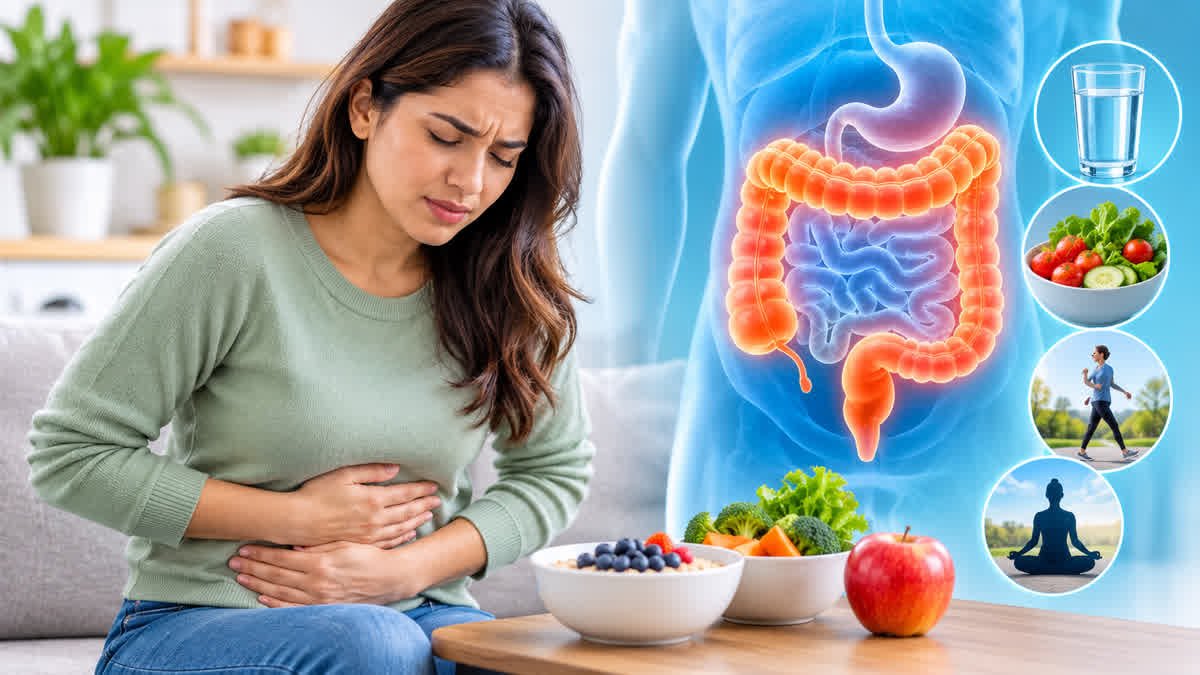

Imagine finishing lunch and feeling your stomach tighten, swell, and cramp within the hour. You are not sure if it was the meal, a stressful morning, or nothing at all. For many people with irritable bowel syndrome (IBS), this kind of uncertainty is a regular part of life.
IBS is a common digestive condition that can cause abdominal pain, bloating, constipation, diarrhea, or a mix of both. Because symptoms can be unpredictable, they may interfere with work, sleep, travel, and social plans. It is no surprise that many people look for simple ways to manage IBS at home.
There is no universal cure for IBS, and no single diet or remedy works for everyone. Still, several evidence-based strategies can help improve symptom control, including regular meals, trigger identification, hydration, physical activity, stress management, and good sleep. This guide explains how to manage IBS at home in a practical, realistic way, and when it is time to talk with a healthcare professional.
Quick Answer: How Can You Manage IBS at Home?
You can manage IBS at home by eating regular meals, identifying your personal food triggers, staying hydrated, exercising regularly, getting enough sleep, and managing stress. Gradually increasing soluble fiber may help some people with constipation, while a supervised low-FODMAP diet can help identify foods that trigger symptoms. The best approach depends on your symptoms and individual tolerance.
Understanding IBS and Its Common Symptoms
What Is Irritable Bowel Syndrome?
IBS is now widely described as a disorder of gut-brain interaction. This means the communication between the brain and the digestive system does not work as smoothly as it should, which can affect how the gut moves and how sensitive it is to normal sensations. You can read more about this in our guide to what causes irritable bowel syndrome.
IBS does not generally cause visible structural damage to the digestive tract, and it does not increase the risk of colorectal cancer. However, symptoms are real and can be disruptive. Severity varies widely from person to person, and symptoms often come and go. For background on prevalence, see how common IBS is.
Common IBS Symptoms
The most common symptoms of IBS include:
- Abdominal pain or cramping, often related to bowel movements
- Bloating and gas
- Constipation (often called IBS-C)
- Diarrhea (often called IBS-D)
- Alternating constipation and diarrhea (often called IBS-M)
- Changes in how often you go or how your stool looks
Our article on the early signs of IBS covers these in more detail. If you are not yet diagnosed, see how IBS is diagnosed before assuming your symptoms are IBS.
Why Managing IBS Requires a Personalized Approach
People with IBS do not all react to the same foods or habits. One person may feel worse after onions, while another has no problem with them but struggles with coffee. Symptoms can also change over time.
Strategies that help constipation may not help diarrhea, and the reverse is also true. For that reason, finding your own triggers and patterns is one of the most useful long-term steps. No single home remedy or diet works for everyone.
10 Practical Ways to Manage IBS at Home
The National Institute of Diabetes and Digestive and Kidney Diseases (NIDDK) and the NHS both describe diet and lifestyle changes as a first step for many people with IBS. These ten habits are a practical place to start.
1. Eat Smaller, Regular Meals
Try to eat at consistent times and avoid skipping meals. Very large portions can trigger cramping or urgency in some people. Chew slowly and give yourself enough time to eat without rushing.
2. Identify and Avoid Personal Food Triggers
Keep a food and symptom diary. Record what you eat, portion sizes, when symptoms appear, and how severe they are. Over a few weeks, patterns often become clear.
Avoid cutting out several food groups at once without professional advice. Unnecessary restrictions can affect nutrition and may not improve symptoms.
3. Drink Enough Water
Staying hydrated supports normal bowel function. It matters for people with constipation, because stools can become harder when fluids are low, and for people with diarrhea, because fluid is lost more quickly. Sip water throughout the day. If caffeinated drinks seem to worsen your symptoms, consider limiting them.
4. Increase Soluble Fiber Gradually
Soluble fiber, found in oats, psyllium, and some fruits, may help improve constipation in people with IBS. Add it slowly over a few weeks to reduce gas and bloating. Our guide to high-fiber foods for digestive health offers more ideas.
Be cautious with insoluble fiber such as wheat bran. In some people, it can make bloating and pain worse.
5. Exercise Regularly
Walking, cycling, swimming, and yoga are all reasonable options. Physical activity can support regular bowel movements and may ease stress. Start with a manageable level, such as a 10 to 15 minute daily walk, and build gradually. See our tips on walking for health.
6. Manage Stress and Anxiety
The gut and brain are closely linked, and stress can make symptoms feel stronger in many people. Breathing exercises, relaxation techniques, mindfulness, and enjoyable hobbies may help. Our guide on how to reduce stress can help you get started.
7. Get Enough Sleep
Poor sleep and stress often feed each other, and both can affect digestion. Keep a consistent sleep schedule and limit screen time before bed. For practical advice, see how to improve sleep.
8. Reduce Excessive Caffeine and Alcohol
Caffeine and alcohol can irritate the gut or speed up bowel movements in some people. Not everyone is affected. Pay attention to your own tolerance and adjust accordingly.
9. Avoid Eating Too Quickly
Eating fast can cause you to swallow extra air, which may add to gas and bloating. Take your time and chew food well. If chewing gum or drinking through straws increases your gas, consider cutting back.
10. Track Your Symptoms
A daily symptom journal can show how your bowel habits, pain, and bloating change over time. Note stool patterns, stress levels, and any new medications. Bring this information to medical appointments, since it can help your clinician tailor treatment. Learn about IBS treatment options your provider may discuss.
What Should You Eat If You Have IBS?
Choosing foods that suit your digestive system may reduce discomfort, but tolerance differs from person to person. Even foods that are generally well tolerated can cause symptoms if portions are large. The NIDDK guidance on eating, diet, and nutrition for IBS is a helpful starting point. Our overview of what makes up a healthy diet may also help you keep meals balanced.
Foods That May Be Easier to Tolerate
Many people with IBS find these options comfortable, depending on portion size and personal tolerance:
- Oatmeal and other soluble-fiber foods
- Rice and potatoes
- Eggs
- Fish and lean poultry
- Lactose-free milk or suitable dairy alternatives
- Certain fruits, such as oranges, strawberries, and kiwi
- Well-tolerated vegetables
Some people also find that the DASH diet fits well with IBS, though this varies.
Foods That May Trigger IBS Symptoms
Some foods are common triggers, but none is bad for everyone. Foods that often cause problems include:
- Onions and garlic
- Beans and lentils
- Dairy products containing lactose
- Apples and pears
- Wheat-based products
- Carbonated drinks
- High-fat and fried foods
- Products containing sugar alcohols such as sorbitol and mannitol
Note that some healthy foods, such as certain cruciferous vegetables, may cause gas in some people but are well tolerated by others. Portion size and preparation often matter.
Why Keeping a Food Diary Helps
A food diary helps you spot recurring reactions, track portion sizes, and avoid cutting out foods you tolerate well. Over time, it shows your own tolerance levels and keeps your diet as varied as possible.
Can the Low-FODMAP Diet Help Manage IBS at Home?
The low-FODMAP diet is one of the most studied dietary approaches for IBS, and it is recommended in guidelines such as those from the British Society of Gastroenterology for people whose symptoms do not improve with general dietary advice. It is best done with guidance from a registered dietitian.
What Are FODMAPs?
FODMAPs are types of fermentable carbohydrates that may be poorly absorbed in the small intestine. In sensitive people, they can contribute to gas, bloating, abdominal pain, and changes in bowel movements. The name stands for:
- Fermentable Oligosaccharides
- Disaccharides
- Monosaccharides
- And Polyols
The Three Stages of the Low-FODMAP Diet
Monash University, which developed the diet, describes three stages:
- Restriction: High-FODMAP foods are temporarily replaced with suitable alternatives, generally for 2 to 6 weeks.
- Reintroduction: FODMAP groups are added back one at a time to learn which foods and amounts trigger symptoms.
- Personalization: You build a balanced, less restrictive long-term diet based on your own tolerance.
Is the Low-FODMAP Diet Safe for Long-Term Use?
The strict first stage is not meant to last indefinitely. Staying on a highly restrictive diet may reduce nutritional variety and could affect the gut microbiome. For this reason, a registered dietitian familiar with IBS can help you follow the stages safely and keep your nutrition balanced. Please do not start a highly restrictive diet without proper guidance.
How to Manage IBS Constipation at Home
If your main symptom is constipation (IBS-C), these steps may help. For general tips, see our guide on natural home remedies for constipation.
Increase Soluble Fiber Gradually
Psyllium and oats are common choices. Increase the amount slowly to avoid extra gas and bloating, and avoid suddenly adding large amounts of bran. Drinking fluids with fiber is important.
Stay Hydrated
Fluids help keep stools softer and easier to pass. Aim for regular water intake across the day.
Build a Regular Bathroom Routine
Respond to the urge to go when you feel it, and allow enough time without rushing. Some people find a small footstool helps support a more comfortable toilet position.
Stay Physically Active
Walking and other moderate activities may support bowel regularity. Even short, regular sessions can help.
Laxatives should not be used as routine self-treatment without medical advice.
How to Manage IBS Diarrhea at Home
If diarrhea is your main symptom (IBS-D), these strategies may help.
Replace Lost Fluids
Drink enough water throughout the day. If you have significant fluid loss, an oral rehydration solution may be appropriate, though you should seek medical advice if diarrhea is severe or lasts for several days.
Identify Food and Drink Triggers
Caffeine, alcohol, and high-fat meals can worsen diarrhea for some people. Notice which of these affects you, and keep track of other personal triggers.
Eat Regular, Balanced Meals
Avoid skipping meals. If large meals worsen symptoms, try smaller portions of foods you already tolerate well.
Monitor Symptoms
Track how often you go, what your stool looks like, and what might have triggered it. Persistent or severe diarrhea needs a medical evaluation rather than long-term home management.
Natural Home Remedies for IBS: What May Help?
Some home approaches have better evidence than others. None should be viewed as a cure.
Peppermint Oil
Enteric-coated peppermint oil may help some people with abdominal pain and overall IBS symptoms, according to guidelines such as those from the British Society of Gastroenterology. It can cause heartburn or reflux in some people, so discuss it with a healthcare professional first.
Gentle Heat for Abdominal Cramps
A warm compress or heating pad may offer temporary comfort. Place a cloth between the heat source and your skin, use a low setting, and do not fall asleep with it on to avoid burns.
Relaxation and Deep Breathing
Slow breathing and relaxation exercises may reduce stress-related aggravation of symptoms. They are low-risk and can be practiced almost anywhere.
Probiotics
Evidence for probiotics in IBS varies by strain and product, and not all probiotics work. If you want to try one, talk with a healthcare professional about what to choose and how long to try it. Learn more in our guide to probiotics.
Herbal teas and supplements should not be treated as proven cures, and some can interact with medications.
How to Manage an IBS Flare-Up at Home
During an IBS Flare-Up
When symptoms flare, simple steps may bring some relief:
- Eat smaller, familiar meals
- Drink enough fluids
- Temporarily avoid foods you already know trigger symptoms
- Try gentle walking if you feel up to it
- Use a warm compress for abdominal discomfort
- Practice slow breathing and relaxation
- Allow time for rest
For more general ideas, see our guide on how to relieve abdominal pain at home.
What Not to Do During a Flare-Up
- Do not start an extreme elimination diet.
- Do not suddenly increase fiber intake.
- Do not take several supplements together without checking their safety.
- Do not ignore severe or unusual symptoms.
When Home Management Is Not Enough
Severe, persistent, or changing symptoms need medical assessment. If pain is intense or sudden, read when abdominal pain is an emergency.
When Should You See a Doctor About IBS?
Home management can support symptom control, but it does not replace medical evaluation. A clinician can confirm that your symptoms are IBS and rule out other conditions with similar symptoms.
Symptoms That Need Medical Attention
See a healthcare professional if you have:
- Persistent abdominal pain
- Frequent diarrhea or constipation
- Symptoms that interfere with daily activities
- Unexplained changes in bowel habits
- Symptoms that do not improve with basic lifestyle changes
Warning Signs You Should Never Ignore
The following features should not automatically be blamed on IBS and need prompt medical evaluation, as noted by NICE guidance:
- Blood in the stool
- Unexplained weight loss
- Iron-deficiency anemia
- Persistent or severe abdominal pain
- Fever with digestive symptoms
- New bowel symptoms later in life
- A family history of colorectal cancer or inflammatory bowel disease
Frequently Asked Questions About Managing IBS at Home
Can IBS Be Managed at Home Without Medication?
Many people improve symptom control with dietary and lifestyle changes, such as regular meals, trigger management, exercise, and stress reduction. Some people still need medication or professional support. NIDDK lists lifestyle changes as a first step before or alongside medical treatment.
What Helps IBS Symptoms Quickly?
There is no instant fix, but some steps can bring short-term comfort. These include avoiding your known triggers, gentle movement, staying hydrated, slow breathing, and applying warmth to the abdomen.
What Is the Best Drink for IBS?
Water is a good everyday choice. Some people tolerate non-caffeinated herbal drinks, while carbonated and caffeinated beverages may worsen symptoms. Pay attention to how your body responds.
Does Walking Help IBS?
Regular physical activity, including walking, may support bowel function and overall symptom management. NICE guidance recommends that people with IBS be encouraged to be physically active. Start slowly and build up at a comfortable pace.
Can Stress Make IBS Worse?
Yes, for many people. Stress can influence gut-brain communication and may increase pain, urgency, or other symptoms. Stress does not cause IBS on its own, but managing it can help. See our guide on IBS risk factors.
How Can I Reduce IBS Bloating Naturally?
Start by identifying trigger foods, eating slowly, and keeping an eye on portion sizes. Limiting carbonated drinks may help too. If bloating is new, severe, or persistent, check with a healthcare professional.
Can IBS Go Away Permanently?
IBS is a chronic condition for many people, but symptoms can improve a great deal and often fluctuate over time. With the right strategies, many people reach long periods with few symptoms. Ongoing care with your clinician can help.
Final Thoughts: Building a Daily Routine to Manage IBS
Managing IBS is highly individual. Balanced eating, hydration, regular physical activity, stress management, and enough sleep form a strong foundation. Focus on identifying your own triggers rather than following unnecessarily restrictive diets.
If symptoms persist or worsen, seek professional guidance. Small, steady changes can improve digestive comfort and quality of life over time. For more ideas, explore our guide on how to improve gut health.
Sources
- National Institute of Diabetes and Digestive and Kidney Diseases (NIDDK). Treatment for Irritable Bowel Syndrome
- NIDDK. Eating, Diet, and Nutrition for Irritable Bowel Syndrome
- Monash University. Starting the Low-FODMAP Diet
- NHS. Irritable Bowel Syndrome (IBS): Diet, Lifestyle and Medicines
- British Society of Gastroenterology. Guidelines on the Management of Irritable Bowel Syndrome
- NICE. Irritable Bowel Syndrome in Adults: Diagnosis and Management
Medical Disclaimer: This article is for general information and education only. It is not medical advice and does not replace care from a qualified healthcare professional. Do not use it to diagnose or treat any condition. Always talk with your doctor or a registered dietitian before changing your diet, starting supplements, or trying new treatments, and seek urgent care if you have severe or worrying symptoms.