
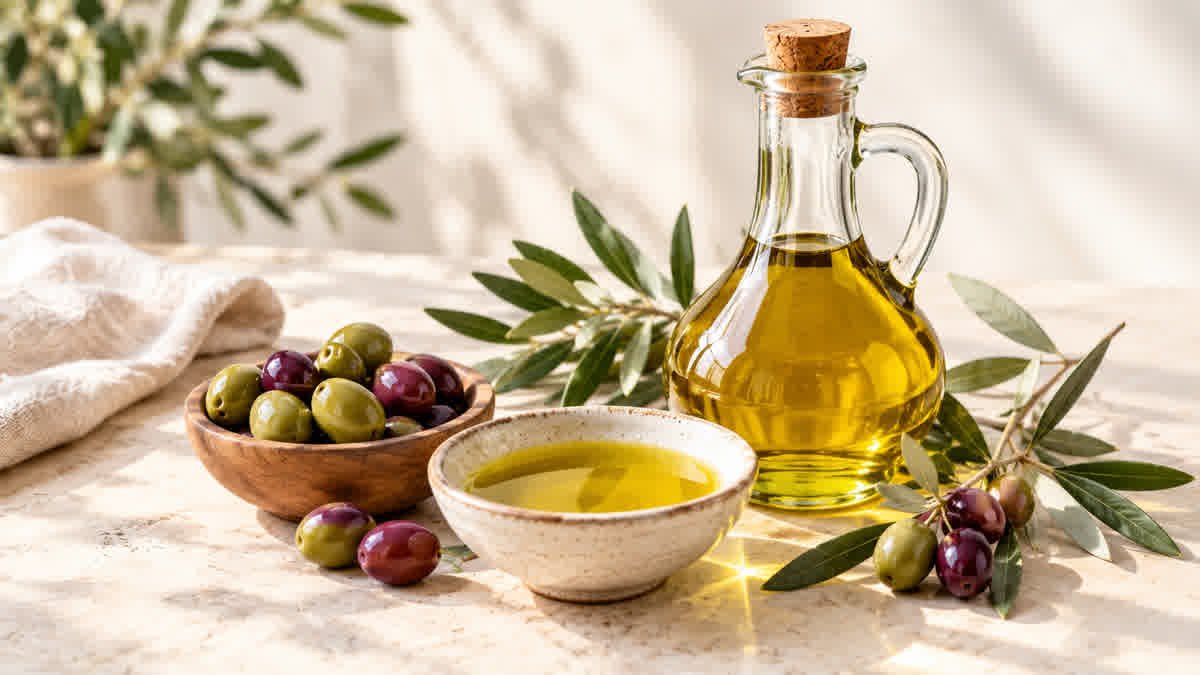

Olive oil is a staple of many healthy eating patterns, particularly the Mediterranean diet. It provides monounsaturated fat and, depending on the type and processing method, beneficial plant compounds such as polyphenols. Because it is used so widely in kitchens around the world, it is also one of the most studied dietary fats.
Research suggests that replacing some saturated fats with unsaturated fats can support cardiovascular health. The American Heart Association has published an advisory on the topic, and olive oil is one practical way to make that swap. Evidence for other claimed benefits, such as better skin or lower inflammation, is more mixed and often comes from studies of whole dietary patterns rather than the oil alone.
This guide explains what olive oil is, what is in it, and what the research does and does not show. You will also learn how extra-virgin olive oil differs from regular olive oil, how much to use, how to cook with it and store it, and who should take extra care. No single food can prevent disease, but understanding olive oil can help you make informed choices.
What Is Olive Oil?
Olive oil is a liquid fat extracted from the fruit of the olive tree. It is valued for its flavor and for its fatty acid profile, and it is widely used for dressings, sautéing, roasting, and finishing dishes. How it is made has a real effect on what ends up in the bottle.
How Olive Oil Is Made
Producers crush olives into a paste and then separate the oil from the water and solids, usually with mechanical methods such as pressing or centrifugation. Mechanical extraction helps preserve the oil’s natural composition. Refining, by contrast, uses additional processing steps that change flavor, aroma, and the concentration of some minor compounds.
Other factors also matter. Olive variety, growing conditions, harvest timing, and storage can all influence an oil’s composition, which is why two bottles with the same label can taste and perform differently.
What Makes Olive Oil Different From Other Cooking Oils?
Olive oil contains a high proportion of oleic acid, a monounsaturated fatty acid. Extra-virgin olive oil also contains variable amounts of phenolic compounds and other naturally occurring substances that give it a peppery or slightly bitter taste.
Other cooking oils have their own strengths. Canola, avocado, and sunflower oils, for example, have different fatty acid profiles and may suit certain cooking methods or dietary needs. No oil is universally superior for every purpose, but olive oil stands out for its long track record within Mediterranean-style eating. For more everyday options, browse these healthy foods.
Olive Oil Nutrition Facts
Olive oil is almost entirely fat, so it is energy-dense. It contains no protein, carbohydrates, or fiber, and it is not a significant source of most vitamins and minerals.
Calories and Fat Content
The table below shows approximate values for one tablespoon (15 mL) of olive oil. Values are approximate and vary slightly by product and database.
| Nutrient | Approximate Amount |
|---|---|
| Calories | 119 |
| Total fat | 13.5 g |
| Monounsaturated fat | 9.8 g |
| Saturated fat | 1.9 g |
| Polyunsaturated fat | 1.4 g |
| Protein | 0 g |
| Carbohydrates | 0 g |
Most of the fat is monounsaturated, and the saturated fat content is relatively low. That balance is the main reason olive oil is often recommended as a replacement for butter or other saturated-fat-rich fats. See the general guide to nutrition facts for help reading labels.
Important Compounds in Olive Oil
Several components contribute to olive oil’s nutritional profile:
- Oleic acid: The main monounsaturated fatty acid in olive oil.
- Polyphenols: Present in varying amounts, and especially in extra-virgin olive oil.
- Vitamin E: A fat-soluble antioxidant nutrient that contributes to normal cellular protection.
- Vitamin K: Present in relatively small amounts.
Olive oil adds flavor and healthy fat, but it is not a replacement for nutrient-dense foods such as vegetables, legumes, fish, and whole grains.
7 Potential Health Benefits of Olive Oil
The evidence behind each benefit is not equally strong. The strongest findings concern replacing saturated fat with unsaturated fat and the Mediterranean dietary pattern, while claims about individual compounds and skin are more preliminary.
1. Supports Heart Health
Olive oil is rich in monounsaturated fats, and replacing some saturated fats with unsaturated fats can help improve LDL cholesterol levels. This substitution is the best-established principle behind olive oil’s reputation, and it is why the AHA’s advisory on replacing saturated fat with healthier fat matters here. The FDA has also allowed a qualified health claim linking oleic acid-rich oils to a possible reduced risk of coronary heart disease when they replace saturated fat. The agency describes the supporting research as limited rather than conclusive (FDA qualified health claims).
The best-known trial of olive oil within a diet is PREDIMED. In this study of 7,447 adults at high cardiovascular risk, those assigned to a Mediterranean diet supplemented with extra-virgin olive oil had a lower rate of major cardiovascular events than a control group over a median of 4.8 years. The American College of Cardiology summary also notes that the authors withdrew and republished their original report because of randomization problems, and it uses cautious wording about the findings.
Heart health depends on the entire dietary pattern, not on olive oil alone. Adding olive oil to an otherwise unchanged diet does not guarantee protection against heart disease.
Practical tip: Use olive oil in place of butter or other saturated-fat-rich fats in suitable recipes. Pair it with a balanced diet.
2. Provides Antioxidant and Polyphenol Compounds
Extra-virgin olive oil contains phenolic compounds with antioxidant activity, and researchers study them in relation to oxidative stress and other cellular processes. Antioxidants help protect cells from oxidative damage, but a result in the laboratory does not automatically prove a specific clinical benefit.
Polyphenol levels vary with olive variety, processing, freshness, and storage. A fresh, well-made extra-virgin oil will generally contain more than an old or heavily refined one. For other sources of these compounds, see this list of antioxidant-rich foods.
Practical tip: Choose a fresh extra-virgin olive oil with a flavor and quality that suit your meals.
3. May Help Support a Healthy Inflammatory Response
Oleic acid and certain phenolic compounds, including oleocanthal, have been studied for their potential roles in inflammatory pathways. Some dietary research reports changes in inflammatory markers, but results depend on the population and the type of dietary intervention.
The Harvard T.H. Chan School of Public Health reports that a randomized trial in people at high cardiovascular risk found that a Mediterranean diet significantly decreased several inflammation markers compared with a low-fat diet. That finding concerns the whole pattern, not olive oil alone. Olive oil is not a treatment for arthritis, autoimmune disease, or other inflammatory conditions.
You can read more in our guides to anti-inflammatory foods and the 15 best anti-inflammatory foods.
Practical tip: Combine olive oil with vegetables, legumes, whole grains, nuts, and other nutritious foods.
4. May Support Metabolic Health
Olive oil can fit into dietary patterns that have been studied for their effects on blood glucose regulation and metabolic health. The key idea is replacement: swapping less favorable fats for olive oil is different from simply adding extra calories.
Olive oil does not independently prevent or treat diabetes. Overall diet, physical activity, body composition, and medical factors all influence metabolic outcomes, so people managing blood sugar should work with their healthcare team.
Practical tip: Use measured amounts of olive oil with beans, vegetables, and whole grains instead of relying on high-calorie sauces.
5. May Support Healthy Aging
Olive oil provides unsaturated fat and small amounts of antioxidant nutrients. Researchers have studied how Mediterranean-style patterns relate to healthy aging, and a systematic review and meta-analysis in older adults found that closer Mediterranean diet adherence was associated with lower C-reactive protein. The authors noted high heterogeneity, and most of the included studies were cross-sectional.
Research on a whole dietary pattern cannot prove that olive oil alone causes the benefits observed. Nobody should expect olive oil to extend lifespan or prevent age-related diseases by itself. For more background, see our guide to antioxidants for healthy aging.
Practical tip: Incorporate olive oil into a varied diet that also includes adequate protein, fruits, vegetables, and whole grains.
6. May Help Support Skin Health
Dietary fats provide energy and support normal cell structure, and olive oil supplies vitamin E, an antioxidant nutrient. However, evidence that eating olive oil directly improves skin hydration, wrinkles, acne, or eczema is limited.
Eating olive oil is also very different from applying it to the skin. A small study in adults, described by the Liverpool School of Tropical Medicine, compared olive oil and sunflower seed oil on the adult skin barrier, and olive oil may irritate some people’s skin or impair the skin barrier, particularly in those prone to eczema. Skin health also depends on nutrients such as vitamin C, which plays a role in normal collagen formation. See these foods high in vitamin C.
Practical tip: Include olive oil as part of a balanced diet, but do not rely on it as a substitute for sunscreen, moisturizer, or prescribed skin treatments.
7. Can Fit Into a Gut-Friendly Eating Pattern
Olive oil can make vegetables, legumes, and whole grains more appealing, which helps people eat them more regularly. Adequate fiber intake is what supports digestive health, and fiber-rich meals are a natural partner for olive oil.
Olive oil is not a prebiotic or a probiotic, and evidence that it alone improves specific digestive symptoms remains limited. Learn more about how to improve gut health and high-fiber foods for digestive health.
Practical tip: Use olive oil in bean salads, vegetable dishes, and meals containing whole grains and legumes.
Extra-Virgin Olive Oil vs. Regular Olive Oil
Labels on olive oil bottles can be confusing. The differences below can help you choose the right product for your needs and budget.
Extra-Virgin Olive Oil
Extra-virgin olive oil is produced through mechanical processes without chemical refining. To carry the extra-virgin designation, it must meet recognized chemical and sensory standards. It generally retains more naturally occurring phenolic compounds than refined olive oil and often has a stronger flavor and aroma.
Virgin Olive Oil
Virgin olive oil is also mechanically extracted, but it has different quality criteria from extra-virgin olive oil. It may have a milder flavor or slight sensory flaws that keep it from the top grade.
Refined Olive Oil and Olive Oil Blends
Refining reduces acidity and removes some flavor and naturally occurring compounds. Products labeled simply “olive oil” commonly contain refined olive oil blended with some virgin olive oil. They tend to taste milder and may cost less.
Which Type Is Healthiest?
Extra-virgin olive oil is a useful choice when flavor and retention of natural phenolic compounds are priorities. Refined olive oil can still provide predominantly monounsaturated fat, and it may suit different cooking needs. Neither is superior in every situation.
Practical tip: Choose a product from a reputable producer, check the label for harvest or best-by dates, and store it properly. For more everyday choices, see these healthy foods.
How Much Olive Oil Should You Consume Daily?
There is no universal recommended daily amount specifically for olive oil. Needs vary with total calorie intake, dietary habits, and health goals, so the most helpful approach is to think about portions and substitution.
Understand Portion Sizes
One teaspoon of olive oil contains approximately 40 calories, and one tablespoon contains approximately 119 calories. Olive oil can be nutritious while still contributing substantially to total energy intake, so measuring with a spoon (instead of pouring freely) is a practical habit.
Focus on Substitution Rather Than Addition
Replacing some saturated fats with olive oil is generally more useful than adding unlimited amounts to an unchanged diet. For example, you might sauté vegetables in olive oil instead of butter, or dress a salad with olive oil instead of a creamy store-bought dressing.
Consider Your Overall Diet
Think about olive oil alongside vegetables, fruits, whole grains, legumes, and appropriate protein sources. A fixed daily dose cannot promise a particular medical benefit. If you want a broader framework, read about what is a healthy diet.
How to Use Olive Oil in Everyday Meals
You do not need special recipes to add olive oil to your routine. These simple ideas fit into most kitchens.
Use Olive Oil in Salad Dressings
Whisk olive oil with lemon juice or vinegar, herbs, and seasonings. A simple homemade dressing usually has less added sugar and sodium than many bottled versions.
Add Flavor to Vegetables
Toss vegetables in a small amount of olive oil before roasting, or finish steamed or sautéed vegetables with a drizzle. This can make leafy greens, broccoli, and root vegetables more satisfying.
Use It in Beans, Lentils, and Whole Grains
Add olive oil to lentil soup, chickpea salads, grain bowls, and other fiber-rich meals. For more everyday meal ideas, see the healthiest foods to eat every day.
Is Olive Oil Suitable for Cooking?
Olive oil can be used for many everyday cooking methods, including sautéing and roasting. Its suitability depends on temperature, cooking duration, oil quality, and the specific recipe. Smoke point alone does not determine an oil’s overall performance or healthfulness, but you should avoid heating any oil until it smokes.
How Should You Store Olive Oil?
Good storage protects flavor and quality:
- Keep the bottle tightly closed.
- Store it away from direct sunlight and heat.
- Use a dark bottle or opaque container where possible.
- Buy quantities you can use while the oil remains fresh.
- Discard oil that develops a distinctly rancid smell or taste.
Possible Side Effects and Precautions
Olive oil is generally well tolerated in normal food amounts, but a few practical considerations apply.
High Calorie Content
Large quantities can increase total energy intake, particularly when olive oil is added without replacing other fats. This matters for anyone watching their weight.
Digestive Discomfort
Large amounts of oil may cause gastrointestinal discomfort or loose stools in some people. If you have ongoing digestive symptoms, see our overview of common digestive problems and talk with a healthcare professional.
Skin Application
Applying olive oil directly to the skin is different from eating it. It may not suit every skin type, and people with sensitive or eczema-prone skin should be cautious.
Medical Considerations
People with specific medical dietary requirements should discuss appropriate fat intake with their healthcare professional. Olive oil should not replace prescribed medications or treatment.
Frequently Asked Questions About Olive Oil
Is It Good to Take Olive Oil Every Day?
Olive oil can be part of a healthy daily eating pattern, particularly when it replaces some saturated fats. There is no need to drink it by itself or to take a specific amount on an empty stomach. Using it in meals is a simple and practical approach.
Is Extra-Virgin Olive Oil Healthier Than Regular Olive Oil?
Extra-virgin olive oil generally retains more phenolic compounds, while both extra-virgin and refined olive oil contain monounsaturated fats. The best choice depends on the intended use, your flavor preference, and your budget.
Does Olive Oil Help Your Skin?
Olive oil supplies dietary fat and some vitamin E, but direct evidence that eating it improves specific skin conditions is limited. Applying it directly may not be appropriate for every skin type, and it may be a poor choice for eczema-prone skin. Ask a dermatologist if you have a skin condition.
Can You Cook With Extra-Virgin Olive Oil?
Yes. Extra-virgin olive oil can be used for many everyday cooking methods, including sautéing and roasting. Avoid overheating it until it smokes, and choose cooking temperatures suited to the recipe.
Does Olive Oil Reduce Inflammation?
Olive oil’s monounsaturated fat and phenolic compounds have been studied for effects on inflammatory pathways. Some dietary research suggests potential benefits, particularly within Mediterranean-style patterns, as the Harvard T.H. Chan School of Public Health describes. However, olive oil is not a proven treatment for chronic inflammatory diseases.
Is Olive Oil Better Than Butter?
Replacing butter with olive oil can reduce saturated fat intake and increase unsaturated fat intake, which fits with the AHA’s advice. Overall dietary quality, portion sizes, and individual nutritional needs remain important.
Conclusion: Make Olive Oil Part of a Balanced Diet
Olive oil is a source of monounsaturated fat and, depending on the variety, beneficial plant compounds. Replacing some saturated fats with unsaturated fats can support cardiovascular health, and extra-virgin olive oil is a practical option for dressings, vegetables, and many cooked meals. Evidence for direct skin benefits and other specific health claims is more limited, so portion size, product quality, storage, and the overall dietary pattern all matter.
Olive oil can be a useful addition to a balanced eating pattern when used thoughtfully. Start by incorporating it into vegetable dishes, salads, legumes, and other meals while focusing on variety, appropriate portions, and sustainable food choices.
Sources
- American Heart Association. Advisory: Replacing saturated fat with healthier fat could lower cardiovascular risks
- U.S. Food and Drug Administration. Qualified Health Claims
- American College of Cardiology. Mediterranean Diet Supplemented With Extra-Virgin Olive Oil or Nuts Shows Lower CV Risk
- Harvard T.H. Chan School of Public Health. Diet Review: Anti-Inflammatory Diet
- Systematic review and meta-analysis of Mediterranean diet adherence and inflammation in older adults. PubMed Central
- Liverpool School of Tropical Medicine. Effect of olive and sunflower seed oil on the adult skin barrier
Medical Disclaimer: This article is for general educational purposes only and is not medical advice. It does not diagnose, treat, or prevent any condition, and it cannot replace guidance from a qualified healthcare professional. Talk with your doctor or a registered dietitian before making major changes to your diet, especially if you have a health condition, food allergy, or take medication. If you have persistent symptoms or think you may have a medical problem, seek professional care promptly.