
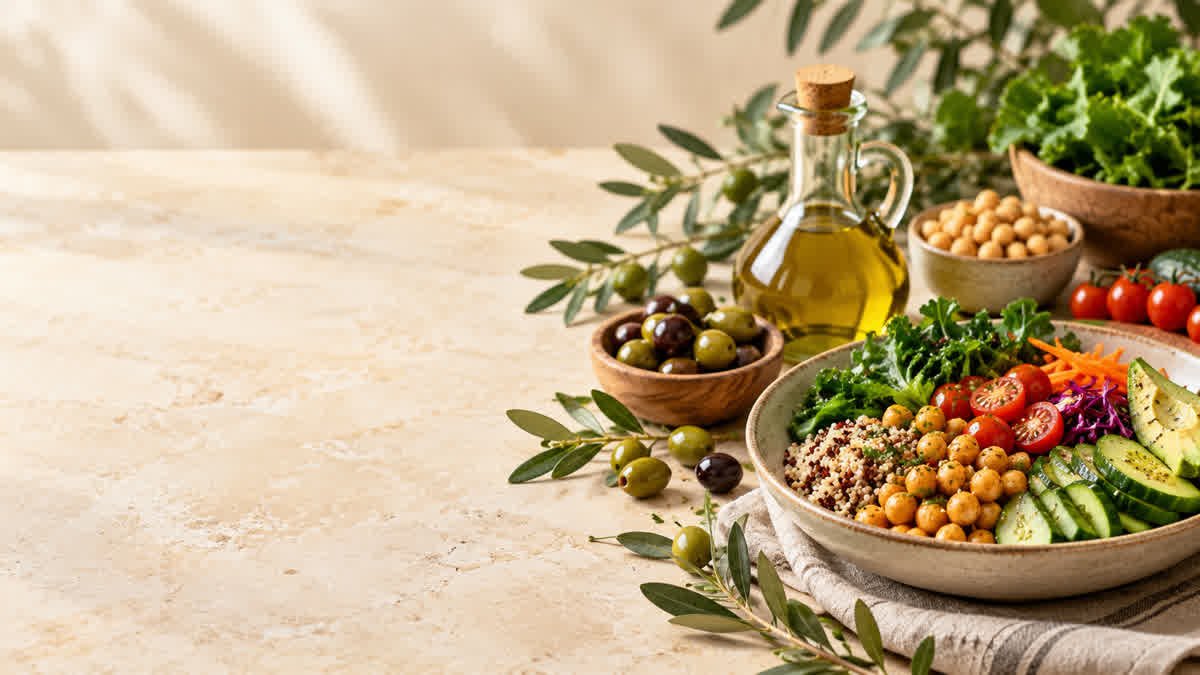

Olive oil is a common source of unsaturated fat, especially in Mediterranean-style eating. People who are managing their blood glucose often wonder whether adding extra virgin olive oil to meals might help. It is a reasonable question, since the oil is widely considered a healthy choice.
So, does olive oil lower blood sugar? Not directly, and not in the way glucose-lowering medication does. Research suggests that extra virgin olive oil may have a useful role within some balanced dietary patterns, and replacing certain saturated fats with unsaturated fats may support overall metabolic and cardiovascular health. It is not a proven treatment for high blood sugar.
The effects depend on the whole meal, the amount you eat, your individual health, and the type of research being considered. This article explains how olive oil relates to glucose responses and insulin sensitivity, what the evidence does and does not show, how much to use, and how to include it in balanced meals. For general background, you can also read our guide to olive oil benefits.
Does Olive Oil Lower Blood Sugar?
Olive oil is not a blood sugar-lowering treatment, although it may have a helpful place in a diet designed to support metabolic health. Here are the key points to understand:
- Olive oil contains virtually no carbohydrates, so plain olive oil generally has little direct effect on blood glucose, according to USDA FoodData Central.
- Its main fats are monounsaturated fats, including oleic acid.
- Replacing some saturated fat with unsaturated fat can improve the overall fat profile of a diet, as described by the American Heart Association.
- Some studies have looked at whether extra virgin olive oil affects post-meal glucose and insulin sensitivity, but findings vary.
- Your broader diet, carbohydrate intake, physical activity, medications, and individual metabolism all influence blood glucose.
It is important not to describe olive oil as a food that reliably lowers an already high glucose reading. It does not work that way. Adding it to a meal also does not remove the carbohydrates in that meal or make carbohydrate portions irrelevant.
A better way to think about it is long-term pattern versus immediate effect. Olive oil may fit into an eating pattern that supports metabolic health over time, but it should not be treated as a quick fix for a high reading.
How Extra Virgin Olive Oil May Affect Blood Sugar
Researchers are interested in several ways extra virgin olive oil could relate to blood glucose. None of them make it a treatment, but they help explain why it appears so often in studies of healthy eating.
It Contains Predominantly Monounsaturated Fats
Extra virgin olive oil is rich in monounsaturated fat, particularly oleic acid. These fats can be part of a heart-healthy dietary pattern, as noted by the Harvard T.H. Chan School of Public Health.
The key is replacement. Using olive oil in place of some saturated fat is different from adding more fat to an unchanged diet. Monounsaturated fat does not automatically improve blood glucose in every person.
It May Influence the Blood Sugar Response to a Meal
Fat affects how quickly food leaves the stomach and how nutrients are absorbed. In some mixed meals, adding fat may slow the appearance of glucose in the bloodstream and change the timing of the post-meal rise.
However, this does not necessarily mean the total glucose response will be lower. Fat can delay glucose absorption, and some high-fat meals may cause a later or more prolonged rise. A change in timing is not the same as a proven reduction in overall blood glucose.
It Contains Naturally Occurring Plant Compounds
Extra virgin olive oil contains polyphenols and other minor compounds. The amounts vary with the olive variety, processing, freshness, and storage.
Some research examines whether these compounds influence oxidative stress, inflammation, and metabolic health. That work is still developing, and it does not show that the polyphenols in extra virgin olive oil independently lower blood sugar or treat insulin resistance.
It Can Fit Into a Balanced Eating Pattern
Olive oil may be most useful when it is paired with vegetables, legumes, whole grains, and other nutritious foods. Our guides to a balanced diet and high-fiber foods can help you build meals around these foods.
What Does Research Say About Olive Oil and Blood Glucose?
The research falls into two broad groups: studies of whole dietary patterns and studies of olive oil itself. It helps to keep them separate.
Mediterranean-style diets. Some studies of Mediterranean-style eating have found benefits for cardiometabolic health, including outcomes relevant to people at risk for type 2 diabetes. Olive oil is one part of this pattern, alongside vegetables, legumes, whole grains, nuts, and other foods. You can read more in our overview of the Mediterranean diet.
Extra virgin olive oil on its own. Trials have tested extra virgin olive oil for effects on post-meal glucose, insulin responses, and other metabolic measures. The results differ depending on study design, participants, meal composition, the characteristics of the oil, and how long the study lasted.
Limits of the evidence. A change in a short-term glucose measurement does not automatically mean better long-term diabetes control. Evidence about a whole diet cannot show that olive oil alone caused the result.
For these reasons, the most accurate summary is that extra virgin olive oil may support a healthy dietary pattern, but the evidence does not establish it as a glucose-lowering treatment. If you want to explore the research further, look for systematic reviews and randomized controlled trials, and for guidance from organizations such as the American Diabetes Association and the National Institute of Diabetes and Digestive and Kidney Diseases.
Does Olive Oil Prevent Blood Sugar Spikes After Meals?
Olive oil does not contain the carbohydrates that raise blood glucose. When you eat it with other foods, though, its fat content may change how fast the meal is digested and when glucose reaches the bloodstream.
Several other factors matter more for post-meal glucose:
- Carbohydrate amount and type. These are major influences on the glucose response.
- Fiber. Fiber-rich foods may help moderate glucose responses when they replace or accompany less fiber-rich choices.
- Protein, fat, and meal structure. The mix of foods and the portion size can all affect glucose patterns.
- Individual differences. Responses vary, especially in people with diabetes or delayed stomach emptying.
Adding olive oil is not a guaranteed way to prevent a spike. It should not be used to offset large portions of refined carbohydrates or to justify ignoring an individualized meal plan. For meal ideas that include fiber and protein, see our lists of high-fiber foods and high-protein foods.
Is Extra Virgin Olive Oil Better Than Regular Olive Oil for Blood Sugar?
The two types differ in processing, flavor, and minor compounds. Neither is a proven blood sugar treatment.
Extra Virgin Olive Oil
Extra virgin olive oil is produced by mechanical methods without chemical refining. It generally retains more naturally occurring polyphenols and other minor compounds. Its flavor is distinctive, and it works well in dressings, dips, and many everyday cooking uses.
Regular or Refined Olive Oil
Regular or refined olive oil is processed to modify its flavor and other characteristics. It usually tastes milder and still provides mostly unsaturated fat.
Extra virgin olive oil is often valued for its flavor and natural compounds. However, the evidence does not show that it is a stand-alone glucose treatment, or that everyone will see better glucose control with it than with regular olive oil. Both types are calorie-dense, and the overall diet remains the most important factor.
How Much Olive Oil Should You Consume for Blood Sugar Management?
No daily amount of olive oil is established for lowering blood sugar. More oil does not necessarily mean better glucose control.
For calorie awareness, these approximate values come from USDA FoodData Central:
- 1 teaspoon contains about 40 calories.
- 1 tablespoon contains about 119 calories.
Values are estimates and may vary slightly with serving size.
These habits can help:
- Measure it. Use measuring spoons instead of pouring from the bottle.
- Substitute where suitable. Use it in place of some butter or other saturated-fat sources.
- Pair modest portions with whole foods. Vegetables, legumes, and other nutritious foods work well.
- Count the whole day. Consider all the oil you use, not just one meal.
- Skip the spoonful routine. Do not take spoonfuls of olive oil in place of a balanced meal or prescribed treatment.
For more on regular intake, see our article on eating olive oil every day. If you need a specific eating plan, a registered dietitian or other qualified healthcare professional can tailor one to your needs.
Healthy Ways to Include EVOO in a Blood Sugar-Friendly Diet
These ideas are practical, but no single meal guarantees a particular glucose result. Individual responses differ.
Add a Measured Amount to Vegetables
Roast or sauté broccoli, cauliflower, or leafy greens with a small amount of extra virgin olive oil. Vegetables provide fiber and a range of nutrients. Our guide to the health benefits of leafy green vegetables has more ideas.
Dress a Bean or Lentil Salad
Combine beans or lentils with chopped vegetables, herbs, lemon juice, and a measured drizzle of oil. Legumes supply fiber and plant protein.
Pair It With Whole Grains and Protein
Serve whole grains with vegetables and beans, or pair vegetables with a suitable protein source. Total carbohydrate amount and portion size still matter for blood glucose management.
Replace Some Saturated Fat
Use extra virgin olive oil in place of some butter or other saturated fats in suitable dishes. The aim is to substitute, not to add extra oil to an unchanged diet.
Build a Consistent Eating Pattern
Varied, balanced meals are more reliable than depending on one ingredient. Our articles on what a healthy diet looks like and nutrient-dense foods offer further guidance.
Can People With Diabetes Use Olive Oil?
For many people with diabetes, olive oil can be part of a balanced eating plan. Its mostly unsaturated fat profile can make it a useful alternative to some sources of saturated fat, consistent with general guidance from the American Heart Association.
Several points are important:
- Olive oil is not a substitute for diabetes medication.
- Do not stop, reduce, or change prescribed medication because you have added olive oil to your diet.
- Blood glucose depends on the whole meal, medication, activity, illness, and individual physiology.
- If you monitor your glucose, follow your healthcare professional’s advice on interpreting readings and identifying your personal food responses.
- If you also have digestive problems or other conditions, you may need individualized dietary advice.
Olive oil is not a cure for diabetes, and using it does not prevent complications. It is one possible part of a larger plan that includes medical care, nutrition, and physical activity. For broader habits that support long-term health, see our guides to healthy lifestyle habits and preventive health.
Frequently Asked Questions
Does a spoonful of olive oil lower blood sugar immediately?
There is no reliable evidence that taking a spoonful of olive oil is an effective way to lower a high blood glucose reading. Follow the glucose-management plan your healthcare professional has given you. If your readings are very high or you feel unwell, seek medical advice promptly.
Is extra virgin olive oil good for people with type 2 diabetes?
It can fit into a balanced eating pattern for many people with type 2 diabetes. It is not a treatment for the condition, and its effects should not be overstated. The NIDDK provides general guidance on healthy eating with diabetes.
Can I drink olive oil on an empty stomach to control blood sugar?
There is not enough evidence that drinking olive oil on an empty stomach improves blood glucose control. Using measured amounts as part of meals is a more practical approach.
Does olive oil raise blood sugar?
Plain olive oil contains virtually no carbohydrates, so it generally has little direct effect on blood glucose. When eaten with other foods, it may change the timing of the meal’s glucose response.
Is EVOO better than other oils for blood sugar?
Extra virgin olive oil contains monounsaturated fats and naturally occurring plant compounds, but no cooking oil should be considered a blood sugar-lowering treatment. The overall dietary pattern and the fats being replaced matter most.
Conclusion: Should You Use Olive Oil to Manage Blood Sugar?
Extra virgin olive oil can be part of a balanced eating pattern that supports overall metabolic health, but it is not a proven treatment for lowering blood glucose. Its value lies in what it replaces and what it is eaten with.
Three practical points can guide you. First, use moderate, measured portions. Second, include it in balanced meals with vegetables, fiber-rich foods, and appropriate portions of protein and carbohydrates. Third, follow evidence-based diabetes care and never replace prescribed treatment with olive oil.
Sustainable eating habits and individualized medical guidance are more reliable than depending on one food to control blood sugar.
Sources
- Harvard T.H. Chan School of Public Health, The Nutrition Source. Olive Oil
- U.S. Department of Agriculture. FoodData Central
- Sacks FM, et al. American Heart Association. Dietary Fats and Cardiovascular Disease: A Presidential Advisory. Circulation.
- National Institute of Diabetes and Digestive and Kidney Diseases. Diet, Eating, and Physical Activity (Diabetes)
- American Diabetes Association. Food and Nutrition
Medical Disclaimer: This article is for general educational purposes only and is not a substitute for professional medical advice, diagnosis, or treatment. Blood sugar management is highly individual. Always talk with your doctor, registered dietitian, or another qualified healthcare professional before making changes to your diet, and never stop or change prescribed medication without their guidance.
Never ignore professional medical advice or delay seeking it because of something you read on this website.