
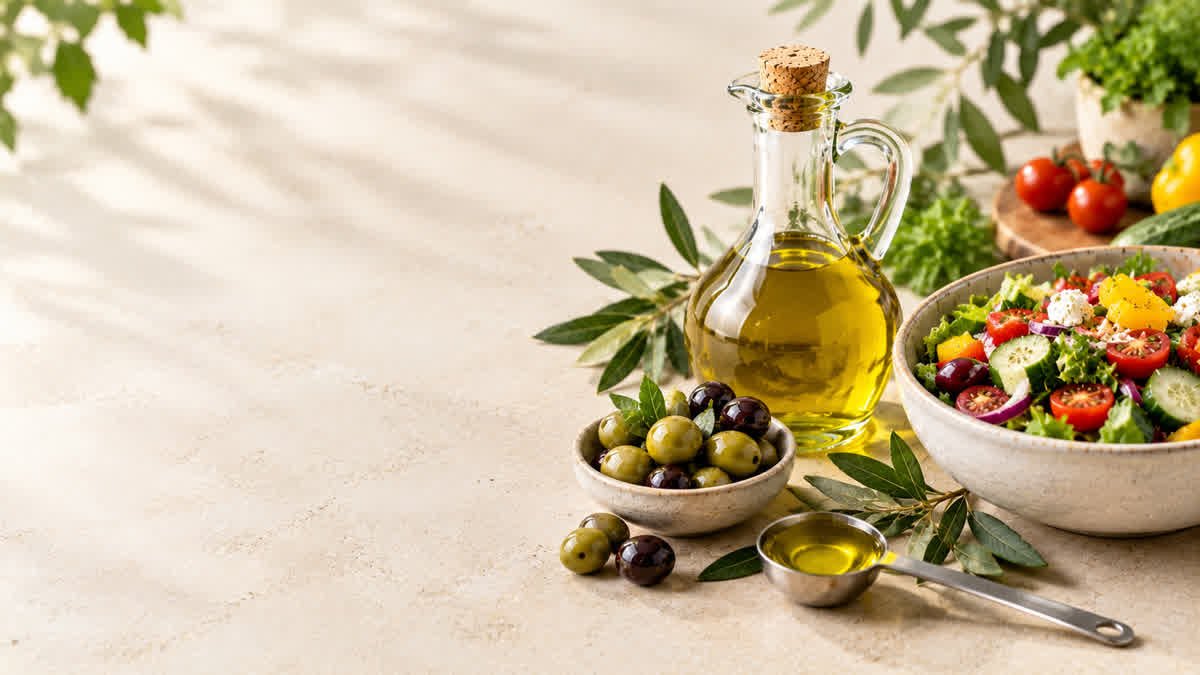

Extra virgin olive oil is a staple of Mediterranean-style eating, so it is natural to wonder whether it can help with weight management. The short answer is that it can fit into a weight-loss diet, but it does not burn fat on its own and it does not guarantee weight loss. Its role depends on how much you use and what it replaces in your meals.
Extra virgin olive oil is a minimally processed oil made up mostly of monounsaturated fat. It also contains naturally occurring compounds, including polyphenols, that give it a distinctive flavor. These qualities make it a popular choice for everyday cooking and dressings.
Even so, extra virgin olive oil is calorie-dense, with about 119 calories per tablespoon. Adding it to an otherwise unchanged diet can raise your total energy intake. This article covers what the evidence says, how many calories it contains, how to manage portions, how to cook with it, and practical ways to include it in balanced meals.
Is Extra Virgin Olive Oil Good for Weight Loss?
Extra virgin olive oil can fit into a weight-loss plan, but it is not a weight-loss treatment. No single food can cause fat loss without attention to overall eating patterns and energy balance. What the oil can do is make a healthy diet easier to follow and enjoy.
Here is what we know:
- Extra virgin olive oil is rich in monounsaturated fat, particularly oleic acid.
- Dietary fat contributes to the flavor and satisfaction of meals.
- Replacing some saturated fat with unsaturated fat can improve the overall fat profile of a diet, as noted by the American Heart Association.
- One tablespoon provides about 119 calories, according to USDA FoodData Central.
The difference between including it and simply adding it matters a great deal. Using a measured amount in place of butter or another fat can keep your calories steady while improving fat quality. Pouring extra oil onto meals you already eat can add several hundred calories a day without much notice.
Extra virgin olive oil does not automatically raise your metabolism or melt fat. Its “healthy fat” label describes its nutritional makeup, not an absence of calories.
How Extra Virgin Olive Oil May Support Weight Management
Extra virgin olive oil is best viewed as a helpful ingredient inside a balanced approach. Here are the ways it may play a supportive role.
It Provides Predominantly Monounsaturated Fat
Oleic acid is the main monounsaturated fat in olive oil. The Harvard T.H. Chan School of Public Health describes olive oil as mostly monounsaturated fat, and it is commonly used to replace some saturated fat in the diet.
Remember that unsaturated fats still contain 9 calories per gram. Choosing them is about fat quality, not about eating unlimited amounts.
It May Make Meals More Satisfying
Fat adds texture, flavor, and richness to food. A measured amount of extra virgin olive oil on vegetables, legumes, or whole grains may make nutritious meals more enjoyable, which can help you stick with them.
Appetite responses differ from person to person. Extra virgin olive oil is not a proven appetite suppressant, so it is best not to rely on it for hunger control.
It Can Help Make Nutrient-Rich Foods More Appealing
A little oil can turn plain roasted vegetables, beans, lentils, or a simple salad into something you look forward to eating. Meals that combine vegetables, fiber-rich foods, and protein usually provide more nutrients than meals built around a single ingredient.
For ideas, see our guides to the health benefits of leafy green vegetables, high-fiber foods for digestive health, and high-protein foods.
It Fits Into a Mediterranean-Style Eating Pattern
The Mediterranean diet commonly features olive oil alongside vegetables, fruit, legumes, whole grains, nuts, and fish. Many of the benefits linked to this pattern likely come from the combination of foods, not from one ingredient.
You can learn more in our overview of the Mediterranean diet.
What Does the Research Say About EVOO and Weight Loss?
Research on this topic mostly examines Mediterranean-style dietary patterns, not extra virgin olive oil in isolation. Some studies suggest these patterns can support cardiometabolic health and may help with weight management in certain circumstances. Results depend on diet composition, calorie intake, study length, and participant characteristics.
Three distinctions are worth keeping in mind:
- Extra virgin olive oil versus an overall dietary pattern. A study of a Mediterranean diet does not prove that the oil alone causes weight loss.
- Association versus causation. Observational studies can show that people who use more olive oil tend to weigh differently, but they cannot show that the oil caused the difference.
- Weight management versus fat burning. A food can fit well into a healthy diet without directly increasing fat loss.
Weight change largely reflects sustained energy balance and individual circumstances, as described by the National Institute of Diabetes and Digestive and Kidney Diseases. When you read claims online, give more weight to systematic reviews, randomized controlled trials, and reputable academic sources than to testimonials or single studies.
How Many Calories Are in Extra Virgin Olive Oil?
Extra virgin olive oil is energy-dense because it is almost entirely fat. These approximate values come from standard food-composition data such as USDA FoodData Central.
| Serving | Approximate calories |
|---|---|
| 1 teaspoon | 40 |
| 1 tablespoon | 119 |
| 2 tablespoons | 238 |
Values are approximate and may vary slightly by serving size and measurement.
If you pour oil straight from the bottle, you will often use more than you think. A heavy drizzle on a salad can easily equal two tablespoons.
These habits can help with portion management:
- Measure when it matters to you. Use a teaspoon or tablespoon.
- Use just enough to coat. A small amount can cover vegetables or a pan.
- Count all sources. Include oil in dressings, marinades, sauces, and roasting.
- Substitute where suitable. Use it in place of another fat rather than on top of one.
- Keep sprays in perspective. Cooking sprays also contain calories, though the amount used is often small.
Calorie needs vary widely between people. Not everyone needs to count calories, and there is no universal target. For help reading labels and comparing foods, see our nutrition facts guide.
Does Extra Virgin Olive Oil Burn Belly Fat?
There is no convincing evidence that extra virgin olive oil selectively burns belly fat. The body cannot reliably be directed to lose fat from one area because of a particular food, a concept often called spot reduction.
Changes in abdominal fat usually follow broader changes in body weight and lifestyle. The habits that matter most include:
- An overall energy intake that suits your needs
- Regular physical activity
- Balanced, nutritious meals
- Adequate sleep
Extra virgin olive oil can be part of a healthy dietary pattern, but it should not be promoted as a belly-fat remedy. Our articles on the benefits of exercise and how to improve sleep cover two of the most important supporting habits.
Extra Virgin Olive Oil vs. Regular Olive Oil for Weight Loss
The two types differ mainly in processing, flavor, and minor compounds. For weight management, what they have in common matters most: both are calorie-dense and mostly unsaturated fat.
Extra Virgin Olive Oil
Extra virgin olive oil is produced by mechanical methods without chemical refining. It generally retains more naturally occurring polyphenols and other minor compounds. Its flavor is often fruity, bitter, or peppery, which suits dressings, dips, and many cooked dishes.
Regular or Refined Olive Oil
Regular or refined olive oil goes through additional processing that modifies its flavor and other characteristics. It usually tastes milder, which can be helpful when you do not want a strong olive flavor in a dish.
Extra virgin olive oil may offer more of certain naturally occurring compounds, but there is no strong basis for claiming it leads to greater weight loss than regular olive oil. Choose the oil that suits your taste, cooking method, budget, and overall eating pattern. For broader context on what olive oil offers, see our article on olive oil benefits.
How Much Extra Virgin Olive Oil Should You Use for Weight Loss?
No single daily amount guarantees weight loss. The right portion depends on your energy needs, food preferences, other fat sources, cooking habits, and whether the oil replaces another ingredient or is added to existing meals.
These practical steps can help:
- Begin with a measured amount when preparing a meal.
- Substitute for some butter or other cooking fats when appropriate.
- Pair it with whole foods such as vegetables, legumes, whole grains, and protein-rich foods.
- Consider the total across the day, including meals and snacks.
- Adjust to your needs instead of following an arbitrary online recommendation.
Avoid the idea that a daily “shot” of oil is a required weight-loss routine. It is not necessary, and it adds calories without the benefits of a full meal. If you have a medical condition or a prescribed eating plan, a registered dietitian or other qualified healthcare professional can offer personalized guidance.
Healthy Ways to Use EVOO in a Weight-Loss Diet
These ideas can help you enjoy extra virgin olive oil while keeping portions reasonable.
Make a Simple Salad Dressing
Whisk a measured amount of extra virgin olive oil with lemon juice or vinegar, herbs, pepper, and a small amount of mustard. Taste before adding more oil.
Roast or Sauté Vegetables
Use a modest amount to coat broccoli, carrots, cauliflower, or leafy greens. Extra virgin olive oil works well for most everyday sautéing and roasting at moderate temperatures. Avoid heating it until it smokes heavily, and discard oil that has degraded or been used repeatedly.
Add Flavor to Beans and Lentils
Combine legumes with vegetables, herbs, and a measured drizzle for a balanced, satisfying dish. Beans and lentils also supply fiber and plant protein.
Use EVOO as a Substitute
Replace some butter or other fats with extra virgin olive oil where it suits the recipe. The goal is to swap, not stack.
Build Balanced Meals
Pair vegetables and other fiber-rich foods with protein sources and sensible portions of whole grains. Our guides to a balanced diet, nutrient-dense foods, and the healthiest foods to eat every day can help you plan.
Common Mistakes to Avoid
Small habits can quietly work against your goals. Here are the most common ones.
- Assuming it is calorie-free. Unsaturated fat still provides energy.
- Adding generous amounts without a plan. Calories from dressings, roasting, and cooking add up.
- Drinking it on an empty stomach for guaranteed fat loss. There is not enough evidence to support this.
- Expecting it to target belly fat. It does not.
- Expecting one ingredient to fix an unbalanced diet. Overall patterns matter most.
- Following restrictive rules that are hard to sustain. Realistic habits tend to last longer.
The goal is not to avoid all calorie-dense foods. It is to build sustainable eating habits that you can maintain, without guilt or perfectionism.
Frequently Asked Questions
Can I eat extra virgin olive oil every day and still lose weight?
Yes. It can fit into a weight-management plan when portions and overall food intake suit your needs. Daily use alone does not guarantee weight loss. Our guide on eating olive oil every day explains regular intake in more detail.
Is drinking EVOO in the morning good for weight loss?
There is not enough evidence that drinking extra virgin olive oil first thing in the morning independently causes meaningful weight loss. It is more useful to consider how it fits into your overall diet. Including it in meals is a practical alternative.
Is EVOO better than other cooking oils for weight loss?
No oil has been established as a stand-alone weight-loss solution. Compare oils based on their fat composition, culinary use, flavor, and fit with your overall diet. The American Heart Association supports favoring unsaturated fats over saturated fats.
Can I cook with extra virgin olive oil while losing weight?
Yes. It is suitable for many everyday cooking methods. Choose an appropriate temperature, avoid overheating the oil until it smokes, and measure the amount you use.
Does extra virgin olive oil reduce belly fat?
There is no convincing evidence that it specifically targets belly fat. Changes in body fat depend on broader dietary, behavioral, and individual factors.
Conclusion: Is EVOO Worth Including in a Weight-Loss Diet?
Extra virgin olive oil can be part of a balanced weight-management plan, but it does not directly burn fat or guarantee weight loss. It works best as a flavorful ingredient within a varied, nutritious diet.
Three takeaways can guide you. First, measure portions, because extra virgin olive oil is calorie-dense. Second, use it to replace other fats where appropriate rather than adding extra calories. Third, build meals around a variety of vegetables, protein sources, fiber-rich foods, and healthy fats.
Focus on sustainable habits and your overall dietary pattern instead of expecting one ingredient to produce results. For more ideas, explore our guide to healthy lifestyle habits.
Sources
- Harvard T.H. Chan School of Public Health, The Nutrition Source. Olive Oil
- U.S. Department of Agriculture. FoodData Central
- Sacks FM, et al. American Heart Association. Dietary Fats and Cardiovascular Disease: A Presidential Advisory. Circulation.
- National Institute of Diabetes and Digestive and Kidney Diseases. Weight Management
Medical Disclaimer: This article is for general educational purposes only and is not a substitute for professional medical advice, diagnosis, or treatment. Nutrition and weight-management needs vary from person to person. Always talk with your doctor, registered dietitian, or another qualified healthcare professional before making changes to your diet, especially if you have a medical condition, take medication, or are pregnant or breastfeeding.
Never ignore professional medical advice or delay seeking it because of something you read on this website.