
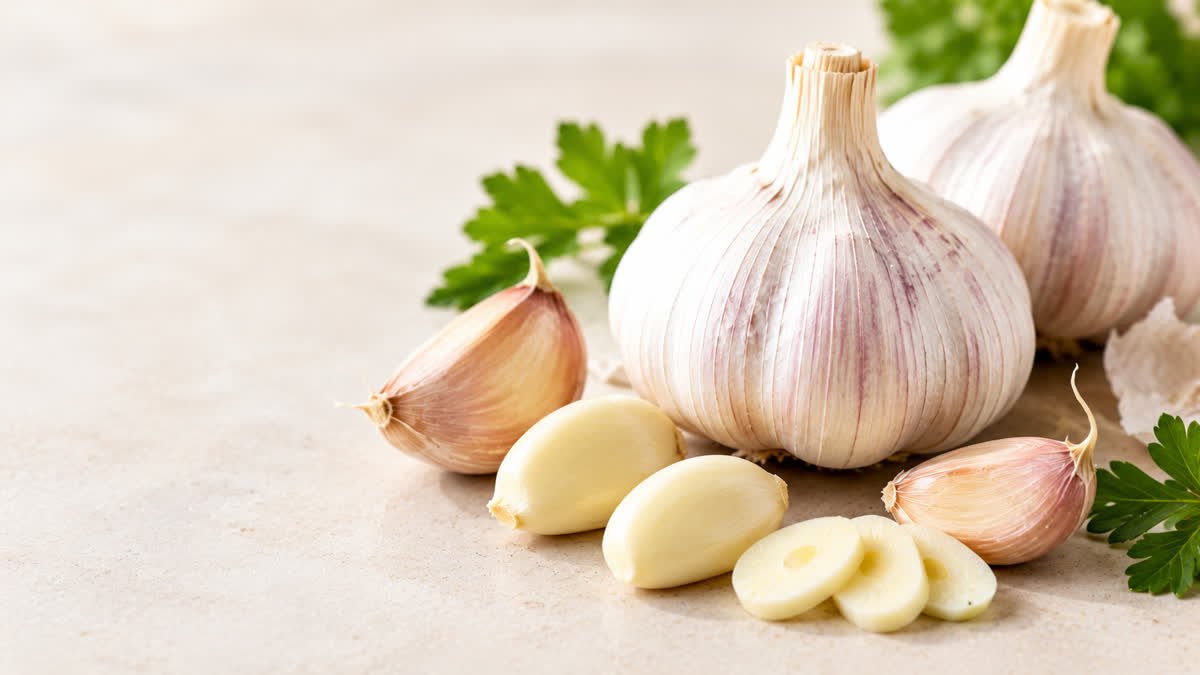

Garlic may offer a modest benefit for cholesterol levels, but it is not a substitute for cholesterol-lowering medication or an overall heart-healthy diet. Researchers have studied garlic for its possible effects on total cholesterol and LDL (“bad”) cholesterol, and some clinical trials report small improvements in people with high cholesterol. Results vary a great deal depending on the garlic preparation and the study.
The National Center for Complementary and Integrative Health (NCCIH) says garlic supplements may lower total and LDL cholesterol to a small extent in people who have high cholesterol. Adding garlic to your meals is different from taking concentrated supplements, and most of the research uses supplements. One recent trial also found no benefit, so the picture is mixed.
This article explains what the main cholesterol numbers mean, what the research shows, and how garlic might work. You will also see how raw garlic, cooked garlic, and supplements compare, how much garlic is reasonable, and how to cook with it in a heart-healthy way. Finally, we cover side effects and medication safety, because garlic should never replace prescribed treatment.
Understanding High Cholesterol
Cholesterol is a waxy substance your body needs to build cells and make certain hormones. Your liver makes most of it, and you also get some from food. Problems arise when certain types build up in the blood, which can raise the risk of heart disease and stroke over time.
Because cholesterol has no symptoms, a blood test called a lipid panel is the only way to know your levels. This test measures several blood fats at once, and your clinician looks at them together along with other risk factors such as age, blood pressure, smoking, and diabetes. For a deeper overview, see our guide to high cholesterol.
What Is LDL Cholesterol?
Low-density lipoprotein (LDL) is cholesterol carried in particles that can deposit in artery walls. Over years, these deposits can form plaque, which narrows arteries and makes heart attacks and strokes more likely. That is why LDL is often called “bad” cholesterol, and why lowering high LDL is a major goal of treatment.
What Is HDL Cholesterol?
High-density lipoprotein (HDL) helps carry cholesterol back to the liver for removal. It is often called “good” cholesterol. However, HDL is only one part of your overall risk profile, and raising HDL has not been proven to protect the heart on its own.
What About Total Cholesterol and Triglycerides?
Total cholesterol is the combined amount of cholesterol in your blood, including LDL, HDL, and other particles. Triglycerides are another type of blood fat, and high levels can add to cardiovascular risk. Because these numbers interact, no single result tells the whole story.
Talk with a healthcare professional about what your results mean for you. Garlic cannot correct every abnormal measurement, and one number does not determine your cardiovascular risk.
Is Garlic Good for High Cholesterol?
Garlic may lower cholesterol slightly for some people, but the evidence is not strong enough to call it a treatment. Studies differ in the garlic products used, the doses, the length of follow-up, and the people included. Results from supplements also cannot automatically be applied to fresh garlic in food.
What Does the Research Say?
A 2024 meta-analysis in the Journal of Health, Population and Nutrition pooled 21 randomized trials in people with dyslipidemia who were not taking lipid-lowering drugs. On average, garlic was linked to lower total cholesterol (about 0.64 mmol/L, or roughly 25 mg/dL), lower LDL cholesterol (about 0.44 mmol/L, or roughly 17 mg/dL), and lower triglycerides. HDL changed very little.
These findings sound promising, but the authors noted important limits. The trials used different forms of garlic, including powder, tablets, aged garlic, garlic oil, and raw garlic. The results varied widely from study to study, and most trials did not clearly describe how participants were assigned to groups.
How Much Can Garlic Lower Cholesterol?
A more recent comprehensive meta-analysis of 108 randomized trials, published as a systematic review of garlic supplementation and cardiovascular risk factors, reported smaller average changes: roughly 5.9 mg/dL for LDL and about 10.2 mg/dL for total cholesterol. These are modest figures, and the review called for more rigorous research.
Keep in mind that these numbers are averages across many trials. They do not guarantee a particular result for any individual, and some people may see no change. The difference between the 2024 and later estimates also shows how sensitive results are to which studies are included.
Is the Evidence Strong Enough?
Not quite. Garlic trials are often short, they use many different products, and their quality varies. A change in a cholesterol number also does not prove that garlic prevents heart attacks or strokes, because those outcomes have not been tested directly in large garlic trials.
Some research has found no effect. In a small 28-day trial presented at an American Heart Association meeting, a garlic supplement did not lower LDL cholesterol compared with placebo, while a low-dose statin lowered it by nearly 38 percent, according to an AHA news release. The findings were preliminary (presented as an abstract, not yet peer reviewed), the study was short, and its funder, AstraZeneca, makes a statin, so it should be read with caution. Even so, the results highlight how modest garlic’s effect may be compared with medicine.
The takeaway: garlic may be a useful addition to a healthy diet, but it should not be presented as a stand-alone treatment for high cholesterol.
How Garlic May Affect Cholesterol
Scientists have proposed several ways garlic could influence blood fats. These ideas come mainly from laboratory work and small studies, so they should be read as possibilities, not proven effects.
Allicin and Sulfur-Containing Compounds
Garlic contains many sulfur-containing compounds. When a clove is crushed or chopped, an enzyme helps convert a compound called alliin into allicin, which gives garlic its sharp smell. Allicin is unstable and quickly turns into other compounds.
Processing, storage, and cooking all change which compounds are present. This is one reason garlic powder, aged garlic extract, garlic oil, and fresh garlic can behave differently, and why results from one product do not apply to all.
Cholesterol Metabolism
Your liver makes cholesterol, and your bloodstream carries it in particles to different parts of the body. Researchers have investigated whether garlic compounds influence the pathways involved in making and clearing cholesterol. This work is still developing.
Proposed mechanisms are different from effects proven in people. It would be inaccurate to say that garlic “flushes cholesterol from arteries,” dissolves plaque, or reliably blocks cholesterol production in everyone.
Why Results May Vary
Several factors can change how a person responds. Different garlic products have different compositions, and doses and study lengths vary. Participants may also start with different baseline cholesterol levels, diets, ages, and health conditions.
In the 2024 meta-analysis, for example, larger reductions appeared in some subgroups, such as people over 50, and with certain products, but these findings are not firm enough to guide individual choices.
Raw Garlic vs. Cooked Garlic vs. Supplements
Garlic in a recipe and garlic in a capsule are not the same thing. It helps to know how the forms differ and which ones the studies actually tested.
Raw Garlic
Crushing or chopping raw garlic produces allicin, which is why it tastes so strong. Some people get heartburn, stomach discomfort, or a burning feeling in the mouth and throat from raw garlic. If you enjoy it, small amounts in dressings or dips are easier to tolerate than whole cloves.
Raw garlic has not been established as a reliable dose for treating high cholesterol. No standard “raw garlic prescription” has been proven in trials.
Cooked Garlic
Most people eat garlic cooked in vegetables, lentils, beans, soups, and homemade sauces. Heat changes garlic’s chemistry, and some compounds found in raw garlic decrease. That does not make cooked garlic a poor choice. It is a flavorful, convenient ingredient that fits easily into a balanced diet.
Think of it as a food, not a medicine. Its main value for heart health is helping you enjoy vegetables, beans, and whole grains with less salt and less heavy sauce.
Garlic Supplements and Aged Garlic Extract
Many clinical studies use concentrated products such as garlic powder tablets, aged garlic extract, or garlic oil capsules instead of ordinary food portions. These products differ in composition, strength, and formulation, and dietary supplements are not reviewed in the same way as prescription drugs.
Evidence for one product cannot be applied to every garlic capsule, oil, powder, or extract. A dose used in one study is also not a recommendation for you, so talk with a healthcare professional or pharmacist before starting a supplement.
How Much Garlic Should You Eat?
There is no universally established number of garlic cloves per day that has been proven to treat high cholesterol. Studies use different products and amounts, so a safe and effective “dose” of fresh garlic has not been defined. Anyone who gives you an exact number of cloves is going beyond the evidence.
For most people, using garlic in normal culinary amounts, according to personal tolerance, is reasonable. Eating very large amounts does not guarantee a bigger cholesterol reduction, and it may increase side effects such as heartburn, gas, and bad breath.
Everyday food use is also very different from concentrated supplements. If you have high cholesterol, follow your clinician’s advice about lipid testing, monitoring, and treatment.
A simple way to think about it: enjoy garlic as part of your usual meals, not as a measured cholesterol-lowering prescription.
How to Include Garlic in a Heart-Healthy Diet
The best use of garlic is as a flavor builder in meals that already support your heart. The same dish can be heart-friendly or not, depending on what surrounds the garlic.
Heart-Healthy Ways to Use Garlic
Here are some practical ideas:
- Add garlic to lentil soup, bean stews, vegetable stir-fries, and whole-grain dishes
- Combine it with herbs, spices, lemon, or vinegar to add flavor without relying on salt
- Sauté it in olive oil or another suitable vegetable oil instead of butter
- Pair it with oats, beans, and lentils, which are rich in soluble fiber
The American Heart Association recommends choosing liquid plant oils such as olive, canola, and sunflower oil over tropical oils and solid fats, which contain more saturated fat. You can learn more about olive oil benefits or explore high-fiber foods that help round out meals.
Beware of garlic bread, creamy garlic sauces, and garlic butter. These add saturated fat that can work against your cholesterol goals even though the garlic itself is not the problem.
Focus on the Whole Dietary Pattern
Effective cholesterol management usually involves several habits working together:
- Replacing some saturated fat with unsaturated fat
- Eating more vegetables, fruits, whole grains, beans, nuts, and other fiber-rich foods
- Being physically active on most days
- Avoiding smoking and managing blood pressure and blood sugar
- Following any prescribed treatment and attending follow-up visits
The American Heart Association emphasizes a heart-healthy lifestyle for cholesterol control, with medication when needed, and its news release notes that the association suggests people not rely on supplements. For food ideas, see our list of heart-healthy foods.
Risks, Side Effects, and Medication Interactions
Garlic is safe for most people in normal food amounts. Concentrated products and certain medical situations call for extra care, so please read this section closely.
Common Side Effects
According to the NCCIH, garlic taken by mouth can cause breath and body odor, abdominal pain, gas, and nausea. Some people have allergic reactions. These effects can be more noticeable with raw garlic and with supplements. Raw garlic can also trigger heartburn in people who are prone to reflux.
The NCCIH also notes that taking garlic by mouth in amounts above normal food levels may not be safe during pregnancy or breastfeeding. If you are pregnant or nursing, ask your clinician before using supplements.
Can Garlic Supplements Interact With Medication?
Yes, they can. The NCCIH advises that garlic supplements may increase the risk of bleeding. If you take anticoagulants, aspirin, or other antiplatelet medicines, ask a healthcare professional or pharmacist before using garlic supplements. Tell your healthcare team about any supplements before surgery or dental procedures.
More broadly, some herbs and medicines interact in harmful ways. Bring your supplement bottles to appointments so your clinician can review them with your prescriptions.
Can Garlic Replace Statins?
No. Garlic should not replace prescribed statins or other cholesterol-lowering medication. In the trial described above, a statin lowered LDL cholesterol by about 38 percent in 28 days, while garlic did not lower LDL compared with placebo. Those results are preliminary, but they illustrate why medicine is not interchangeable with a supplement.
Never stop or reduce a prescribed medicine on your own, even if you start eating more garlic. If you have concerns about side effects or about taking medicine, talk with your clinician about options.
Frequently Asked Questions
Does garlic lower LDL cholesterol?
Some clinical studies report modest LDL reductions with garlic preparations, but results vary and some trials show no benefit. A 2024 meta-analysis found lower LDL on average, with large differences between studies. Fresh garlic in food should not be assumed to have the same effects as the supplements tested in trials.
Is raw garlic better than cooked garlic for cholesterol?
Crushing and cooking change garlic’s compounds, but the evidence does not establish raw garlic as definitively better for lowering cholesterol in everyday use. Raw garlic is also more likely to cause heartburn and stomach upset. Choose the form you enjoy and tolerate, and treat it as part of your meals, not as a remedy.
How many garlic cloves should I eat daily to lower cholesterol?
No daily number of cloves has been proven to treat high cholesterol. Studies use different products and amounts, so a treatment dose of fresh garlic has not been established. Using garlic in normal cooking amounts is reasonable for most people. Pair that with regular lipid testing and the guidance of your healthcare professional.
Are garlic supplements effective for high cholesterol?
Some research suggests a modest reduction in total and LDL cholesterol with certain supplements, according to the NCCIH. However, products differ, some trials find no effect, and supplements are not equivalent to prescribed treatment. Supplements can also cause side effects and raise bleeding risk, so talk with a healthcare professional before using them.
Can I take garlic with statins?
Tell your doctor or pharmacist about garlic supplements and any other products you use, so they can check for interactions with all of your medicines. Garlic in normal food amounts is generally not a concern for most people. Do not stop, skip, or reduce your statin without medical guidance, because that could raise your cardiovascular risk.
What foods help lower high cholesterol naturally?
Foods rich in soluble fiber and unsaturated fats are a good foundation. Oats, beans, lentils, nuts, vegetables, fruits, and vegetable oils such as olive oil all fit. The overall eating pattern matters more than any single ingredient, as in the Mediterranean diet, and it works alongside any prescribed treatment.
Conclusion
Garlic has been studied for its potential cholesterol-lowering effects, and some evidence suggests modest benefits, particularly with certain supplements. Results are not guaranteed, some trials show no effect, and the evidence does not establish garlic as a replacement for standard treatment. Even in the best-case studies, the average changes are small compared with what medication can do.
Garlic can add flavor to a heart-healthy eating pattern, and cooking with it may help you rely less on salt and heavy sauces. If you have high cholesterol, follow your clinician’s advice on lifestyle changes, lipid testing, and medication. Garlic can be part of a healthy diet, but effective cholesterol management requires a broader approach. For more, visit our guide to high cholesterol.
Sources
- National Center for Complementary and Integrative Health (NCCIH): Garlic: Usefulness and Safety
- Du Y, Zhou H, Zha W. Journal of Health, Population and Nutrition, 2024: Garlic consumption can reduce the risk of dyslipidemia: a meta-analysis of randomized controlled trials
- Effects of Garlic Supplementation on Cardiovascular Risk Factors in Adults: A Comprehensive Updated Systematic Review and Meta-Analysis of Randomized Controlled Trials
- American Heart Association news release: 6 common “heart-health” supplements ineffective at lowering cholesterol compared to statins
- American Heart Association: Healthy Cooking Oils
Medical Disclaimer: This article is for general educational purposes only and is not medical advice. It does not diagnose, treat, or prevent any condition, and it cannot replace guidance from a qualified healthcare professional who knows your health history. Do not stop or change cholesterol medicine, or start garlic supplements, without talking with your doctor or pharmacist first. If you have chest pain, trouble breathing, or think you may be having a medical emergency, call 911 or your local emergency number right away.