

Does coconut oil lower blood sugar? Based on the best clinical evidence available today, there is not enough reliable support to recommend it for that purpose. Coconut oil has a long history in traditional cooking, and wellness media often describes it as a natural helper for glucose control. Scientific studies tell a more cautious story.
Blood glucose is the sugar circulating in your blood, and glucose control describes how well your body keeps those levels in a healthy range over time. Researchers look at several measures, including fasting glucose, blood sugar after meals, A1C, and insulin resistance. This article explains what trials have found for each, and why a food that sounds beneficial does not always perform that way in human studies.
Below, you will find what coconut oil contains, what systematic reviews report, and what the findings mean for people with diabetes or prediabetes. You will also see why saturated fat matters, and which dietary habits have stronger support for managing blood sugar. This information is general and educational, so individual decisions should always involve a qualified healthcare professional.
What Is Coconut Oil, and What Does It Contain?
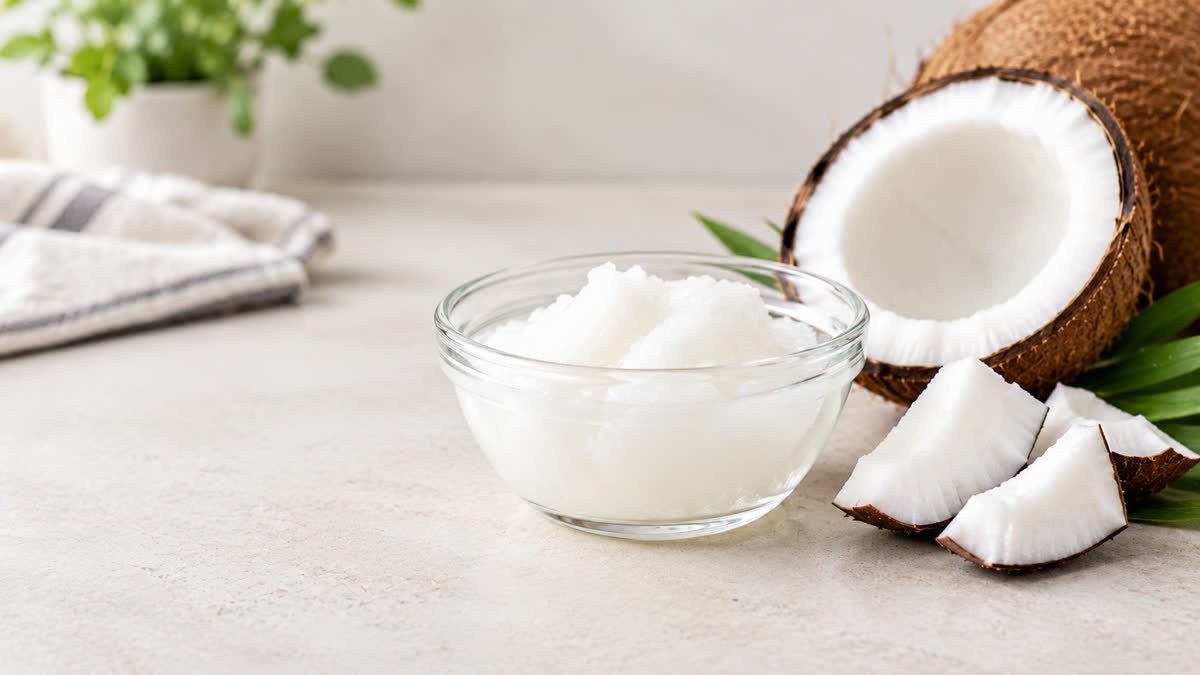
Coconut oil is a fat pressed or extracted from the white flesh of mature coconuts. It is solid and white in cool kitchens and turns clear when it warms. Because it contains no carbohydrate, it does not raise blood sugar directly in the way bread, rice, or fruit juice does.
That does not tell us whether the oil improves glucose control, though. A single tablespoon supplies about 120 calories, almost all from fat.
Saturated Fat and Fatty Acids
Coconut oil is among the richest food sources of saturated fat. Depending on the source, saturated fat makes up roughly 80 to 90 percent of the oil, and a tablespoon contains around 11 to 12 grams. Lauric acid is the largest single fatty acid, followed by myristic and palmitic acids.
The American Diabetes Association (ADA) suggests keeping saturated fat below 10 percent of daily calories, which is about 20 grams on a 2,000-calorie diet. The ADA’s fat guidance lists coconut oil among the oils that contain saturated fat. One tablespoon can therefore use more than half of that daily limit. For more on how these numbers fit into daily eating, see our guide to nutrition facts.
Virgin Coconut Oil vs. Refined Coconut Oil
Virgin coconut oil is made from fresh coconut flesh with minimal processing, so it keeps a stronger coconut aroma and flavor. Refined coconut oil is processed further, which gives it a milder taste and often a higher tolerance for heat. Both types are mostly saturated fat.
Coconut Oil and Medium-Chain Triglycerides (MCTs)
Coconut oil contains some medium-chain fatty acids, which is why it is often linked with MCT oil. However, MCT oil sold as a supplement is purified and concentrated, and it is not the same product. Many studies that report metabolic effects used MCT oil, so those results cannot automatically be applied to a jar of coconut oil.
What Does Research Say About Coconut Oil and Blood Sugar?
The most useful evidence comes from randomized and interventional trials that are pooled in systematic reviews. These reviews combine many studies to look for consistent patterns rather than relying on one small experiment. They are not perfect, since many nutrition trials are short and use different doses, but they are far stronger than anecdotes or lab findings.
What Systematic Reviews Have Found
A systematic review and meta-analysis of interventional trials examined how coconut oil or coconut products affect glycemic control and insulin sensitivity. The reviewers looked at both short-term and longer-term effects. Overall, they did not find a significant improvement in fasting glucose or in other key long-term markers of glucose control.
Some of the findings pointed in the opposite direction, which is why the topic deserves careful wording. Those signals were small, and the evidence has limits, including variation in study design and dose. The fair summary is that the research does not support using coconut oil to lower blood sugar.
A separate meta-analysis of 16 clinical trials compared coconut oil with non-tropical vegetable oils. It found no significant effect on markers of blood sugar, inflammation, or body fatness. It did find higher LDL cholesterol, which we discuss later.
Effects on Fasting Blood Glucose
Fasting glucose is the level measured after several hours without eating, usually in the morning. It reflects how your body regulates sugar when no meal is being digested. A food that truly helped glucose control would be expected to lower this number in a consistent way across trials.
The pooled results did not show that pattern for coconut oil. Some individual studies reported small changes, but the combined data did not show a reliable improvement. Fasting glucose is also only one piece of the picture, so it is often viewed alongside A1C, which reflects average glucose over roughly three months.
Effects on Blood Sugar After Meals
Blood sugar after a meal is called the postprandial response. It rises as carbohydrates are digested and then falls as insulin and other mechanisms bring it back down. Fat in a meal can change how quickly food leaves the stomach, so researchers sometimes test whether adding an oil changes this response.
The 2021 meta-analysis reported a subtle increase in the post-meal glucose response with coconut oil. The size of that effect was small, and it does not mean that coconut oil spikes blood sugar for everyone. It does mean the data do not support the idea that adding coconut oil to a meal helps keep post-meal glucose down.
What Studies Say About Insulin Sensitivity
Insulin sensitivity describes how well your cells respond to insulin. When cells respond poorly, the body needs more insulin to move glucose out of the blood, a pattern known as insulin resistance. Researchers often estimate it with a calculation called HOMA-IR, which uses fasting glucose and fasting insulin.
The meta-analysis found that longer-term intake of coconut fat was associated with an increase in a marker of insulin resistance. This finding needs context, because it came from a limited set of studies, and associations in pooled trials do not prove that coconut oil causes insulin resistance in every person.
The most accurate way to state the conclusion is this: the evidence does not show that coconut oil improves insulin sensitivity, and some results raise questions. It does not prove that coconut oil always raises blood sugar. Those are two different statements, and only the first has solid support.
Can People With Diabetes Use Coconut Oil?
People with type 1 diabetes, type 2 diabetes, or prediabetes often ask whether coconut oil is safe or useful. The short answer is that it is not a treatment, and it is not automatically forbidden. How it fits depends on your overall eating pattern, your medications, your cholesterol and heart health, and the advice of your care team.
Does Coconut Oil Treat or Prevent Diabetes?
No clinical evidence shows that coconut oil treats diabetes, and none shows that it prevents it. The studies reviewed above did not find improved glucose control, so coconut oil should never replace prescribed medicine, glucose monitoring, or professional care. Stopping or changing diabetes medicine without medical guidance can be dangerous.
Observational research on saturated fat and diabetes risk is also mixed. The ADA’s consensus report on nutrition therapy notes that one large cohort linked saturated fat from certain sources, including coconut oil, with lower diabetes risk, while other studies found the opposite. The report suggests that differences in food sources may explain some of this inconsistency. Observational studies cannot show cause and effect, and they do not establish that adding coconut oil would help.
Can It Be Included in a Diabetes-Friendly Diet?
For many people, small amounts of coconut oil can be part of a varied diet. A teaspoon in a curry or a baked recipe is very different from a daily spoonful added as a supplement. The goal should be enjoying the flavor, not trying to lower glucose.
If you have diabetes, a registered dietitian can help you decide how much saturated fat fits your situation. Our overview of the diabetes diet explains the broader eating patterns that tend to work well.
Why Do Some People Believe Coconut Oil Lowers Blood Sugar?
The belief did not come from nowhere. A few real scientific ideas, mixed with marketing and personal stories, have fed it. Understanding them helps explain why the claim spreads so easily.
Confusion About MCT Oil and Coconut Oil
Some studies of MCT oil have explored effects on appetite, energy use, and glucose handling. Those studies often use concentrated products that contain far more medium-chain fat than coconut oil does. Applying their results to ordinary coconut oil is a leap that the evidence does not justify.
Claims About Lauric Acid and Metabolism
Lauric acid has been studied in the lab for effects on cells and microbes. Laboratory findings can suggest interesting ideas, but they do not show that eating a food produces the same effect in a living person. Dose, digestion, and the rest of the diet change the outcome in ways a petri dish cannot capture.
Anecdotes vs. Clinical Evidence
Fat in a meal can slow digestion, so a mixed meal that includes oil may cause a slower rise in glucose than the same meal without it. That does not mean the oil improves long-term glucose control. Many fats, including olive and canola oil, can have this effect, and it is a short-term digestive effect rather than a lasting benefit.
Potential Risks of Using Coconut Oil for Blood Sugar Control
For most healthy adults, small amounts of coconut oil in food are unlikely to cause immediate problems. The concern grows when it is used in larger amounts as a supplement, or when it replaces healthier fats on a regular basis. Because diabetes also raises cardiovascular risk, the quality of the fat in your diet deserves attention.
High Saturated Fat Content
Saturated fat intake is a long-standing focus of heart-health guidance. The World Health Organization advises keeping saturated fat to less than 10 percent of total energy intake, and recommends shifting toward unsaturated fats. The ADA gives a similar target. Since coconut oil is so concentrated in saturated fat, it can use up a large share of the daily limit quickly.
Possible Effects on LDL Cholesterol
In the 16-trial meta-analysis, coconut oil raised LDL cholesterol by about 10.47 mg/dL compared with non-tropical vegetable oils. It also raised HDL cholesterol by about 4 mg/dL, but a higher HDL number has not been shown to make up for higher LDL. You can learn more about these numbers in our guide to high cholesterol.
For people with diabetes, this matters because they often need to manage blood sugar, blood pressure, and cholesterol at the same time. Raising LDL without any proven glucose benefit is not a favorable trade.
Why Adding Extra Oil May Not Help
There is a difference between using a small amount of oil while cooking and adding spoonfuls as a “blood sugar remedy.” The first is part of normal eating. The second adds around 120 calories per tablespoon, plus a large dose of saturated fat, without evidence of benefit.
What Helps Manage Blood Sugar More Reliably?
Blood sugar management rests on habits and medical care rather than a single ingredient. The ADA emphasizes that dietary patterns, portions, physical activity, and medication (when prescribed) work together. The sections below outline approaches with stronger support, though your own plan should come from your healthcare team.
Build Balanced Meals With Fiber-Rich Foods
Fiber slows how quickly carbohydrates are absorbed, which can soften the rise in blood sugar after meals. Vegetables, legumes, whole grains, fruit with the skin on, nuts, and seeds all contribute. Our list of high-fiber foods offers practical ideas.
Choose Appropriate Portions of Carbohydrates
Carbohydrates have the largest direct effect on blood glucose, so portion size and food choice matter. Pairing carbohydrates with protein, fiber, and healthy fats often leads to steadier readings than eating refined carbohydrates alone. A dietitian can help you tailor portions to your medicines, activity level, and goals.
Include Beans, Lentils, Vegetables, and Whole Grains
These foods provide fiber and steady energy, and they appear in most evidence-based eating patterns. Swapping refined grains for whole grains, and adding beans or lentils to meals, are small changes that can add up. A balanced diet built around these foods is easier to maintain than a strict plan built around one ingredient.
Be Physically Active and Follow Your Care Plan
Muscle cells use glucose during and after activity, and regular movement improves insulin sensitivity for many people. Our article on the benefits of exercise explains how to get started. If you take diabetes medicine, follow your care plan and check with your clinician before changing your routine, since activity can affect blood sugar.
Choose Unsaturated Fats More Often
The ADA recommends more monounsaturated and polyunsaturated fats than saturated or trans fats, and it lists olive oil, canola oil, nuts, avocado, and fatty fish as examples. These choices are linked to better cholesterol levels and heart health. No oil has been shown to control blood sugar on its own, so these swaps support cardiovascular health rather than acting as glucose treatments.
Which Cooking Oils Are Better Choices?
Because blood sugar and heart health are related but distinct concerns, the best oil depends on what you are trying to support. For everyday cooking, most major health organizations point toward oils rich in unsaturated fat. Coconut oil can still have a place as a flavor ingredient.
Unsaturated Fats and Heart Health
Olive, canola, soybean, sunflower, and peanut oils are made mostly of unsaturated fats. According to the ADA’s nutrition consensus report, replacing saturated fat with unsaturated fat lowers total and LDL cholesterol, and favoring unsaturated fat may further improve LDL in type 2 diabetes. Learn more about the benefits of olive oil or read our broader look at coconut oil health benefits.
How to Choose Oil for Everyday Cooking
Think about three things: cooking method, flavor, and your overall diet. Olive oil suits sautéing and dressings, while neutral oils work for higher-heat cooking. If you love the taste of coconut oil in a particular dish, using a small amount occasionally is reasonable. Avoid describing any single oil as a blood sugar solution.
Conclusion: Should You Use Coconut Oil to Lower Blood Sugar?
Coconut oil has not been shown to reliably lower blood sugar. Systematic reviews found no meaningful improvement in fasting glucose or long-term glucose control, and some findings raised questions about post-meal glucose and insulin resistance. Meanwhile, trials show it can raise LDL cholesterol compared with unsaturated vegetable oils.
You can still enjoy coconut oil in modest amounts as a cooking ingredient. For blood sugar, focus on balanced meals, fiber, appropriate carbohydrate portions, physical activity, unsaturated fats, and the care plan your healthcare team has created. If you are considering any major diet change because of diabetes or prediabetes, speak with your clinician or a registered dietitian first.
Frequently Asked Questions
Does coconut oil lower blood sugar quickly?
There is no reliable evidence that coconut oil lowers blood glucose quickly or at all. It should not be used to treat high blood sugar or to replace prescribed diabetes medicine. A systematic review of interventional trials did not find meaningful improvements in glucose control.
Is virgin coconut oil good for people with diabetes?
Virgin coconut oil has not been shown to reliably improve blood sugar control. It can be used as a cooking ingredient if it fits a person’s overall diet, but its high saturated fat content is an important consideration. A dietitian can help you decide how much is appropriate.
Can coconut oil improve insulin sensitivity?
Current clinical evidence does not establish coconut oil as a way to improve insulin sensitivity. A 2021 meta-analysis found that longer-term coconut fat intake was associated with an increase in a marker of insulin resistance, although the evidence has limitations.
Is coconut oil better than olive oil for diabetes?
Olive oil is generally the better-supported choice for heart-healthy eating because it is rich in unsaturated fats, which the ADA recommends over saturated fats. Neither oil should be treated as a standalone method for controlling blood sugar.
Should people with diabetes avoid coconut oil completely?
Not necessarily. The key is moderation and the overall dietary pattern. Because coconut oil is high in saturated fat, people with diabetes may want to use unsaturated oils more often and follow individualized advice from their healthcare professional.
Sources
- Dhanasekara CS, et al. Nutrition, Metabolism and Cardiovascular Diseases: Effects of consumption of coconut oil or coconut on glycemic control and insulin sensitivity: A systematic review and meta-analysis of interventional trials
- Neelakantan N, Seah JYH, van Dam RM. Circulation, 2020: The Effect of Coconut Oil Consumption on Cardiovascular Risk Factors: A Systematic Review and Meta-Analysis of Clinical Trials
- American College of Cardiology, Journal Scan: Coconut Oil Consumption on Cardiovascular Risk Factors
- American Diabetes Association: What Is Fat
- American Diabetes Association, Diabetes Care, 2019: Nutrition Therapy for Adults With Diabetes or Prediabetes: A Consensus Report
- World Health Organization: Healthy diet fact sheet
Medical Disclaimer: This article is for general educational purposes only and is not medical advice. It does not diagnose, treat, or prevent any condition, and it cannot replace guidance from a qualified healthcare professional who knows your health history. Do not stop or change diabetes medicine, or change your diet because of this article, without talking with your doctor or a registered dietitian first. If you have symptoms of very high or very low blood sugar, or think you may be having a medical emergency, call 911 or your local emergency number right away.