
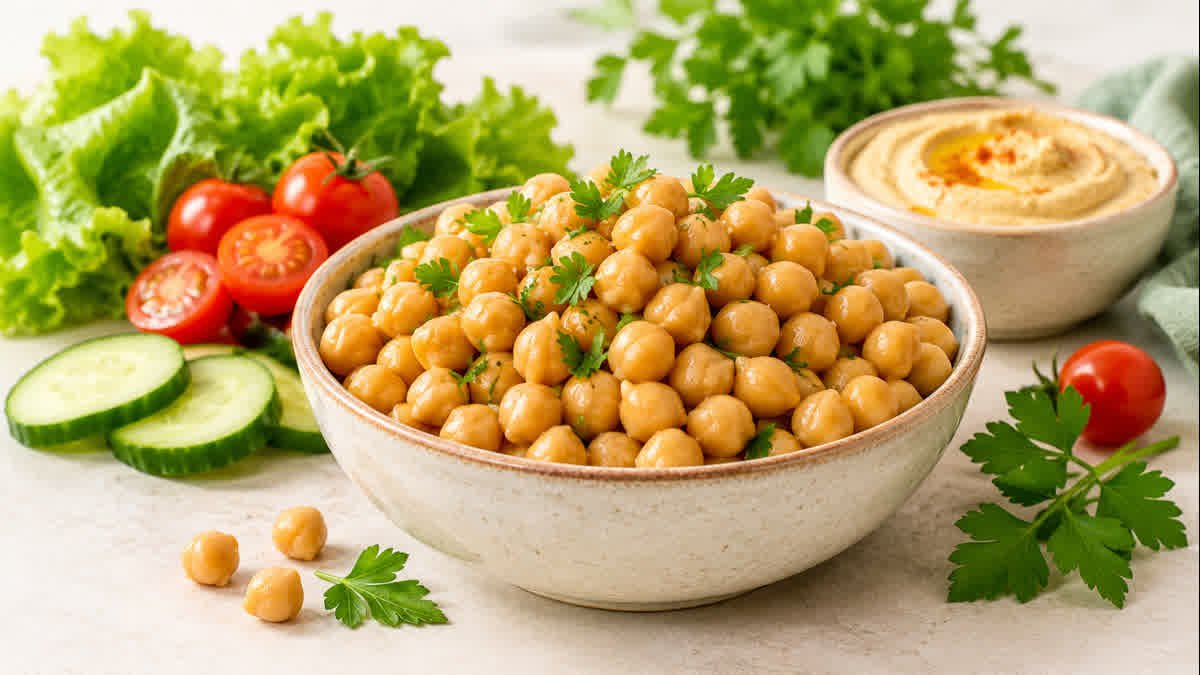

Can a simple can of chickpeas help improve your cholesterol numbers? It is a fair question, especially if your last lab report showed a high LDL (“bad”) cholesterol level and you are looking for practical food changes. If you want background first, our guide to understanding high cholesterol explains what the numbers mean.
The short answer is yes, chickpeas can be a smart addition to a cholesterol-conscious eating pattern. They provide fiber (including soluble fiber), plant-based protein, and other nutrients, and plain cooked chickpeas contain no dietary cholesterol. Research suggests that eating more legumes may modestly lower LDL cholesterol, although most of that research looks at legumes as a group rather than chickpeas alone.
Chickpeas are a helpful food, not a treatment. They do not replace cholesterol-lowering medication, and results vary from person to person. This guide covers how chickpeas may affect cholesterol, what the evidence shows, how much to eat, how to choose canned chickpeas and hummus, and easy ways to enjoy them.
Are Chickpeas Good for High Cholesterol?
Chickpeas can be a nutritious choice for people managing cholesterol. They contain fiber, plant protein, and unsaturated fats, and they are naturally free of dietary cholesterol.
Quick answer: Yes, chickpeas can fit well into a diet for high cholesterol. They provide soluble fiber and plant-based protein, and eating legumes in place of foods high in saturated fat may help support healthier LDL levels. Chickpeas work best as part of an overall heart-healthy pattern, not as a standalone fix.
The Harvard T.H. Chan School of Public Health notes that chickpeas contain soluble fiber and a plant sterol called sitosterol, and that these components may contribute to healthier blood cholesterol as part of a balanced, plant-rich diet.
It helps to be clear about the evidence. The strongest research covers legumes collectively (beans, lentils, peas, and chickpeas together). Studies focused on chickpeas alone are fewer, so it is more accurate to say chickpeas are one good legume choice than to say they are uniquely powerful.
Overall dietary patterns matter more than any one food. Chickpeas help most when they replace foods higher in saturated fat, such as processed meats or fatty cuts of red meat, within an eating pattern that also includes vegetables, fruits, and whole grains. You can explore more options in our list of heart-healthy foods.
How Do Chickpeas Affect Cholesterol Levels?
LDL cholesterol carries cholesterol through the bloodstream. When LDL stays elevated over time, cholesterol can build up in artery walls, which raises the risk of heart disease and stroke. For a deeper look at the different types, see our comparison of LDL vs. HDL cholesterol.
Soluble fiber is the main reason chickpeas are linked with cholesterol management. It forms a gel in the digestive tract and can bind to bile acids, which the liver makes from cholesterol. When those bile acids leave the body in stool instead of being reabsorbed, the liver pulls more cholesterol from the blood to make new ones. Over time, this may lead to lower circulating LDL.
Chickpeas also contain plant sterols, which resemble cholesterol and may compete with it for absorption in the gut. The amounts in whole foods like chickpeas are generally smaller than those in sterol-fortified products, so this is likely a supporting effect.
A third pathway is simple substitution. When chickpeas replace foods rich in saturated fat, overall diet quality improves, and that shift may matter as much as any single nutrient. Finally, these are plausible mechanisms, not proof of a specific clinical result in every person. They explain why legumes tend to help, but they do not guarantee a particular drop in LDL.
Chickpeas Nutrition Facts for High Cholesterol
Cooked chickpeas are nutrient dense. According to the USDA, boiled chickpeas prepared without salt provide about 164 calories, 8.9 g of protein, 2.6 g of fat, and 7.6 g of fiber per 100 grams. They contain 0 mg of dietary cholesterol and very little saturated fat.
| Nutrient (cooked, boiled, no salt) | ½ cup (about 82 g) | 1 cup (164 g) |
|---|---|---|
| Calories | about 135 | about 269 |
| Protein | about 7.3 g | about 14.5 g |
| Total fat | about 2.1 g | about 4.2 g |
| Saturated fat | about 0.2 g | about 0.4 g |
| Carbohydrate | about 22.5 g | about 45 g |
| Fiber | about 6.2 g | about 12.5 g |
| Iron | about 2.4 mg | about 4.7 mg |
| Potassium | about 239 mg | about 477 mg |
| Dietary cholesterol | 0 mg | 0 mg |
Values are approximate and calculated from USDA FoodData Central data for boiled chickpeas without salt (per 100 g: 164 calories, 8.86 g protein, 2.59 g fat, 0.269 g saturated fat, 27.42 g carbohydrate, 7.6 g fiber, 2.9 mg iron, 291 mg potassium). Source: USDA FoodData Central.
Chickpeas also supply folate, magnesium, and unsaturated fats, including linoleic and oleic acids, according to a review of chickpea nutrition. Folate and iron are two of the nutrients the Harvard Nutrition Source highlights as well.
Preparation changes the numbers. Dried chickpeas are more concentrated per gram (about 378 calories and 12.2 g of fiber per 100 g) because they have not absorbed water. Once cooked, the water dilutes those values. Canned chickpeas are similar in nutrition to home-cooked ones, but they often contain added sodium. For more on legume nutrition, see our overview of the health benefits of legumes.
Benefits of Chickpeas for Heart Health
Chickpeas support heart health in several practical ways. Here is how each one works.
1. Provide Soluble Fiber
Soluble fiber can help lower LDL cholesterol by reducing how much cholesterol the body reabsorbs. Chickpeas are one of several fiber-rich foods that contribute to this effect. Our guide to high-fiber foods for digestive health lists other options.
2. Support a Heart-Healthy Eating Pattern
Chickpeas fit naturally into Mediterranean-style and other plant-forward diets. These patterns emphasize legumes, vegetables, whole grains, and unsaturated fats. Learn more in our Mediterranean diet overview.
3. Offer Plant-Based Protein
A half cup of cooked chickpeas provides roughly 7 grams of protein. Using chickpeas in place of some processed or fatty meats can lower saturated fat intake, which the American Heart Association identifies as a key dietary lever for LDL cholesterol.
4. Support Digestive Health
Chickpeas contain both soluble and insoluble fiber. Part of that fiber is fermented by gut bacteria, which supports regularity and a healthy gut environment. For more ideas, see our article on vegetables for gut health.
5. Help Improve Meal Satisfaction
Fiber and protein slow digestion and help meals feel more filling. That can make it easier to build satisfying, lower-saturated-fat meals, which supports a healthy weight over time.
Can Chickpeas Actually Lower LDL Cholesterol?
Chickpeas may help, but the best evidence is about legumes as a group. A 2025 systematic review and meta-analysis in the European Journal of Nutrition pooled randomized trials lasting at least six weeks. It found moderate-certainty evidence that higher legume intake lowered total cholesterol (about 0.23 mmol/L, or roughly 9 mg/dL) and LDL cholesterol (about 0.16 mmol/L, or roughly 6 mg/dL).
An earlier Nordic Nutrition Recommendations review reported a similar pattern in randomized trials, with LDL falling by about 0.19 mmol/L (roughly 7 mg/dL). The same review found that observational studies did not show a clear link between legume intake and heart disease or stroke, and it judged the evidence for those outcomes as limited.
These are modest changes, and the trials included different legumes, amounts, and preparations. They were not chickpea-only studies. Individual results vary, depending on baseline diet, what the legumes replace, genetics, and other factors.
In practical terms, chickpeas are best viewed as one component of a broader cholesterol-management plan. Medication, physical activity, weight management, and other food choices all play a role. The National Heart, Lung, and Blood Institute describes a combined lifestyle approach rather than a single food.
How Many Chickpeas Should You Eat for High Cholesterol?
There is no official chickpea dose for lowering cholesterol. A practical starting point is about ½ cup of cooked chickpeas per serving, once a day or several times a week. In the 2025 meta-analysis, participants ate an average of roughly 86 grams of legumes per day, which is a little more than ½ cup, though amounts varied widely across trials.
Chickpeas are easy to add to meals you already eat. Toss them into salads, soups, and grain bowls, or use them to replace part of the meat in a recipe. Our article on eating chickpeas every day covers daily intake in more detail.
Increase fiber gradually. Going from very little fiber to a lot in one week can cause gas and bloating, so add a small portion first and drink enough water as you go.
Variety matters too. Rotating chickpeas with lentils, black beans, kidney beans, and other legumes gives you a wider range of nutrients and keeps meals interesting.
Are Canned Chickpeas Good for Cholesterol?
Yes, canned chickpeas can be a nutritious, convenient choice. Harvard’s Nutrition Source notes that canned chickpeas retain much of their nutritional value and are comparable to dried cooked versions.
The main concern is sodium, not cholesterol. Sodium affects blood pressure rather than LDL directly, but blood pressure is also important for heart health. See our guide on how to lower blood pressure for more.
To keep canned chickpeas heart-friendly:
- Choose “no salt added” or “low sodium” versions when you can.
- Drain and rinse them under running water. This can reduce sodium by roughly 40%, according to a public health guide.
- Check the Nutrition Facts label for sodium per serving.
Home-cooked dried chickpeas let you control salt completely, but they take longer. Both options work, so choose whichever helps you eat legumes more often.
Is Hummus Good for High Cholesterol?
Hummus can be a good choice. It is made from chickpeas, so it provides fiber and plant-based nutrients, and its olive oil and tahini (ground sesame seeds) contribute unsaturated fats. USDA data cited in a review of chickpeas and hummus lists about 6 g of fiber and 9.6 g of fat per 100 g of hummus.
Portion size and ingredients matter. Hummus is more calorie dense than plain chickpeas because of the added oil, and some store-bought versions contain more sodium or added saturated fat than you might expect. Check the label for both.
Pair hummus with cucumber, carrots, or whole-grain pita instead of chips. For more control, make it at home with olive oil, lemon, garlic, and little added salt. Our article on olive oil benefits explains why olive oil is a common heart-healthy choice.
Best Ways to Eat Chickpeas for Cholesterol
Preparation affects how heart-friendly chickpeas are. Aim for minimal saturated fat, moderate salt, and plenty of vegetables.
- Chickpea and vegetable salad: Combine with tomatoes, cucumber, parsley, lemon juice, and a little olive oil.
- Chickpea curry: Simmer in a tomato or vegetable base using a moderate amount of oil.
- Soups: Add a cup to minestrone or vegetable soup for extra fiber and protein.
- Roasted chickpeas: Toss with herbs and spices and bake until crisp for a snack.
- With lentils or leafy greens: Mix chickpeas with lentils or sauté with spinach for a fiber-rich side. See our guide to leafy greens.
- Homemade hummus: Serve with raw vegetable sticks.
- With whole grains: Serve over brown rice, quinoa, or barley.
- As a meat swap: Replace some ground meat or processed meat in tacos, chili, or pasta sauce.
For more produce ideas, browse our list of the best vegetables for heart health.
Heart-Healthy Chickpea Checklist
- Choose dried chickpeas or no-added-salt canned varieties.
- Drain and rinse canned chickpeas.
- Season with herbs, garlic, lemon, and spices instead of extra salt.
- Pair chickpeas with vegetables and whole grains.
- Replace some processed meat with chickpeas.
- Use olive oil in moderate amounts.
- Check saturated fat and sodium in packaged hummus.
- Include chickpeas as part of a varied, balanced diet.
Chickpeas vs. Other Foods for Cholesterol
No single food is universally best for cholesterol. Chickpeas share many strengths with other fiber-rich foods, and the most useful comparison looks at fiber, protein, saturated fat, and overall diet quality.
- Lentils: Similar fiber and protein, and they cook faster. Both are excellent legume choices.
- Black beans and kidney beans: Comparable fiber and low saturated fat. Each offers slightly different nutrients.
- Oats and barley: Rich in beta-glucan, a well-studied soluble fiber for LDL cholesterol.
- Soybeans: A legume with high-quality plant protein and a long research history in cholesterol studies.
Rather than choosing a winner, aim to include several of these foods across the week. Our overview of heart-healthy foods and healthy fats can help you build a balanced plate.
Are There Any Risks of Eating Chickpeas With High Cholesterol?
High cholesterol does not usually require you to avoid chickpeas. Most people tolerate them well, but a few considerations apply.
- Gas and bloating: The fermentable fibers in chickpeas can cause digestive discomfort, especially if you increase your intake quickly. Gradual increases and thorough cooking can help.
- Sodium: Canned chickpeas and packaged hummus can be high in salt. Choose low-sodium versions and rinse canned beans.
- Calories: Chickpeas are moderately calorie dense, and hummus even more so. Keep portions reasonable if weight management is a goal.
- Digestive conditions: People with irritable bowel syndrome or other digestive conditions may react differently and may need individualized advice from a clinician or registered dietitian.
If you take cholesterol-lowering medication or have other medical conditions, talk with your healthcare professional before making major changes to your diet.
Frequently Asked Questions
Can chickpeas lower cholesterol naturally?
Chickpeas may help support healthier cholesterol as part of a balanced diet. Their soluble fiber can reduce cholesterol reabsorption, and trials of legumes as a group show modest LDL reductions, according to a 2025 meta-analysis. The effect is typically small and varies by person.
Do chickpeas contain cholesterol?
No. Chickpeas are a plant food, so plain cooked chickpeas contain 0 mg of dietary cholesterol, according to USDA data. Added ingredients in prepared dishes, such as butter or cheese, can contribute cholesterol or saturated fat.
Can people with high cholesterol eat chickpeas every day?
For most people, a moderate daily serving (such as ½ cup) fits into a healthy diet. Start small to avoid digestive upset, and vary your legumes over time. Read more in our guide to eating chickpeas every day.
Are chickpeas high in soluble fiber?
Chickpeas contain both soluble and insoluble fiber. Harvard’s Nutrition Source describes chickpeas as a source of both types. Exact soluble fiber amounts vary by variety and preparation.
Is hummus good for high cholesterol?
It can be, when portions are reasonable and ingredients are simple. Hummus provides fiber from chickpeas and unsaturated fats from olive oil and tahini. Check labels for sodium and saturated fat, or make your own.
Are chickpeas better than lentils for cholesterol?
Neither is clearly better. Both are fiber-rich legumes, and the research on cholesterol looks at legumes collectively. Eating a mix of chickpeas, lentils, and beans is a practical approach.
Can chickpeas replace cholesterol medication?
No. Diet can complement treatment, but it should not replace medication your healthcare professional has prescribed. Talk with your clinician before changing or stopping any medication.
Are chickpeas good for heart health?
Chickpeas can support heart health as part of an overall healthy eating pattern. They offer fiber, plant protein, and unsaturated fats, and they can replace foods higher in saturated fat. Evidence for reducing heart attacks or strokes specifically is more limited than evidence for LDL changes.
The Bottom Line
Chickpeas can be a valuable addition to a diet that supports healthy cholesterol. They provide fiber, plant-based protein, and other nutrients, and they contain no dietary cholesterol. Research suggests that eating legumes regularly may modestly improve LDL cholesterol, although most evidence applies to legumes as a group rather than chickpeas alone.
For people managing cholesterol, chickpeas and cholesterol goals work best together within a broader approach: more soluble fiber, vegetables, fruits, whole grains, and unsaturated fats, with less saturated fat. Chickpeas are affordable, versatile, and easy to prepare, but they are not a substitute for prescribed treatment.
For more ideas, explore our guides to the healthiest foods to eat every day and the Mediterranean diet.
Sources
- Hossain MA, Soni K, Agyei D, Kebede B, Reynolds AN. Legume intakes on cardiometabolic profile and gut microbiome function: systematic review and meta-analyses of randomised controlled trials. European Journal of Nutrition. 2025.
- Thorisdottir B, et al. Legume consumption in adults and risk of cardiovascular disease and type 2 diabetes: a systematic review and meta-analysis. Food & Nutrition Research. 2023.
- Harvard T.H. Chan School of Public Health. Chickpeas: The Nutrition Source.
- U.S. Department of Agriculture. FoodData Central: Chickpeas, mature seeds, cooked, boiled, without salt (FDC 173757).
- Wallace TC, et al. Health benefits of chickpeas and hummus (review of consumption and nutrient data). PubMed Central.
- Jukanti AK, et al. Nutritional quality and health benefits of chickpea (Cicer arietinum L.): a review. British Journal of Nutrition. 2012.
- American Heart Association. Cholesterol.
- National Heart, Lung, and Blood Institute. Blood Cholesterol.
- Southern Nevada Health District. Heart Healthy Recipes (draining and rinsing canned foods).
Medical Disclaimer
This article is for educational purposes only and is not a substitute for professional medical advice, diagnosis, or treatment. Chickpeas and other foods may complement, but should not replace, cholesterol-lowering medication or other care prescribed by your healthcare professional. If you have high cholesterol, discuss your lipid results, heart disease risk, and any diet changes with a doctor or registered dietitian.