
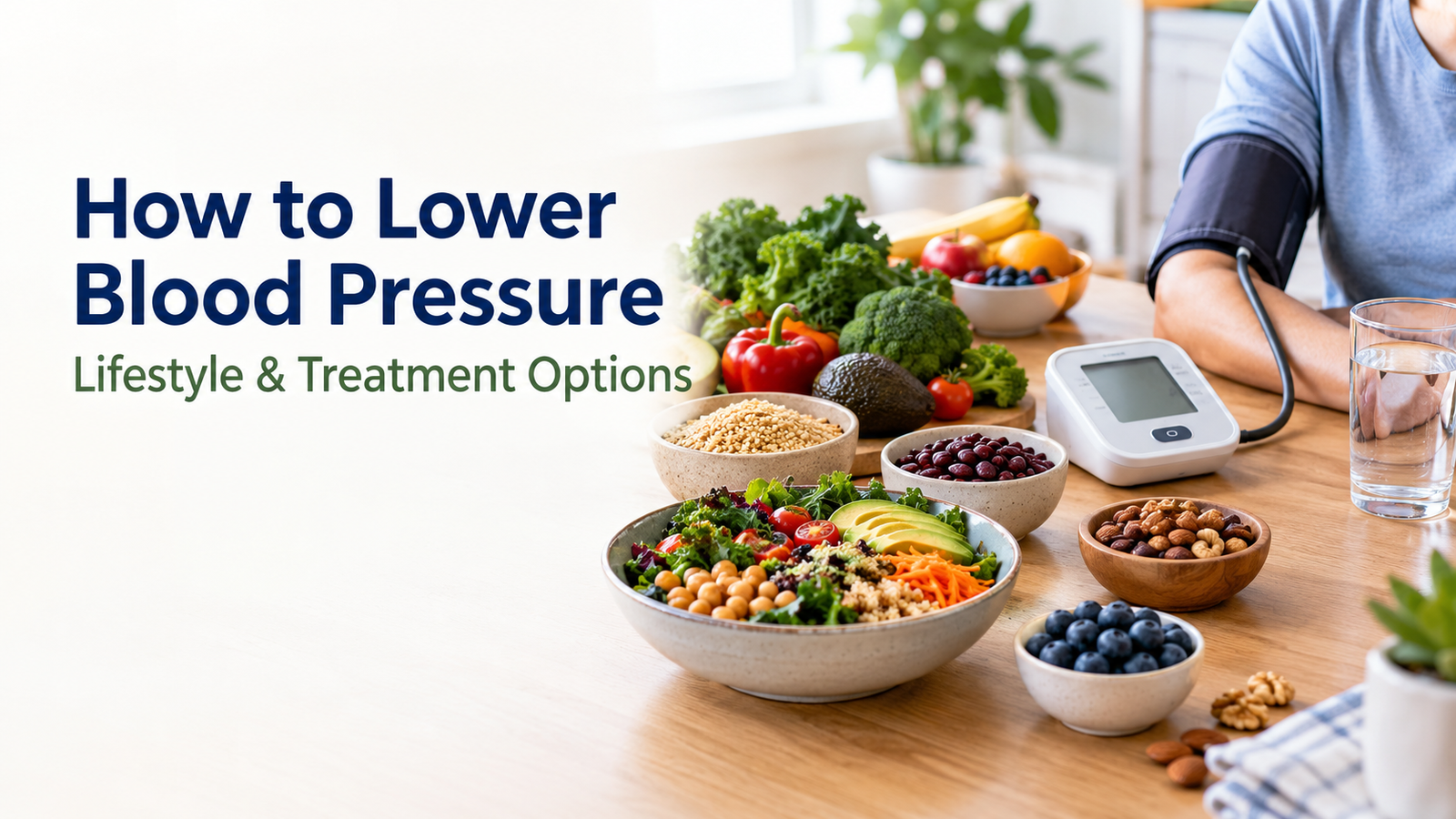

High blood pressure often causes no noticeable symptoms, yet it quietly raises the risk of heart disease, stroke, kidney disease, and other serious complications. That’s part of why it’s sometimes called a “silent” condition — many people don’t know they have it until a routine checkup reveals the numbers.
The good news is that blood pressure responds to change. The main ways to lower and control it include:
- Eating a heart-healthy diet
- Reducing sodium
- Being physically active
- Reaching or maintaining a healthy weight
- Limiting alcohol
- Not smoking
- Managing stress
- Getting adequate sleep
- Monitoring your blood pressure at home
- Taking prescribed medication when recommended
Lifestyle changes are a central part of treatment, but they don’t necessarily replace medication for everyone. Many people benefit from combining healthy habits with a prescribed treatment plan, and the World Health Organization notes that both approaches play a role in managing hypertension.
Important: This article is for general informational purposes only and is not a substitute for professional medical advice, diagnosis, or treatment. Always consult a qualified healthcare provider about your blood pressure and any health concerns.
What Is High Blood Pressure?
Blood pressure measures the force of blood pushing against your artery walls as your heart pumps. It’s written as two numbers: systolic pressure (the top number, measured when your heart beats) over diastolic pressure (the bottom number, measured when your heart rests between beats).
Blood pressure naturally rises and falls throughout the day depending on activity, stress, hydration, and even the time of day. That’s why a single reading doesn’t tell the whole story — healthcare providers typically look at several measurements, taken on different occasions, before making a diagnosis.
There’s also an important distinction between “elevated” blood pressure and “hypertension.” Elevated blood pressure is a warning sign that falls just above normal, while hypertension refers to a set of higher, sustained categories that call for closer attention and, often, treatment.
The 2025 American Heart Association/American College of Cardiology (AHA/ACC) blood pressure guideline classifies blood pressure into the following categories:
| Blood Pressure Category | Systolic (mm Hg) | Diastolic (mm Hg) |
|---|---|---|
| Normal | Less than 120 | Less than 80 |
| Elevated | 120–129 | Less than 80 |
| Stage 1 hypertension | 130–139 | 80–89 |
| Stage 2 hypertension | 140 or higher | 90 or higher |
Guidelines are periodically updated as new evidence emerges, so it’s worth reviewing this framework against current guidance at the time you’re reading it, and discussing your own numbers with a healthcare professional.
Why Lowering Blood Pressure Matters
Uncontrolled high blood pressure puts extra strain on your entire circulatory system. Over time, this can contribute to:
- Heart disease, including damage to the heart muscle and arteries
- Stroke, caused by disrupted blood flow to the brain
- Heart failure, when the heart struggles to pump blood effectively
- Kidney disease, since the kidneys rely on healthy blood vessels to filter blood
- Eye complications, from damage to the small blood vessels in the retina
- Cognitive and vascular complications, including an increased risk of vascular dementia
Learn more about the broader relationship between blood pressure and cardiovascular risk in our guides to heart disease and what heart health means.
10 Ways to Lower Blood Pressure Safely
1. Follow a Heart-Healthy Eating Pattern
One of the best-supported dietary approaches for managing blood pressure is the DASH eating plan (Dietary Approaches to Stop Hypertension). Developed with support from the National Heart, Lung, and Blood Institute (NHLBI), DASH emphasizes:
- Vegetables and fruits
- Whole grains
- Beans and legumes
- Nuts and seeds
- Fish and lean proteins
- Low-fat or fat-free dairy
- Healthy unsaturated fats
At the same time, DASH limits foods high in saturated fat, added sugars, and sodium. For more on building balanced meals, see our guides to heart-healthy foods, what a balanced diet looks like, and the Mediterranean diet, another well-studied pattern with similar principles.
What Does a Blood-Pressure-Friendly Plate Look Like?
A simple way to picture DASH-style eating on your plate:
- Half the plate: vegetables and fruit
- A quarter: whole grains
- A quarter: lean protein
- A small serving of healthy fats (olive oil, nuts, seeds, or fatty fish)
- Water or unsweetened beverages instead of sugary drinks
2. Reduce Sodium and Salt
Excess sodium can contribute to higher blood pressure, and most of it doesn’t come from the salt shaker — it comes from processed and prepared foods. Reading nutrition labels is one of the most useful habits you can build.
Practical strategies include:
- Limiting highly processed foods, salty snacks, cured meats, instant foods, and salty sauces
- Choosing herbs, spices, garlic, lemon or lime juice, and vinegar for flavor instead of salt
- Rinsing canned foods or choosing no-salt-added versions
The DASH eating plan commonly targets 2,300 milligrams of sodium a day, though the NHLBI notes that reducing sodium further, to around 1,500 mg daily, may lower blood pressure even more for some people. Your healthcare provider can help you determine what’s appropriate for your situation.
Easy Low-Sodium Food Swaps
| Instead of | Try |
|---|---|
| Processed meats | Fresh fish, poultry, or beans |
| Salty chips | Unsalted nuts or fresh fruit |
| Instant noodles | Whole-grain noodles with vegetables |
| Salty sauces | Herbs, spices, lemon or lime |
| Canned foods with added sodium | No-salt-added or rinsed options |
3. Get Regular Physical Activity
Physical activity is one of the most effective, low-cost tools for managing blood pressure. Options include walking, cycling, swimming, jogging, dancing, strength training, and simply reducing how much time you spend sitting.
The World Health Organization recommends that adults get at least 150 minutes of moderate-intensity aerobic activity per week, or 75 minutes of vigorous-intensity activity, along with muscle-strengthening activity on two or more days a week. Our guide to the benefits of exercise covers this in more depth.
A Beginner’s Blood-Pressure Exercise Plan
If you’re starting from a sedentary baseline, ease in gradually:
- Week 1: 10–15 minute walks most days
- Week 2: Build up to 20 minutes most days
- Following weeks: Gradually work toward 150 minutes of moderate activity per week
- Ongoing: Add strength exercises two or more days a week as appropriate
People with heart conditions, joint problems, or other health concerns should talk with their healthcare provider before starting a new exercise program.
4. Reach or Maintain a Healthy Weight
Carrying excess body weight is linked to higher blood pressure, though the amount of improvement varies from person to person — no source can promise a specific blood pressure drop for a specific amount of weight loss.
Instead of an all-or-nothing approach, focus on sustainable habits:
- Paying attention to portion sizes
- Filling your plate with more vegetables and whole foods
- Staying physically active
- Getting adequate sleep
- Cutting back on sugary drinks
- Keeping a consistent eating pattern
The NHLBI notes that even modest weight loss can meaningfully improve health markers, including blood pressure, in adults living with overweight or obesity. Our guide to weight management takes a practical, non-restrictive approach to this topic.
5. Limit Alcohol
Alcohol can raise blood pressure, and people with hypertension may need to reduce or avoid it altogether. If you drink, talk with your healthcare provider about how much is appropriate for you. Alcohol shouldn’t be viewed as a health intervention — the goal here is limiting a known contributor to elevated blood pressure, not adding it for benefit.
6. Quit Smoking and Avoid Tobacco
Smoking damages blood vessels and adds to overall cardiovascular risk, compounding the effects of high blood pressure. This applies to cigarettes, other tobacco products, and secondhand smoke.
Quitting is difficult, and support matters more than willpower alone. Resources like your healthcare provider, quitlines, and structured cessation programs can significantly improve your odds of success.
7. Manage Stress
Chronic stress can affect blood pressure, and while stress management alone won’t replace medical treatment, it’s a meaningful piece of the overall picture. Practical strategies include:
- Regular physical activity
- Breathing exercises and meditation
- Spending time outdoors
- Leaning on social support
- Counseling, when appropriate
- Setting healthier boundaries between work and rest
Our guide to how to reduce stress offers more detailed strategies you can build into your routine.
8. Get Enough Quality Sleep
Sleep and blood pressure are closely connected. Prioritize:
- A consistent sleep and wake schedule
- Adequate total sleep duration
- Good sleep quality, not just quantity
If you experience symptoms that suggest sleep apnea — such as loud snoring, gasping during sleep, or excessive daytime fatigue — talk with a healthcare professional about evaluation, since untreated sleep apnea can affect blood pressure control. Our guide to how to improve sleep covers healthy sleep habits in more detail.
9. Monitor Your Blood Pressure at Home
Home monitoring is an increasingly important part of blood pressure management. The 2025 AHA/ACC guideline highlights home blood pressure monitoring as a valuable tool for improving control, while cautioning against relying on cuffless devices, such as smartwatches, until they demonstrate greater accuracy.
To monitor effectively:
- Choose a validated, upper-arm cuff monitor rather than a wrist device
- Use the correct cuff size for your arm
- Sit quietly for a few minutes before measuring
- Keep your arm supported at heart level
- Take readings at consistent times
- Record your results and share the log with your healthcare provider
Common Home Blood Pressure Monitoring Mistakes
- Measuring immediately after exercise
- Talking or looking at your phone during measurement
- Using an incorrect cuff size
- Sitting with your legs crossed
- Taking only a single reading
- Measuring inconsistently from day to day
- Treating one unusual reading as a diagnosis
10. Take Blood Pressure Medication as Prescribed
Lifestyle changes and medication aren’t competing strategies — many people need both to reach a healthy blood pressure. If your healthcare provider prescribes medication, they may consider several classes, including:
- ACE inhibitors
- Angiotensin receptor blockers (ARBs)
- Calcium channel blockers
- Diuretics
- Beta-blockers, in selected circumstances
- Combination therapy using more than one medication
The choice depends on your blood pressure levels, medical history, other health conditions, risk factors, and how you respond to treatment. This article can’t and won’t recommend a specific drug or dose — that decision belongs to you and your healthcare provider.
Can You Lower Blood Pressure Without Medication?
Some people with elevated blood pressure or lower-risk hypertension can improve their readings substantially through lifestyle changes alone. But this isn’t true for everyone, and it’s important to set realistic expectations.
A few key points:
- Not everyone can control hypertension with lifestyle changes alone.
- Some people require medication in addition to healthy habits.
- If you’re prescribed medication, don’t stop taking it just because your readings improve — that decision should always involve your provider.
- Treatment is individualized, based on your overall cardiovascular risk and health history.
The 2025 AHA/ACC guideline recommends medication for adults with average blood pressure at or above 140/90 mm Hg, and for certain people with readings at or above 130/80 mm Hg who have additional risk factors such as cardiovascular disease, a previous stroke, diabetes, chronic kidney disease, or elevated cardiovascular risk.
If you’re managing risk factors like diabetes or prediabetes alongside high blood pressure, this combination is worth discussing directly with your provider.
What Foods Help Lower Blood Pressure?
Foods to Eat More Often
- Leafy green vegetables
- Other vegetables, such as peppers, carrots, and squash
- Berries and other fruits
- Whole grains
- Beans and lentils
- Nuts and seeds
- Fish, particularly those rich in omega-3 fatty acids
- Low-fat dairy or suitable alternatives
- Unsaturated fats, such as olive oil
Foods to Limit
- Processed meats
- Highly salty packaged foods
- Fast food
- Salty snacks
- Foods high in saturated fat
- Sugar-sweetened beverages
- Excessive alcohol
This approach lines up directly with the DASH eating pattern. For more ideas on building meals around these principles, see our guides to healthiest foods to eat every day, high-fiber foods for digestive health, and anti-inflammatory foods.
How Quickly Can You Lower Blood Pressure?
There’s no single timeline for lowering blood pressure, and it’s worth being skeptical of any claim promising an instant fix. Blood pressure can respond to changes in:
- Sodium intake
- Physical activity levels
- Body weight
- Alcohol intake
- Medication
- Overall diet quality
- Stress and sleep patterns
Some people see meaningful improvement within weeks of adopting DASH-style eating or starting an exercise routine, while others need more time — and some need medication to reach their target. Avoid sources that promise you can lower blood pressure “in five minutes” or “instantly.” Sustainable change, not a quick fix, is what actually moves the needle.
What to Do When a Reading Is Higher Than Usual
If you get a blood pressure reading that’s higher than your usual numbers:
- Sit quietly for a few minutes and re-check your measurement technique.
- Make sure your arm is supported and you’re not talking or moving.
- Take a second reading a few minutes later, following proper home-monitoring guidance.
- Record both readings.
- Contact your healthcare provider if the reading remains elevated or if you have any concerning symptoms.
What Blood Pressure Reading Is an Emergency?
This is one of the most important sections in this guide. A blood pressure reading above 180/120 mm Hg requires prompt medical attention — especially if it’s accompanied by symptoms such as:
- Chest pain
- Shortness of breath
- Weakness or numbness, especially on one side of the body
- Vision changes
- Difficulty speaking
- Other concerning neurological symptoms, such as sudden severe confusion or dizziness
The 2025 AHA/ACC guideline distinguishes between severely elevated blood pressure without other symptoms — which can typically be addressed with prompt outpatient care — and situations involving signs of acute organ damage, which require emergency evaluation. If you or someone near you has a very high reading along with any of the symptoms above, seek emergency care immediately or call 911. This is not a situation to manage at home.
Related symptoms are worth understanding on their own, too — see our guides to chest pain, shortness of breath, and dizziness.
How Is High Blood Pressure Treated?
Lifestyle Changes
The foundation of treatment includes heart-healthy eating, sodium reduction, regular physical activity, weight management, stress management, quality sleep, tobacco cessation, and limiting alcohol. For many people with elevated blood pressure or lower-stage hypertension, this is the first step recommended by a healthcare provider.
Blood Pressure Medication
When lifestyle changes aren’t enough on their own, or when your overall cardiovascular risk calls for it, your provider may prescribe medication. As covered above, several classes exist, and the right choice depends on your individual profile.
Combination Treatment
Some people need more than one medication, often from different classes, to reach their blood pressure target. This is common and doesn’t reflect a treatment failure — it simply reflects how blood pressure regulation works in the body.
Regular Follow-Up
Blood pressure management typically isn’t a “set it and forget it” process. Your treatment plan may need to be adjusted over time based on your readings, any side effects, and changes in your overall health.
A Simple Daily Routine for Healthier Blood Pressure
Morning
- Take prescribed medication as directed
- Eat a balanced breakfast
- Check your blood pressure if your provider has asked you to
- Take a short walk
Afternoon
- Choose a lower-sodium lunch
- Stay physically active during the day
- Drink water instead of sugary beverages
- Avoid long stretches of sitting
Evening
- Eat a vegetable-rich dinner
- Limit alcohol
- Take a relaxing walk
- Practice a stress-management technique
- Keep a consistent bedtime
Common Mistakes to Avoid When Trying to Lower Blood Pressure
- Stopping medication without medical advice
- Relying on supplements or “natural cures” instead of proven approaches
- Trying extreme or restrictive diets
- Eliminating entire food groups unnecessarily
- Checking blood pressure immediately after exercise
- Assuming one high reading means you have chronic hypertension
- Ignoring consistently high readings
- Relying exclusively on smartwatch or cuffless blood pressure readings
- Searching for an instant fix instead of sustainable habits
Frequently Asked Questions
How can I lower my blood pressure naturally?
Heart-healthy eating, regular physical activity, sodium reduction, weight management, stress reduction, and adequate sleep can all help lower blood pressure naturally. However, some people also need medication, and lifestyle changes work best alongside, not instead of, medical guidance.
What is the fastest safe way to lower blood pressure?
There’s no instant, safe way to lower blood pressure. The most reliable approach combines consistent lifestyle habits with medical treatment when needed. Be wary of any method claiming immediate results — sustainable change takes time.
Can drinking water lower blood pressure?
Staying hydrated supports overall cardiovascular function, but water alone isn’t a proven treatment for high blood pressure. It’s a helpful habit within a broader heart-healthy lifestyle, not a standalone solution.
What foods are good for high blood pressure?
Vegetables, fruits, whole grains, beans, nuts, seeds, fish, and low-fat dairy — the foundation of the DASH eating plan — are all linked to healthier blood pressure. Limiting sodium, processed foods, and added sugars matters just as much as what you add.
Does walking lower blood pressure?
Yes. Regular walking and other forms of moderate aerobic activity can help lower and control blood pressure over time. The World Health Organization recommends at least 150 minutes of moderate activity, like brisk walking, per week.
How much sodium should I eat if I have high blood pressure?
Many people benefit from limiting sodium to around 2,300 mg per day, with some seeing greater improvement at 1,500 mg per day. Your healthcare provider can help you determine the right target based on your health history.
Can high blood pressure go away?
For some people, especially those with elevated blood pressure or early-stage hypertension, sustained lifestyle changes can bring readings back into a normal range. Others will need ongoing management, including medication, for the long term.
Can I stop my blood pressure medicine if my readings improve?
No — never stop or adjust prescribed medication without talking to your healthcare provider first. Improved readings often reflect the medication working as intended, and stopping it can cause blood pressure to rise again.
What blood pressure number is considered dangerous?
A reading above 180/120 mm Hg is considered a hypertensive emergency, especially when paired with symptoms like chest pain, shortness of breath, or neurological changes. This requires immediate medical attention.
How often should I check my blood pressure at home?
This depends on your individual situation and your healthcare provider’s recommendations. Many people with hypertension are advised to check daily or several times a week, using consistent technique and timing, and to share their logs at follow-up visits.
The Bottom Line
Lowering blood pressure is rarely about one dramatic change — it’s about building sustainable habits that add up over time. Eating a heart-healthy diet, reducing sodium, staying active, managing weight and stress, sleeping well, and avoiding tobacco all move the needle. For many people, these changes work alongside — not instead of — prescribed medication and regular medical follow-up.
If you’re concerned about your blood pressure, the most valuable next step is a conversation with your healthcare provider about your numbers, your risk factors, and the treatment plan that’s right for you. For related reading, explore our guides to high blood pressure, heart health, and healthy living tips.
Sources
- American Heart Association / American College of Cardiology. 2025 High Blood Pressure Guideline
- National Heart, Lung, and Blood Institute. DASH Eating Plan
- National Heart, Lung, and Blood Institute. High Blood Pressure
- World Health Organization. Hypertension Fact Sheet
- World Health Organization. Physical Activity Recommendations
- Centers for Disease Control and Prevention. Managing High Blood Pressure
- Centers for Disease Control and Prevention. Preventing High Blood Pressure
- Centers for Disease Control and Prevention. Measuring Your Blood Pressure
8 thoughts on “How to Lower Blood Pressure Safely: Lifestyle & Treatment Options”
Comments are closed.