
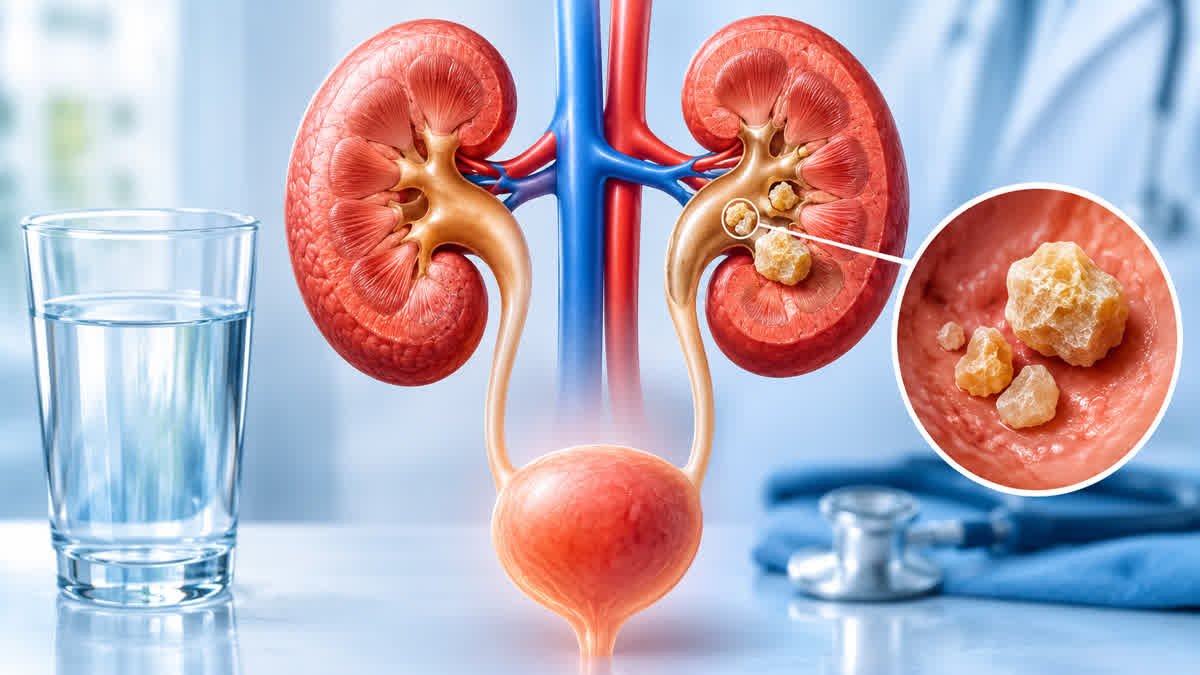

Kidney stones are one of the most widespread urinary health conditions, affecting millions of people around the world. They form when minerals and salts in urine become concentrated and clump into hard deposits. So how common are kidney stones? A 2025 systematic review and meta-analysis estimated global prevalence at about 10.85%, although estimates varied considerably with study methods and populations.
That means roughly one in ten people may have a kidney stone at some point, though the true figure depends on where and how it is measured. Kidney stones affect people of all ages, but some groups face a higher risk than others. Many people also have stones without knowing it.
This guide explains the main statistics, how they differ by sex, age, and region, and why these numbers are shifting. You will also learn what raises risk and which habits may help reduce it. This information is general and does not replace advice from a healthcare professional.
How Common Are Kidney Stones Worldwide?
Kidney stones, also called nephrolithiasis or urinary stone disease, are a significant public health concern. The 2025 meta-analysis mentioned above pooled results from many studies and put global prevalence near 11%. Individual studies reported very different numbers, because they used different definitions, survey methods, and populations.
Several things explain why estimates vary:
- Some studies rely on self-reported history, while others use imaging or medical records
- Countries differ in diet, climate, and access to diagnostic testing
- Age and sex makeup of the studied group can change the results
Incidence adds another angle. A Global Burden of Disease analysis estimated about 106 million new cases of urolithiasis worldwide in 2021. The number of new cases rose by 26.7% between 2000 and 2021, yet the age-standardized incidence rate fell by 17.5% over the same period.
These statements do not contradict each other. Total case numbers grow when populations grow and age, while age-standardized rates adjust for those changes. The table below shows how these measures differ.
| Measure | What it tells you |
|---|---|
| Prevalence | How many people have had kidney stones (often over a lifetime or at a point in time) |
| Incidence | How many new cases develop in a specific period, such as one year |
| Age-standardized rate | The rate adjusted for population age, so groups can be compared fairly |
The figures above come from published research, and you can find the studies listed in the Sources section. Estimates may be updated as new data appear.
What Percentage of People Get Kidney Stones?
Two ideas are useful here. Lifetime risk is the chance that a person will have a kidney stone at some point in life. Current prevalence describes how many people have experienced stones as of a given survey.
The U.S. offers a helpful example. A nationally representative U.S. study using 2017 to 2020 data estimated that 9.9% of adults had experienced kidney stones during their lifetime. This is a U.S. estimate and should not be treated as a universal percentage for every country.
Survey-based and clinical numbers can differ. Surveys depend on people remembering and reporting a past stone, while clinical data depend on who sought care and which tests were done. Some people also have small stones that cause no symptoms and are never found, so these numbers may undercount the true total.
For background on how stones are found, see our guide on how kidney stones are diagnosed.
Are Kidney Stones More Common in Men or Women?
Research generally finds higher prevalence in men, but the gap varies by population and may be narrowing in some places. The 2025 global meta-analysis estimated prevalence at 12.93% in men and 8.91% in women. These are pooled study estimates, not individual risk, and one person’s chance depends on many other factors.
Kidney Stones in Men
Men have historically had higher rates of kidney stones. Possible contributors include differences in urinary chemistry, diet, fluid intake, and metabolic factors. Researchers continue to study why the difference exists, and no single explanation has been proven.
Kidney Stones in Women
Kidney stones affect a large number of women too. Some research suggests the sex gap has narrowed in certain populations. Obesity, metabolic conditions, and dietary patterns may play a role, though more research is needed.
Women should not assume their risk is low. Anyone with symptoms deserves proper evaluation. Our article on the early signs of kidney stones can help you recognize them.
At What Age Are Kidney Stones Most Common?
Kidney stones often first appear in adulthood, and many people are diagnosed in their working years. However, no age group is entirely free of risk. Age-related changes in metabolism, medications, and health conditions can also influence stone formation later in life.
Can Young Adults Get Kidney Stones?
Yes. Kidney stones are not only a condition of older adults. Dehydration, certain eating patterns, excess weight, a family history of stones, and some medical conditions can raise risk in younger people. A person in their 20s or 30s with typical stone symptoms should be evaluated like anyone else.
Are Kidney Stones Common in Older Adults?
Older adults may face added risk factors, such as chronic conditions, certain medications, and lower fluid intake. These factors do not make stones inevitable with aging. Many older adults never develop them, and prevention steps may still help.
Symptoms matter at every age. If you have severe flank pain, blood in the urine, or fever, seek care promptly.
Why Are Kidney Stones Becoming More Common?
Total case numbers have risen worldwide, though age-standardized trends vary. Researchers point to several factors that may contribute. These are associations, not proven causes for every person. To learn more, see what causes kidney stones.
Dehydration and Inadequate Water Intake
When you drink too little, urine becomes more concentrated. This makes it easier for minerals to crystallize and form stones. Our article on the benefits of hydration explains why fluids matter.
Dietary Habits
High sodium intake and large amounts of animal protein may raise risk in susceptible people. The effect varies by stone type and by person. Balanced eating, rather than strict restriction, is usually the goal.
Obesity and Metabolic Conditions
Obesity, type 2 diabetes, and metabolic syndrome have all been linked with a higher likelihood of kidney stones. Researchers are still working out how these conditions change urine chemistry.
Climate and Environmental Factors
Hot climates and heavy sweating can lead to dehydration if fluids are not replaced. Over time, this may increase the chance of forming stones, especially in people who work outdoors or in hot indoor settings.
Lifestyle Changes
Sedentary habits and shifting food patterns may also play a part. Evidence here is less direct than for hydration, so these links should be viewed with caution. See our guide on what causes a sedentary lifestyle for related context.
Who Is Most at Risk of Developing Kidney Stones?
Some people have a higher likelihood of forming stones. Common risk factors include:
- A family history of kidney stones
- Not drinking enough fluids
- Obesity or metabolic syndrome
- Certain digestive conditions
- High sodium intake
- A previous kidney stone
- Living or working in hot environments
- Certain inherited metabolic conditions
Having one or more risk factors does not mean you will develop a stone. Some people with several risk factors never do, while others with few risk factors still do. Read more in our overview of kidney stone risk factors.
Are Kidney Stones Common in Certain Countries and Regions?
Yes, rates differ by region. Researchers have long noted higher stone rates in some hot, dry areas, sometimes called stone belts. Climate, diet, hydration habits, genetics, and access to healthcare all appear to play a role.
South Asia is often discussed in this context because of its hot climate in many areas. However, country-specific numbers depend on the population studied and the methods used. It would be misleading to assume a high or low rate for any single country without local data.
Access to testing also affects reported numbers. Places with limited imaging may record fewer stones, even if true rates are similar. For these reasons, compare regional statistics carefully.
Can Kidney Stones Come Back After Treatment?
Yes, they can. Treating a stone that is already present is different from preventing a new one. Many people who have one stone form another over time.
Recurrence depends on the underlying cause. Dehydration, diet, genetics, and metabolic problems can all contribute. For people with repeat stones, a clinician may suggest stone analysis and urine testing to look for the cause.
Hydration and diet changes can help, but they do not guarantee a stone will not return. Medical follow-up is useful for people with recurrent stones. Our guide to kidney stone treatment options explains what care may involve.
How Can You Reduce Your Risk of Kidney Stones?
No approach can fully prevent stones, but some habits may lower your risk. The National Institute of Diabetes and Digestive and Kidney Diseases (NIDDK) provides background on kidney stones and risk.
Drink Enough Water
Adequate fluids dilute urine, which makes it harder for stone-forming minerals to clump together. Try to spread your intake across the day. Our tips on how to build a hydration habit may help.
Reduce Excessive Sodium
High sodium can raise the amount of calcium in urine in some people. Cutting back on salty packaged foods is a reasonable step for many.
Maintain a Balanced Diet
A varied diet is usually better than unnecessary restrictions. Do not cut out calcium-rich foods without medical advice, since getting calcium from food is generally encouraged. See our guide to what a healthy diet looks like.
Maintain a Healthy Weight
Metabolic health and stone risk appear connected. Our article on weight management offers practical ideas.
Follow Medical Advice
If you have had stones, ask whether stone analysis or other testing makes sense. The best advice depends on your stone type and health. See what makes kidney stones worse for common triggers.
When Should You See a Doctor About Kidney Stones?
See a healthcare professional if you have:
- Severe pain in the back or side
- Pain that spreads toward the lower abdomen or groin
- Blood in the urine
- Nausea or vomiting
- Pain or burning when urinating
- Frequent urination
Urgent warning: Fever or chills with suspected kidney stones, especially with urinary symptoms, need urgent medical assessment. A blocked and infected urinary tract can be dangerous. If you are managing a diagnosed stone, our guide on how to manage kidney stones at home explains what is safe.
Frequently Asked Questions About Kidney Stones
How common are kidney stones in adults?
Kidney stones affect a meaningful share of adults worldwide. A 2025 meta-analysis estimated global prevalence at roughly 11%, while a U.S. study estimated 9.9% of adults had a stone at some point. Numbers vary by population and research method.
What percentage of people will get kidney stones?
Lifetime risk is the chance of ever having a stone, which is different from how many people have one right now. In the U.S., about 1 in 10 adults report a stone in their lifetime. Your own risk depends on age, sex, genetics, diet, and health.
Are kidney stones more common in men?
Research generally finds higher prevalence in men, but the gap differs between populations. The 2025 meta-analysis reported 12.93% in men and 8.91% in women. Women can and do develop kidney stones.
Can a 20-year-old get kidney stones?
Yes. Stones can develop in young adults, especially when risk factors such as dehydration, a family history, or metabolic conditions are present. Anyone with typical symptoms should seek evaluation.
Are kidney stones becoming more common?
Total case numbers have risen globally. However, age-standardized incidence has not risen in the same way, with one analysis showing a 17.5% decline from 2000 to 2021. Trends vary by region and study.
Can you have kidney stones without knowing it?
Yes. Some stones cause no noticeable symptoms and are found by chance during imaging for another reason. A clinician can advise whether a silent stone needs monitoring or treatment.
Conclusion: Kidney Stones Are Common, but Prevention Matters
Kidney stones are a widespread health concern, affecting roughly one in ten people by many estimates. Prevalence differs by age, sex, region, and personal risk factors, and case numbers have grown even where age-adjusted rates have not.
Prioritize steady hydration, balanced eating, and prompt medical advice when symptoms appear. For more, explore CollectedMed’s kidney health and wellness guides.
Sources
- National Institute of Diabetes and Digestive and Kidney Diseases (NIDDK). Definition and Facts for Kidney Stones
- 2025 systematic review and meta-analysis of global urolithiasis prevalence (global prevalence of about 10.85%; 12.93% in men and 8.91% in women)
- Global Burden of Disease Study analysis of urolithiasis, 2000 to 2021 (about 106 million incident cases in 2021)
- Nationally representative U.S. study of kidney stone prevalence in adults, 2017 to 2020 data (9.9% lifetime prevalence)
Medical Disclaimer: This article is intended for informational and educational purposes only. It does not replace professional medical advice, diagnosis, or treatment. Consult a qualified healthcare professional if you experience symptoms of kidney stones or have concerns about your kidney health.
2 thoughts on “How Common Are Kidney Stones? Prevalence, Statistics, and Risk Factors”
Comments are closed.