
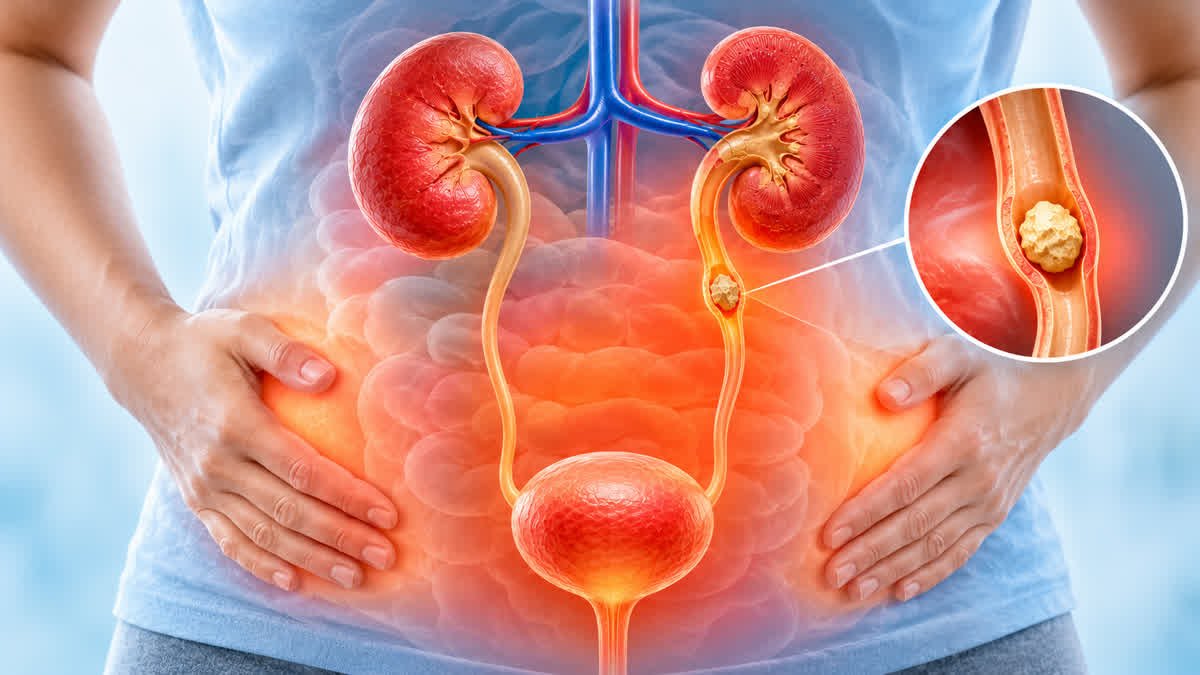

Can kidney stones cause bloating? Not typically. Bloating is not a classic or defining symptom of kidney stones. More often, a stone causes pain in the side or back, and that pain may spread toward the lower abdomen or groin.
Kidney stones can also cause nausea and vomiting. Severe pain and an upset stomach can make your whole abdomen feel unwell. That can be easy to mistake for digestive discomfort. Gas, constipation, indigestion, and other digestive conditions are far more common causes of bloating.
This guide explains how to tell the difference. You will learn which symptoms point more clearly to kidney stones and which digestive problems often explain bloating. You will also find out when to seek medical care.
Can Kidney Stones Cause Bloating?
Bloating is not among the symptoms usually listed for kidney stones. The National Institute of Diabetes and Digestive and Kidney Diseases (NIDDK) describes sharp pain in the back, side, lower abdomen, or groin. It also lists blood in the urine. Nausea, vomiting, and urinary changes are other common signs.
You can still have both problems at once. A person may have a kidney stone and feel bloated. That does not prove the stone caused the bloating. The two conditions may be unrelated.
It helps to define each term:
- Bloating is a feeling of fullness or swelling in the abdomen, according to NIDDK’s gas and bloating guide.
- Distention means the abdomen actually looks larger than usual. NIDDK notes that only about half of people with bloating also have distention.
- Abdominal pain is a separate symptom, and a kidney stone can cause it.
If bloating is persistent or significant, it deserves a closer look for other causes. For a broader view of abdominal symptoms, see our guide to kidney stones and abdominal pain. To learn about prevalence, read how common kidney stones are.
What Are the Common Symptoms of Kidney Stones?
Knowing the typical symptoms helps you avoid treating bloating as the main warning sign. Symptoms depend on a stone’s size and position. Our guide to the early signs of kidney stones covers them in more depth.
Pain in the Side or Back
This pain often occurs below the ribs. It may affect one side. It can be sharp, severe, or wave-like.
Pain in the Lower Abdomen or Groin
Pain may travel from the side or back toward the lower abdomen. Its location may change as the stone moves through the ureter. The ureter is the narrow tube that carries urine from the kidney to the bladder.
Changes in Urination
Urinary changes can include:
- Pain or burning when urinating
- A frequent urge to urinate
- Passing only small amounts of urine
- Blood in the urine, which may look pink, red, or brown
Nausea and Vomiting
Severe stone pain can bring on nausea and vomiting. The European Association of Urology (EAU) lists nausea as a common companion to renal colic. Renal colic is the severe, wave-like pain caused by a blocked ureter.
Fever and Chills
Fever and chills may signal an infection. They need urgent medical assessment, especially when a stone may be blocking urine flow.
Symptoms vary. The NHS notes that very small stones may cause few symptoms and may pass painlessly. For more on how stones form, see what causes kidney stones.
Why Might You Feel Bloated When You Have Kidney Stones?
Bloating and kidney stones can overlap for several reasons. None of these show that a stone directly causes gas or a swollen abdomen.
Nausea and Digestive Discomfort
Severe pain can come with nausea and vomiting. Some people describe the overall abdominal discomfort as bloated or unsettled. In that case, the word “bloated” may describe how nausea and pain feel. It may not describe true bloating. Our article on what causes nausea explains other triggers.
Reduced Food or Fluid Intake
Pain and nausea can change how you eat and drink. A change in routine can coincide with digestive discomfort. It does not establish that a stone is causing the bloating.
Constipation or Other Digestive Issues
Constipation and gas are common causes of bloating. They can happen with or without kidney stones. See our guide on whether constipation can cause bloating.
Two Conditions May Be Present at the Same Time
A person can have a kidney stone and a separate digestive condition. It is best not to assume one explains every symptom. A healthcare professional can help sort this out.
Kidney Stone Pain vs. Bloating and Gas Pain
Patterns can offer clues, but they cannot confirm a diagnosis. Use this table as an educational guide only.
| Feature | Possible kidney stone pain | Gas-related bloating |
|---|---|---|
| Main sensation | Sharp, severe, or cramping pain | Fullness, pressure, or abdominal discomfort |
| Common location | Side or back, sometimes spreading to the lower abdomen or groin | Often across the abdomen |
| Pattern | May come in intense waves | May fluctuate with meals or passing gas |
| Other clues | Blood in urine, urgency, painful urination, nausea | Belching, flatulence, abdominal rumbling |
| Common mechanism | Stone movement or urinary obstruction | Gas in the digestive tract |
How Kidney Stone Pain Usually Feels
Kidney stone pain often starts in the flank. It may spread toward the lower abdomen and groin. It can come in waves. According to the EAU, renal colic pain does not ease when you change position.
How Gas and Bloating Usually Feel
Bloating tends to feel like fullness or pressure. Your abdomen may look larger. You may also belch or pass gas more than usual. The NHS also lists tummy rumbling and discomfort as common signs.
Can You Tell the Difference at Home?
Not reliably. Symptom patterns can offer hints. They cannot diagnose a cause. See a healthcare professional if pain is severe, lasts, or comes with urinary symptoms. For general guidance, read should I worry about abdominal pain.
Other Common Causes of Bloating
Bloating has many causes unrelated to kidney stones. The ones below are possibilities, not diagnoses.
Gas in the Digestive Tract
NIDDK explains that gas builds up in two main ways. People swallow air, and bacteria in the large intestine break down undigested carbohydrates. You swallow more air when you:
- Eat or drink too fast
- Chew gum or suck on hard candy
- Drink fizzy drinks
- Smoke
Constipation
Difficulty passing stool can cause abdominal fullness and discomfort. Learn more about the early signs of constipation.
Food Intolerance
Some people feel bloated after eating foods they do not tolerate well. NIDDK names lactose intolerance and fructose intolerance as examples. Symptoms may include bloating, abdominal pain, and diarrhea.
Indigestion
Indigestion can cause fullness and upper abdominal discomfort after meals. Acid reflux can also contribute. See whether acid reflux can cause bloating.
Irritable Bowel Syndrome (IBS)
IBS may cause recurring bloating, cramps, diarrhea, or constipation. You can read about the early signs of IBS on CollectedMed. For a wider overview, see common digestive problems.
Persistent or worsening symptoms should be assessed by a healthcare professional.
When Should You Worry About Bloating and Kidney Stone Symptoms?
Bloating alone is often linked to digestive causes. Certain symptoms alongside it call for medical attention.
Seek prompt medical assessment if you have:
- Severe or persistent pain in the side, back, or abdomen
- Blood in your urine
- Pain or burning when urinating
- Repeated nausea or vomiting
- New or worsening urinary symptoms
- Bloating that persists, keeps returning, or comes with unexplained weight loss
The NHS advises seeing a doctor if bloating lasts about three weeks or more. It also advises seeing one if you feel bloated regularly.
Seek urgent care if suspected kidney stone symptoms come with fever or chills, inability to urinate, severe uncontrolled pain, or repeated vomiting. A blocked urinary tract with infection can be dangerous.
Sudden severe abdominal pain needs urgent evaluation. So does a markedly swollen abdomen with an inability to pass stool or gas. Our guide on when abdominal pain is an emergency lists more red flags.
How Are Kidney Stones Diagnosed?
Doctors do not diagnose kidney stones from bloating alone. They look at your overall symptoms and test results. See our full guide on how kidney stones are diagnosed.
Medical History and Physical Examination
A healthcare professional may ask about:
- Pain location and how long it has lasted
- Urinary changes
- Nausea or vomiting
- Previous kidney stones
Urine and Blood Tests
Urine tests can detect blood or signs of infection. Blood tests can help assess kidney function and other factors.
Imaging Tests
Ultrasound or CT scans can show a stone, its location, and any blockage. The test choice depends on your circumstances. For example, pregnancy affects which imaging is used.
What Can Help Relieve Bloating?
This section covers general digestive comfort. It is not kidney stone treatment. These steps may help some people:
- Eat slowly and avoid swallowing extra air.
- Notice whether certain foods or fizzy drinks trigger symptoms.
- Stay physically active when you feel well enough.
- Address constipation with dietary and healthcare guidance. Our guide on managing constipation at home may help.
- Keep a simple record of when bloating occurs and what comes with it.
Fiber can help some people. See our list of high-fiber foods for digestive health. Add fiber gradually, because a sudden increase can worsen gas.
A caution: If you have suspected or diagnosed kidney stones, follow your clinician’s fluid and treatment advice. Do not drink excessive water to treat unexplained bloating. It will not reliably force a stone to pass.
How Are Kidney Stones Treated?
Treatment depends on stone size, location, symptoms, and whether the stone blocks urine flow. Our overview of kidney stone treatment options offers more detail.
Monitoring and Medical Management
Some stones pass without a procedure. Read more about whether kidney stones pass naturally. Clinicians may recommend pain relief, monitoring, and sometimes medication.
Procedures to Remove or Break Up Stones
Depending on the case, treatment may involve:
- Shock wave lithotripsy, which uses sound waves to break up a stone
- Ureteroscopy, which uses a thin scope to find and remove or fragment a stone
The EAU notes that larger or stuck stones may need medication or surgery. Treating a stone may not relieve bloating if the bloating has a separate digestive cause.
Frequently Asked Questions About Kidney Stones and Bloating
Can kidney stones make your stomach feel bloated?
Bloating is not a typical defining symptom of kidney stones. A stone can cause abdominal pain, nausea, and vomiting, which may feel like bloating. If true bloating occurs, it may have a digestive cause or need its own evaluation.
Do kidney stones cause gas?
Gas is not a commonly recognized direct symptom of kidney stones. NIDDK links digestive gas mainly to swallowed air and carbohydrate breakdown in the gut. If gas comes with severe side pain or urinary symptoms, seek medical advice.
Can kidney stones cause a swollen stomach?
A visibly swollen abdomen is not a classic kidney stone symptom. Sudden or persistent swelling should be evaluated. This is especially true with pain, vomiting, or trouble passing stool or gas.
Can kidney stones cause nausea and bloating?
Kidney stones can cause nausea and vomiting, particularly with severe pain. Bloating may occur at the same time. It is not a reliable sign that a stone is responsible.
How do I know if bloating is caused by kidney stones?
You cannot tell from bloating alone. Kidney stone symptoms more often include side or back pain, blood in the urine, and urinary changes. A clinician can recommend testing if a stone is suspected.
Should I see a doctor for bloating and back pain?
Yes, especially if the pain is severe or lasting. Also seek care if you have fever, vomiting, blood in the urine, or trouble urinating. These can point to a urinary problem or another condition that needs prompt assessment.
Final Thoughts
Bloating is not a classic symptom of kidney stones. Stones more commonly cause side or back pain, pain that spreads toward the lower abdomen or groin, nausea, and urinary changes. Gas, constipation, indigestion, and IBS are common explanations for bloating.
Bloating and kidney stones can occur together without one causing the other. Severe pain, fever, chills, vomiting, or trouble urinating need prompt medical attention. If symptoms persist or worry you, see a healthcare professional instead of self-diagnosing.
To lower your chances of future stones, read about ways to prevent kidney stones.
Sources
- NIDDK: Kidney Stones, Symptoms and Causes
- NIDDK: Symptoms and Causes of Gas in the Digestive Tract
- NHS: Kidney Stones, Symptoms
- NHS: Bloating
- Mayo Clinic: Kidney Stones, Symptoms and Causes
- European Association of Urology: Patient Information on Kidney and Ureteral Stones
Medical Disclaimer: This article is for informational and educational purposes only. It is not meant to replace professional medical advice, diagnosis, or treatment. Please talk with a qualified healthcare professional if you have persistent bloating, abdominal pain, or symptoms that may point to kidney stones. Seek urgent medical attention for severe pain, fever, chills, repeated vomiting, or trouble urinating.