

Kidney stones can be painful and frightening, especially the first time. The sudden, sharp pain often sends people searching for answers within minutes. One of the first questions most people ask is whether they can simply wait it out.
So, can kidney stones go away on their own? Yes, some can. Smaller stones often travel through the urinary tract and leave the body during urination without surgery. Whether that happens depends on the stone’s size, its location, and your individual circumstances.
Not every stone will pass, though. Larger stones can get stuck, block urine flow, or cause infection. This guide explains how natural passage works, how long it may take, what it feels like, and which warning signs mean you should get medical care right away.
Can Kidney Stones Really Go Away on Their Own?
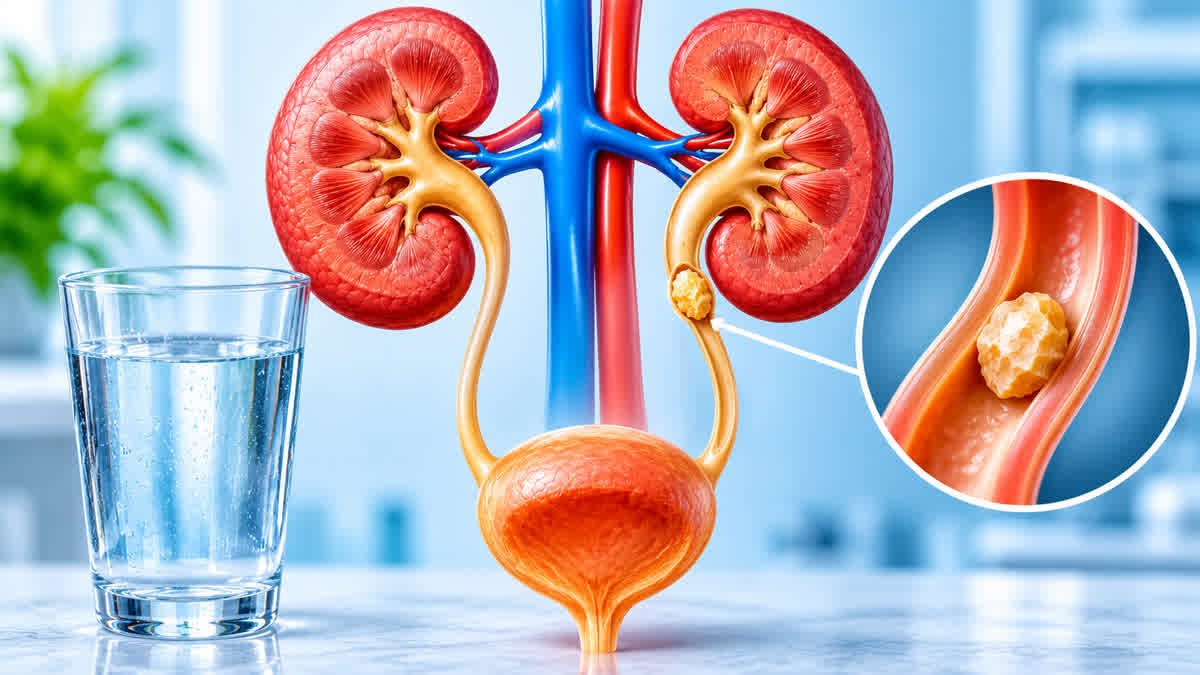
Kidney stones form when minerals and salts in urine clump together inside the kidney. According to the National Institute of Diabetes and Digestive and Kidney Diseases (NIDDK), small stones may pass through the urinary tract without treatment. Many stones stay in the kidney and cause no symptoms. Others move into the ureter, the narrow tube that carries urine from the kidney to the bladder. Urine flow then helps carry the stone toward the bladder.
It helps to separate two ideas: passing and dissolving.
- Passing naturally: the stone travels through the urinary tract and leaves the body in urine.
- Dissolving: the stone breaks down chemically instead of leaving intact.
Most common stones, including calcium oxalate stones, do not simply dissolve on their own. Uric acid stones are the main exception. In some cases, a doctor may recommend medication that makes urine less acidic to help dissolve them. This approach is called oral chemolysis, and it requires medical supervision. The European Association of Urology (EAU) describes it as an option for uric acid stones.
A stone that stays in the kidney may still need monitoring, even without symptoms. It can move later or grow over time. For background on how stones develop, see our guide on what causes kidney stones.
What Size Kidney Stone Can Pass on Its Own?
Size is one of the biggest factors in natural passage. The smaller the stone, the more likely it is to pass. Location matters too. Stones closer to the bladder tend to pass more easily than stones higher in the ureter.
Kidney Stones Smaller Than 5 mm
Stones under 5 mm are the most likely to pass without a procedure. They fit through the ureter more easily. A systematic review cited in European urology practice found that almost 75% of stones under 5 mm passed spontaneously. That figure applies to ureteral stones studied in research, not to every person.
Pain does not always match size. A small stone can still cause intense pain, while another may cause almost none. Even with a small stone, you should have a medical assessment and follow-up. A clinician can confirm the stone’s size and location and check for blockage or infection.
Kidney Stones Between 5 mm and 10 mm
Passage becomes less predictable in this range. The same review reported that about 62% of stones at or above 5 mm passed spontaneously. Individual results vary widely, and location plays a large role.
For stones in this range, a clinician may suggest a period of careful monitoring. They may also consider medication or a procedure. The EAU guideline lists alpha-blocker medication as an option for distal ureteral stones of 5 mm or more. Monitoring matters because a stone that stalls can block urine flow.
Kidney Stones Larger Than 10 mm
Stones larger than 10 mm are much less likely to pass on their own. They are more likely to cause a blockage and more likely to need treatment. Waiting at home without medical supervision can be unsafe with a stone this large.
| Stone size | General likelihood of natural passage |
|---|---|
| Smaller than 5 mm | More likely |
| 5 mm to 10 mm | Less predictable |
| Larger than 10 mm | Less likely |
These are general categories, not guarantees. Stone location, your anatomy, any blockage, and your overall health all affect the outcome. For more on risk, see our article on kidney stone risk factors.
How Long Does It Take for a Kidney Stone to Pass?
Passage time varies from person to person. In the systematic review above, the average time to passage was about 17 days. The range was 6 to 29 days. This is a research estimate. It is not a recommended waiting period for every patient.
Several factors shape the timeline:
- Smaller stones often pass sooner than larger ones.
- Stones near the bladder usually move through faster.
- Some stones stall in the ureter and do not move at all.
Pain often comes and goes during this process. It may ease while the stone rests, then return when it moves again. Stones that do not pass within the expected time may need treatment.
Follow-up care is important. A healthcare professional can confirm whether the stone has passed. They can also check that urine is flowing normally and that your kidneys are working well. You can read more about how kidney stones are diagnosed on CollectedMed.
What Happens When a Kidney Stone Passes Naturally?
The journey from kidney to toilet follows four general steps.
The Stone Moves Into the Ureter
The stone leaves the kidney and enters the ureter. This tube is very narrow, so even a small stone can cause irritation.
The Stone Travels Toward the Bladder
Urine flow and the ureter’s muscle contractions move the stone along. Stretching and irritation of the ureter cause the pain many people describe.
The Stone Reaches the Bladder
Once the stone enters the bladder, the sharp pain often eases. Some people still feel urinary urgency or discomfort. Symptoms vary.
The Stone Leaves the Body During Urination
The stone finally exits through the urethra. Many people barely notice it. Your healthcare professional may ask you to strain your urine and save the stone. A laboratory can then analyze it, which helps guide prevention.
What Does Passing a Kidney Stone Feel Like?
Symptoms depend on the stone’s size, position, and whether it blocks urine flow. According to the NIDDK, common signs include:
- Sharp pain in the back or side
- Pain that spreads toward the lower abdomen or groin
- Pain that comes in waves (often called renal colic)
- Blood in the urine
- Frequent or urgent urination
- Burning or discomfort when urinating
- Nausea and vomiting
Our guide to the early signs of kidney stones covers these symptoms in more detail.
Does Passing a Kidney Stone Always Hurt?
No. Pain varies widely. A stone that blocks the ureter often causes severe pain. A smaller stone that moves freely may cause only mild discomfort.
Can You Pass a Kidney Stone Without Knowing?
Yes. The NIDDK notes that a small stone that passes easily may cause no symptoms at all. Many people only learn about such a stone from an imaging test.
Can Drinking Water Help Kidney Stones Pass Naturally?
Hydration supports your urinary system. Water increases urine production. Dehydration makes urine more concentrated, which can favor stone formation. The NIDDK advises people with kidney stones to drink plenty of water unless a healthcare professional tells them otherwise.
There is an important limit, however. Water supports normal urine flow, but it is not a guaranteed treatment. Forcing very large amounts of water will not reliably push an obstructing stone through the ureter. Water also does not dissolve most established calcium-based stones.
Some people need individualized advice. This includes people with vomiting, severe pain, urinary blockage, or certain heart and kidney conditions. In those cases, follow your clinician’s fluid instructions. To learn more about fluids and health, read our article on the benefits of hydration.
What Happens If a Kidney Stone Does Not Pass on Its Own?
A stone that stays stuck can lead to complications. These may include:
- Persistent or severe pain
- Blocked urine flow
- Kidney swelling from urine buildup
- Urinary tract infections
- Kidney damage if a blockage is not treated
For this reason, clinicians may recommend active treatment. This is more likely when a stone is unlikely to pass, keeps blocking urine flow, or affects kidney function. The Urology Care Foundation offers patient-friendly information on these options. You can also explore kidney stone treatment options on CollectedMed.
Medical Expulsive Therapy
Some people receive prescription medication to help a ureteral stone pass. Alpha-blockers such as tamsulosin are the best-known example. The EAU guideline lists them as an option for selected patients with distal ureteral stones of 5 mm or more. Research results on this approach have been mixed. These drugs are not right for everyone and should be used only under medical supervision.
Shock Wave Lithotripsy
This procedure uses focused shock waves from outside the body. The waves break a stone into smaller pieces. The fragments can then pass more easily in urine.
Ureteroscopy
In ureteroscopy, a doctor passes a thin scope through the urinary tract. It allows the doctor to find the stone and break it up or remove it. Lasers are often used to fragment stones.
Percutaneous Nephrolithotomy
This procedure is generally used for larger or more complex kidney stones. The surgeon reaches the kidney through a small cut in the back. It is done in a hospital under anesthesia.
How Do You Know When a Kidney Stone Has Passed?
Several signs may suggest a stone has passed:
- Pain suddenly improves
- Urinary discomfort fades
- You have no further episodes of stone-related pain
- You see a small stone or gravel in your urine
Feeling better does not always prove the stone is gone. A stone can shift position and cause less pain while still partly blocking the ureter. Your clinician may recommend imaging or other follow-up tests to confirm passage and rule out continued blockage.
If your healthcare professional asks you to strain your urine, collect the stone. Analysis can show what it is made of and may guide prevention.
When Should You Seek Medical Attention for Kidney Stones?
Kidney stones should not always be managed with home observation. Get medical help promptly if you have any of the following:
- Fever or chills
- Severe pain that medicine does not control
- Vomiting that does not stop
- Trouble urinating, or inability to urinate
- Blood in the urine along with other concerning symptoms
- Signs of dehydration
- A known blockage in your urinary system
Important warning: Fever or chills with a suspected kidney stone can signal an infected, blocked urinary system. This is a medical emergency. Seek urgent care right away.
Some people need faster specialist assessment. This includes people with one working kidney, reduced kidney function, or stones affecting both sides. If you are unsure whether your pain is serious, our guide on when abdominal pain is an emergency may help.
Can You Help a Kidney Stone Pass Faster?
You cannot force a stone out, but you can support the process safely. Consider these steps:
- Stay hydrated, unless a clinician has restricted your fluids.
- Follow the pain-management plan your healthcare professional gives you.
- Take prescribed medication exactly as directed.
- Attend all follow-up appointments.
- Ask whether you should strain your urine and save the stone.
Jumping, intense exercise, special drinks, and unverified home remedies are not proven ways to make a stone pass. Some may even be unsafe. For general self-care guidance, see how to manage kidney stones at home.
Frequently Asked Questions About Kidney Stones
Can kidney stones disappear without treatment?
Some stones pass on their own and leave the body in urine. Others stay in the kidney or need medical treatment. Most common stones do not dissolve without treatment.
How long can a kidney stone stay in your body?
It varies. Research suggests many ureteral stones pass within a few weeks. Stones in the kidney can stay for months or years and may need monitoring. Ask your clinician about the right follow-up plan for you.
Can a 5 mm kidney stone pass naturally?
It can. Stones around 5 mm sit at the edge between “more likely” and “less predictable.” Location and individual factors strongly influence the outcome. A clinician can assess your situation using imaging.
Does drinking water dissolve kidney stones?
No. Water supports hydration and urine flow, but it does not dissolve most calcium-based stones. Staying hydrated still helps overall urinary health, as the NIDDK advises.
Can kidney stones pass without pain?
Yes. Some small stones pass with little or no noticeable discomfort. Many people never know they had one.
What happens if you ignore a kidney stone?
An ignored stone can cause ongoing blockage, infection, and reduced kidney function. Persistent pain, fever, or vomiting needs prompt care. The NIDDK notes that stones rarely cause permanent damage when treated by a healthcare professional.
Do all kidney stones need surgery?
No. Many small stones pass naturally, and some stones without symptoms can be monitored. Procedures are used when a stone is unlikely to pass, causes blockage or infection, or affects kidney function.
Conclusion: Some Kidney Stones Pass Naturally, but Medical Care Matters
Many small kidney stones can pass on their own. Size, location, and possible complications decide whether waiting is safe. Good hydration supports your urinary system, but it does not guarantee passage.
Never ignore persistent pain, trouble urinating, fever, or vomiting. Those signs call for prompt medical care. Once you recover, learn how common kidney stones are and whether kidney stones can be prevented. Explore more kidney health and wellness guides on CollectedMed.
Sources
- NIDDK: Treatment for Kidney Stones
- NIDDK: Kidney Stones, Symptoms and Causes
- European Association of Urology: Urolithiasis Guidelines
- Systematic review of spontaneous ureteral stone passage rates and times (University of Southampton)
- Urology Care Foundation: Kidney Stones
Medical Disclaimer: This article is intended for informational and educational purposes only. It does not replace professional medical advice, diagnosis, or treatment. Kidney stone symptoms can sometimes point to serious complications. Please talk with a qualified healthcare professional for an accurate diagnosis and the right treatment for you.