
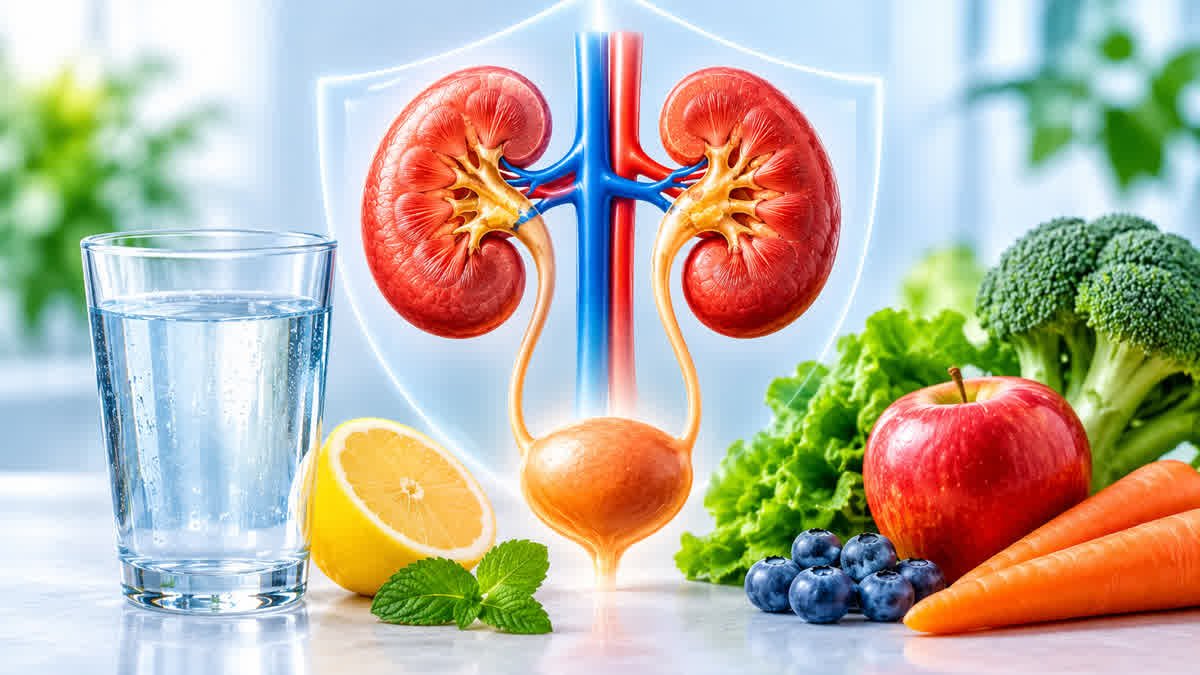

Kidney stones can cause intense pain, disrupt sleep, and send people to the emergency room with little warning. Even a stone that passes on its own can mean days of discomfort, missed work, and worry about whether another one is coming. For many people, the experience leaves a lasting question about what they could have done differently.
Kidney stones form when certain minerals and substances in urine become concentrated and clump into crystals. Over time, those crystals can grow into hard deposits that may stay in the kidney or travel down the urinary tract. This is why what causes kidney stones often comes down to a mix of urine volume, diet, genetics, and underlying health conditions.
So, can kidney stones be prevented? No strategy offers a 100% guarantee, but several evidence-based habits can lower the likelihood of developing a stone and reduce the chance of one coming back. The most useful steps include drinking enough water, eating a balanced diet, limiting excess sodium, getting appropriate calcium, moderating animal protein, and maintaining a healthy weight. Because prevention depends on the type of stone you form, personalized advice from a healthcare professional matters too.
Can Kidney Stones Really Be Prevented?
For many people, yes, the risk can be lowered. Stones develop when urine contains high levels of stone-forming substances such as calcium, oxalate, or uric acid, and too little fluid or too few natural inhibitors such as citrate. Concentrated urine makes it easier for crystals to form and stick together. Drinking more fluid dilutes urine, which makes crystal formation less likely. The National Institute of Diabetes and Digestive and Kidney Diseases (NIDDK) explains that stones form when urine has more crystal-forming substances than the fluid in it can dilute.
Diet also shapes what ends up in your urine. Salt, animal protein, and oxalate-rich foods can all affect stone-forming substances in susceptible people. Some people are simply more prone to stones because of family history, medical conditions, certain medications, or how their body handles minerals. You can read more about these factors in our guide to kidney stone risk factors.
It helps to separate two goals. Primary prevention means lowering the chance of developing a first stone. Secondary prevention means preventing new stones in someone who has already had one. Stones are common (about one in 11 people in the United States will have one), and they often return. The American Urological Association (AUA) notes reported recurrence rates of 20% to 67% within 5 to 10 years after a first stone. For a closer look at how often this happens, see how common kidney stones are.
Because individual risk factors differ, no single plan works for everyone. The most effective approach combines general healthy habits with advice matched to your own stone type and test results.
10 Effective Ways to Prevent Kidney Stones
The habits below form the foundation of kidney stone prevention. Some apply to nearly everyone, while others matter most for certain stone types. Think of them as a starting point for a conversation with your healthcare professional, not a replacement for one.
1. Drink Plenty of Water Every Day
Hydration is widely considered the most important prevention strategy. Water dilutes urine, which lowers the concentration of minerals that can crystallize. Regular fluid intake throughout the day also helps keep urine from becoming highly concentrated, especially overnight and between meals.
The European Association of Urology (EAU) recommends a fluid intake of about 2.5 to 3 liters per day for people with stones, with individual needs varying. The AUA’s 2026 medical management guideline focuses on urine output rather than a fixed drinking amount, advising enough fluid to produce at least 2.5 liters of urine daily for adults with calcium-based stones.
Fluid intake and urine output are not the same thing. Not all of what you drink leaves as urine, so the AUA notes that intake usually needs to modestly exceed the urine target. Sweating, exercise, chronic diarrhea, and hot weather all raise your needs. A simple check is urine color: pale yellow usually suggests good hydration, while dark yellow suggests you need more fluid. For more on everyday habits, see our article on the benefits of hydration.
People with certain heart or kidney conditions may need fluid limits. Check with your healthcare professional before substantially increasing how much you drink.
2. Reduce Your Sodium Intake
A high-sodium diet can increase the amount of calcium your kidneys release into urine, which raises the risk of calcium-based stones. This makes sodium reduction especially useful for people who tend to form calcium stones. The NIDDK advises cutting back on sodium as part of its dietary guidance for kidney stones.
Some practical ways to lower sodium include:
- Using less table salt and seasoning with herbs, spices, citrus, or garlic instead
- Limiting highly processed foods, canned soups, and instant noodles
- Checking the Nutrition Facts label on packaged foods (our guide to nutrition facts can help)
- Cutting back on salty snacks
- Being mindful of restaurant and takeaway meals, which are often high in sodium
The World Health Organization also provides general guidance on reducing salt intake for overall health.
3. Eat Enough Calcium-Rich Foods
This is one of the most common misconceptions about kidney stones. Many people assume they should avoid calcium, but cutting dietary calcium is generally not recommended for people prone to calcium oxalate stones. In the digestive tract, calcium binds to oxalate from food, which means less oxalate is absorbed and later excreted in urine.
NIDDK advises getting the recommended amount of calcium from food rather than restricting it. Milk, yogurt, and other calcium-rich foods can fit into a stone-prevention eating pattern, and our overview of yogurt health benefits covers one popular option.
Calcium from food and calcium from supplements are not necessarily interchangeable when it comes to stone risk. Supplements taken without meals may not bind oxalate in the gut the same way, so talk with a healthcare professional before starting one.
4. Be Careful With Excessive Animal Protein
Large amounts of animal protein can raise urinary calcium and uric acid while lowering urinary citrate, a natural stone inhibitor. This combination can encourage both calcium stones and uric acid stones. Foods to moderate include red meat, organ meats, processed meats, and very large portions of poultry or certain seafood.
The goal is balance, not elimination. Protein is an essential nutrient, and many people can include moderate portions of fish, poultry, eggs, beans, and lentils. If you follow a heavy meat-based eating pattern, our article on whether a high-protein diet is safe long term offers more context.
5. Limit High-Oxalate Foods When Appropriate
Oxalate is a natural compound found in many plant foods, and it is a key component of calcium oxalate stones, the most common type. Foods relatively high in oxalate include spinach, rhubarb, beets, almonds and some other nuts, and some chocolate products. You can learn more about specific foods in our articles on spinach, almonds, beetroot, and dark chocolate.
Most people do not need to eliminate these foods, many of which are nutritious. People with calcium oxalate stones or high urinary oxalate may benefit from tailored advice. Eating calcium-containing foods at the same meal as higher-oxalate foods can help reduce oxalate absorption, as NIDDK notes.
6. Include More Fruits and Vegetables
Fruits and vegetables supply natural citrate and potassium, both of which are associated with a more stone-protective urine profile. They also add fiber and support an overall balanced eating pattern. Citrus fruits, apples, cucumbers, and many other vegetables are practical choices. For ideas, see the benefits of eating vegetables and how many vegetables a day you may want to aim for.
Dietary patterns such as the DASH diet, which emphasizes fruits, vegetables, whole grains, and low-fat dairy, have been associated with lower stone risk in observational research. Keep in mind that no single fruit or vegetable can dissolve an existing kidney stone.
7. Maintain a Healthy Body Weight
Obesity, insulin resistance, and metabolic syndrome are associated with a higher risk of kidney stones, particularly uric acid stones. Maintaining a healthy weight through balanced nutrition and regular physical activity may help reduce that risk. You can explore related topics in our guides to weight management, insulin resistance, and metabolic syndrome.
Avoid crash diets and extreme weight-loss programs. Rapid weight loss and very high-protein plans can change urine chemistry in ways that may not help stone prevention. Gradual, sustainable changes are a safer approach.
8. Be Mindful of Sugary Drinks
Large prospective studies have linked frequent consumption of sugar-sweetened beverages, such as sodas, with a higher risk of kidney stones, as discussed in a review in the Clinical Journal of the American Society of Nephrology. These drinks also tend to crowd out water and contribute to weight gain, both of which matter for stone risk.
Making water your main beverage is a simple fix. Limit sugary soft drinks and heavily sweetened beverages, and spread your fluids across the day rather than drinking a large amount at once.
9. Stay Hydrated in Hot Weather
Heat increases sweat losses, which means less fluid is left to produce urine. Dehydration makes urine more concentrated, which can encourage crystal formation. This is especially relevant in warm climates and for people who work outdoors, exercise often, or spend long periods in hot environments.
A few practical habits can help:
- Carry a water bottle and sip steadily rather than waiting until you are very thirsty
- Drink extra fluids before, during, and after exercise or outdoor work
- Take shade and rest breaks when working in the heat
- Watch urine color as a quick hydration check
Illness with vomiting or diarrhea also increases fluid loss, so it is worth being extra careful during those times. Our guide on how to manage kidney stones at home covers more day-to-day steps.
10. Follow a Personalized Kidney Stone Prevention Plan
People who have had more than one stone often need more than general dietary advice. A healthcare professional may suggest stone composition analysis, blood tests, urine testing, and a 24-hour urine collection to measure volume and levels of calcium, oxalate, uric acid, and citrate. The AUA guideline describes using 24-hour urine testing to assess stone risk factors and to check response to treatment.
Results can guide individualized diet changes and, in some cases, medication. Regular follow-up helps confirm that the plan is working. Our overview of kidney stone treatment options and how kidney stones are diagnosed provide helpful background.
Does Lemon Water Help Prevent Kidney Stones?
Lemon water is a popular home strategy, and there is a reasonable basis for it. Lemons contain citrate, which binds with calcium in urine and can inhibit the formation of certain stones. Unsweetened lemon water can also be an easy way to drink more fluid, which is the main benefit.
Still, lemon water is not a guaranteed prevention method, and the evidence for lemon juice specifically is limited. It does not dissolve existing stones. People with recurrent stones or low urinary citrate may need medical evaluation, and in some cases a prescription such as potassium citrate, which the AUA guideline addresses among its medication options. Choose unsweetened versions, since added sugar works against your goals.
Which Foods Should You Avoid to Prevent Kidney Stones?
Most people do not need a long list of banned foods. The table below shows habits that may increase risk in susceptible individuals, and why moderation can help.
| Food or dietary habit | Why moderation may help |
|---|---|
| Excessively salty foods | Can increase urinary calcium |
| Excessive red meat | May affect urinary uric acid and citrate |
| Processed meats | Often contain substantial sodium |
| Excessive high-oxalate foods | May increase oxalate exposure in susceptible people |
| Sugary soft drinks | May contribute to higher stone risk |
| High-dose vitamin C supplements | Can increase oxalate production in some people |
High-dose vitamin C supplements deserve a special mention. Large supplemental doses have been linked to higher stone risk in some studies, while vitamin C from food is generally not the concern. See our guide to foods high in vitamin C for food-based options. Which restrictions apply to you depends on your stone type and urine test results. For more on aggravating factors, see what makes kidney stones worse.
Does Kidney Stone Prevention Depend on the Type of Stone?
Yes. Different stones form for different reasons, so the best prevention approach varies. Identifying your stone type helps healthcare professionals recommend more effective measures.
Calcium Oxalate Stones
These are the most common type. Prevention usually centers on high fluid intake, normal dietary calcium, sodium reduction, and appropriate oxalate management.
Uric Acid Stones
These stones form more easily in acidic urine. Prevention often includes high fluid intake, limiting excess purine-rich animal foods, and managing urinary pH, sometimes with medication.
Struvite Stones
Struvite stones are associated with urinary tract infections from bacteria that produce urease. Treating the underlying infection and the stone itself is essential, as the AUA guideline explains.
Cystine Stones
These stones are linked to cystinuria, an inherited condition. They often require specialized strategies, including sodium and protein limits and, in some cases, medications, as outlined in this clinical review.
Can Kidney Stones Come Back Even After Treatment?
Yes. Treating or removing a stone does not necessarily fix the underlying reasons it formed. Low urine volume, dietary patterns, metabolic factors, and inherited tendencies can all remain after the stone is gone. In one randomized trial described in a clinical review, people with a first calcium stone who increased their fluid intake had a recurrence rate of 12% after five years, compared with 27% in the control group.
That is why hydration habits and dietary changes should continue after treatment. Some people also need medication to correct a specific urine abnormality. Regular follow-up and, for repeat stone formers, a metabolic evaluation can help create a personalized plan.
When Should You See a Doctor About Kidney Stone Prevention?
Professional advice is especially important if you have:
- A previous kidney stone, or repeated stone episodes
- A strong family history of stones
- A known metabolic disorder
- Persistent urinary symptoms or blood in the urine
- Difficulty staying hydrated because of vomiting or illness
Severe flank pain, fever, chills, or suspected urinary obstruction need prompt medical evaluation. Review the early signs of kidney stones so you know what to watch for. If you have a heart or kidney condition, speak with your healthcare professional before significantly increasing your fluid intake.
Frequently Asked Questions About Kidney Stone Prevention
Can kidney stones be prevented naturally?
Hydration, balanced nutrition, and healthy lifestyle habits can reduce risk, but prevention is not guaranteed. Some people also need medical evaluation or medication. NIDDK outlines the dietary approaches most commonly recommended.
What is the fastest way to prevent kidney stones?
There is no instant fix, but staying consistently hydrated is one of the most important foundational strategies. Pair it with reduced sodium and balanced protein for the best results over time.
Does drinking lots of water prevent kidney stones?
Adequate fluid intake dilutes urine and helps lower the risk of stone formation and recurrence. A randomized trial supports this for people with recurrent calcium stones, though individual needs vary.
Is lemon water good for kidney stone prevention?
Lemon water supplies some citrate and encourages fluid intake, which may be helpful. It is not a substitute for individualized medical care or a treatment for existing stones.
Should I stop eating calcium to prevent kidney stones?
No. Normal dietary calcium is generally recommended, especially for people prone to calcium oxalate stones, because it helps bind oxalate in the gut. Discuss calcium supplements with a healthcare professional first.
Can kidney stones come back after surgery?
Yes. Surgery removes or treats existing stones but does not necessarily address the underlying risk factors. Ongoing prevention and follow-up lower the chance of recurrence.
What is the best drink to prevent kidney stones?
Water is generally the preferred beverage. Unsweetened lemon water can be a reasonable addition, while sugary drinks are best limited.
Conclusion: Small Daily Habits Can Help Prevent Kidney Stones
Kidney stones can often be prevented, or their recurrence reduced, through steady hydration, balanced nutrition, sodium moderation, and healthy lifestyle habits. Understanding your personal risk factors and your stone type makes prevention more effective. If you have had a stone before or are concerned about your risk, talk with a qualified healthcare professional about testing and a plan that fits you.
To keep learning, explore more kidney health and nutrition resources on CollectedMed, including our guides on healthy living tips and what a balanced diet looks like.
Sources
- NIDDK: Definition and Facts for Kidney Stones
- NIDDK: Eating, Diet, and Nutrition for Kidney Stones
- American Urological Association: Medical Management of Kidney Stones Guideline (2026)
- American Urological Association: Medical Management of Kidney Stones Guideline overview
- American Urological Association: Medical Management of Kidney Stones Guideline (2014, validity confirmed 2019)
- European Association of Urology: Urolithiasis Guidelines
- Clinical Journal of the American Society of Nephrology review on medical management of kidney stones (PMC)
- BMC Urology (2024): Appraisal of the high-water intake trial for calcium stones
- University of Michigan Urology: Fluid Intake Guidelines for Kidney Stone Formers
- World Health Organization: Salt reduction fact sheet
Medical Disclaimer: This article is for educational purposes only and is not medical advice. It cannot diagnose, treat, or replace care from a qualified healthcare professional. Talk with your doctor before making major changes to your diet or fluid intake, especially if you have kidney disease, heart disease, or repeated kidney stones. If you have severe pain, fever, chills, or trouble urinating, seek medical care right away.
1 thought on “Can Kidney Stones Be Prevented? 10 Ways to Reduce Your Risk”
Comments are closed.