
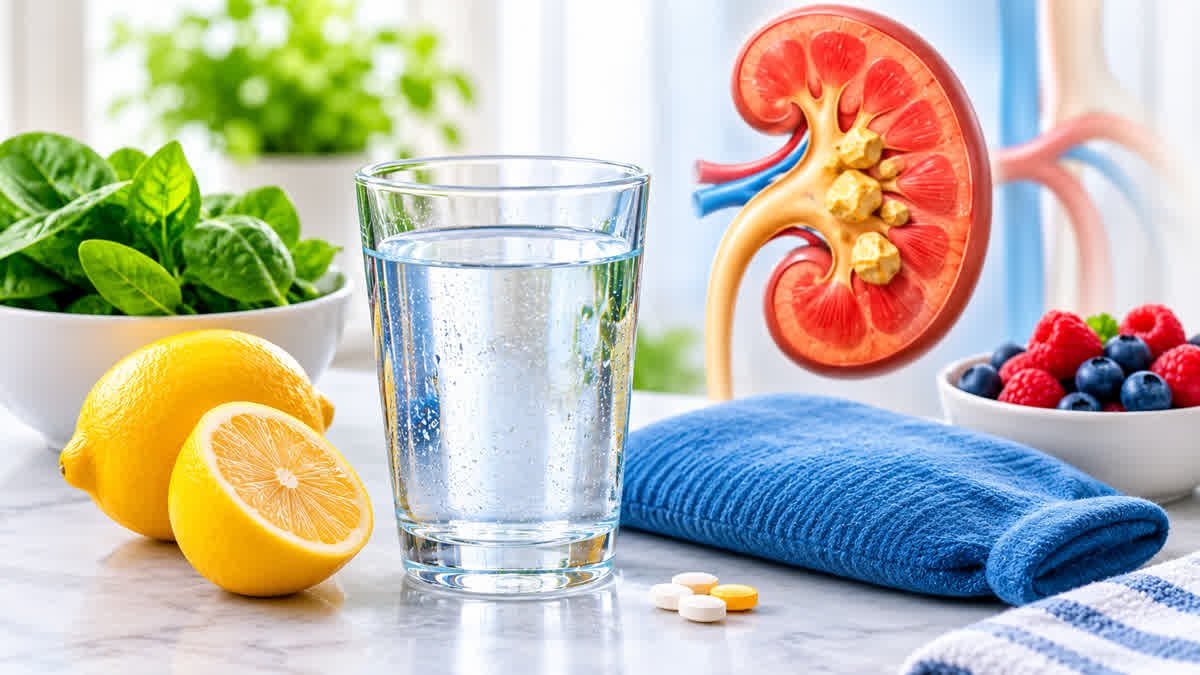

You can manage some kidney stones at home by drinking enough water, following your doctor’s pain management plan, taking prescribed medications, and monitoring your symptoms. Gentle activity and appropriate dietary changes may also help. However, home care is suitable only for certain stones, and severe pain, fever, chills, vomiting, or trouble urinating needs urgent medical attention.
Have you been diagnosed with kidney stones and wondered what you can do at home to feel better? Many small stones pass on their own through the urine without surgery. The process can still be uncomfortable, and it helps to know which steps are safe and which are not.
This guide explains how to manage kidney stones at home when a healthcare professional has said that watchful waiting is appropriate. It covers hydration, pain relief, medication safety, diet, monitoring, prevention, and the warning signs that call for medical care. Larger stones, infections, and blockages need professional treatment, and home care never replaces a proper diagnosis.
Can You Manage Kidney Stones at Home?
Sometimes, yes. Small stones may pass naturally, and the National Institute of Diabetes and Digestive and Kidney Diseases (NIDDK) notes that many people can pass a small stone at home with fluids and pain relief. Whether a stone passes depends on its size, its location in the urinary tract, and your overall health.
A healthcare professional may suggest observation, plenty of fluids, and prescribed pain medication. Some people are also offered a medication intended to relax the ureter (the tube between the kidney and bladder) and help a stone move along.
Larger stones, a blocked flow of urine, or infection may require urgent treatment. For that reason, get a proper diagnosis before relying on home care. If you are not sure what you are feeling, our guides on the early signs of kidney stones and what causes kidney stones can help you prepare for that conversation.
10 Safe Ways to Manage Kidney Stones at Home
These steps are general information, not individualized advice. Your care team can adjust them to your situation.
1. Drink Enough Water Throughout the Day
Water helps dilute your urine, which makes it harder for stone-forming minerals to clump together. It may also help keep urine flowing. Drink steadily through the day instead of waiting until you feel thirsty.
Fluid needs vary with activity, climate, and health conditions. People with kidney failure, heart failure, or a fluid restriction should follow their clinician’s guidance. For general tips, see our article on the benefits of hydration and how to build a hydration habit.
2. Follow Your Doctor’s Pain Management Plan
Kidney stone pain can range from a dull ache to severe, wave-like pain in the side, back, or lower abdomen. Your clinician may recommend an over-the-counter or prescription pain reliever, depending on your health.
Anti-inflammatory medicines are sometimes used, but they are not safe for everyone. People with kidney disease, stomach ulcers, or pregnancy, among other conditions, need professional guidance first. Do not exceed recommended doses or combine medicines without checking with a pharmacist or doctor. MedlinePlus offers further background on kidney stone care.
3. Take Prescribed Medication as Directed
Your clinician may prescribe medicine for pain or nausea. Some people receive an alpha-blocker such as tamsulosin, which is sometimes used to help certain ureteral stones pass. Research on how much it helps is mixed, and not everyone needs it.
Take any medication exactly as prescribed, and ask your care team how long to continue it.
4. Use Gentle Heat for Comfort
A warm compress or heating pad on the painful side or lower back may ease discomfort for a while. Use a comfortable temperature, place a cloth between the heat and your skin, and avoid long sessions or falling asleep with it on.
Heat can soothe muscles, but it does not remove or dissolve a stone. For more comfort ideas, see how to relieve abdominal pain at home.
5. Stay Physically Active if Comfortable
Light walking and normal daily movement are generally reasonable if you feel up to them. They may support your overall well-being, but there is no strong proof that exercise forces a stone to pass.
Rest when pain builds. If activity makes your symptoms worse, contact a healthcare professional. Our guide to walking for health covers gentle ways to stay active.
6. Eat a Balanced, Kidney-Friendly Diet
The best diet depends on the type of stone you have. In general, the NIDDK guidance on eating, diet, and nutrition for kidney stones advises limiting sodium and getting appropriate amounts of calcium from food rather than cutting calcium out.
Too much animal protein may raise risk for some stone types. People who form calcium oxalate stones may be told to moderate high-oxalate foods. Our article on what a healthy diet looks like is a useful starting point.
7. Try Citrus Drinks if Appropriate
Lemons and other citrus fruits contain citrate, which may help lower the chance of certain stones forming. Unsweetened lemon water is a reasonable option for many people, and it also adds to your daily fluids.
Lemon water is not a proven way to dissolve an existing stone. Avoid adding lots of sugar, since sugary drinks may not be helpful for stone prevention.
8. Monitor Your Urine and Symptoms
Keep a simple log of your pain, how often you urinate, urine color, and any visible blood. Pale yellow urine usually suggests good hydration, while dark urine suggests you may need more fluids.
Blood in the urine can occur with stones, but it should still be reported. Very little or no urine output needs prompt medical attention. Bring your notes to follow-up visits.
9. Strain Your Urine to Catch the Stone
Your healthcare professional may ask you to urinate through a fine strainer. If you catch a stone, keep it in a clean container and bring it to your clinician.
A lab can analyze its makeup. Knowing the stone type guides diet and medication choices that can help prevent future stones.
10. Keep Your Follow-Up Appointments
Imaging and check-ups help your care team track the size and position of a stone. A stone can stay in the kidney without causing symptoms, and a stone that seems to have passed may not have.
Follow-up also helps catch complications early and supports a plan to reduce recurrence. See our overview of kidney stone treatment options for what care may involve.
What Should You Drink When You Have Kidney Stones?
Plain water is the best everyday choice for most people. Unsweetened lemon water or other unsweetened citrus drinks can add variety and some citrate.
Try to limit sugary sodas and heavily sweetened drinks. If a healthcare professional has restricted your fluids, follow that advice instead of general targets.
Drinking very large amounts of water quickly does not guarantee that a stone will pass faster, and it may cause discomfort. Steady, regular intake is more practical. Your clinician can suggest a daily urine output or fluid goal that fits your health.
Foods to Eat and Avoid When Managing Kidney Stones
Before making big diet changes, find out your stone type. Calcium oxalate, uric acid, struvite, and cystine stones each call for different approaches, so there is no single kidney stone diet.
Foods to prioritize:
- Fresh fruits
- Vegetables
- Appropriate dairy products or other calcium sources
- Whole grains
- Balanced meals
Foods to moderate:
- Salty packaged snacks
- Highly processed foods
- Excessive animal protein
- High-oxalate foods, when your clinician recommends it
- Sugary beverages
High-oxalate foods include spinach, rhubarb, and certain nuts, but they do not need to be avoided by everyone. If you are unsure, ask a registered dietitian. Our guides on calcium-rich foods and what makes kidney stones worse may help.
How Long Does It Take to Pass a Kidney Stone Naturally?
Small stones are more likely to pass without a procedure. The timing varies a great deal. Some pass within days, while others take a few weeks.
Size and location matter. Stones in the lower part of the ureter generally pass more easily than those higher up, and larger stones are more likely to get stuck.
If symptoms continue, change, or worsen, you need reassessment. Do not wait indefinitely for a stone to pass without medical follow-up.
Home Remedies That Do Not Reliably Dissolve Kidney Stones
Several popular claims are not backed by solid evidence for existing stones:
- Apple cider vinegar
- Lemon juice as a stone-dissolving treatment
- Herbal kidney-cleansing drinks
- Drinking extreme amounts of water
- Unverified detox products
Most established kidney stones cannot be dissolved with household ingredients. Some products may carry risks or interact with medicines, so talk with a professional before trying them.
There is one exception. Certain uric acid stones may be dissolved through medically supervised urine alkalinization, but this requires professional guidance and monitoring.
When Should You Seek Medical Help for Kidney Stones?
Seek medical care promptly if you have any of the following:
- Severe or uncontrolled pain in the back, side, or abdomen
- Fever or chills
- Persistent nausea or vomiting
- Difficulty passing urine, or being unable to urinate
- Blood in the urine along with other concerning symptoms
- Symptoms that worsen despite treatment
Urgent warning: Fever or chills with a suspected kidney stone may signal an infection behind a blockage. This is a medical emergency that needs immediate assessment, and it should not be managed at home. Read more about when abdominal pain is an emergency.
People with a single working kidney, pregnancy, or known kidney disease may need to be seen sooner. If you are unsure, it is safer to call your healthcare professional or seek urgent care.
How to Prevent Kidney Stones From Coming Back
Managing a current stone and preventing new ones are related but separate goals. Stones often recur, so a long-term plan is worth building with your care team. The National Kidney Foundation offers additional prevention information.
Common strategies include:
- Drinking enough fluids every day
- Reducing sodium
- Getting appropriate dietary calcium
- Moderating animal protein
- Following stone-specific diet advice
- Maintaining a healthy body weight (see our guide to weight management)
- Asking about stone analysis and 24-hour urine testing
- Taking preventive medication if prescribed
Prevention works best when it is personalized to your stone type and medical history. Learn about kidney stone risk factors to understand what may apply to you.
Frequently Asked Questions About Managing Kidney Stones at Home
Can kidney stones go away on their own?
Some small stones pass naturally through the urine, often within days to weeks. Larger stones may get stuck and need medical treatment. A clinician can tell you which is more likely using imaging. NHS guidance notes that small stones often pass without treatment.
What is the fastest way to pass a kidney stone naturally?
There is no guaranteed fast method. Staying hydrated and taking any prescribed medication may support passage, but results vary. Be wary of products promising quick results.
Does lemon water help with kidney stones?
The citrate in lemon juice may help prevent certain stones from forming. It does not reliably dissolve a stone you already have. Choose unsweetened versions and count it toward your daily fluids.
Should you walk when you have kidney stones?
Gentle walking is generally reasonable if you feel comfortable. It is not a proven way to move a stone, so rest when you need to. Stop and seek advice if movement makes pain worse.
How much water should you drink with kidney stones?
Needs differ by body size, activity, climate, and health conditions. Clinicians often aim for enough fluid to keep urine pale yellow and produce a healthy daily volume, but your target should come from your care team. People on fluid restrictions should not increase intake without approval.
When should you go to the hospital for kidney stones?
Go promptly for fever, chills, severe pain you cannot control, persistent vomiting, or inability to urinate. These can signal infection or a blockage. See the NIDDK treatment page for more on when treatment is needed.
Final Thoughts
Some small kidney stones can pass naturally, and steady hydration, careful pain management, and balanced eating can support home care. Dietary changes work best when they match your stone type, and household remedies cannot reliably dissolve most existing stones.
Keep your follow-up visits even if you feel better, and act quickly on warning signs. Talk with a healthcare professional to build a plan that fits you.
Sources
- National Institute of Diabetes and Digestive and Kidney Diseases (NIDDK). Treatment for Kidney Stones
- NIDDK. Eating, Diet, and Nutrition for Kidney Stones
- National Kidney Foundation. Kidney Stones
- NHS. Kidney Stones
- MedlinePlus. Kidney Stones
Medical Disclaimer: This article is for general information and education only. It is not medical advice and does not replace care from a qualified healthcare professional. Do not use it to diagnose or treat any condition. Always talk with your doctor before taking medication, changing your diet, or trying new treatments, and seek urgent care if you have severe pain, fever, chills, vomiting, or trouble urinating.