

High blood pressure (hypertension) is one of the most important risk factors for heart disease and stroke, and it often causes no symptoms. Diet plays a real role in managing it, which is why many people with hypertension look closely at everyday foods like almonds.
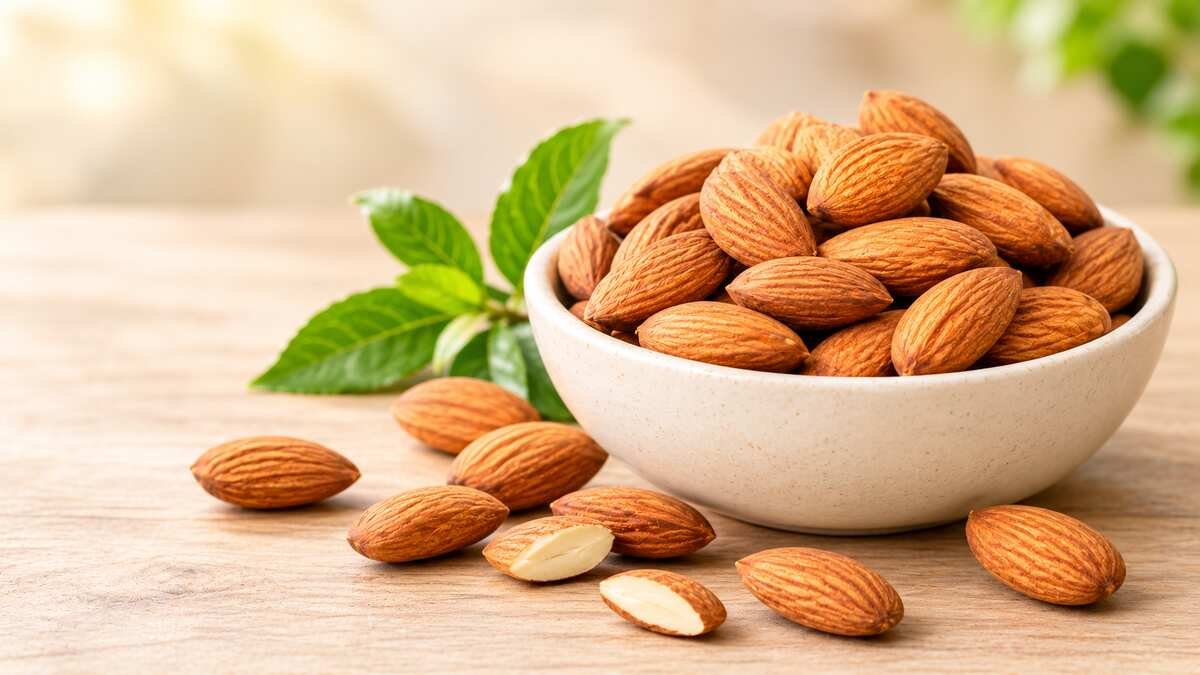
Almonds are a popular, convenient snack that provides unsaturated fats, fiber, magnesium, and other nutrients. Because of this nutrient mix, people often wonder whether eating almonds can actually lower blood pressure. The honest answer is more nuanced than a simple yes or no.
This article explains what research says about almonds and blood pressure, which nutrients may matter, and how many almonds make a reasonable serving. It also covers the best ways to eat them and the precautions worth knowing. Almonds can be part of a heart-healthy diet, but they are not a treatment for hypertension.
Are Almonds Good for High Blood Pressure?
Yes, almonds can be a heart-healthy food choice for people with high blood pressure. They contain magnesium, fiber, and unsaturated fats that support overall cardiovascular health. Some research suggests that eating almonds may modestly reduce diastolic blood pressure, although the evidence for lowering systolic blood pressure is less consistent.
The key distinction is between supporting heart health and treating hypertension. Almonds fit well into a balanced eating pattern, but they cannot replace blood pressure medication or medical care. Unsalted almonds in moderate portions are the better choice, because added sodium works against blood pressure goals.
Overall dietary pattern matters more than any single food. Almonds are most useful when they replace less nutritious snacks within a diet that is lower in sodium and richer in vegetables, fruits, and whole grains.
Nutritional Benefits of Almonds for Blood Pressure
Several nutrients in almonds are relevant to cardiovascular and blood pressure health. For a full breakdown of almond nutrition, see our guide to almonds health benefits.
Magnesium and blood vessel health
Magnesium supports normal muscle and nerve function and is involved in blood pressure regulation, according to the NIH Office of Dietary Supplements. An ounce of almonds provides roughly 77 to 80 mg. The same source notes that magnesium supplements might lower blood pressure, but only by a small amount.
Almonds are a good dietary source of magnesium, but they are not a guaranteed treatment for low magnesium or for hypertension.
Healthy fats and cardiovascular health
Almonds contain mostly unsaturated fats, including monounsaturated fat. Replacing foods high in saturated fat with nuts may support a healthier cardiovascular eating pattern. This is different from claiming that almond fat directly lowers blood pressure, which research does not show.
Learn more about healthy fats.
Fiber and heart health
An ounce of almonds provides about 3 grams of fiber. Fiber-rich foods support digestive health, help maintain healthy cholesterol levels, and improve overall diet quality. See these high-fiber foods for digestive health for other options.
Potassium and blood pressure regulation
Potassium helps balance sodium and supports normal blood pressure. An ounce of almonds provides around 200 mg, which is only about 4% of the 4,700 mg Daily Value. Almonds are therefore not a high-potassium food compared with many fruits and vegetables. For better sources, see our guides to potassium-rich vegetables and health benefits of legumes.
What Does Scientific Research Say About Almonds and Blood Pressure?
The research suggests a small possible effect on diastolic pressure, with inconsistent results for systolic pressure. Reading the details helps set realistic expectations.
What clinical trials have found
A 2020 systematic review and meta-analysis pooled 16 randomized controlled trials with 1,128 participants. Almond intake was associated with a modest reduction in diastolic blood pressure of about 1.3 mmHg. The overall effect on systolic blood pressure was not statistically significant. Subgroup analyses suggested a possible systolic benefit in people with lower starting systolic pressure and in those eating lower doses. The authors concluded that almonds could be encouraged as part of a healthy diet, while noting their calorie content.
Other reviews point in a similar direction but do not match exactly. A 2022 meta-analysis of 26 trials also found lower diastolic pressure and no clear systolic effect. A 2019 meta-analysis found diastolic pressure fell only with intakes above about 42.5 grams a day. Another 2020 dose-response analysis reported a small systolic reduction and no diastolic effect.
Why the results are not definitive
Several factors limit how much weight these findings can carry:
- Trials differ in almond dose, duration, and participant characteristics.
- Some studies test almonds alongside other dietary changes.
- Baseline blood pressure, sodium intake, and overall diet quality can influence results.
- A change of about 1 mmHg is small, and an average result does not guarantee the same outcome for any one person.
Can almonds lower blood pressure naturally?
Almonds can be part of a blood-pressure-friendly diet, but the evidence does not support using them alone as a treatment. The 2025 AHA/ACC high blood pressure guideline emphasizes a broader set of lifestyle measures, including the DASH diet, sodium reduction, more potassium, physical activity, and limited alcohol. Think of almonds as a helpful food, not a clinically established therapy.
Our guides to how to lower blood pressure and natural home remedies for high blood pressure cover other strategies.
How Many Almonds Should You Eat a Day for High Blood Pressure?
There is no proven almond dose for treating high blood pressure, but a small handful is a practical serving for many adults.
What is a reasonable serving size?
A typical serving is 1 ounce (28 grams), or about 23 almonds. This provides roughly 160 to 165 calories, according to Harvard’s Nutrition Source. A moderate portion like this can fit into a balanced eating plan.
Should you eat almonds every day?
You can eat almonds daily if they suit your overall diet, but consistency in your whole eating pattern matters more than any particular amount of almonds. Daily almonds are not a proven blood pressure treatment, and no specific number has been shown to work for everyone.
For general guidance, see how many nuts you should eat every day.
Are more almonds better?
Not necessarily. Almonds are nutrient-dense but also calorie-dense, so large portions can raise your total calorie intake. It is more helpful to replace a less nutritious snack with almonds than to add them on top of an already high-calorie diet.
Best Ways to Eat Almonds for High Blood Pressure
A few simple habits make almonds work better for your diet.
Choose unsalted almonds
Raw or dry-roasted unsalted almonds are the best option. Salted, honey-roasted, or flavored almonds can add sodium and sugar. The 2025 AHA/ACC guideline recommends limiting sodium to less than 2,300 mg per day, with an ideal target of 1,500 mg, so check nutrition labels on packaged products.
Add almonds to balanced meals
Try these ideas:
- Add chopped almonds to oatmeal or whole-grain cereal.
- Pair almonds with fresh fruit for a snack.
- Sprinkle sliced almonds over vegetables or salads.
- Stir a small portion into plain yogurt.
- Use almond butter with no added salt or sugar, in moderation.
Almonds and the DASH diet
Almonds fit well into the DASH eating pattern, which emphasizes vegetables, fruits, whole grains, and low-fat dairy while limiting sodium and saturated fat. The 2025 guideline and a clinical overview of DASH both support this pattern for people with elevated blood pressure. Almonds alone do not reproduce the benefits of a complete dietary pattern.
Our guides to vegetables and blood pressure and how many vegetables a day can help you build the rest of your plate.
Are There Any Risks of Eating Almonds With High Blood Pressure?
Almonds are safe for most people, but a few precautions apply.
Almond allergies
Almonds are tree nuts and can cause allergic reactions. People with a known almond or tree nut allergy should avoid them. Severe reactions, such as trouble breathing or swelling of the face or throat, need emergency medical care. The NHS explains food allergy symptoms and what to do.
Sodium in flavored almonds
Salted, honey-roasted, or flavored almonds may contain added sodium, sugar, and other ingredients. Plain, unsalted almonds are the better choice for blood pressure.
Kidney disease and potassium concerns
People with advanced kidney disease may need individualized limits on potassium and other minerals. If you have kidney disease, talk with your healthcare professional or a registered dietitian before making major dietary changes.
Medication and blood pressure management
Almonds should never replace prescribed blood pressure medication. Do not stop or change your medication without medical advice, even if your readings improve.
Frequently Asked Questions About Almonds and High Blood Pressure
Are almonds good for high blood pressure?
Yes, almonds can be part of a heart-healthy diet because they contain magnesium, fiber, and unsaturated fats. However, evidence that almonds directly lower blood pressure is limited and modest, as a 2020 meta-analysis shows.
Can eating almonds every day lower blood pressure?
Eating almonds regularly may support overall cardiovascular health. Some studies suggest a small drop in diastolic blood pressure, about 1.3 mmHg on average. Daily almonds are not a proven treatment for hypertension.
How many almonds should I eat daily for high blood pressure?
A typical serving is about 23 almonds, or 28 grams. This is a practical portion for many adults, though individual needs vary. No amount has been proven to treat high blood pressure.
Are salted or unsalted almonds better for high blood pressure?
Unsalted almonds are generally better because they avoid the extra sodium in many salted varieties. Reducing sodium is an important part of blood pressure management, according to the 2025 AHA/ACC guideline.
Do almonds contain magnesium for blood pressure?
Yes. An ounce of almonds provides roughly 77 to 80 mg of magnesium, which the NIH Office of Dietary Supplements lists among the nutrients involved in blood pressure regulation. Magnesium from food is one part of the picture, not a stand-alone treatment.
Are almonds better than walnuts for high blood pressure?
Both almonds and walnuts can fit into a heart-healthy diet, and neither is a stand-alone blood pressure treatment. The best choice depends on your preferences, needs, and overall diet. Compare them in almonds vs. walnuts.
Can almonds replace blood pressure medication?
No. Almonds cannot replace prescribed medication or medical care. If you have hypertension, keep following your healthcare professional’s treatment plan.
Is almond milk good for high blood pressure?
Unsweetened almond milk can be a reasonable option, especially when fortified. Products vary in sodium, added sugar, and potassium, so check the label, particularly if you have kidney disease.
The Bottom Line: Are Almonds Good for High Blood Pressure?
Almonds are a nutritious, heart-friendly food that provides magnesium, fiber, and unsaturated fats. Research suggests a possible modest benefit for diastolic blood pressure, but the evidence is not conclusive. Unsalted almonds in moderate portions are a practical choice.
A balanced diet, sodium reduction, regular physical activity, and medical care remain essential. Almonds can be a useful part of a healthy lifestyle, but they are not a cure for hypertension. For more everyday habits, see our guide to healthy habits.
Sources
- The effect of almond intake on blood pressure: A systematic review and meta-analysis of randomized controlled trials, Complementary Therapies in Medicine (2020)
- The effect of almond intake on cardiometabolic risk factors, inflammatory markers, and liver enzymes: A systematic review and meta-analysis, Phytotherapy Research (2022)
- Almond Consumption and Risk Factors for Cardiovascular Disease: A Systematic Review and Meta-analysis of Randomized Controlled Trials, Advances in Nutrition (2019)
- The effect of almonds consumption on blood pressure: A systematic review and dose-response meta-analysis, Journal of King Saud University Science (2020)
- 2025 AHA/ACC Guideline for the Prevention, Detection, Evaluation, and Management of High Blood Pressure in Adults, Circulation
- The DASH Diet: A Guide to Managing Hypertension Through Nutrition, StatPearls
- Magnesium: Fact sheet for consumers, NIH Office of Dietary Supplements
- Magnesium: Fact sheet for health professionals, NIH Office of Dietary Supplements
- Almonds: Nutrition and health benefits, Harvard T.H. Chan School of Public Health, The Nutrition Source
- Food allergy, NHS
Medical Disclaimer: This article is for informational purposes only and is not a substitute for professional medical advice, diagnosis, or treatment. Please talk with a qualified healthcare professional before making significant dietary changes, especially if you have high blood pressure or kidney disease.
2 thoughts on “Is Almonds Good for High Blood Pressure? Benefits & Serving Size”
Comments are closed.