
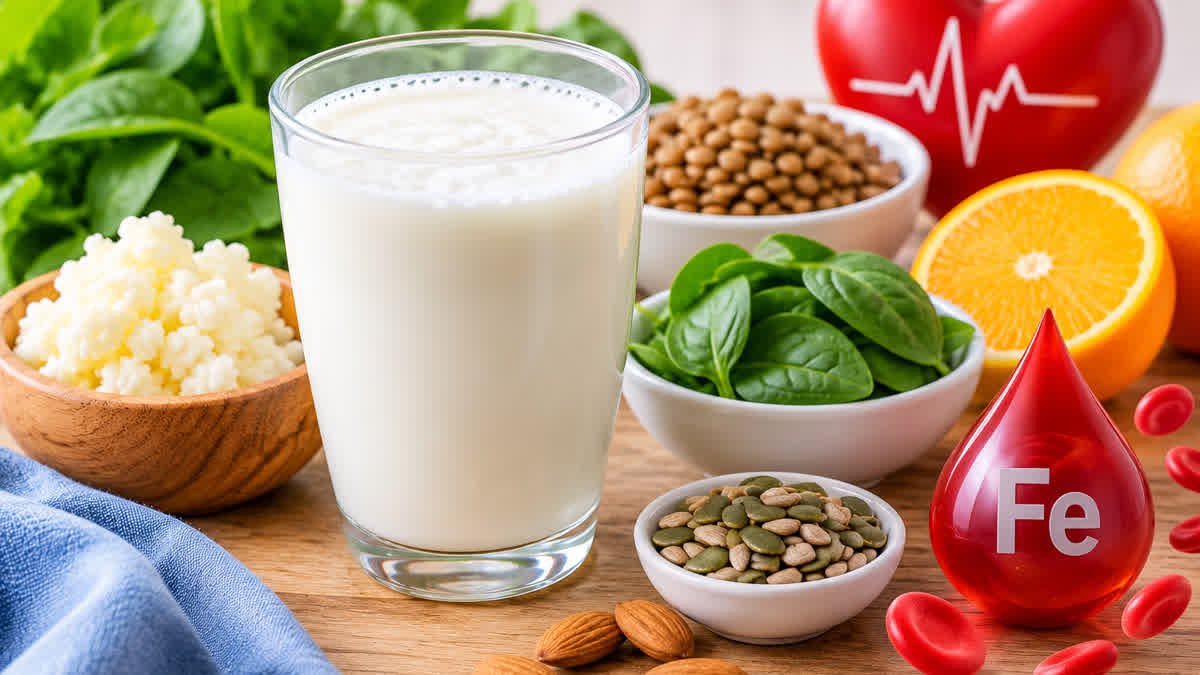

Kefir is a fermented drink that provides protein and calcium but is generally low in iron. Fermentation may affect iron absorption, while calcium can influence absorption in some meal contexts. Kefir is not a proven treatment for iron deficiency, so people with low iron should focus on iron-rich foods and appropriate medical care.
Kefir can be part of a balanced diet, but it is not a reliable treatment for iron deficiency. Most milk kefir contains little iron, and its calcium may influence how much iron your body absorbs from certain meals. Fermentation may also change how well the body absorbs iron from some foods, so the full picture is more nuanced than a simple “good” or “bad.”
Many people searching this topic have noticed fatigue or received a low iron result and want to know whether a popular probiotic drink can help. This guide explains what kefir does and does not offer. You will also learn how calcium and fermentation fit into iron absorption, and which foods and medical steps matter more.
What Is Kefir?
Kefir is a tangy, drinkable fermented food that originated in the Caucasus region. It resembles thin yogurt and is widely sold in U.S. grocery stores, either plain or flavored.
How Kefir Is Made
Traditional kefir is made by adding kefir grains to milk. The grains are small clusters that hold a community of bacteria and yeasts. Many commercial brands use starter cultures instead of grains, which can change the microbial mix.
During fermentation, these microorganisms break down some of the milk’s lactose and proteins. That process creates kefir’s tangy flavor and creamy texture.
What Nutrients Does Kefir Contain?
Milk kefir typically provides protein, calcium, potassium, riboflavin, and vitamin B12 (see our guide to vitamin B12 food sources). Many products also contain live microorganisms, depending on the brand and processing.
Nutrition varies by brand, milk type, and preparation. For example, one organic lowfat plain kefir label lists 8 grams of protein and 266 mg of calcium per three-quarter cup. You can read more in our overview of kefir health benefits.
Does Kefir Contain Iron?
Ordinary milk kefir is generally low in iron. The same lowfat plain kefir label lists 0 mg of iron, and a whole milk kefir label also shows 0 percent of the daily value.
For comparison, the NIH lists a fortified breakfast cereal at 18 mg of iron per serving and 3 ounces of cooked oysters at 8 mg. Check the nutrition label on any kefir you buy instead of assuming it is an iron-rich food. Fortified products are the exception.
Is Kefir Good for Iron Deficiency?
Kefir has a place in a balanced diet, but it is not a strategy for correcting low iron.
The Short Answer
Kefir may be included in an everyday eating pattern. It is not an established treatment for low iron or iron-deficiency anemia. I could not find clinical trials showing that drinking kefir raises iron stores, so direct evidence is limited.
Why Kefir Is Not an Iron-Rich Food
Most dairy kefir contains relatively little iron. It does not provide the amount typically needed to rebuild depleted stores. Content also differs between dairy kefir, water kefir, and any fortified products, so labels matter.
Can Kefir Still Fit Into an Iron-Healthy Diet?
Yes, in most cases. You do not necessarily need to avoid kefir because you have low iron. Meal timing and your own medical advice may matter, especially if you take iron supplements. We cover that below.
How Kefir May Affect Iron Absorption
This is where the topic gets interesting. Two things are worth understanding: calcium and fermentation.
The Role of Calcium in Iron Absorption
Calcium is the main reason people worry about dairy and iron. The NIH Office of Dietary Supplements notes that, unlike other inhibitors, calcium might reduce the bioavailability of both nonheme and heme iron. It also explains that the effects of absorption enhancers and inhibitors are muted in a typical Western diet, so they have little effect on most people’s iron status.
In plain language:
- The effect is easiest to see in single-meal studies.
- Calcium’s long-term effect on iron status is less clear.
- It would be inaccurate to say kefir always blocks iron.
Does Fermentation Help the Body Absorb Iron?
Fermentation changes foods in ways that can affect iron. For example, one human study found that lactic-fermented vegetables added to a meal increased iron absorption, and the researchers suggested the acidic environment may play a role. Some references also list certain fermented foods as possible enhancers of nonheme iron absorption.
I could not locate a WHO document that specifically names kefir as an enhancer, so this article does not make that claim. Evidence for fermented vegetables and grains does not automatically apply to kefir. And importantly, none of this means kefir supplies iron or treats deficiency.
What Happens When Kefir Is Consumed With Iron-Rich Foods?
Iron absorption depends on the whole meal, not a single food. According to the NIH, factors include:
- The type of iron in the food (heme or nonheme)
- Vitamin C, which enhances nonheme iron absorption
- Calcium
- Phytate, found in grains and beans
- Certain polyphenols in some plant foods
- The person’s own iron status
Because so many variables interact, a rigid “never combine these foods” rule is not supported by the evidence for most people.
Potential Benefits and Limitations of Kefir for Iron Health
Kefir Provides Protein and Other Nutrients
Kefir contributes protein, calcium, and B vitamins to your overall diet. Those are useful nutrients, but they do not directly correct iron deficiency.
Kefir May Support Dietary Variety
Fermented foods can add variety to a balanced diet. See our guides to probiotics and daily kefir intake if you want more detail. There is no good evidence that kefir improves iron stores or prevents anemia.
What Kefir Cannot Do
Kefir cannot:
- Replace iron-rich foods
- Reliably correct depleted iron stores
- Treat iron-deficiency anemia
- Replace iron supplements prescribed by a clinician
How to Combine Kefir With Iron-Rich Foods
These are practical ideas, not a mandatory plan.
Include Iron-Rich Foods in Your Diet
Iron comes in two forms. The NIH explains that plants and fortified foods contain only nonheme iron, while meat, seafood, and poultry contain both types.
| Feature | Heme Iron | Non-Heme Iron |
|---|---|---|
| Found in | Meat, poultry, seafood | Plants, fortified foods, and also meat, poultry, seafood |
| Absorption | Higher bioavailability | Lower and more variable |
| Influenced by | Less affected by other foods | Strongly affected by enhancers and inhibitors |
Foods to consider include lentils, beans, chickpeas, tofu, iron-fortified cereals, and, where appropriate, meat, poultry, and seafood. See our guides to iron-rich foods and vegetables high in iron.
Pair Plant-Based Iron With Vitamin C
The NIH notes that you absorb iron from plant sources better when you eat it with meat, poultry, seafood, or foods containing vitamin C, such as citrus fruits, strawberries, sweet peppers, tomatoes, and broccoli. Our list of foods high in vitamin C can help you plan.
Should You Drink Kefir at a Different Time?
If you take a prescribed iron supplement, follow your healthcare professional’s instructions and the product label. The [NIH consumer fact sheet](https://ods.od.nih.gov/factsheets/Iron -Consumer/) says calcium might interfere with iron absorption and that taking calcium and iron supplements at different times of day might prevent the problem.
There is no universal timing interval that fits everyone. Ask your clinician or pharmacist what makes sense for your supplement.
A Simple Food-Pairing Example
Here is one general illustration:
- A meal built around lentils or beans
- A vitamin C-rich food alongside it, such as tomatoes or sweet peppers
- Kefir at a different time of day, if your clinician advises separating calcium from iron
This is an example, not a required schedule.
What Should You Do if You Have Iron Deficiency?
Food choices help, but medical guidance matters most.
Confirm Iron Deficiency With Testing
Symptoms alone cannot confirm low iron. Fatigue, weakness, and trouble concentrating can have many causes (see our overview of early signs of iron deficiency). According to the NIH, serum ferritin, a measure of iron stores, is currently considered the most efficient and cost-effective test for diagnosing iron deficiency. Clinicians often use more than one measurement, because ferritin can be affected by inflammation.
Iron deficiency and iron-deficiency anemia are not the same. The NIH describes a progression from depleted iron stores, to iron-deficient red blood cell production, to anemia. You can have low iron stores before hemoglobin drops.
Find the Underlying Cause
Iron deficiency can result from low dietary intake, blood loss, increased needs, or poor absorption. The NIH lists teen girls and women with heavy periods, pregnant women, people who do not eat meat, and people with gastrointestinal conditions that interfere with absorption among those more likely to struggle. Our articles on what causes iron deficiency and its risk factors explain more. Treating the cause matters, especially when low iron keeps coming back.
Follow Recommended Treatment
Treatment may include dietary changes, oral iron, or other medical care, depending on the cause and severity. Our guide to iron deficiency treatment options gives an overview. Do not start high-dose iron on your own. The NIH warns that iron can be harmful in excess, and people with hereditary hemochromatosis should avoid iron supplements. You may also want to read about ways to support healthy iron levels.
Frequently Asked Questions
Is kefir high in iron?
Most standard milk kefir is not high in iron. Product labels often list 0 mg, as seen on this lowfat plain kefir label. Check the label, especially if a product is fortified.
Can kefir help iron deficiency anemia?
Kefir is not a proven treatment for iron-deficiency anemia. People with diagnosed anemia may need iron replacement and an evaluation of the underlying cause. See our guide to iron deficiency treatment options.
Does kefir block iron absorption?
Kefir’s calcium may affect iron absorption in some meals, but the NIH notes that such effects are muted in typical Western diets. It is inaccurate to say kefir always blocks iron.
Is kefir better than milk for iron absorption?
Fermentation changes food properties, but I did not find direct evidence showing that kefir is better than milk for improving iron status. Neither is a meaningful iron source, so neither should be relied on for deficiency.
Can I drink kefir while taking iron supplements?
Follow the instructions for your specific supplement and your healthcare professional’s advice. The [NIH](https://ods.od.nih.gov/factsheets/Iron -Consumer/) says taking calcium and iron supplements at different times of day might prevent absorption problems. Your pharmacist can advise on timing for your product.
What is the best drink for iron deficiency?
No drink alone reliably treats iron deficiency. Iron-rich foods, vitamin C-containing foods, and appropriate medical care matter more. Some beverages, such as tea, may reduce absorption when taken with meals; see our article on green tea and iron deficiency.
Final Takeaway
Kefir is a nutritious fermented food, but it is generally low in iron. Fermentation may influence iron bioavailability in some foods, and calcium may affect absorption in certain meals, yet the overall effect depends on your whole diet. Direct evidence that kefir treats iron deficiency is limited.
If you have confirmed or suspected low iron, focus on iron-rich foods, vitamin C pairings, testing, and clinician-guided treatment. Enjoy kefir as part of a varied diet if it agrees with you, and ask your healthcare professional about timing if you take iron supplements.
For more background, see our guide on how common iron deficiency is.
Sources
- Iron fact sheet for health professionals, NIH Office of Dietary Supplements
- Iron fact sheet for consumers, NIH Office of Dietary Supplements
- Iron fact sheet, NIH Office of Dietary Supplements (food sources and iron content)
- Increased iron bioavailability from lactic-fermented vegetables
- Example product labels: Straus Family Creamery organic lowfat plain kefir and Lifeway organic whole milk kefir
Medical Disclaimer: This article is for general education only and is not medical advice. It does not diagnose, treat, or prevent any condition, and it cannot replace guidance from a qualified healthcare professional. If you think you may have low iron, or you take iron supplements, talk with your doctor before changing your diet or your treatment. Seek urgent care for symptoms such as chest pain, fainting, severe shortness of breath, or black or bloody stools.