

Iron deficiency is one of the most common nutritional problems in the world, and it can affect people at any age. A major 2025 Lancet Haematology consensus review describes it as the most common micronutrient deficiency worldwide. Iron is needed to make hemoglobin, the protein in red blood cells that carries oxygen from the lungs to the rest of the body.
When iron stores run low, the body may struggle to deliver oxygen efficiently. Some people notice tiredness, trouble concentrating, or less stamina during exercise. Others have few obvious signs until the deficiency becomes more advanced, which is why testing matters more than guesswork.
Treatment depends on the underlying cause, how low iron levels are, and whether anemia is present. For some people, dietary changes are enough. Others need oral iron, intravenous (IV) iron, or treatment for the condition that is causing iron loss in the first place. This guide explains how iron deficiency is diagnosed, how each treatment option works, and when to talk with a healthcare professional. It offers general education and cannot replace individual medical advice.
What Is Iron Deficiency?
Iron deficiency means the body does not have enough iron to meet its needs. Iron is stored mainly in the liver, spleen, and bone marrow, and the body draws on those stores when dietary iron falls short. When the stores become low, the body can no longer keep up with demand.
Understanding Iron Deficiency vs. Iron Deficiency Anemia
Iron deficiency and iron deficiency anemia are related but not identical. The NIH Office of Dietary Supplements explains that iron deficiency progresses in stages. First, iron stores are depleted. Next, red blood cell production is affected while hemoglobin often stays in the normal range. Finally, iron deficiency anemia develops, with low hemoglobin and smaller red blood cells.
This is why someone can have low iron stores without being anemic. It is also why a normal hemoglobin result does not always rule out iron deficiency. Anemia itself has many possible causes, so low hemoglobin does not automatically point to iron, as the World Health Organization (WHO) notes.
Why Iron Is Important for the Body
Iron does more than build red blood cells. Its main roles include:
- Oxygen transport: Iron is a key part of hemoglobin and of myoglobin, which supplies oxygen to muscles.
- Energy metabolism: Iron supports the cellular processes that turn food into usable energy.
- Immune function: The body needs adequate iron for normal immune activity.
- Brain development and cognition: Iron supports neurological development and normal brain function, especially in infants and children.
The NIH consumer fact sheet also notes that iron is involved in growth, development, and the production of some hormones.
Common Signs and Symptoms of Iron Deficiency
Iron deficiency symptoms are often vague and overlap with many other conditions. Symptoms alone cannot confirm iron deficiency, and some people with low iron have no symptoms at all. The WHO describes the common symptoms of anemia as non-specific, including tiredness and shortness of breath.
Early Symptoms
Early signs can be easy to dismiss as stress or a busy schedule:
- Persistent tiredness and fatigue
- General weakness
- Headaches
- Difficulty concentrating
- Reduced exercise tolerance
If tiredness is your main concern, our guide to what causes fatigue covers other possible explanations.
More Noticeable Symptoms
As iron levels fall further, other symptoms may appear:
- Pale skin
- Dizziness or lightheadedness
- Shortness of breath during activity
- Heart palpitations
- Brittle nails or changes in hair
- Unusual cravings for non-food items, such as ice (sometimes called pica)
When Should You Seek Medical Advice?
Talk with a healthcare professional if symptoms persist or get worse, if fatigue has no clear explanation, or if you have heavy menstrual bleeding. These can be signs of anemia. A blood test is the reliable way to find out, so there is no need to guess or to start supplements on your own.
What Causes Iron Deficiency?
Finding the cause is as important as restoring iron levels. If the underlying reason continues, iron levels are likely to fall again, even after successful treatment. Iron deficiency is not always a food problem.
Inadequate Dietary Iron Intake
Eating too little iron can contribute, particularly with limited variety or poorly planned restrictive diets. The NIH notes that people who do not eat meat, poultry, or seafood are among those at higher risk. Vegetarians may need almost twice as much iron as others, because the body absorbs iron from plant foods less efficiently.
Blood Loss
Blood is rich in iron, so ongoing blood loss can drain stores over time. Common sources include:
- Heavy or prolonged menstrual periods
- Bleeding in the digestive tract, such as from ulcers or other gastrointestinal conditions
- Blood loss linked to other medical conditions
The British Society of Gastroenterology guideline reports that about a third of men and postmenopausal women with iron deficiency anemia have an underlying abnormality, most often in the digestive tract.
Increased Iron Requirements
Some life stages call for more iron. These include pregnancy, infancy, childhood, adolescence, and other periods of rapid growth. The NIH points out that too little iron in pregnancy raises the risk of iron deficiency anemia in the mother and is linked with low birth weight and premature birth in the baby.
Poor Iron Absorption
Sometimes iron intake is adequate but the body cannot absorb it well. Possible reasons include celiac disease, inflammatory bowel disease, other digestive conditions, and previous gastrointestinal surgery. Our article on vegetables for gut health offers more on supporting digestion through food.
How Is Iron Deficiency Diagnosed?
A diagnosis relies on a clinical assessment and laboratory results, not on symptoms or online checklists alone. A clinician will usually review your diet, medical history, menstrual history, medications, and any signs of bleeding.
Complete Blood Count (CBC)
A CBC measures hemoglobin and red blood cell characteristics, including cell size. These results help identify anemia. However, the NIH notes that hemoglobin and hematocrit are neither sensitive nor specific for iron deficiency, so additional tests are often needed.
Ferritin Blood Test
Ferritin reflects the body’s stored iron. The NIH describes serum ferritin as currently the most efficient and cost-effective test for diagnosing iron deficiency. A low ferritin level usually points to depleted stores.
Inflammation can raise ferritin and make results look better than they are. For this reason, clinicians interpret ferritin alongside other findings. Guidelines also continue to evolve: the American Society of Hematology (ASH) 2026 guideline suggests a ferritin threshold of 30 ng/mL or lower for most adults, including menstruating and pregnant individuals, and a higher threshold in some situations, such as when inflammation is present. Your clinician and lab will interpret your own numbers.
Other Iron Tests
Depending on the situation, a clinician may also check:
- Serum iron
- Transferrin, the protein that carries iron in the blood
- Total iron-binding capacity (TIBC)
- Transferrin saturation
Identifying the Underlying Cause
Once iron deficiency is confirmed, the next step is asking why. That may involve reviewing eating patterns, evaluating possible blood loss, considering digestive conditions or absorption problems, and deciding whether further testing is needed. The British Society of Gastroenterology emphasizes that optimal management combines iron replacement with investigation to establish the cause.
Iron Deficiency Treatment Options Explained
There is no single best treatment for everyone. The right approach depends on the cause, the severity, whether anemia is present, and how well a person tolerates treatment. Many people use more than one approach at the same time. Treatment is a medical decision made with a healthcare professional, not a self-treatment checklist.
1. Improving Iron Intake Through Diet
Eating more iron-rich foods supports healthy iron levels. Food contains two forms of iron. Heme iron is found in meat, poultry, and seafood and is generally absorbed more readily. Nonheme iron is found in plant foods and fortified foods, and the NIH explains that the body does not absorb it as well.
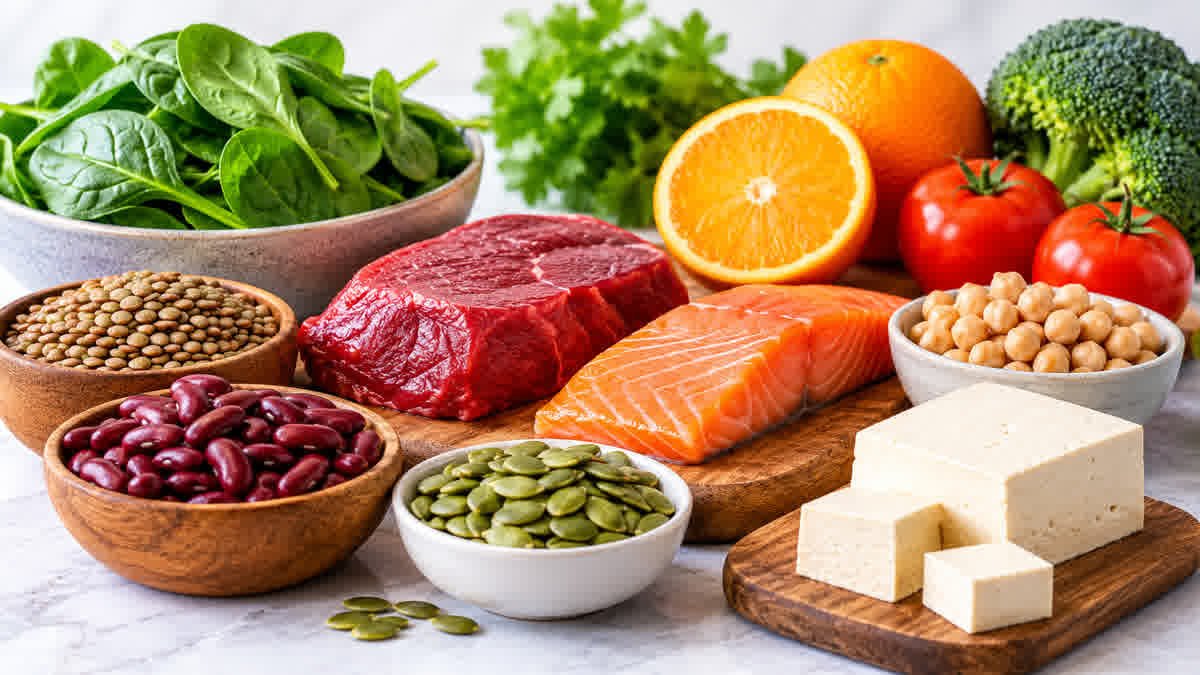
Helpful plant sources include beans, lentils, chickpeas, tofu, leafy greens, seeds, and iron-fortified cereals. Our guide to vegetables high in iron and our broader list of iron-rich foods offer more ideas.
Two habits can influence absorption:
- Pair plant-based iron with vitamin C. Foods such as citrus fruit, tomatoes, and bell peppers can improve absorption of nonheme iron. See our list of vegetables high in vitamin C.
- Watch tea and coffee with meals. These drinks can reduce nonheme iron absorption when consumed alongside iron-rich meals. Our article on green tea and iron deficiency explains this in more detail.
Dietary changes support iron health, but they may not be enough to correct established iron deficiency or iron deficiency anemia on their own.
2. Oral Iron Supplements
Oral iron is commonly used when diet alone cannot restore iron levels. The 2025 Lancet Haematology consensus review notes that oral iron is often recommended as first-line treatment, while also acknowledging there is no consensus on the best formulation or dosing strategy.
Common forms include ferrous sulfate, ferrous fumarate, and ferrous gluconate. A clinician may choose one over another based on tolerance, cost, and individual needs. The dose and schedule should come from your healthcare professional, not from the product label or a general recommendation.
Side effects are common and may include constipation, nausea, and stomach discomfort. The NIH notes that high doses of iron, especially on an empty stomach, can upset the stomach. If constipation is a problem, see our guide to natural home remedies for constipation and tell your clinician rather than stopping treatment on your own.
Iron supplements should not be taken unnecessarily. Extra iron is not harmless, and the NIH warns that accidental overdose of iron-containing products is a leading cause of fatal poisoning in children under 6. Iron can also interact with certain medicines and supplements, so review everything you take with a clinician or pharmacist.
3. Intravenous (IV) Iron Treatment
IV iron is delivered through a vein under medical supervision. It bypasses the digestive tract and delivers iron directly into the bloodstream. Healthcare professionals may consider it in several situations:
- Oral iron is not tolerated
- Iron absorption is impaired
- Oral treatment does not produce an adequate response
- Faster iron replacement is medically necessary
Because IV iron is given in a medical setting, patients can be monitored during and after treatment. The decision about who should receive it is individualized. The Lancet Haematology review notes that there is no consensus on which patients should be treated preferentially with IV iron.
4. Treating the Underlying Medical Cause
Iron replacement alone may not solve the problem if the cause continues. Depending on the situation, addressing the cause may involve:
- Managing heavy menstrual bleeding
- Investigating possible gastrointestinal blood loss
- Treating digestive conditions that affect absorption
- Addressing other nutritional deficiencies
- Managing relevant chronic health conditions
It is also worth knowing that not every anemia responds to iron. The NIH notes that extra iron usually does not improve anemia of chronic disease, which is one more reason to confirm the diagnosis before treating.
Iron-Rich Foods That Support Iron Levels
A varied diet is the foundation of long-term iron health. Here are practical examples.
Animal-Based Iron Sources
- Lean meat
- Poultry
- Fish and seafood
These foods supply heme iron, which the body absorbs more readily.
Plant-Based Iron Sources
- Lentils
- Beans and chickpeas
- Tofu
- Pumpkin seeds
- Spinach and other leafy vegetables
- Iron-fortified cereals
These foods supply nonheme iron. Absorption is lower than with heme iron, so food combinations matter.
Foods That Help Iron Absorption
- Oranges
- Guava
- Tomatoes
- Bell peppers
- Other vitamin C-rich fruits and vegetables
For example, adding bell pepper to a lentil dish or having an orange with an iron-fortified cereal can help your body make better use of the iron in the meal. You can find more vitamin C-rich foods in our nutrition library.
How Long Does Iron Deficiency Treatment Take?
There is no single timeline. Recovery depends on several factors:
- How low iron stores are
- Whether anemia is present
- The treatment method
- The underlying cause
- How well your body absorbs and responds to treatment
Symptoms may improve before iron stores are fully restored, so feeling better does not always mean treatment is finished. Follow-up blood tests are how clinicians check progress. In people with anemia, the British Society of Gastroenterology guideline describes a hemoglobin rise within about two weeks of starting iron as a useful sign of iron deficiency.
Treatment may continue after hemoglobin returns to normal, so that iron stores can rebuild. If iron deficiency persists or keeps coming back, further evaluation is needed to look for an ongoing cause.
How to Prevent Iron Deficiency
Prevention focuses on steady, sustainable habits:
- Eat a varied diet that includes iron-rich foods.
- Include plant-based and animal-based iron sources, as appropriate for your eating pattern.
- Pair plant-based iron with vitamin C-rich foods.
- Seek professional support for heavy menstrual bleeding.
- Have iron levels monitored when a clinician recommends it, for example during pregnancy or periods of rapid growth.
- Investigate recurring iron deficiency instead of repeatedly relying on supplements.
For broader ideas on building balanced meals, see our guide to what is a healthy diet. The WHO also notes that the prevention and treatment of anemia depend on the underlying cause.
When Does Iron Deficiency Require Medical Attention?
See a healthcare professional if you have:
- Persistent or unexplained fatigue
- Repeated dizziness or weakness
- Heavy or prolonged menstrual bleeding
- Signs that may suggest gastrointestinal blood loss
- Symptoms of significant anemia
- Iron deficiency that returns despite treatment
Severe breathlessness, chest pain, fainting, or a racing heartbeat needs urgent medical assessment. Our article on when chest pain is an emergency explains what to watch for.
Frequently Asked Questions About Iron Deficiency
1. What is the best treatment for iron deficiency?
The best treatment depends on the cause and severity. Oral iron is commonly used as a first step, and IV iron may be appropriate in certain situations. Finding and treating the underlying cause is just as important as replacing iron. (Lancet Haematology, 2025)
2. Can iron deficiency be treated with food alone?
Dietary improvements can help maintain healthy iron levels and are useful for prevention. Established iron deficiency, however, often needs medically supervised iron replacement as well. A clinician can tell you whether food changes alone are reasonable in your case.
3. How long does it take to improve iron levels?
The timeline varies from person to person. It depends on how low your iron is, the treatment used, and the cause. Follow-up blood tests show when iron stores have recovered, which can take longer than symptom relief.
4. Are iron supplements safe for everyone?
No. Supplements are not appropriate for everyone, and too much iron can be harmful. The NIH advises keeping iron products out of the reach of children and talking with a healthcare professional before starting one.
5. Can you have iron deficiency without anemia?
Yes. Iron stores can be depleted before hemoglobin drops low enough to meet the definition of anemia. The NIH describes this as an earlier stage in which hemoglobin is usually still in the normal range.
6. What foods help the body absorb iron?
Vitamin C-rich foods, such as oranges, guava, tomatoes, and bell peppers, can improve absorption of plant-based iron when eaten in the same meal. Limiting tea and coffee around iron-rich meals can also help.
7. When is IV iron necessary?
A healthcare professional may recommend IV iron when oral iron is ineffective, poorly tolerated, or unsuitable. It may also be considered when faster replacement is medically needed or absorption is impaired. The decision is individualized.
Final Thoughts on Iron Deficiency Treatment
The most important step in managing iron deficiency is identifying why iron is low. Dietary improvements, oral supplements, and IV iron each have a role, and many people benefit from a combination guided by a professional. Diagnosis and follow-up testing matter because symptoms alone can be misleading. Informed, well-supported decisions lead to safer and more effective care.
Sources
- World Health Organization: Anaemia fact sheet
- NIH Office of Dietary Supplements: Iron, Fact Sheet for Health Professionals
- NIH Office of Dietary Supplements: Iron, Fact Sheet for Consumers
- American Society of Hematology 2026 guidelines for diagnosis of iron deficiency (Blood Advances)
- Benson AE, et al. Management of iron deficiency in children, adults, and pregnant individuals. Lancet Haematology, 2025
- Snook J, et al. British Society of Gastroenterology guidelines for the management of iron deficiency anaemia in adults. Gut, 2021
Medical Disclaimer
This article is intended for educational purposes only and should not replace professional medical advice, diagnosis, or treatment. Consult a qualified healthcare professional if you suspect iron deficiency or are considering iron supplementation.
3 thoughts on “Iron Deficiency Treatment Options Explained: Diet, Supplements, and Medical Care”
Comments are closed.