
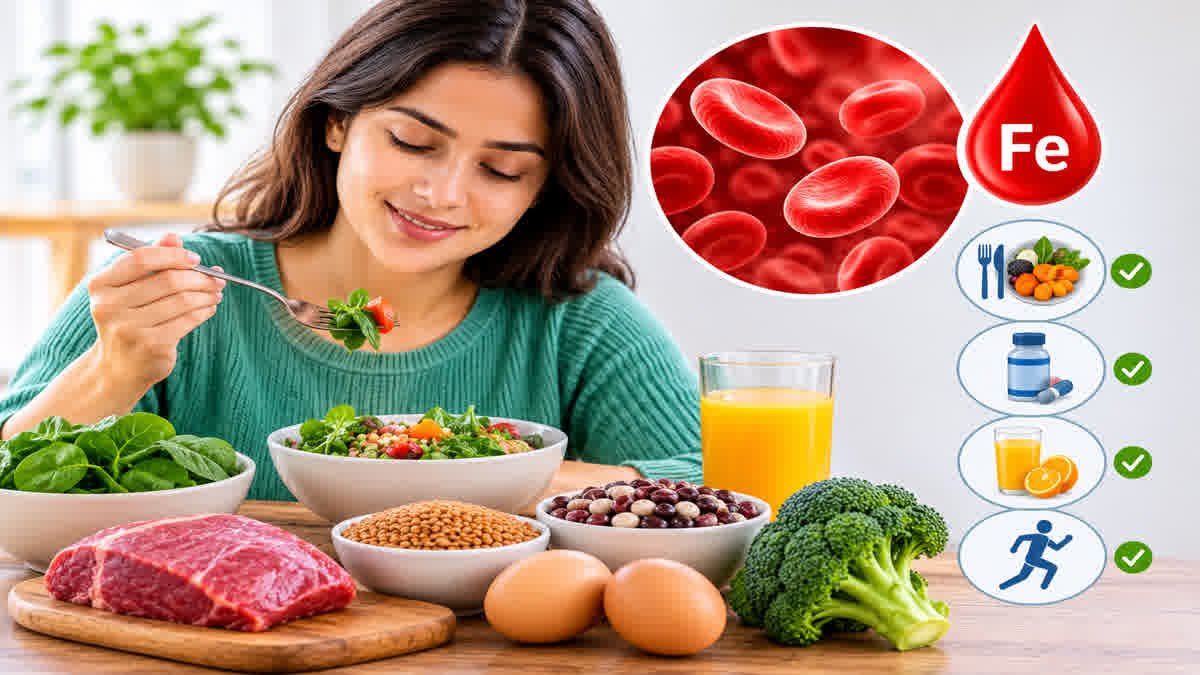

Iron is an essential mineral that helps your body make hemoglobin, the protein in red blood cells that carries oxygen. When iron runs low, the body has a harder time delivering oxygen to tissues. That can contribute to fatigue, weakness, and trouble concentrating, which is why iron deficiency is worth taking seriously.
The good news is that everyday choices can support healthy iron levels. Eating a wider range of iron-rich foods, pairing them with foods that help absorption, and using supplements correctly when they are recommended can all play a part. Small habits, such as when you drink tea or coffee, can make a real difference over time.
Home care works best alongside medical care, not instead of it. A blood test is the only reliable way to confirm iron deficiency, and a clinician needs to look for the underlying cause. This guide offers general education, not individual medical advice, so use it to prepare for a conversation with your healthcare professional.
Understanding Iron Deficiency and Why It Happens
Knowing what is behind low iron helps you choose sensible next steps.
What Is Iron Deficiency?
Iron deficiency means the body does not have enough iron to meet its needs. Iron is used to build hemoglobin and red blood cells, and extra iron is stored as ferritin, mainly in the liver, spleen, and bone marrow. The NIH Office of Dietary Supplements describes iron deficiency as developing in stages: stores run down first, then red blood cell production is affected, and iron deficiency anemia comes last.
That is why iron deficiency and iron deficiency anemia are related but not the same. You can have low iron stores while hemoglobin is still in the normal range. Our guide to iron deficiency treatment options explains what clinicians may recommend once low iron is confirmed.
Common Causes of Low Iron
Low iron levels usually come from one or more of these causes:
- Not getting enough iron from food
- Heavy or prolonged menstrual bleeding
- Pregnancy, when iron needs rise
- Blood loss from the digestive tract
- Conditions that interfere with absorption, such as celiac disease
- Periods of rapid growth in childhood and adolescence
The cause shapes the treatment. Food changes can help with low intake, but they cannot fix ongoing bleeding. See our articles on what causes iron deficiency and iron deficiency risk factors for more detail.
Recognizing the Symptoms of Iron Deficiency
Symptoms can be easy to overlook, especially when they develop slowly. Mayo Clinic notes that iron deficiency anemia can be mild enough at first to go unnoticed. Possible signs include:
- Persistent tiredness and fatigue
- Weakness and reduced energy
- Pale skin
- Shortness of breath, especially during activity
- Headaches or dizziness
- Cold hands and feet
- Brittle nails
- Cravings for ice or other non-food substances (pica)
Mild iron deficiency may cause no obvious symptoms at all. These signs can also come from many other conditions, so they cannot confirm low iron on their own. See our guide to the early signs of iron deficiency, and ask a healthcare professional about testing.
Eat More Iron-Rich Foods to Support Healthy Iron Levels
Food is the foundation of day-to-day iron management. The aim is variety, not reliance on one “superfood.”
Include Animal-Based Sources of Iron
Animal foods contain heme iron, which the NIH says the body absorbs more easily than the nonheme iron in plants. Good sources include:
- Lean beef
- Chicken and turkey
- Fish
- Shellfish, such as oysters, clams, and mussels
- Liver and other organ meats
Liver is very rich in iron, but it is also high in preformed vitamin A. Pregnant people should talk with a healthcare professional before eating liver or taking supplements that contain vitamin A.
Add Plant-Based Iron Sources to Your Diet
Plant foods contain nonheme iron, which is less readily absorbed but still valuable, especially when you pair it with the right foods. Options include:
- Lentils, chickpeas, and kidney beans
- Spinach and other dark leafy greens
- Tofu
- Pumpkin seeds and sesame seeds
- Iron-fortified breakfast cereals
- Whole grains
Our guides to iron-rich foods and vegetables high in iron offer more ideas, and you can read about chickpeas and iron deficiency or almonds and iron deficiency for specific foods.
Choose Iron-Rich Foods for Everyday Meals
Simple combinations make it easier to include iron regularly:
- Lentils with vegetables
- Beans with whole-grain rice
- Tofu with broccoli
- Iron-fortified cereal with fruit
- Fish or chicken with leafy greens
The table below lists approximate iron content for some common foods, based on figures published by the NIH Office of Dietary Supplements. Exact amounts vary by brand and preparation, and labels are the best guide for packaged foods.
| Food | Serving | Approximate iron |
|---|---|---|
| Fortified breakfast cereal | 1 serving (check label) | Up to about 18 mg |
| Oysters, cooked | 3 ounces | About 8 mg |
| White beans, canned | 1/2 cup | About 4 mg |
| Lentils, boiled | 1/2 cup | About 3 mg |
| Spinach, boiled | 1/2 cup | About 3 mg |
| Tofu, firm | 1/2 cup | About 3 mg |
| Beef, lean, cooked | 3 ounces | About 2 mg |
| Cashews | 1 ounce | About 2 mg |
Improve Iron Absorption With Smart Food Combinations
Eating iron-rich foods is only half of the picture, because the body also has to absorb the iron. A few habits can help.
Pair Iron-Rich Foods With Vitamin C
Vitamin C helps the body absorb nonheme iron. The NIH notes that eating vitamin C-rich foods together with plant-based iron can improve absorption. Easy pairings include:
- Lentils with tomatoes
- Spinach with bell peppers
- Beans with lemon juice
- Iron-fortified cereal with oranges or strawberries
- Chickpeas with fresh lemon
See our lists of foods high in vitamin C and vegetables high in vitamin C for more options.
Understand Foods and Drinks That May Reduce Iron Absorption
Some common foods and drinks can reduce how much nonheme iron you absorb when you consume them at the same time:
- Tea and coffee, because of their polyphenols
- Calcium supplements and high-calcium foods or drinks
- Foods that contain phytates, such as some whole grains and legumes
You do not need to give up these foods. Many are nutritious, and the effect depends on your overall diet. The practical goal is to separate them from iron-rich meals or iron doses when you can. Our article on green tea and iron deficiency explains this in more detail.
Time Your Meals and Drinks Wisely
A few small adjustments can help:
- Drink tea or coffee between meals instead of with iron-rich meals.
- Include a vitamin C source with plant-based iron.
- Ask your healthcare professional how far apart to space calcium and iron supplements.
Build a Simple Iron-Friendly Daily Meal Plan
This is an example of one day of eating, not a personalized treatment diet. Your needs depend on your age, health, and diagnosis.
| Meal | Suggested foods |
|---|---|
| Breakfast | Iron-fortified cereal with strawberries or orange slices |
| Mid-morning snack | Pumpkin seeds or a piece of fruit |
| Lunch | Lentil curry with rice and a tomato salad |
| Afternoon snack | Chickpeas with lemon |
| Dinner | Fish or chicken with spinach and other vegetables |
A balanced pattern of this kind also supports general health. Our guide to what a balanced diet looks like can help you round out the rest of your day.
Tips for Vegetarian and Vegan Diets
Plant-based diets can supply enough iron, but they take some planning. The NIH notes that vegetarians need about 1.8 times as much dietary iron as people who eat meat, because nonheme iron is less readily absorbed. These habits can help:
- Include legumes, tofu, seeds, and fortified foods regularly.
- Pair plant-based iron with vitamin C.
- Avoid relying on one food as your main iron source.
- If blood tests show deficiency, discuss supplements with a healthcare professional.
Make Healthy Eating Easier
Practical routines make the difference between a good plan and one you actually follow:
- Plan meals ahead of time.
- Keep canned beans and lentils on hand.
- Include iron-rich foods in more than one meal a day.
- Use affordable seasonal fruits and vegetables for vitamin C.
Use Iron Supplements Safely When Needed
Supplements can be very helpful, but they carry real risks if used without guidance.
When Might Iron Supplements Be Necessary?
A healthcare professional may recommend iron supplements when:
- Blood tests confirm iron deficiency
- Dietary changes alone are not enough
- Iron needs are higher than usual, such as in pregnancy
- A medical condition causes poor absorption or ongoing iron loss
The NHS notes that treatment is often iron tablets, along with finding and addressing the cause. Needs differ from person to person, so there is no universal dose.
How to Take Iron Supplements
Follow the dose and schedule your healthcare professional recommends, and keep these general points in mind:
- Iron may be absorbed better on an empty stomach, but taking it with food can reduce stomach upset. Ask your clinician which approach suits you.
- Vitamin C may help absorption, though extra vitamin C supplements are not always needed.
- Tea, coffee, calcium supplements, and some medications can interfere with absorption.
- Some clinicians recommend dosing schedules other than daily, so ask about the schedule that fits you.
A pharmacist can check for interactions with your other medicines and advise on timing.
Understand Possible Side Effects
Iron supplements can cause side effects, including:
- Constipation
- Nausea
- Stomach discomfort
- Diarrhea
- Dark-colored stools
Dark stools are common with iron. However, black, tarry stools along with weakness, dizziness, or other worrying symptoms need prompt medical assessment, because they can signal bleeding. If side effects are bothersome, call your clinician rather than stopping on your own, since a different formulation or schedule may help.
Avoid Taking Too Much Iron
More iron is not better. Excess iron can build up and harm the liver and other organs, as Mayo Clinic warns. Keep these safety points in mind:
- Do not take iron supplements just because you feel tired.
- Do not raise your dose without medical advice.
- Keep iron supplements out of children’s reach, because accidental overdose can be life-threatening. Contact Poison Control or emergency services right away if a child swallows iron.
Everyday Habits That Support Iron Deficiency Management
Healthy routines do not correct low iron directly, but they can support how you feel while treatment works.
- Eat balanced meals that include iron-rich foods.
- Stay hydrated and include fiber-rich foods if iron supplements cause constipation. See our tips on natural home remedies for constipation.
- Aim for regular, adequate sleep. Our guide on how to improve sleep can help.
- Choose physical activity that matches your energy level.
- Rest when you have severe fatigue or breathlessness instead of pushing through.
- Attend follow-up appointments and recommended blood tests.
Exercise, hydration, and sleep support general well-being, but they do not replace iron treatment.
When Home Management Is Not Enough
Food and home care have limits. Some situations need a medical evaluation.
Get Medical Advice for Persistent Symptoms
Talk with a healthcare professional if you have:
- Ongoing fatigue or weakness
- Repeated dizziness
- Heavy or prolonged menstrual bleeding
- Unexplained weight loss
- Digestive symptoms or suspected blood loss
- Symptoms that persist despite dietary changes
Understand the Tests Used to Check Iron Levels
Your clinician may order one or more of these:
- Complete blood count (CBC), which measures hemoglobin and red blood cell characteristics
- Ferritin, which reflects iron stores
- Serum iron
- Transferrin saturation and other iron studies when appropriate
Ferritin is commonly used to assess iron stores, but inflammation and other conditions can affect how it is interpreted. The American Society of Hematology 2026 guideline discusses ferritin thresholds, which can differ by situation.
Know When to Seek Urgent Care
Get urgent medical attention for:
- Chest pain
- Severe shortness of breath
- Fainting
- Significant bleeding
- Rapidly worsening weakness or other severe symptoms
The cause of iron deficiency must be identified and treated. The British Society of Gastroenterology guideline reports that about a third of men and postmenopausal women with iron deficiency anemia have an underlying abnormality, most often in the digestive tract. Gastrointestinal blood loss should never be managed with diet alone.
Common Mistakes to Avoid When Managing Iron Deficiency
These pitfalls come up often:
- Depending only on spinach or one iron-rich food
- Drinking tea or coffee with every iron-rich meal
- Taking iron supplements without testing or medical guidance
- Stopping prescribed supplements as soon as symptoms improve
- Ignoring persistent blood loss or digestive symptoms
- Assuming all fatigue is caused by low iron
Frequently Asked Questions About Managing Iron Deficiency at Home
Can I improve iron deficiency naturally at home?
Dietary changes can support your iron intake and absorption. However, confirmed iron deficiency often needs supplements, and a clinician should look for the underlying cause. Food alone may not be enough, particularly with ongoing blood loss.
What is the fastest way to increase iron levels?
There is no single fast fix, because the right approach depends on the cause and severity. Prescribed iron therapy may be needed, and food alone may not correct significant deficiency quickly. A healthcare professional can advise on the options for your situation.
Does vitamin C help with iron absorption?
Yes. Vitamin C can improve absorption of nonheme iron from plant foods, according to the NIH. Pairing foods such as lentils or beans with tomatoes, peppers, citrus, or strawberries is a simple way to use this.
How long does it take to recover from iron deficiency?
Recovery varies. Hemoglobin may start to improve within weeks of appropriate treatment, while rebuilding iron stores can take several months. Follow-up blood tests show how you are responding.
Can I drink tea or coffee if I have iron deficiency?
Usually yes, but timing matters. Having them between meals, rather than with iron-rich meals or iron supplements, may reduce their effect on absorption. Ask your clinician if you have questions about your own routine.
What foods should I avoid with iron supplements?
Rather than avoiding foods, try separating certain items from your iron dose. Tea, coffee, calcium supplements, and high-calcium foods or drinks can reduce absorption when taken at the same time. Your pharmacist or clinician can suggest timing that works with your schedule.
Conclusion: Take Practical Steps to Manage Iron Deficiency
Managing iron deficiency starts with a varied diet that includes iron-rich foods, plus vitamin C to help absorb plant-based iron. Supplements can be valuable, but they should be used only when appropriate and as directed. Watch your symptoms, keep your follow-up blood tests, and seek medical advice to find out why your iron is low.
Consistent habits and the right medical care can help restore healthy iron levels over time. If you suspect low iron, start with a conversation with your healthcare professional.
Sources
- NIH Office of Dietary Supplements: Iron, Fact Sheet for Health Professionals
- NIH Office of Dietary Supplements: Iron, Fact Sheet for Consumers
- NHS: Iron deficiency anaemia
- Mayo Clinic: Iron deficiency anemia, symptoms and causes
- American Society of Hematology 2026 guidelines for diagnosis of iron deficiency
- British Society of Gastroenterology guidelines for the management of iron deficiency anaemia in adults
Medical Disclaimer
This article is intended for educational purposes only and should not replace professional medical advice, diagnosis, or treatment. Do not start, stop, or change iron supplements without guidance from a qualified healthcare professional. If you suspect iron deficiency or have concerns about your iron levels, consult a healthcare professional.