
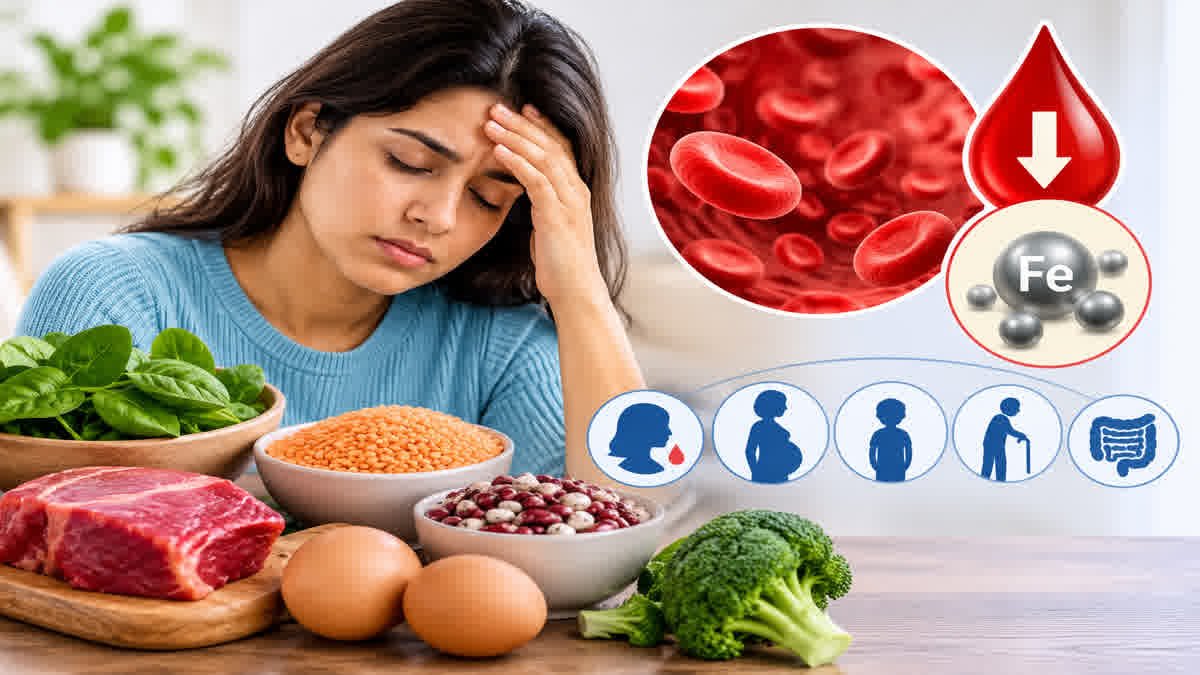

Persistent fatigue, weakness, or trouble concentrating can have many explanations, and sometimes low iron is one of them. Iron deficiency is a common nutritional concern, and it can affect people of different ages and backgrounds. Some groups face a higher chance of developing it than others.
Iron is an essential mineral that helps the body make hemoglobin, the protein in red blood cells that carries oxygen. Iron deficiency means the body’s iron stores have become insufficient. It is related to iron deficiency anemia, but the two are not the same, because stores can run low before hemoglobin drops.
This article explains the nutritional, medical, physiological, and lifestyle factors that raise the likelihood of iron deficiency. It also shows who is most at risk, how testing works, and when to talk with a healthcare professional. A risk factor does not mean you have iron deficiency, and this guide is general education, not individual medical advice.
What Is Iron Deficiency and Why Does It Matter?
It helps to understand what iron deficiency is before looking at who is most likely to develop it.
Understanding Iron Deficiency
Iron deficiency is a condition in which the body’s iron stores become insufficient. The body uses iron to build hemoglobin, and it keeps extra iron as ferritin, mainly in the liver, spleen, and bone marrow. The NIH Office of Dietary Supplements notes that serum ferritin is commonly used to assess iron stores.
Iron Deficiency vs. Iron Deficiency Anemia
Depleted iron stores and reduced hemoglobin are different stages. According to the NIH, iron deficiency progresses from depleted stores, to iron-deficient red blood cell production, and finally to iron deficiency anemia. Hemoglobin is usually still normal in the middle stage.
That is why low iron and anemia are related but not interchangeable. Not everyone with iron deficiency has anemia, and early evaluation can matter. For the full picture of how it develops, see our guide to what causes iron deficiency.
The Most Common Iron Deficiency Risk Factors
These eight factors account for many cases. Several can overlap in the same person.
1. Inadequate Dietary Iron Intake
Diets that lack iron-rich foods can gradually deplete iron stores. Risk rises with limited intake of meat, seafood, legumes, and fortified cereals, poor dietary variety, and restrictive eating patterns.
Food contains two forms of iron. Heme iron comes from animal foods, and nonheme iron comes from plants and fortified foods, which the NIH says the body absorbs less efficiently. Plant-based diets can provide enough iron when planned well, but intake and absorption deserve attention. Our guides to iron-rich foods and vegetables high in iron can help.
2. Heavy Menstrual Bleeding
Regular menstrual blood loss means regular iron loss, and heavy or prolonged periods raise the risk. An AMA report calls menstruation the most common cause of iron deficiency in women of childbearing age. Conditions such as uterine fibroids and endometriosis can contribute to heavy bleeding in some people.
Over time, repeated blood loss can reduce iron stores. If your periods are unusually heavy or long, a healthcare professional can help find the reason and the right plan.
3. Pregnancy and Increased Iron Requirements
Iron needs rise during pregnancy because of higher maternal blood volume, fetal growth, placental development, and increased red blood cell production. The NIH notes that too little iron in pregnancy raises the risk of anemia in the mother and is linked with low birth weight and premature birth.
Pregnancy increases risk, but it does not mean every pregnant person will develop iron deficiency. Prenatal care typically includes iron assessment so that problems can be found early.
4. Gastrointestinal Blood Loss
Hidden bleeding in the digestive tract can quietly drain iron. Possible sources include peptic ulcers, gastrointestinal inflammation, colorectal polyps or cancer, and inflammatory bowel disease. Mayo Clinic adds that regular use of pain relievers such as aspirin, ibuprofen, and naproxen can cause bleeding inside the body.
Unexplained iron deficiency in adult men and postmenopausal women warrants evaluation for a possible source. The British Society of Gastroenterology guideline reports that about a third of men and postmenopausal women with iron deficiency anemia have an underlying abnormality, most often in the gastrointestinal tract.
5. Digestive Disorders and Poor Iron Absorption
Someone can eat enough iron and still absorb too little. Celiac disease, Crohn’s disease, other intestinal disorders, previous stomach or intestinal surgery, and reduced stomach acid can all interfere. A review in Nutrients notes that iron deficiency anemia may be present in over half of people with celiac disease at diagnosis, even without digestive symptoms.
Long-term acid-reducing medication may also play a role. A large study in Gastroenterology linked use for two years or longer to a higher risk of iron deficiency, though findings across studies have been mixed. Do not stop a prescribed medication without talking to your clinician. See our article on vegetables for gut health for general digestive support.
6. Rapid Growth During Childhood and Adolescence
Growing bodies need more iron because of increased blood volume, growing muscle mass, and the demands of puberty. Selective eaters and young people with poor dietary intake may fall short. Adolescent girls face additional risk once menstruation begins.
7. Frequent Blood Donation
Each donation removes some of the body’s iron. Mayo Clinic lists frequent blood donors among people at higher risk of iron deficiency anemia. Repeated donations without enough recovery time can lower stores, so follow donation eligibility and screening guidance, and talk to the donation center if you are told your hemoglobin is low.
8. Chronic Diseases and Inflammation
Chronic kidney disease, inflammatory bowel disease, other long-term inflammatory conditions, and some chronic infections can affect iron availability. Inflammation changes how the body regulates and releases iron. A clinical review notes that low iron can be hard to recognize when inflammation is present.
Anemia of inflammation is not always the same as absolute iron deficiency. In anemia of inflammation, iron may be stored but less available for use. The NIH adds that extra iron usually does not improve anemia of chronic disease, so testing matters.
Who Is at the Highest Risk of Iron Deficiency?
Some groups share several risk factors at once.
Women of Reproductive Age
Menstrual blood loss, heavy periods, pregnancy demands, and postpartum blood loss all contribute. The AMA reports that more than one in three women under 50 are iron deficient.
Pregnant and Breastfeeding Individuals
Nutritional requirements rise during pregnancy, and recovery after childbirth adds to the load. Individual nutritional status and dietary intake strongly influence risk. Breastfeeding does not universally cause iron deficiency, so each person’s situation differs.
Infants and Young Children
The Canadian Paediatric Society lists several risk factors before age two. These include preterm birth or low birth weight, low socioeconomic status, prolonged bottle use, high cow’s milk intake, and low intake of iron-rich complementary foods. A review in Nutrition Reviews explains that cow’s milk has low iron content, which makes it hard for young children to get enough for growth. Mayo Clinic notes that children ages 1 to 5 who drink more than 24 ounces of cow’s, goat’s, or soy milk a day are at higher risk.
Parents should talk with a pediatrician about feeding and screening rather than adjusting diets or giving supplements on their own. Iron supplements are a leading cause of poisoning in young children, so store them safely.
Teenagers and Adolescents
Growth spurts, higher nutritional needs, menstruation, and restrictive eating habits all raise risk during the teen years.
Older Adults
Older adults may eat less, live with chronic conditions, have digestive or absorption problems, or experience gastrointestinal blood loss. An American Family Physician review notes that nutritional deficiency, chronic kidney disease, chronic inflammation, and hidden gastrointestinal blood loss are among the causes of anemia in older adults. It recommends evaluating older patients with suspected iron deficiency anemia for a gastrointestinal source.
Risk comes from several factors working together. Age or gender alone cannot tell you whether someone has iron deficiency.
Lifestyle and Dietary Habits That May Increase Iron Deficiency Risk
Everyday habits can influence both how much iron you take in and how much you absorb.
Following a Poorly Planned Vegetarian or Vegan Diet
Plant foods supply nonheme iron, which is generally less readily absorbed than heme iron. The NIH notes that vegetarians who do not eat meat, poultry, or seafood need almost twice as much iron as other adults. Well-planned plant-based diets can meet needs, and vitamin C can improve nonheme iron absorption. Balanced food choices matter.
Drinking Tea or Coffee With Meals
Tea and coffee contain polyphenols that can reduce nonheme iron absorption when consumed with meals. Timing and overall dietary patterns matter more than any single drink. See our article on green tea and iron deficiency for more.
Low Dietary Vitamin C Intake
Vitamin C helps the body absorb nonheme iron, so limited fruit and vegetable intake may reduce that benefit. Our list of foods high in vitamin C offers easy options.
Restrictive Dieting and Skipping Meals
Very restrictive diets can lower overall nutrient intake, including iron. The goal is adequate food variety, not unnecessary supplementation.
Warning Signs That May Suggest Iron Deficiency
Symptoms can be subtle, especially early on. Mayo Clinic notes that iron deficiency anemia can be so mild at first that it goes unnoticed. Possible signs include:
- Persistent fatigue
- Weakness
- Pale skin
- Dizziness or lightheadedness
- Shortness of breath during activity
- Headaches
- Cold hands and feet
- Brittle nails
- Hair loss
- Unusual cravings for non-food substances (pica)
- Restless legs
Some people with iron deficiency have no noticeable symptoms. These signs are not exclusive to iron deficiency and should not be used for self-diagnosis. Our guide to the early signs of iron deficiency explains them in more detail.
How Is Iron Deficiency Diagnosed?
Proper medical evaluation is the only reliable way to find out. A clinician reviews your history and orders blood tests.
Complete Blood Count (CBC)
A CBC measures hemoglobin and red blood cell indices such as mean corpuscular volume (MCV), which describes red blood cell size. Early iron deficiency can occur without anemia, so a normal CBC does not always rule it out.
Ferritin Blood Test
Ferritin helps assess iron stores, and the NIH describes it as currently the most efficient and cost-effective test for diagnosing iron deficiency. Inflammation can raise ferritin and complicate interpretation. The American Society of Hematology 2026 guideline suggests a ferritin threshold of 30 ng/mL or lower for most adults, with a higher threshold in some situations.
Additional Iron Studies
- Serum iron
- Transferrin saturation
- Total iron-binding capacity (TIBC)
Clinicians interpret these results alongside symptoms, medical history, and other findings.
Can You Reduce Your Risk of Iron Deficiency?
Prevention works best when it matches your own needs. General strategies include:
- Eat a balanced diet with adequate iron-rich foods.
- Include both heme and nonheme iron sources, as appropriate for your diet.
- Combine plant-based iron with vitamin C-rich foods.
- Avoid drinking tea or coffee with iron-rich meals if absorption is a concern.
- Address heavy menstrual bleeding with a healthcare professional.
- Attend recommended prenatal and childhood checkups.
- Investigate persistent digestive symptoms or unexplained blood loss.
- Discuss screening and supplementation with a healthcare professional when appropriate.
Iron supplements should not be taken unnecessarily. Mayo Clinic warns that too much iron can build up and damage the liver and other organs. If you already have low iron, see our guide to iron deficiency treatment options.
When Should You See a Doctor About Iron Deficiency Risk?
Talk with a healthcare professional if you have:
- Persistent or unexplained fatigue
- Heavy menstrual bleeding
- Symptoms of possible gastrointestinal bleeding, such as black or bloody stools
- Pregnancy-related concerns
- Recurrent low iron results
- Digestive symptoms alongside a suspected nutritional deficiency
Unexplained iron deficiency needs a search for the underlying cause, not just treatment of the low iron level. Seek urgent care for chest pain, fainting, or severe breathlessness.
Frequently Asked Questions About Iron Deficiency Risk Factors
1. What is the most common cause of iron deficiency?
Causes vary by population and circumstances. Inadequate intake, increased requirements, blood loss, and impaired absorption are the major contributors. The American Society of Hematology notes that blood loss is a leading cause of iron deficiency anemia.
2. Who is most likely to develop iron deficiency?
Groups at higher risk include menstruating individuals, pregnant people, infants, young children, adolescents, and people with chronic blood loss or malabsorption conditions. Older adults with chronic illness or digestive problems are also affected.
3. Can you have iron deficiency without anemia?
Yes. Iron stores can be depleted before hemoglobin falls below the normal range. The NIH describes this as an earlier stage of iron deficiency.
4. Does drinking tea or coffee cause iron deficiency?
Tea and coffee can reduce absorption of nonheme iron when consumed with meals. They are not necessarily direct causes of iron deficiency, and having them between meals is a simple adjustment.
5. Can vegetarians develop iron deficiency?
Yes. Plant-based diets can provide enough iron, but nonheme iron is less readily absorbed, so dietary planning is important. Pairing plant iron with vitamin C-rich foods can help. (NIH)
6. How can I know if I am at risk of iron deficiency?
Consider your medical history, dietary patterns, menstrual or other blood loss, pregnancy, and chronic conditions. Only blood tests can confirm iron deficiency, so ask a healthcare professional whether testing makes sense for you.
Conclusion
Iron deficiency can develop from inadequate intake, increased requirements, blood loss, or poor absorption. Menstruating individuals, pregnant people, children, and older adults face higher risk, and lifestyle and dietary habits can influence both intake and absorption. Recognizing your risk factors can encourage earlier testing and evaluation.
If you have symptoms or risk factors, talk with a healthcare professional, because identifying the underlying cause is essential for effective management.
Sources
- NIH Office of Dietary Supplements: Iron, Fact Sheet for Health Professionals
- NIH Office of Dietary Supplements: Iron, Fact Sheet for Consumers
- American Society of Hematology: Anemia (patient information)
- American Society of Hematology 2026 guidelines for diagnosis of iron deficiency
- British Society of Gastroenterology guidelines for the management of iron deficiency anaemia in adults
- Mayo Clinic: Iron deficiency anemia, symptoms and causes
- American Medical Association: What doctors wish patients knew about iron deficiency
- Iron Deficiency in Celiac Disease (Nutrients, 2021)
- Proton Pump Inhibitor and Histamine-2 Receptor Antagonist Use and Iron Deficiency (Gastroenterology, 2017)
- Iron deficiency in patients with concurrent inflammation (review)
- Canadian Paediatric Society: Iron requirements of infants and toddlers
- Consumption of cow’s milk as a cause of iron deficiency in infants and toddlers (Nutrition Reviews, 2011)
- American Family Physician: Anemia in Older Adults, 2018
Medical Disclaimer
This article is intended for educational purposes only and should not replace professional medical advice, diagnosis, or treatment. If you have risk factors or symptoms that may indicate iron deficiency, consult a qualified healthcare professional.
1 thought on “Iron Deficiency Risk Factors Explained: Who Is Most at Risk and Why?”
Comments are closed.